
Is your shower head leaking and wasting water every time you turn it on? That constant drip can be annoying, raise your water bill, and even cause damage over time.
But don’t worry—fixing a leaking shower head is easier than you think. You’ll discover simple, step-by-step tips that anyone can follow to stop the leak fast. Keep reading, and you’ll be saving water and money in no time.
:max_bytes(150000):strip_icc()/how-to-fix-a-leaking-shower-head-4154274-10-9f8b3e95f94044c4acbe56469faf9b5d.jpg)
Credit: www.thespruce.com
Identify The Leak Source
Finding the exact source of a leaking shower head is the first step to fix it. Without knowing where the water escapes, repairs might not work. Take time to check each part carefully. This saves effort and prevents future leaks.
Check The Shower Head
Look closely at the shower head itself. Water can leak from small cracks or worn-out seals. Remove the shower head and check the rubber washers. If they look cracked or flattened, replace them. Clean any mineral buildup inside the head. This often causes poor water flow and leaks.
Inspect The Shower Arm
The shower arm connects the head to the wall pipe. Check for rust or damage along the arm. Water can drip from loose joints or broken threads. Use plumber’s tape on the threads before reattaching the shower head. This tape creates a tight seal to stop leaks. Tighten the arm gently but firmly.
Examine The Water Pressure
High water pressure can cause leaks in shower fittings. Test the pressure by turning on the shower fully. Notice if water sprays out unevenly or leaks continue. Install a pressure regulator if the pressure is too high. This protects your pipes and stops leaks from excess force.
Gather Necessary Tools
Fixing a leaking shower head starts with gathering the right tools. Having these tools ready makes the repair easier and faster. It also helps avoid frustration during the process. Below is a list of basic tools you will need. Some optional supplies are also helpful for tougher repairs.
List Of Basic Tools
- Adjustable wrench – to loosen and tighten parts
- Plumber’s tape (Teflon tape) – for sealing threads
- Old toothbrush or small brush – to clean parts
- Soft cloth or rag – to protect surfaces
- Bowl or container – to catch water or hold small parts
Optional Supplies For Tougher Repairs
- WD-40 or penetrating oil – to loosen stuck parts
- Replacement washers or O-rings – if original ones are worn
- Pipe wrench – for extra grip on tight fittings
- Small screwdriver – for removing screws
- Silicone grease – to lubricate parts and prevent leaks
Turn Off The Water Supply
Before fixing a leaking shower head, turn off the water supply. This step stops water flow and prevents any mess. It also protects you from unexpected sprays while working. Without shutting the water off, repairs become harder and riskier.
Locate The Main Valve
Find the main water valve in your home. It is usually near the water meter or where the main water line enters the house. The valve might be a round wheel or a lever. Turn the valve clockwise to close it and stop water flow. If unsure, check your home’s manual or ask a professional.
Test For Water Shutoff
After closing the valve, test if the water is off. Turn on a faucet in your bathroom or kitchen. No water should come out. If water still flows, the valve might not be fully closed. Turn it again to ensure it is tight. Only start the repair when the water is fully off.
Remove The Shower Head
Removing the shower head is the first step to fix a leak. This lets you check for worn parts or dirt inside. It also makes cleaning easier. Take your time to avoid damage. Follow the steps carefully for a smooth process.
Use Adjustable Wrench Safely
Use an adjustable wrench to loosen the shower head. Adjust the wrench to fit the nut snugly. Turn it counterclockwise to unscrew. Apply steady, gentle force. Avoid sudden twists to prevent breaking the pipe. Hold the shower arm steady with your other hand.
Avoid Damaging Fixtures
Wrap a cloth around the shower head before using the wrench. This protects the finish from scratches. Do not use too much force. Stop if the shower head won’t budge. Try spraying a little penetrating oil to loosen rust. Protect all parts to save money on repairs.
Clean And Inspect Parts
Fixing a leaking shower head starts with cleaning and inspecting its parts. Dirt and damage often cause leaks. Taking time to check each piece helps find the problem fast. This process also stops bigger issues from forming.
Clear Mineral Deposits
Mineral buildup blocks water flow and causes leaks. Soak the shower head in vinegar for an hour. Vinegar dissolves hard water deposits easily. Use a soft brush to scrub away leftover residue. Rinse with warm water to clear away all loosened minerals.
Check For Cracks Or Wear
Look closely at the shower head and washers. Cracks or worn parts let water escape. Replace any damaged washers or cracked pieces. Tighten loose connections to stop drips. Inspecting parts carefully saves time and money later.
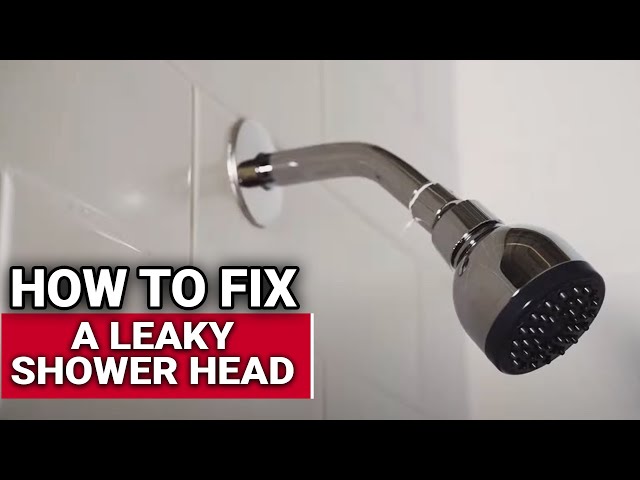
Credit: www.youtube.com
Replace Washers And Seals
Replacing washers and seals is a key step to fix a leaking shower head. Over time, washers and seals wear out and cause water to drip. Changing them stops the leaks and saves water. This task is simple and needs only a few tools. Follow these steps carefully to do it right.
Select Correct Washer Size
Choose the right washer size for your shower head. Washers come in many sizes. Check the old washer or the shower head manual. The washer should fit snugly without forcing it in. A loose or too tight washer will not stop leaks. Take the old washer to the store for a perfect match.
Install New Seals Properly
Clean the shower head parts before placing new seals. Dirt or old seal bits can cause leaks. Put the new seal in the right spot firmly. Avoid stretching or twisting the seal. Tighten the shower head carefully to hold the seal in place. Test for leaks by turning the water on slowly.
Apply Plumber’s Tape
Applying plumber’s tape is a simple and effective way to stop a leaking shower head. This tape, also called Teflon tape, seals the threads where the shower head screws onto the pipe. It blocks water from escaping through tiny gaps. Using plumber’s tape can save you from water damage and reduce water waste.
The tape is easy to use and inexpensive. It only takes a few minutes to wrap the threads and fix the leak. Proper application is key to making the tape work well and last long. Let’s look at how to wrap plumber’s tape correctly and prevent future leaks.
Wrap Threads Correctly
Start by removing the shower head from the pipe. Clean the threads well to remove old tape and dirt. Tear off a piece of plumber’s tape about 4 to 6 inches long. Hold the pipe threads with one hand. Wrap the tape around the threads in the same direction as you will screw the shower head on. This is usually clockwise.
Overlap the tape slightly with each wrap. Cover the threads with two or three layers of tape. Avoid wrapping too much tape, as this can make it hard to screw the shower head back on. Press the tape down firmly so it sticks well. Screw the shower head back on and tighten by hand.
Prevent Future Leaks
Check the shower head for leaks after applying the tape. If water still drips, remove the head and add more tape. Tighten the shower head firmly but do not overtighten. Over-tightening can damage the threads or the tape.
Replace the plumber’s tape each time you remove the shower head. Old tape loses its sealing power and can cause leaks. Keep the threads clean and dry before applying new tape. Regularly inspect your shower head for signs of leaks or loose fittings.
Using plumber’s tape correctly helps keep your shower leak-free and saves water. It’s a small step that makes a big difference in home maintenance.
Reinstall The Shower Head
Reinstalling the shower head is a key step to stop leaks. After cleaning or replacing parts, putting the shower head back correctly matters. Proper installation ensures no water escapes and the shower works well.
Tighten Without Overdoing
Screw the shower head onto the pipe by hand first. Make sure it fits snugly. Use a wrench to tighten it more, but not too much. Over-tightening can damage the threads or the shower head.
Stop turning when it feels firm and steady. Too much force may cause cracks or leaks later. A good seal needs just enough pressure to hold the head tight.
Align For Proper Flow
Adjust the shower head so water flows in the right direction. Point it where you want the spray. Check the angle before tightening fully.
Proper alignment helps water hit your body evenly. It also prevents water from spraying outside the shower area. Take time to position it well before finishing the installation.
Test For Leaks
Testing for leaks is an important step after fixing a shower head. It helps confirm that the problem is solved. This step ensures no water escapes from the connections. Take your time to check carefully and avoid future damage.
Turn Water Back On
Start by turning the water supply back on. Do this slowly to avoid sudden pressure. Watch for any signs of water spraying or dripping. If the water flows without issues, the fix might be solid. Keep the water running steady for a few minutes.
Observe For Drips Or Drains
Look closely at the shower head and pipe connections. Drips or slow leaks may appear at joints or seals. Use a dry cloth to wipe the area first for clear view. Watch for water drops forming or wet spots. If you see leaks, tighten or reseal the fittings again.
:max_bytes(150000):strip_icc()/how-to-fix-a-leaking-shower-head-4154274-hero-96869029aa204b64abe6ecc27bd82d55.jpg)
Credit: www.thespruce.com
When To Call A Professional
Knowing when to call a professional for a leaking shower head saves time and stress. Some problems need expert tools and skills. Trying to fix complex issues alone might cause more damage. Recognizing the signs helps you decide the right moment to get help.
Signs Of Complex Issues
Leaks that continue after tightening or cleaning show complex problems. Cracks in the shower head or pipe need expert attention. Water stains or mold near the shower indicate hidden leaks. Low water pressure or strange noises may mean pipe damage. These signs suggest a professional plumber is needed.
Benefits Of Expert Repair
Professionals find and fix the root cause quickly. They use the right tools to prevent future leaks. Expert repairs often come with warranties for peace of mind. A plumber can improve water flow and save water. Hiring an expert protects your bathroom from costly damage.
Frequently Asked Questions
Why Is My Shower Head Leaking Water Constantly?
A leaking shower head often means worn-out washers or seals inside. Tightening connections or replacing washers usually stops the leak quickly.
How Can I Fix A Dripping Shower Head At Home?
Turn off the water supply first. Remove the shower head, clean the parts, and replace any damaged washers or seals.
What Tools Do I Need To Repair A Leaking Shower Head?
You typically need an adjustable wrench, plumber’s tape, and replacement washers. These simple tools help fix most leaks easily.
Can Mineral Buildup Cause A Shower Head To Leak?
Yes, mineral deposits can block water flow and cause leaks. Cleaning the shower head with vinegar removes buildup and improves function.
How Long Does It Take To Fix A Leaking Shower Head?
Most repairs take 15 to 30 minutes. It’s a quick fix that saves water and prevents damage.
Conclusion
Fixing a leaking shower head saves water and money. Start by turning off the water supply. Clean or replace worn washers and seals. Tighten connections to stop drips. Regular checks prevent bigger problems later. A small leak can waste many gallons each day.
Take action soon to keep your bathroom dry and efficient. Simple steps make a big difference. You can do this yourself with basic tools. Enjoy a leak-free shower and peace of mind.