
Are you struggling with a lazy eye and wondering how to fix it? You’re not alone, and the good news is that there are effective ways to improve your vision.
Whether it’s affecting your confidence or your everyday life, understanding the steps to correct a lazy eye can make a big difference. You’ll discover simple, practical methods that can help you regain better eye alignment and clarity. Keep reading to find out how you can take control and start seeing the world more clearly.

Credit: www.wikihow.com
Causes Of Lazy Eye
Lazy eye is a common vision problem in children and adults. It happens when one eye does not develop normal sight. The brain favors the stronger eye, causing poor vision in the weaker one. Understanding the causes helps to find the right treatment.
Amblyopia And Its Impact
Amblyopia is the main cause of lazy eye. It occurs when the brain ignores signals from one eye. This leads to poor vision in that eye. The eye itself looks normal but does not see well.
Amblyopia can start in early childhood. The brain learns to rely on the better eye. Without treatment, vision loss becomes permanent.
Strabismus And Eye Misalignment
Strabismus means the eyes are not aligned properly. One eye may turn inward, outward, up, or down. The brain gets two different images.
To avoid double vision, the brain ignores the image from the turned eye. This causes lazy eye to develop. Early correction of alignment can prevent vision loss.
Refractive Errors
Refractive errors include nearsightedness, farsightedness, and astigmatism. If one eye has a stronger error than the other, the brain favors the clearer eye.
This imbalance causes lazy eye. Glasses or contact lenses can correct the focus. This helps the weaker eye to improve vision.
Other Contributing Factors
Other causes include cataracts or eye injuries. These block or blur vision in one eye. The brain may ignore the affected eye, leading to lazy eye.
Early detection and treatment of these issues are important. They help protect vision and prevent long-term problems.

Credit: www.youtube.com
Signs And Symptoms
Recognizing the signs and symptoms of a lazy eye is important. Early detection helps in seeking treatment faster. This section covers common signals that suggest a lazy eye problem.
Vision Problems To Watch For
Blurry or double vision may indicate a lazy eye. Difficulty focusing on objects is another sign. A child might struggle to read or see distant things clearly. Eyes may not work together properly, causing poor depth perception.
Eye Movement Irregularities
One eye may drift inward or outward. This movement can be constant or appear sometimes. The affected eye might not follow objects smoothly. Unequal eye alignment is a key symptom to note.
Head Tilting And Squinting
Tilting the head to see better is common in lazy eye cases. Squinting helps to improve focus temporarily. These actions show an attempt to use the weaker eye. Watch for frequent changes in head position or eye squinting.
When To See A Doctor
Consult a doctor if you notice any eye misalignment. Vision problems that do not improve with blinking need attention. Early exam can prevent permanent vision loss. A professional can provide the right diagnosis and treatment options.
Diagnosis Methods
Diagnosing a lazy eye is the first step in treatment. Early diagnosis helps prevent long-term vision problems. Eye care professionals use several methods to check eye health and alignment. These tests are simple and quick. They give clear information about the eye’s condition.
Eye Exam Techniques
Eye exams are the foundation for diagnosis. Doctors look at the eyes closely. They check how the eyes move and focus. Sometimes, they use bright lights to see inside the eye. This helps spot any abnormalities.
Visual Acuity Testing
This test measures how well each eye sees. Patients read letters or symbols on a chart. Each eye is tested separately. This shows if one eye has weaker vision. It helps identify if a lazy eye is present.
Cover Test And Alignment Checks
The cover test checks eye alignment and focus. One eye is covered, and the other is observed. The doctor watches for movement or drift. This test shows if one eye is lazy. It detects how the eyes work together.
Advanced Imaging Options
Advanced imaging gives detailed views of the eye. Techniques like OCT scan the retina and optic nerve. These images reveal hidden problems. They help understand the cause of the lazy eye. Imaging is useful for complex cases.
Treatment Options
Treating a lazy eye involves several options. Each method aims to improve vision in the weaker eye. The choice depends on age, severity, and cause. Early treatment gives better results.
Below are the common treatment options for lazy eye.
Eyeglasses And Contact Lenses
Eyeglasses or contact lenses correct vision problems that cause lazy eye. They help both eyes focus better. Clear vision allows the brain to use the weaker eye more. This can reduce the eye’s laziness over time.
Patching Therapy
Patching therapy covers the stronger eye with a patch. This forces the weaker eye to work harder. Regular use can strengthen the lazy eye. The patch is worn for a few hours daily. Consistency is key for success.
Atropine Eye Drops
Atropine drops blur vision in the stronger eye. This encourages the lazy eye to improve. The drops are usually used once a day. They offer an alternative to patching therapy. Eye doctors supervise this treatment closely.
Vision Therapy Exercises
Special exercises train the lazy eye and the brain. They improve eye coordination and focus. Exercises include tracking objects or using computer programs. Regular practice helps the brain use both eyes together. These exercises support other treatments.
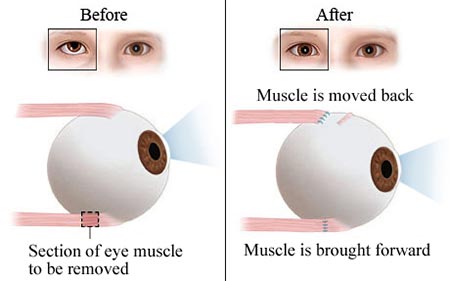
Surgical Interventions
Surgery is less common for lazy eye itself. It can fix related issues like crossed eyes. Surgery aligns the eyes for better focus. Post-surgery, therapy may still be needed. Doctors evaluate surgery on a case-by-case basis.
Home Care Tips
Managing a lazy eye at home requires simple and consistent care. Small daily actions can help improve eye strength and coordination. These home care tips support professional treatments and promote better eye health.
Daily Eye Exercises
Eye exercises help train the weaker eye to work better. Try focusing on a small object close by, then slowly move it farther. Repeat this several times a day. Another exercise is covering the strong eye and using the lazy eye to follow moving objects. These exercises improve eye muscle control and focus.
Healthy Eye Habits
Good habits protect your eyes and support healing. Always blink often to keep eyes moist. Avoid rubbing your eyes, which can cause irritation. Rest your eyes regularly, especially after reading or doing close work. Wear sunglasses outside to protect from bright light and dust.
Limiting Screen Time
Too much screen time strains your eyes. Set breaks every 20 minutes to look away from screens. Use the 20-20-20 rule: every 20 minutes, look at something 20 feet away for 20 seconds. This reduces eye fatigue and helps the lazy eye relax. Keep screen brightness low and avoid using devices in dark rooms.
Proper Lighting And Environment
Good lighting helps your eyes work better. Use soft, natural light when possible. Avoid harsh or flickering lights that cause strain. Position your work area so light comes from the side, not directly into your eyes. A calm, comfortable space encourages better eye focus and reduces tiredness.
Preventing Lazy Eye
Preventing lazy eye is key to keeping your child’s vision strong. Early steps can stop problems before they start. Careful attention helps the eyes work well together. Simple actions can protect eyesight and boost eye health.
Early Eye Exams For Children
Schedule eye exams for children by age one. Early checks catch vision issues fast. Detecting problems early makes treatment easier. Regular exams help spot lazy eye before it worsens.
Addressing Vision Issues Promptly
Treat any vision problems as soon as possible. Glasses or patching may be needed. Quick care improves eye coordination. Delaying treatment can make lazy eye harder to fix.
Encouraging Outdoor Activities
Outdoor play benefits eye health and development. Natural light supports healthy vision growth. Activities outside reduce the risk of lazy eye. Encourage kids to spend time in fresh air daily.
Regular Follow-ups
Keep up with eye doctor visits after treatment starts. Follow-ups track progress and adjust care. Consistent monitoring ensures the lazy eye improves. Staying on schedule helps maintain good vision.
Living With Lazy Eye
Living with lazy eye involves more than just vision issues. It affects daily life and how people feel about themselves. Understanding this helps manage the condition better.
Support and simple changes can improve quality of life for those with lazy eye. Here are key areas to focus on.
Boosting Confidence And Self-esteem
Many people with lazy eye face low confidence. This can affect social life and work. Encouraging positive self-talk helps build confidence. Compliments and achievements should be celebrated often. Small wins matter. Wearing glasses or patches may feel different. Support from friends and family can ease this. Confidence grows with patience and kindness.
Adapting To Vision Challenges
Lazy eye can cause blurry or double vision. Adjusting daily routines makes tasks easier. Using brighter lights helps reading and writing. Taking breaks reduces eye strain. Organizing workspaces with clear views aids focus. Technology like screen magnifiers supports vision needs. Practicing eye exercises can strengthen weaker eyes. Each step improves comfort and ability.
Support Resources And Communities
Many groups exist for people with lazy eye. Online forums offer advice and encouragement. Eye doctors provide professional guidance and treatments. Local support groups create a sense of belonging. Sharing stories helps reduce feelings of isolation. Learning from others’ experiences gives hope and ideas. Access to resources makes managing lazy eye simpler.
Credit: www.eyedoctorophthalmologistnyc.com
Frequently Asked Questions
What Causes A Lazy Eye In Children And Adults?
A lazy eye happens when one eye does not focus well. It can be due to poor vision, eye muscle problems, or brain issues. Early detection helps improve treatment success.
How Can Eye Patching Treat A Lazy Eye?
Eye patching covers the stronger eye to force the weaker one to work. This improves the weaker eye’s focus and strength. It is often used in children for best results.
Can Exercises Help Fix A Lazy Eye Naturally?
Yes, eye exercises can strengthen eye muscles and improve coordination. Regular practice helps the brain use both eyes together better. Consult a doctor for proper exercise guidance.
When Should I See A Doctor For A Lazy Eye?
See a doctor if you notice poor vision or eye drifting. Early check-ups are important, especially for children under 7 years. Treatment works best when started early.
Are Glasses Enough To Fix A Lazy Eye?
Glasses can correct vision problems causing the lazy eye. Sometimes, glasses alone improve focus and alignment. For many, additional treatments like patching may be needed.
Conclusion
Treating a lazy eye takes patience and care. Early action helps improve vision better. Eye exercises, glasses, or patches often help. Regular visits to an eye doctor matter a lot. Small steps every day bring clear results. Don’t ignore signs of a lazy eye.
Your efforts can make a real difference. Keep hope and stay consistent with treatment. Better vision is possible with the right approach.