
A cracked tooth can cause sharp pain and constant discomfort, making it hard for you to enjoy even simple things like eating or talking. You might be wondering if there’s a natural way to ease the pain and protect your tooth without rushing to expensive treatments.
The good news is, you can take some simple steps right now to help manage the problem naturally. You’ll discover easy and effective methods to relieve your cracked tooth and support healing, so you can get back to feeling comfortable fast.
Keep reading to learn how to take control of your tooth pain today.
Credit: atkdentpark.com
Signs Of A Cracked Tooth
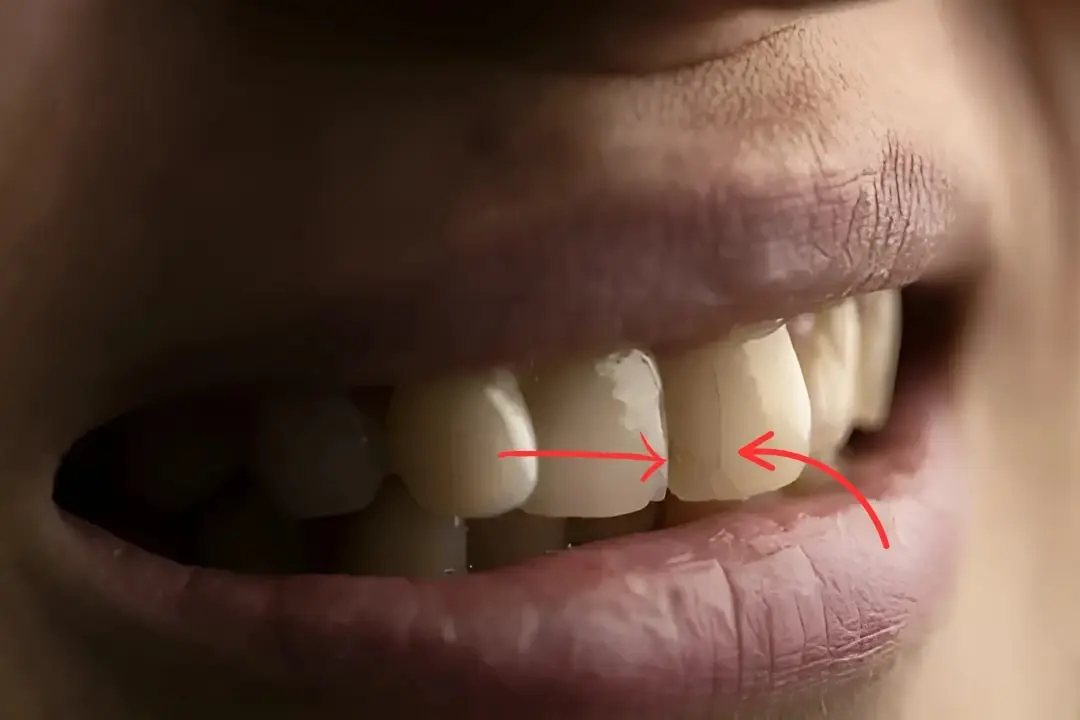
Knowing the signs of a cracked tooth helps protect your smile early. Cracks can cause pain and discomfort. Catching these signs quickly can prevent bigger problems. Some signs may be easy to miss but are important to notice.
Common Symptoms
Sharp pain when biting or chewing is a common symptom. The pain may come and go. Sensitivity to hot or cold foods also signals a crack. You might feel discomfort when releasing your bite. Sometimes, the tooth looks normal but hurts inside. Swelling around the tooth can happen too.
When To Seek Professional Help
Seek help if pain lasts more than a day. If the pain gets worse, see a dentist. Bleeding or swelling near the tooth needs urgent care. If a crack causes a piece of the tooth to fall off, visit a professional. A dentist can prevent infection and save the tooth.
Credit: www.boyntonbeachtownsquaredentistry.com
Causes Of Tooth Cracks
Cracks in teeth happen for many reasons. Understanding these causes helps you protect your smile. Small cracks can grow bigger and cause pain. Knowing what triggers them is the first step to prevention and natural care.
Physical Trauma
Physical trauma means injury to the mouth or face. A fall, sports hit, or accident can crack a tooth. These cracks may not show right away. Over time, the damage can worsen and cause pain.
Biting Hard Objects
Biting hard things puts pressure on teeth. Ice, nuts, or hard candy can cause cracks. Teeth are strong but not unbreakable. Chewing very hard items often leads to tiny fractures that grow bigger.
Teeth Grinding
Teeth grinding happens when you clench or rub teeth. This usually occurs during sleep or stress. Grinding wears down enamel and causes cracks. The constant pressure weakens teeth and makes them break easily.
Home Remedies For Relief
Dealing with a cracked tooth can cause sharp pain and discomfort. While visiting a dentist is important, some natural methods can provide relief at home. These remedies help ease pain and reduce inflammation. They do not replace professional care but can be a helpful first step.
Cold Compress For Pain
Apply a cold compress to the outside of your cheek. Hold it for 15 minutes, then remove for 15 minutes. Repeat this process several times. The cold helps numb the pain and reduce swelling. Avoid putting ice directly on your skin to prevent frostbite.
Saltwater Rinse
Mix half a teaspoon of salt in a glass of warm water. Use this solution to rinse your mouth gently. Do this two to three times a day. Saltwater cleans the area, reduces bacteria, and soothes irritated gums. It also helps prevent infection around the cracked tooth.
Clove Oil Application
Dip a cotton ball in clove oil and apply it to the cracked tooth. Clove oil contains eugenol, which acts as a natural painkiller. Leave it on for a few minutes before rinsing your mouth. Use this method only a few times daily to avoid irritation.

Credit: emergencydentistduluth.com
Natural Remedies To Support Healing
Natural remedies can help support healing of a cracked tooth. They reduce pain and fight infection. These methods work gently and safely at home. Using simple ingredients, you can ease discomfort and protect the tooth.
Turmeric Paste
Turmeric has strong anti-inflammatory properties. It helps reduce swelling and pain around the tooth. Make a paste by mixing turmeric powder with water. Apply the paste directly to the cracked area. Leave it on for 10 to 15 minutes. Rinse your mouth with warm water afterward. Repeat this twice daily for best results.
Aloe Vera Gel
Aloe vera soothes pain and promotes healing. Its gel fights bacteria that can cause infection. Apply a small amount of fresh aloe vera gel to the cracked tooth. Let it sit for 20 minutes. Rinse your mouth gently with warm water. Use this remedy two times a day to calm discomfort.
Garlic For Antibacterial Effects
Garlic has natural antibacterial qualities. It helps stop infections in a cracked tooth. Crush a garlic clove to release its juice. Place the juice or crushed garlic on the tooth. Keep it there for a few minutes. Rinse your mouth with water to clear the taste. Use this treatment once daily to protect the tooth.
Diet And Lifestyle Tips
Diet and lifestyle play a big role in helping a cracked tooth heal naturally. Certain foods and habits can either harm or help your teeth. Making smart choices supports the repair process. Small changes can protect your tooth and improve overall dental health.
Focus on what you eat and how you care for your teeth daily. This keeps the cracked tooth from getting worse. It also helps strengthen your teeth over time. Simple steps can make a big difference in your tooth’s health.
Foods To Avoid
Avoid hard, crunchy foods like nuts and hard candies. These can make the crack bigger. Stay away from sticky sweets that cling to your teeth. Sugary foods feed bacteria that weaken teeth. Acidic drinks like soda and citrus juice can erode enamel. This makes the crack worse. Choose soft, gentle foods instead.
Nutrient-rich Foods For Tooth Health
Eat foods rich in calcium like milk, cheese, and yogurt. Calcium helps rebuild tooth enamel. Vitamin D from sunlight or fish helps calcium absorb better. Crunchy fruits and vegetables like apples and carrots clean teeth naturally. Leafy greens provide vitamins that support gum health. Drinking plenty of water keeps your mouth clean and moist. These nutrients strengthen teeth and aid healing.
Avoiding Stress On Teeth
Do not chew on ice or pens. Avoid biting your nails or grinding your teeth. These habits put pressure on the cracked tooth. Use a mouthguard if you grind your teeth at night. Chew on the opposite side of your mouth. Keep your jaw relaxed to reduce tension. Less stress helps prevent the crack from worsening.
When Home Remedies Aren’t Enough
Cracked teeth can sometimes heal or feel better with simple home remedies. These include rinsing with salt water, using clove oil, or applying cold compresses. Such methods might reduce pain and prevent infection temporarily.
Some cracks, though, go deeper than the surface. They may cause serious problems if not treated properly. Knowing when home remedies are not enough is important for your oral health.
Signs Of Infection
Watch for swelling around the cracked tooth or gums. Pain that worsens or does not go away can signal infection. A bad taste or smell in your mouth may also indicate trouble. Fever or swollen lymph nodes are signs to seek care fast.
Professional Treatment Options
Dentists can treat cracked teeth with fillings, crowns, or root canals. These treatments protect the tooth and stop infection. In severe cases, tooth extraction may be necessary. Early professional care can save your tooth and ease pain quickly.
Preventing Future Cracks
Preventing future cracks is key to keeping your teeth strong. Small cracks can lead to bigger problems if ignored. Taking simple steps helps protect your teeth every day. These habits reduce the risk of damage and keep your smile healthy.
Proper Oral Hygiene
Brush your teeth twice daily with a soft brush. Use fluoride toothpaste to strengthen tooth enamel. Floss daily to remove food stuck between teeth. Clean teeth are less likely to develop cracks. Avoid biting hard objects like ice or pens.
Using Mouthguards
Mouthguards protect teeth from injury during sports. They also prevent damage if you grind your teeth at night. Custom-fitted mouthguards offer better comfort and protection. Wearing a mouthguard reduces pressure on your teeth. This helps prevent new cracks from forming.
Regular Dental Checkups
Visit your dentist every six months for checkups. Dentists spot small cracks before they worsen. They can offer treatments to strengthen your teeth. Early care stops cracks from becoming serious. Regular visits keep your teeth in good shape.
Frequently Asked Questions
What Are Natural Remedies For A Cracked Tooth?
Natural remedies like clove oil and cold compresses can reduce pain. These methods help ease discomfort but do not fully repair the crack.
How Long Can A Cracked Tooth Heal On Its Own?
A cracked tooth usually cannot heal by itself. Professional dental care is often needed to prevent further damage.
Can Diet Affect The Healing Of A Cracked Tooth?
Eating soft foods helps avoid extra pressure on a cracked tooth. Avoid hard or sticky foods to protect the tooth from worsening.
Is Saltwater Rinse Effective For A Cracked Tooth?
Saltwater rinse helps keep the mouth clean and reduce infection risk. It soothes irritation but does not fix the crack.
When Should I See A Dentist For A Cracked Tooth?
See a dentist if pain lasts more than a day or swelling appears. Early treatment prevents serious problems and saves the tooth.
Conclusion
A cracked tooth needs care to avoid pain and infection. Natural methods can help ease discomfort and protect the tooth. Use gentle cleaning and avoid hard foods to prevent worsening the crack. Remember, natural care supports healing but does not replace a dentist’s advice.
Take small steps daily to keep your mouth healthy. Act quickly if pain or swelling grows. Healthy habits lead to stronger teeth and a happier smile.