
Is your Kenmore washer not draining properly? It’s frustrating when your laundry doesn’t finish the cycle, leaving clothes soaking wet and your schedule thrown off.
You might feel stuck, unsure what to do next or if you need to call a costly repair service. But before you panic, there are simple troubleshooting steps you can try yourself. Understanding why your washer isn’t draining can save you time, money, and stress.
Keep reading to discover easy fixes that get your Kenmore washer back to working smoothly—so you can get your laundry done without hassle.
Common Causes Of Drainage Issues
Drainage problems in Kenmore washers often cause frustration. Clothes stay wet, and the cycle stops abruptly. Understanding common causes helps fix the problem faster. Many issues are simple and can be checked without expert help.
Sometimes, the washer does not drain because of small blockages or faulty parts. Cleaning or replacing these parts often restores normal function. Let’s explore common reasons why your Kenmore washer might not drain.
Clogged Drain Hose
The drain hose carries water out of the washer. Dirt, lint, or small objects can block it. A clogged hose stops water flow, causing drainage problems. Detach the hose and check for any blockage. Clear it carefully to allow water to pass freely.
Blocked Pump Filter
The pump filter traps debris before water leaves the washer. Over time, it can become full and block drainage. A blocked filter prevents water from draining correctly. Remove the filter, clean it thoroughly, and replace it. This simple step often solves drainage issues.
Faulty Drain Pump
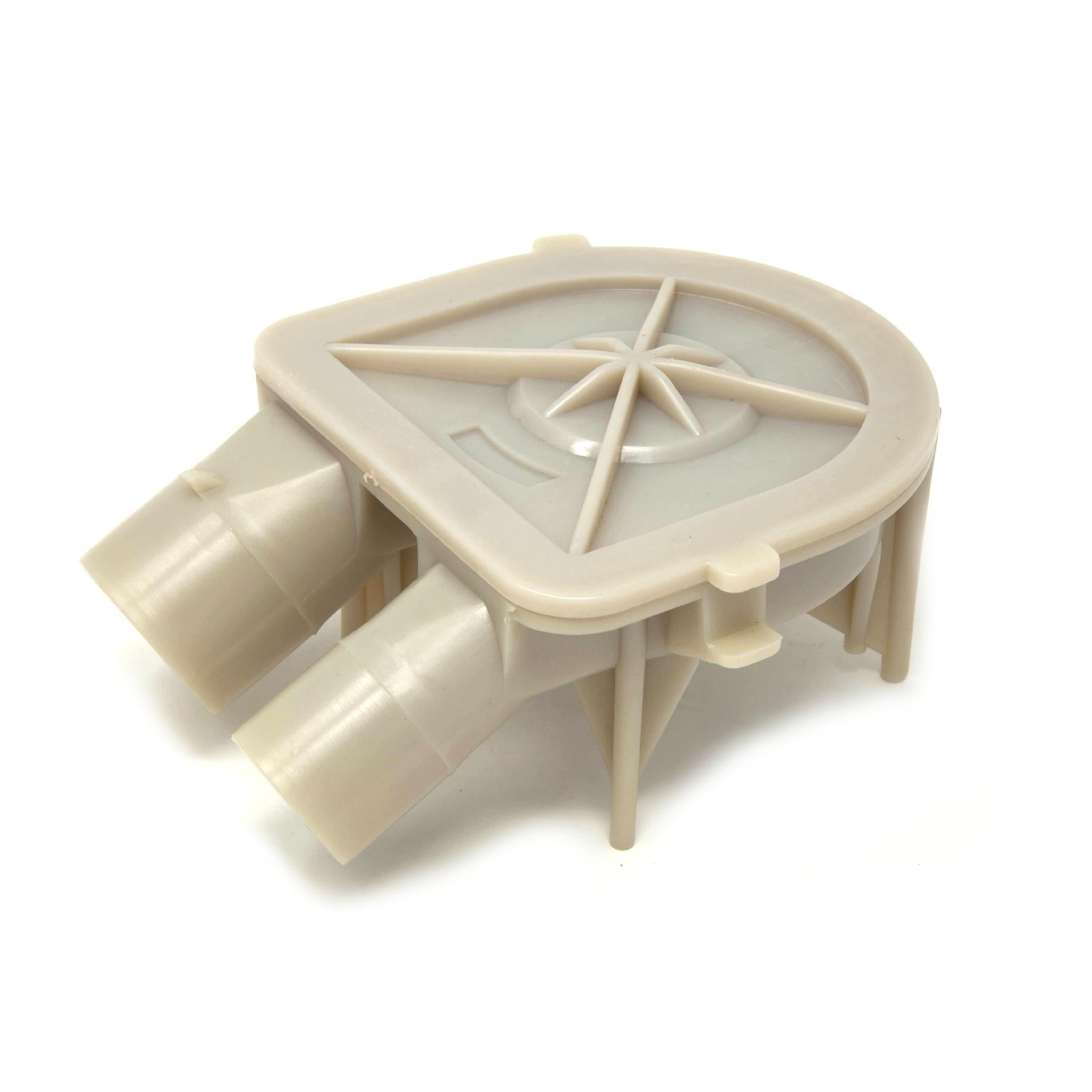
The drain pump pushes water out of the washer. If it breaks or gets stuck, water cannot drain. Listen for unusual noises or no sound during draining. A faulty pump may need replacement to restore proper function. Testing the pump with a multimeter can confirm the issue.
Lid Switch Problems
The lid switch stops the washer if the lid is open. If the switch is faulty, the washer may not drain. It prevents the machine from operating correctly for safety reasons. Check the lid switch for damage or loose connections. Replace it if necessary to fix drainage problems.
Drainage System Kinks
Kinks or bends in the drainage system restrict water flow. Check all hoses for sharp bends or twists. Straighten any kinks to allow water to drain smoothly. Even a small kink can cause water to back up and stop draining.

Credit: www.hillcountryrepairs.com
Tools Needed For Troubleshooting
Troubleshooting a Kenmore washer that is not draining requires the right tools. Having these tools ready makes the process easier and safer. Each tool helps you check different parts of the washer. Use them to find the problem quickly and fix it properly.
Basic Hand Tools
Start with basic hand tools like screwdrivers and pliers. A flathead and Phillips screwdriver will help remove panels and screws. Needle-nose pliers can pull out small parts or clear clogs. Keep a wrench nearby for loosening nuts and bolts. These tools handle most physical tasks during troubleshooting.
Multimeter For Electrical Testing
A multimeter checks electrical parts for faults. It measures voltage, resistance, and continuity. Use it to test the washer’s motor, lid switch, and timer. This tool helps find broken wires or faulty components. A multimeter is essential for safe and accurate electrical testing.
Bucket And Towels
Water may spill when you open the washer. Keep a bucket ready to catch any leaking water. Use towels to soak up spills and keep the area dry. This prevents water damage and keeps your workspace clean. A dry area reduces the risk of slipping or electric shock.
Step-by-step Drain Hose Inspection
Checking the drain hose is important if your Kenmore washer is not draining properly. This step-by-step guide helps you inspect the hose carefully. You will find simple instructions to spot and fix common problems.
Locating The Drain Hose
The drain hose is usually at the back of the washer. It is a flexible tube that carries water out. Find where the hose connects to the washer and where it leads to the drain pipe.
Make sure the washer is unplugged before touching the hose. This keeps you safe during the inspection.
Removing And Cleaning The Hose
First, place a bucket under the hose to catch water. Then, loosen the clamp holding the hose to the washer. Carefully pull the hose off the washer’s drain outlet.
Use warm water and a cloth or brush to clean inside the hose. Remove any dirt or buildup that might block water flow.
Checking For Obstructions
Look inside the hose for any clogs. Small objects, lint, or debris can block water from draining. Run water through the hose to see if it flows freely.
Check both ends of the hose and the drain pipe too. Clear any blockages found to help the washer drain correctly.
Cleaning The Pump Filter
Cleaning the pump filter is a key step in fixing a Kenmore washer that won’t drain. The filter catches small objects and debris during the wash cycle. Over time, this debris can block the filter and stop water from draining properly. Cleaning the filter often solves the problem quickly and easily.
Accessing The Filter
First, unplug the washer to stay safe. The pump filter is usually at the bottom front of the machine. Open the access panel or door. Some models have a small flap or cover you can remove by hand. Keep a towel or shallow pan ready to catch any water that may spill out.
Removing Debris
Turn the filter knob counterclockwise to remove it. Pull the filter out slowly. Check for lint, coins, hair, or other objects blocking the filter. Use your fingers or a soft brush to clean it thoroughly. Rinse the filter under running water to remove stubborn dirt.
Reassembling The Filter Area
After cleaning, place the filter back into its slot. Turn the knob clockwise to secure it tightly. Close the access panel or door. Plug the washer back in and run a short cycle to check if water drains properly. A clean filter helps your washer work smoothly again.
Testing And Replacing The Drain Pump
Testing and replacing the drain pump is a key step in fixing a Kenmore washer that won’t drain. The drain pump moves water out of the washer during the drain cycle. If the pump is broken or clogged, water stays in the drum. Checking the pump helps find the exact problem.
Some problems with the pump are easy to spot. Others need simple tools to test. Replacing the pump requires care to avoid damage or injury. This guide covers how to identify pump issues, test the pump with a multimeter, and replace it safely.
Identifying Pump Issues
Look for signs like water left in the washer after a cycle. Listen for strange noises during draining. A humming or buzzing sound may mean the pump is stuck. Check for visible clogs or debris in the pump area. Inspect hoses for kinks or blockages. These clues show if the pump might be faulty.
Using A Multimeter For Testing
Unplug the washer before testing. Set the multimeter to measure resistance. Remove the pump’s electrical connectors carefully. Touch the multimeter probes to the pump terminals. A good pump shows a specific resistance range. No reading or infinite resistance means a broken pump. This test confirms if the pump needs replacement.
Replacing The Pump Safely
Unplug the washer and turn off the water supply. Drain any water left inside the washer. Remove the access panel to reach the pump. Disconnect the hoses and electrical wires from the pump. Take note of their positions for reassembly. Remove the old pump and fit the new one. Reconnect hoses and wires securely. Replace the panel and test the washer. Follow safety steps to avoid injury or damage.
Fixing The Lid Switch
The lid switch in a Kenmore washer plays a key role in the draining process. It acts as a safety feature that stops the washer from draining when the lid is open. If this switch fails, the washer may not drain properly. Fixing the lid switch can solve the draining problem quickly. This section explains how to spot issues, test, and replace the lid switch.
Symptoms Of Lid Switch Failure
A faulty lid switch often stops the washer from draining. The washer might not spin or drain at all. Sometimes, the washer seems stuck mid-cycle. The lid lock may not click when closed. These signs suggest the lid switch is broken. Checking these symptoms helps decide if the switch needs repair.
Testing The Switch
Testing the lid switch is simple and safe. First, unplug the washer to avoid shocks. Locate the switch under the lid. Use a multimeter to check for continuity. Press the switch button while measuring. No reading means the switch is faulty. This test confirms if the lid switch works or not.
Replacing The Lid Switch
Replacing the lid switch requires basic tools. Unplug the washer and open the cabinet. Remove the old switch by unscrewing it. Disconnect the wires carefully. Connect the new switch and screw it in place. Close the cabinet and plug the washer back in. Test the washer to ensure it drains properly now.
Preventive Maintenance Tips
Preventive maintenance can keep your Kenmore washer draining properly. Small efforts stop big problems before they start. Regular care helps your washer last longer and work better. Follow these simple tips to avoid drainage issues and save time and money.
Regular Cleaning Schedule
Clean the lint filter often. Remove any debris that blocks water flow. Wipe the door seal to stop mold buildup. Clear the drain pump filter every few months. This keeps water draining fast and smoothly.
Avoiding Overloading
Do not put too many clothes in the washer. Overloading strains the motor and pump. Clothes need room to move for proper washing. Loads that are too big slow down draining. Wash smaller loads to keep your machine healthy.
Using Proper Detergents
Use detergents made for high-efficiency washers. Too much soap causes extra suds and clogs. Low-sudsing detergents protect the drain system. Follow detergent instructions on the package. Proper soap helps water flow out easily.

Credit: www.youtube.com
Credit: www.liapllc.com
Frequently Asked Questions
Why Is My Kenmore Washer Not Draining Water?
A clogged drain hose or pump often blocks water flow. Check for blockages or damage in these parts.
How Do I Clean The Kenmore Washer Drain Pump?
Remove the pump cover and clear out lint, coins, or debris. This helps water drain smoothly again.
Can A Faulty Lid Switch Cause Draining Issues?
Yes, the washer won’t drain if the lid switch is broken. Test or replace it to fix the problem.
What Causes A Kenmore Washer To Stop Mid-cycle?
A blocked drain or motor issue can pause the cycle. Clear blockages or inspect the motor for faults.
How Do I Reset My Kenmore Washer For Draining Problems?
Unplug the washer for one minute, then plug it back in. This can reset the control board.
When Should I Call A Technician For Draining Problems?
Call a professional if cleaning and resets don’t fix the issue. Complex parts might need expert repair.
Conclusion
Troubleshooting a Kenmore washer that won’t drain can feel tough. Start by checking the drain hose and pump for clogs. Clean any blockages you find to help water flow better. Test the lid switch and timer to make sure they work well.
Small fixes often solve the problem quickly. Taking these steps can save time and money. Keep your washer running smoothly with regular care and simple checks. Don’t ignore drainage issues—they can lead to bigger problems later. Stay patient and follow each step carefully for the best results.