
Is your InSinkErator garbage disposal acting up when you need it most? You’re not alone, and the good news is that many common problems have simple fixes you can try yourself.
Imagine saving time, money, and the hassle of calling a repair person by troubleshooting your disposal with confidence. You’ll discover easy steps to identify what’s wrong and get your garbage disposal running smoothly again. Keep reading—you’re just moments away from turning frustration into a quick, satisfying solution.
Credit: www.youtube.com
Common Issues With Insinkerator Disposals
Insinkerator garbage disposals are handy kitchen tools that make waste disposal easy. Yet, like all appliances, they can face issues. Knowing common problems helps you fix them quickly and avoid costly repairs. Here are some frequent issues with Insinkerator disposals.
Unit Won’t Turn On
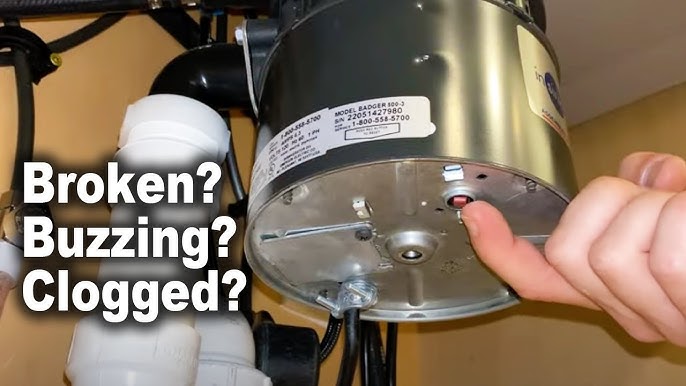
A disposal that won’t start is a common problem. Check if it is plugged in properly. Look for a reset button, often red, under the unit. Pressing it can restore power. Sometimes, the circuit breaker trips and needs resetting. Power issues are usually easy to fix.
Unusual Noises
Strange sounds can signal a problem inside the disposal. Grinding or rattling noises suggest something hard is stuck. Turn off the unit and use tongs to remove the object. Avoid using your hands. Humming noises might mean the motor is jammed. Press the reset button and try again.
Leaks And Drips
Leaks under the sink are signs of loose connections or worn seals. Check the mounting assembly and drain pipe for tightness. Replace worn gaskets or seals to stop leaks. Water pooling under the unit can damage cabinets if ignored. Early detection saves money and trouble.
Clogs And Slow Drainage
Slow drainage or clogs happen when too much food waste builds up. Avoid putting fibrous or starchy foods down the disposal. Use plenty of cold water during operation. To clear clogs, use a plunger or a plumber’s snake. Chemical drain cleaners can harm the disposal, so avoid them.
Credit: www.reddit.com
Basic Troubleshooting Steps
Basic troubleshooting steps can help fix many common Insinkerator garbage disposal issues. These steps are simple and safe to try before calling a professional. Following them can save time and money. Most problems happen because of power issues or minor jams. Knowing how to reset the unit, check power, and clear jams will keep your disposal running smoothly.
Resetting The Disposal
Locate the red reset button on the bottom of the disposal unit. Press it firmly to reset the motor. This step often fixes the problem if the disposal has stopped working. Wait a few minutes after pressing the button. Try turning on the disposal again. Sometimes the motor overheats and trips the reset button.
Checking The Power Source
Make sure the disposal is plugged in securely. Check the circuit breaker or fuse box for any tripped breakers. Power interruptions can cause the disposal to stop working. Test the wall switch that controls the disposal. Replace the switch if it feels loose or does not click properly. Confirming the power source is working avoids unnecessary repairs.
Using The Hex Wrench
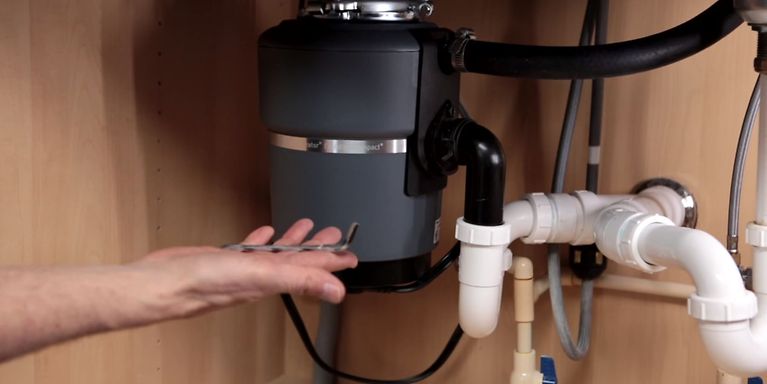
Find the hex wrench that came with your Insinkerator. Insert it into the hole at the bottom center of the disposal. Turn the wrench back and forth to manually rotate the blades. This action can free up stuck parts inside the disposal. Always turn the wrench gently to avoid damage. Using the wrench helps clear jams without taking apart the unit.
Clearing Minor Jams
Turn off the power before trying to clear jams. Use tongs or pliers to remove visible debris inside the disposal. Avoid using your hands to prevent injury. Small objects like bones or fruit peels often cause jams. Run cold water while testing the disposal after clearing the blockage. This step helps flush out any remaining debris.
Fixing Leaks And Seals
Fixing leaks and seals in your Insinkerator garbage disposal helps stop water damage and keeps your kitchen clean. Small leaks often start around seals or connections. Finding these leaks early prevents bigger problems.
Identifying Leak Sources
Check under the sink for water drops or puddles. Look at the disposal’s joints and around the sink flange. Leaks often show up near the drain pipe or power cord area. Watch for moisture on the mounting ring or dishwasher hose connection.
Replacing Gaskets And Seals
Turn off the power before touching the disposal. Remove the unit carefully to reach the seals. Old gaskets can crack and wear out over time. Swap them with new ones from the store. Use plumber’s putty on the sink flange for a tight seal. Make sure everything fits snugly without gaps.
Tightening Connections
Loose fittings cause many leaks. Use a wrench to tighten bolts and nuts around the disposal. Check the drain pipes and dishwasher hose clamps too. Do not overtighten, as this can crack parts. Tighten just enough to stop water from dripping.
Preventing Future Problems
Preventing future problems with your Insinkerator garbage disposal saves time and money. Simple care and proper use keep it running smoothly. Avoiding damage extends the life of your appliance. Follow these tips for easy prevention.
Proper Usage Tips
Only put soft food scraps in the disposal. Avoid bones, coffee grounds, and fibrous vegetables. Run cold water while the disposal is on. Cold water helps solidify grease and flush debris. Turn off the disposal after grinding stops. Do not overload the unit with too much waste.
Regular Maintenance Routines
Clean the disposal every week to prevent buildup. Use a brush or ice cubes and salt to scrub the blades. Pour baking soda and vinegar to remove odors. Run cold water for about 30 seconds after use. Check for leaks or loose parts monthly. Tighten any loose screws or fittings promptly.
Avoiding Common Mistakes
Never pour grease or oil down the disposal. Avoid grinding hard objects like glass or plastic. Do not use harsh chemicals or drain cleaners. Avoid running the disposal without water. Do not force the disposal if it jams. Use the reset button instead of tapping the blades with tools.
When To Call A Professional
Knowing when to call a professional for your Insinkerator garbage disposal saves time and avoids damage. Some problems need expert help to fix safely and correctly. Understanding the signs and risks helps you decide the right moment to get a technician involved.
Signs Of Major Damage
Major damage shows up as loud noises or strange smells. If the disposal won’t turn on after resetting, it may have electrical issues. Leaks under the sink or water pooling inside the unit signal serious problems. Bent or broken parts inside the disposal need expert repair. Strange grinding or a burning smell means do not use it anymore. These signs mean it is time to call a professional.
Safety Considerations
Garbage disposals have sharp blades and electrical parts. Trying to fix big issues can cause injury or shocks. Always turn off the power before doing small checks. Avoid putting hands inside the disposal. Professionals use tools to safely remove jams or broken pieces. Leaving dangerous problems alone lowers risks and protects your home.
Finding A Qualified Technician
Choose a technician with experience in Insinkerator units. Check reviews and ask for recommendations from friends or family. Licensed plumbers or appliance repair experts often handle disposals. Verify their credentials and ask about service guarantees. Hiring the right professional ensures your disposal gets proper care and lasts longer.
Credit: www.insinkerator.com
Frequently Asked Questions
How Do I Reset My Insinkerator Garbage Disposal?
Locate the red reset button under the unit. Press it firmly until it clicks. This often fixes minor jams or overloads.
Why Is My Garbage Disposal Humming But Not Working?
A humming sound means the motor is stuck. Turn off power and check for objects blocking the blades. Use a wrench to free the jam.
What Causes A Garbage Disposal To Leak?
Leaks usually come from loose seals or cracked pipes. Inspect the unit’s connections under the sink for water. Tighten or replace faulty parts.
How Can I Unclog My Insinkerator Disposal Safely?
Turn off the power before working on the unit. Use a hex wrench in the bottom hole to rotate the blades. Avoid using chemical drain cleaners.
Why Won’t My Garbage Disposal Turn On?
Check if the unit is plugged in and the circuit breaker is on. Press the reset button if it has tripped. Replace a faulty switch if needed.
What Foods Should I Avoid Putting In My Disposal?
Avoid fibrous, starchy, or hard items like potato peels, celery, and bones. These can clog or damage the disposal blades. Stick to soft, small scraps only.
Conclusion
Troubleshooting your Insinkerator garbage disposal can save time and money. Simple steps often fix common problems quickly. Always turn off power before starting any repairs. Keep the disposal clean to avoid clogs and odors. Small tools like an Allen wrench help clear jams easily.
Regular care extends the life of your unit. Follow these tips to keep your kitchen running smoothly. Don’t let minor issues turn into big repairs. Stay calm and take one step at a time. Your disposal will work well again soon.