
Are you having trouble with your Mitsubishi mini split? It can be frustrating when your cooling or heating system isn’t working right.
But don’t worry—you’re not alone, and most issues can be fixed without a costly service call. In this guide, you’ll find simple steps to quickly identify and solve common problems with your Mitsubishi mini split. By the end, you’ll feel confident handling your unit and keeping your home comfortable all year round.
Keep reading to discover easy solutions that save you time and money.

Credit: www.richaircomfort.com
Common Mini Split Issues
Mitsubishi mini splits offer great comfort but can face common issues. Recognizing these problems early helps keep your system running smoothly. Simple fixes often solve many troubles without calling a technician.
Understanding the usual problems prepares you to act fast. Let’s explore common mini split issues and their signs.
No Cooling Or Heating
The unit runs but does not cool or heat the room. Check the thermostat settings first. Dirty filters or blocked vents can reduce airflow. Low refrigerant levels may cause poor performance. Sometimes, the outdoor unit is dirty or obstructed. These issues stop proper temperature control.
Unit Won’t Turn On
Press the power button, but nothing happens. This can be a power supply problem. Check the circuit breaker or fuse box. Remote control batteries might be dead. A faulty control board can prevent startup. Loose wiring inside the unit also causes power failure.
Strange Noises
Unusual sounds come from the indoor or outdoor unit. Rattling may mean loose parts or debris inside. Humming could signal an electrical issue. Clicking noises are often from the compressor or fan motor. Strange sounds warn of mechanical or electrical problems.
Water Leaks
Water drips from the indoor unit or around the base. Clogged drain lines cause water to back up. Dirty filters reduce airflow, causing ice to form and melt. Incorrect installation can lead to poor drainage. Leaks damage walls and floors if ignored.
Remote Control Problems
The remote does not work or responds slowly. Weak batteries are the most common cause. Dirty remote sensor or blocked line of sight reduce signal. The remote may need resetting or replacement. Sometimes, the unit’s receiver has a fault.
Checking Power And Settings
Checking the power and settings is the first step in troubleshooting your Mitsubishi mini split. Problems often start here. Confirming power and settings helps find simple issues fast. This saves time and avoids unnecessary repairs.
Inspecting The Power Supply
Check if the unit is plugged in securely. Look for tripped breakers in the electrical panel. Reset any tripped breakers before testing the system again. Ensure the power switch near the mini split is turned on. Loose or damaged wires can cause power loss. Call a professional if wiring looks faulty.
Verifying Thermostat Settings
Make sure the thermostat is set to the correct mode. Cooling mode for summer, heating for winter. Set the temperature lower than the room temperature for cooling. Check if the fan speed is on auto or a fixed setting. Wrong thermostat settings can stop the unit from working well.
Resetting The System
Turn off the mini split and unplug it from the power source. Wait about five minutes to allow the system to reset. Plug the unit back in and switch it on. This can clear minor errors or glitches. A reset often restores normal operation quickly.
Cleaning And Maintenance Tips
Keeping your Mitsubishi mini split clean and well-maintained helps it run smoothly. Regular care prevents common issues and improves air quality. Simple steps can extend your system’s life and save energy.
Cleaning Air Filters
Dirty air filters block airflow and reduce cooling. Remove filters gently from the indoor unit. Wash them with warm water and mild soap. Let them dry completely before reinstalling. Clean filters every two weeks during heavy use.
Clearing The Condensate Drain
Clogged drains cause water leaks and mold growth. Check the drain line for dirt or blockages. Use a wet-dry vacuum or compressed air to clear it. Flush the drain with a mixture of water and vinegar. Do this every few months to keep water flowing.
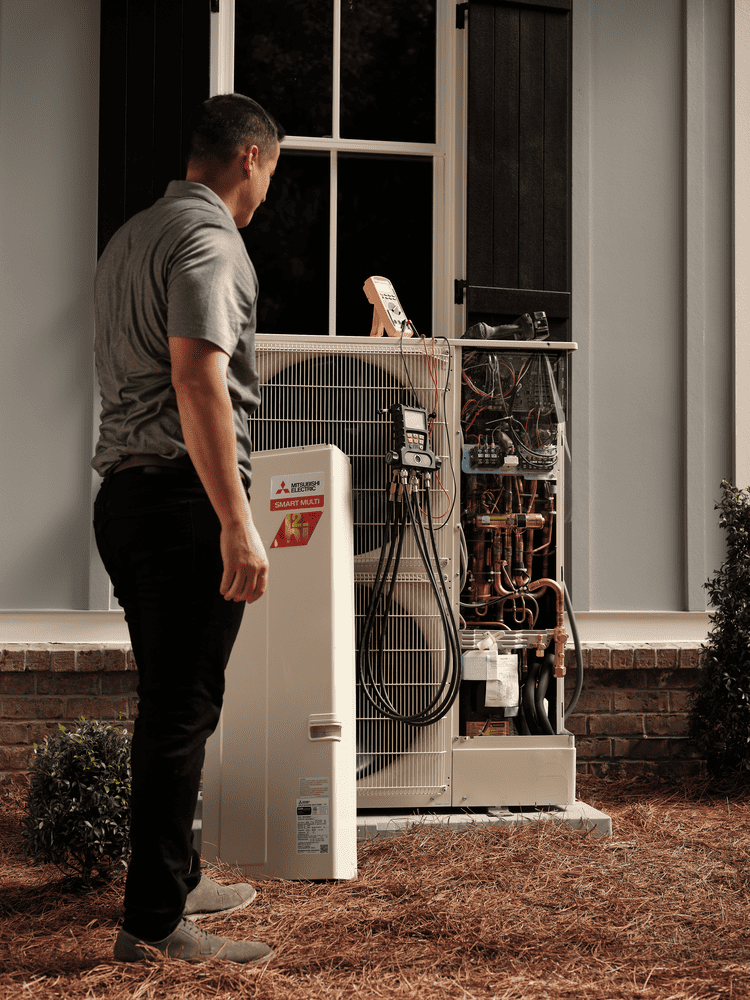
Checking Outdoor Unit
Outdoor units collect dirt and leaves over time. Turn off the power before inspection. Remove debris around the unit carefully. Clean the fins with a soft brush or garden hose. Make sure nothing blocks airflow around the unit. Check this monthly for best results.
Credit: www.richaircomfort.com
Fixing Refrigerant And Airflow Issues
Fixing refrigerant and airflow problems is key for a well-working Mitsubishi mini split. These issues affect cooling and heating performance. Proper care helps save energy and avoids costly repairs.
Refrigerant leaks lower efficiency and cool air output. Blocked airflow causes uneven temperatures and system strain. Adjusting fan speeds improves comfort and system health.
Identifying Refrigerant Leaks
Look for oily spots on pipes or near coils. Low refrigerant causes the unit to freeze or not cool well. Listen for hissing sounds from the lines. A drop in cooling power often signals a leak. Call a professional for repair and refilling refrigerant safely.
Improving Airflow Blockages
Check filters and clean or replace them regularly. Dust and dirt clog filters and reduce airflow. Clear debris around outdoor units. Remove any plants or objects blocking vents. Clean the indoor unit’s coils gently. Good airflow keeps your system running smoothly.
Adjusting Fan Speeds
Use the remote or control panel to change fan speeds. Higher speeds increase air circulation but may use more power. Lower speeds save energy but cool slower. Choose the right fan speed for your comfort and room size. Adjusting fan speed helps balance cooling and noise levels.
Dealing With Error Codes
Dealing with error codes on your Mitsubishi mini split can feel confusing. These codes help identify problems quickly. Understanding what the codes mean saves time and avoids costly repairs. Most issues have simple fixes you can do yourself. Knowing how to read and reset error codes keeps your system running smoothly.
Common Mitsubishi Error Codes
Mitsubishi mini splits show error codes on the display or remote. Each code points to a specific problem. For example, code “E1” usually means a sensor issue. Code “E5” might signal a fan problem. Some codes warn about low refrigerant or freezing coils. Knowing common codes helps you act fast. You can check the user manual for detailed explanations of each code.
How To Reset Error Codes
Resetting error codes often fixes minor issues. Start by turning off the mini split. Wait about five minutes. Turn the system back on. Many error codes clear this way. If the code stays, try unplugging the unit for a few minutes. Some models have a reset button on the remote or unit. Press and hold it for a few seconds. Resetting won’t fix serious problems but helps with small glitches. Always check the error code before resetting.
When To Call A Professional
Knowing when to call a professional for your Mitsubishi mini split saves time and prevents damage. Some problems need special tools and skills. Trying repairs beyond your knowledge can cause more issues. Here are signs that you should get expert help.
Complex Repairs
Complex repairs involve parts inside the unit. Tasks like fixing the compressor or fan motor need experience. These parts are delicate and costly. A professional has the right tools and training to fix them safely.
Refrigerant Handling
Refrigerant is a chemical that cools the air. Handling it requires special equipment and certification. Leaking or adding refrigerant yourself can be dangerous. Professionals know how to manage refrigerants without harming the system or environment.
Electrical Problems
Electrical issues include wiring and control board faults. Such problems can cause shocks or fire hazards. Diagnosing and fixing electrical parts need skill and care. A licensed technician can safely repair these components and ensure your unit runs smoothly.
Credit: www.alliancecc.com.au
Frequently Asked Questions
How Do I Reset My Mitsubishi Mini Split Unit?
To reset, turn off the unit and unplug it for 5 minutes. Then, plug it back in and turn it on. This can clear minor errors.
Why Is My Mitsubishi Mini Split Not Cooling Properly?
Check the air filter for dirt or blockage. Dirty filters reduce airflow and cooling. Also, ensure the thermostat is set correctly.
What Causes The Mitsubishi Mini Split To Freeze Up?
Frozen coils often result from low refrigerant or poor airflow. Clean filters and check for blockages. Call a technician if freezing continues.
How Do I Troubleshoot A Mitsubishi Mini Split Error Code?
Look up the error code in the user manual. Follow the recommended steps for that specific code. Contact support if the error persists.
Why Is My Mitsubishi Mini Split Making Strange Noises?
Noises can come from loose parts or debris in the unit. Tighten any loose screws and clean the outdoor unit. Persistent noise needs professional help.
How Often Should I Clean My Mitsubishi Mini Split Filters?
Clean filters every 2 to 4 weeks during heavy use. Regular cleaning keeps airflow strong and improves efficiency. Use a vacuum or wash with water.
Conclusion
Troubleshooting your Mitsubishi mini split can save time and money. Start with simple checks like power supply and filter cleanliness. Small fixes often solve common problems quickly. Remember to read the user manual for specific tips. Regular maintenance keeps the unit running smoothly.
Don’t ignore warning signs like strange noises or poor cooling. Acting early prevents bigger issues later. Stay calm and follow clear steps. Your mini split can work well for years with proper care. Keep this guide handy whenever you need help.