
Is your water worker pressure tank acting up and leaving you frustrated? When your pressure tank doesn’t work right, it can disrupt your water flow and cause all kinds of headaches.
But don’t worry—you don’t have to be an expert to fix it. In this guide, you’ll learn simple steps to troubleshoot common problems with your pressure tank. By the end, you’ll know exactly what to check and how to get your system running smoothly again.
Keep reading, because solving your pressure tank issues is easier than you think!
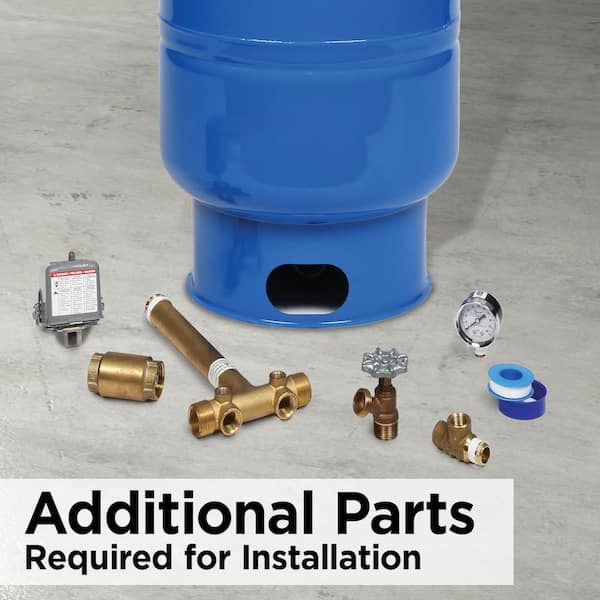
Credit: www.homedepot.com
Common Pressure Tank Issues
Pressure tanks play a vital role in water systems. They maintain steady water pressure and protect the pump from damage. Problems with these tanks can cause water supply issues and pump failures. Knowing common pressure tank issues helps solve them fast. Here are some frequent problems and how to recognize them.
No Water Pressure
No water pressure often means the tank is not working properly. The tank may be empty or have a burst bladder inside. This stops the tank from holding pressure. Sometimes, the air charge inside the tank is too low. Check the tank’s pressure with a gauge to find the cause.
Tank Leaks
Leaks in the tank cause water loss and pressure drops. Look for wet spots or rust on the tank surface. Leaks can happen at pipe connections or the tank body. Small leaks can worsen quickly. Repair or replace the tank to avoid bigger problems.
Pump Cycling Frequently
Frequent pump starts and stops is a sign of tank trouble. The tank may be waterlogged or have low air pressure. This makes the pump work harder and shortens its life. A well-functioning tank should keep the pump running less often.
Waterlogged Tank Symptoms
A waterlogged tank feels heavy and cold. You may hear the pump turning on and off rapidly. Water pressure drops quickly after use. Tapping the tank sounds solid, not hollow. These signs mean the tank’s air cushion is gone. Fixing air pressure can solve this issue.
Tools Needed For Troubleshooting
Troubleshooting a water worker pressure tank needs the right tools. These tools help find and fix problems quickly. Using proper equipment makes the job safer and easier. Below are the essential tools for this task.
Pressure Gauge
A pressure gauge measures the tank’s water pressure. It shows if the pressure is too high or low. You can check if the tank holds the correct pressure. This tool helps find leaks or air loss inside the tank.
Air Compressor Or Pump
An air compressor or pump adds air to the tank. Maintaining the right air level keeps the tank working well. You need this tool to adjust pressure or refill air in the tank’s bladder. It helps restore normal tank function.
Wrenches And Screwdrivers
Wrenches and screwdrivers remove or tighten tank parts. They help open valves, remove fittings, or check connections. These tools allow access to the tank’s inside for repairs. Having different sizes fits various nuts and screws.
Leak Detection Tools
Leak detection tools find water or air leaks in the tank. Simple soapy water spray shows bubbles on leaks. More advanced tools use sound or pressure tests. Detecting leaks early prevents bigger damage and water waste.
Checking Air Charge In The Tank
Checking the air charge in a water worker pressure tank is key to keeping it working well. The air charge helps balance water pressure and stops the pump from turning on too often. Low or high air pressure can cause problems like water surges or pump damage.
Regularly checking the air charge helps find issues early. This keeps your water system running smoothly and saves money on repairs. The process is simple and needs only a few steps.
Locating The Air Valve
The air valve is usually on top of the pressure tank. It looks like a small tire valve. This valve is where you check and add air. Clean around the valve before checking to avoid dirt entering the tank.
Measuring Air Pressure
Use a tire pressure gauge to measure the air pressure. Press the gauge onto the valve stem for a clear reading. The ideal air pressure is usually 2 psi below the pump cut-in pressure. Check your tank’s manual for the exact number.
Adjusting Air Pressure Correctly
Add air with an air compressor or hand pump if the pressure is low. Remove air by pressing the valve core if the pressure is too high. Always check the pressure again after adjusting. Avoid overfilling to protect your tank and pump.
Inspecting The Bladder Or Diaphragm
The bladder or diaphragm inside a water worker pressure tank controls water pressure. It separates water from the air cushion inside the tank. Proper inspection helps find issues early. This can prevent tank failure and water problems.
Check the bladder or diaphragm regularly. Look for damage or wear signs. Early detection saves time and money. Follow simple steps to inspect, test, and replace parts if needed.
Signs Of A Ruptured Bladder
A ruptured bladder causes water pressure problems. The tank may feel heavy or waterlogged. Water may leak inside the tank. You might hear strange noises when the pump runs. The pump may cycle on and off too often. These signs suggest the bladder needs checking.
Testing Bladder Integrity
Turn off the power to the pump before testing. Drain the tank completely. Press the tank’s air valve to check air pressure. Use a pressure gauge for accuracy. If the pressure is too low or absent, the bladder may be damaged. Another test is to shake the tank. If water sloshes inside, the bladder is likely ruptured.
Replacing The Bladder
Drain the tank fully before replacing the bladder. Remove the tank’s cover carefully. Take out the old bladder gently to avoid damage. Clean the inside of the tank. Insert a new bladder, making sure it fits tightly. Reassemble the tank and refill it with water. Check the air pressure again and adjust if needed. Restore power and test the system for proper operation.
Fixing Frequent Pump Cycling
Frequent pump cycling can damage your water system. It wastes energy and shortens pump life. Fixing this problem is important for smooth water flow. This section helps you understand why the pump cycles too often. It also shows how to fix the issue step by step.
Identifying Causes
Check the pressure tank for waterlogging. A tank with no air cushion causes rapid cycling. Look for leaks in pipes or tank fittings. Leaks cause pressure drops, making the pump start often. Inspect the pressure switch for dirt or corrosion. Faulty switches send wrong signals to the pump.
Adjusting Pressure Switch Settings
Locate the pressure switch near the tank. Turn off the power before adjusting. Use a screwdriver to change cut-in and cut-out points. Set cut-in lower to reduce cycling. Set cut-out higher to allow longer pump runs. Small changes make a big difference.
Replacing Faulty Components
Replace a damaged pressure switch to stop false signals. Change the pressure tank if it’s waterlogged or rusted. Fix or replace leaking pipes and fittings. Use quality parts to ensure long-term reliability. Proper replacement reduces frequent cycling and saves energy.
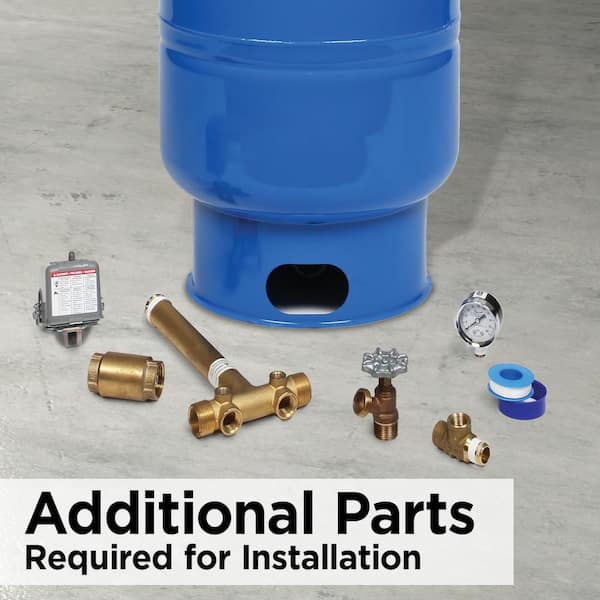
Credit: www.homedepot.com
Repairing Leaks And Corrosion
Leaks and corrosion in water worker pressure tanks can cause serious problems. These issues reduce tank efficiency and may lead to water damage. Fixing leaks and stopping corrosion early saves money and prevents bigger repairs.
Check the tank regularly for signs of wear. Small leaks can be easy to fix if caught early. Corrosion weakens the tank metal and can cause leaks to spread. Knowing how to spot and repair these problems keeps your system running smoothly.
Detecting Leak Sources
Look for wet spots around the tank base. Listen for dripping sounds near fittings and valves. Rust stains or water marks on the tank surface often show leak areas. Use a flashlight to inspect hidden parts carefully. Touch the tank to find cool, damp patches. Tracking leaks quickly helps prevent damage.
Temporary Leak Fixes
Use waterproof tape or pipe clamps for small leaks. Apply epoxy putty to seal cracks temporarily. These fixes stop leaks until you get a permanent repair. Turn off the water supply before applying any patch. Clean the area well before sealing. Temporary fixes reduce water loss and allow time to plan proper repairs.
When To Replace The Tank
Replace the tank if leaks are large or frequent. Heavy corrosion or holes mean the tank is unsafe. Constant repairs may cost more than a new tank. A damaged tank can cause low water pressure or failure. Choose a new tank that fits your water needs and system size.
Maintenance Tips For Longevity
Maintaining your water worker pressure tank ensures it works well for years. Simple care steps prevent common problems and keep water pressure steady. Regular attention saves money on repairs and avoids water supply interruptions.
Regular Pressure Checks
Check the tank pressure every month. Use a pressure gauge to measure it. The pressure should match the pump’s cut-in setting. Low pressure can cause the pump to run often. High pressure might damage the tank. Adjust the air charge with a pump or release valve.
Preventing Tank Waterlogging
Waterlogging happens when the tank fills with water and no air. This stops the tank from working properly. To fix this, drain the tank completely. Then refill it with air to the right pressure. Test for leaks that cause waterlogging. Replace faulty parts quickly to keep air inside.
Seasonal Maintenance Steps
Before cold weather, drain the tank to prevent freezing. Check for rust or corrosion on the tank surface. Clean the tank area to avoid dirt buildup. In warm months, inspect the pressure switch and pipes. Tighten loose connections to avoid leaks. Keep the tank dry and protected from direct sun.
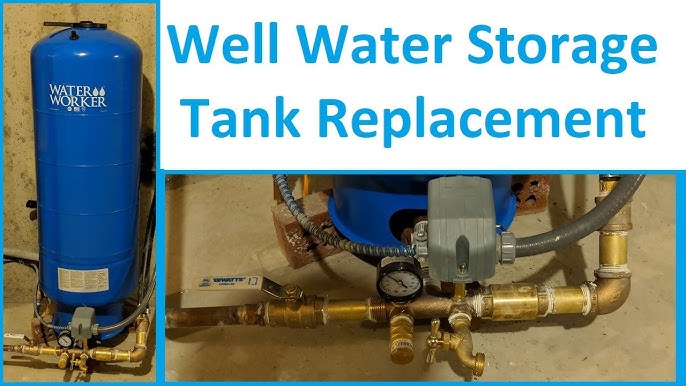
Credit: www.youtube.com
Frequently Asked Questions
What Causes Low Water Pressure In A Pressure Tank?
Low water pressure often results from air loss inside the tank or a faulty pressure switch. Checking for leaks and air charge can solve the issue quickly.
How Do I Check The Air Pressure In My Pressure Tank?
Use a tire pressure gauge on the tank’s air valve. The air pressure should be 2 psi below the pump cut-in pressure.
Why Is My Pressure Tank Waterlogged?
A waterlogged tank means too much water and not enough air inside. It happens when the air bladder fails or air leaks out.
How Can I Fix A Leaking Pressure Tank?
Turn off the pump and drain the tank first. Tighten fittings or replace damaged parts to stop leaks.
When Should I Replace My Water Pressure Tank?
Replace the tank if it shows rust, leaks, or constant pressure problems. A tank older than 7-10 years may need replacement.
What Is The Ideal Pressure Range For A Water Worker Tank?
Most water worker tanks work best between 30-50 psi. Keeping pressure in this range avoids pump damage and provides steady water flow.
Conclusion
Water worker pressure tanks need regular checks to work well. Watch for leaks, strange noises, or low water pressure. Fix small problems early to avoid bigger issues. Keep the tank clean and check the air pressure often. Simple steps help the tank last longer and save money.
Stay alert to signs of trouble and act quickly. This keeps your water system running smoothly every day.