
Are you having trouble with your American Standard automatic faucet? When your faucet stops working properly, it can be frustrating and inconvenient.
Whether it’s not turning on, water keeps running, or the sensor isn’t responding, you’re not alone. This guide will help you quickly identify and fix common issues with your automatic faucet. By understanding simple troubleshooting steps, you can save time and avoid costly repairs.
Keep reading, and you’ll have your faucet working smoothly again in no time.
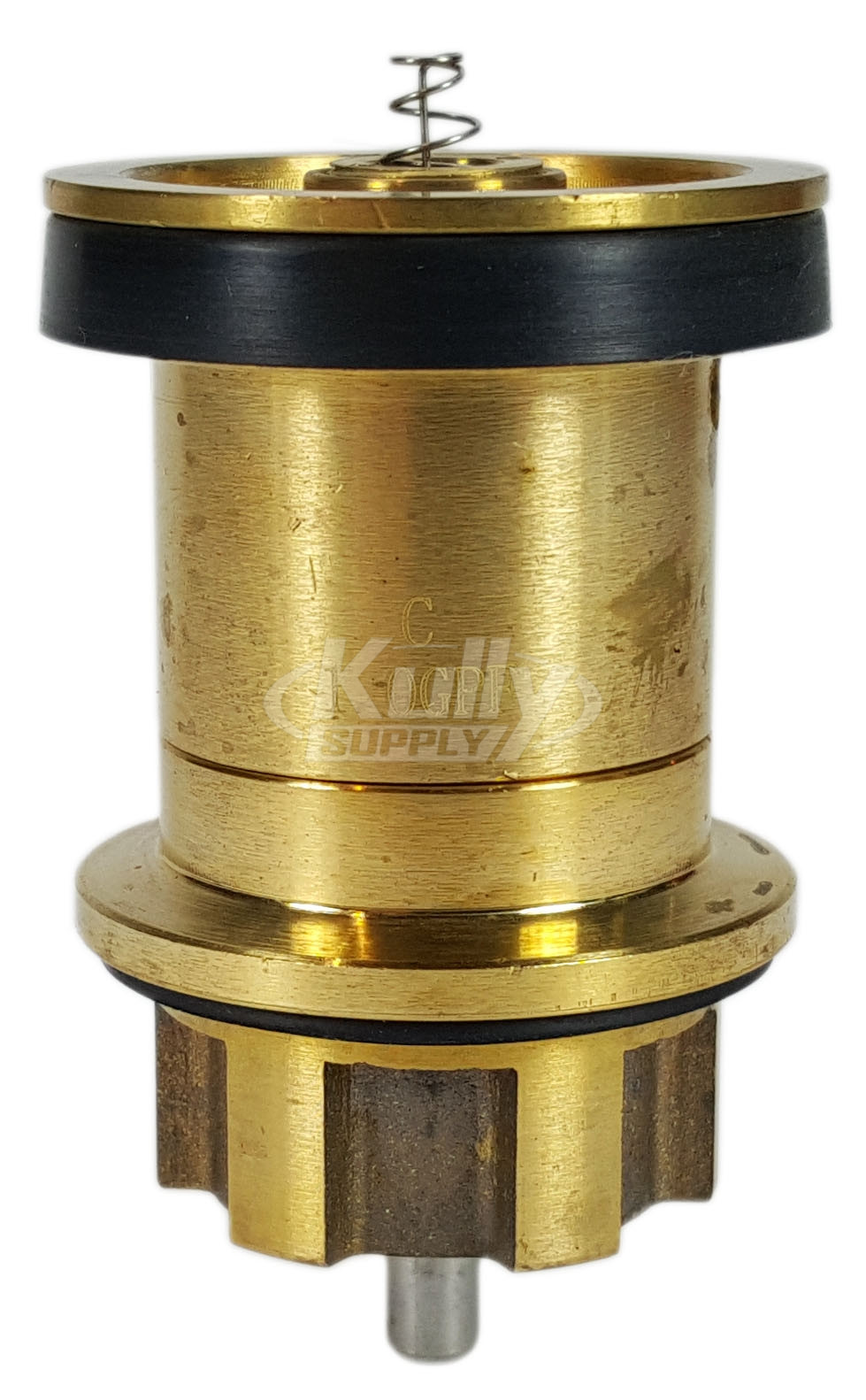
Credit: www.kullysupply.com
Common Faucet Issues
Automatic faucets from American Standard offer convenience and hygiene. Yet, they may face common problems. Knowing these issues helps in quick fixes. It saves time and avoids costly repairs.
Sensor Not Responding
The sensor may stop detecting your hand. Dirt or water on the sensor blocks its view. Batteries might be low or dead. Sometimes, wiring gets loose inside the faucet. Cleaning the sensor gently often solves this problem.
Water Flow Problems
Water flow can be too weak or stop suddenly. Clogged aerators or filters reduce water pressure. Sometimes, the water supply valve is partly closed. Mineral buildup inside the faucet also causes flow issues. Checking these parts helps restore normal flow.
Leaking Faucet
Leaks waste water and increase bills. Leaking often happens at the spout or base. Worn-out seals or gaskets cause drips. Loose connections can also lead to leaks. Replacing damaged parts usually stops the leak.
Inconsistent Water Temperature
The water temperature may change without warning. This happens if the mixing valve is faulty. Sudden cold or hot water bursts are signs. Sometimes, the heater or cold water supply has issues. Adjusting or replacing parts fixes temperature problems.
Credit: www.youtube.com
Basic Troubleshooting Steps
Troubleshooting an American Standard automatic faucet often starts with simple checks. These basic steps help find common problems fast. A few quick actions can restore faucet function without expert help.
Each step focuses on a key part of the faucet. These include power, sensors, and water flow. Taking time on these tasks avoids unnecessary repairs and costs.
Checking The Power Source
Begin by verifying the power supply. Automatic faucets usually run on batteries or an electrical adapter. Remove the battery cover and check if batteries are fresh. Replace old or weak batteries with new ones. For hardwired faucets, ensure the power connection is secure. Look for any tripped breakers or switches. Power issues often cause the faucet not to work.
Inspecting The Sensor
Next, examine the sensor area. Clean the sensor lens gently with a soft cloth. Dirt, dust, or water spots can block the sensor. Avoid harsh chemicals that may damage the sensor. Check if the sensor is loose or misaligned. Adjust it to face the sink basin directly. A faulty sensor prevents the faucet from turning on.
Cleaning The Aerator
The aerator controls water flow and can clog over time. Unscrew the aerator from the faucet spout carefully. Soak it in vinegar or a mild cleaner to remove mineral buildup. Use a soft brush to clear debris if needed. Rinse the aerator well before reinstalling. A blocked aerator reduces water pressure or stops flow entirely.
Resetting The Faucet
Resetting the faucet can clear minor errors. Turn off the water supply. Remove batteries or unplug the power source. Wait for about 30 seconds. Reinstall the batteries or reconnect power. Turn the water back on slowly. This process refreshes the faucet’s electronics and sensor. It often fixes small glitches without extra work.
Fixing Sensor Malfunctions
Sensor problems are common in American Standard automatic faucets. These issues stop the faucet from working properly. Fixing sensor malfunctions is often simple. Check the sensor and make small adjustments. It saves time and avoids costly repairs.
Replacing Batteries
Weak batteries often cause sensor failures. Open the battery compartment under the faucet. Remove old batteries carefully. Insert new batteries matching the correct size and type. Close the compartment securely. Test the faucet to see if the sensor works better.
Adjusting Sensor Range
Sensors have a set range to detect hands. Sometimes the range is too short or too long. Use the adjustment dial or buttons near the sensor. Increase or decrease the sensor’s detection distance. Test by moving your hand closer or farther. Set the range for smooth faucet activation.
Removing Sensor Obstructions
Dirty or blocked sensors can cause malfunction. Clean the sensor surface gently with a soft cloth. Remove any dirt, water spots, or soap scum. Check for objects blocking the sensor view. Clear away any obstructions. Test the faucet again to confirm the sensor works well.
Addressing Water Flow Issues
Water flow problems in American Standard automatic faucets can disrupt your daily routine. Low or no water flow might signal simple issues. Some fixes require just a few minutes and basic tools. Understanding common causes helps restore proper function quickly.
Clearing Clogged Filters
Filters can trap dirt and debris over time. This blockage lowers water pressure or stops flow. Remove the faucet aerator or filter screen carefully. Soak it in vinegar to dissolve mineral buildup. Rinse thoroughly with clean water before reinstalling. Regular cleaning prevents future clogs and keeps water flowing smoothly.
Checking Water Supply Valves
Water supply valves control flow to your faucet. Locate the valves under the sink. Ensure they are fully open to allow water through. Sometimes valves partially close after repairs or maintenance. Turn valves slowly to avoid damage. Confirm both hot and cold valves function properly for balanced flow.
Replacing Damaged Parts
Worn or broken components cause flow issues. Look for cracked hoses, damaged sensors, or faulty solenoid valves. Replace any defective parts with genuine American Standard replacements. Use a wrench or screwdriver for removal and installation. Proper parts ensure your faucet works reliably and efficiently.
Stopping Leaks
Stopping leaks in an American Standard automatic faucet saves water and prevents damage. Small drips can waste a lot over time. Fixing leaks quickly keeps your faucet working well and avoids higher water bills.
Tightening Connections
Loose connections cause many faucet leaks. Check all visible nuts and bolts under the sink. Use a wrench to gently tighten them. Do not overtighten, or parts may break. Tight connections stop water from escaping at joints.
Replacing Seals And Washers
Worn seals and washers lead to dripping faucets. Turn off the water supply before starting. Remove the faucet handle and cartridge to access seals. Replace old seals with new ones matching your model. Fresh seals create a tight barrier to stop leaks.
Identifying Internal Damage
Internal damage inside the faucet can cause leaks too. Look for cracks or worn parts in the valve and cartridge. Damage may need professional repair or replacement. Testing the faucet after repairs ensures leaks have stopped completely.

Credit: www.americanstandard-us.com
Maintaining Your Faucet
Maintaining your American Standard automatic faucet helps keep it working well. Regular care stops common issues. It also saves money on repairs. Simple steps extend your faucet’s life.
Regular Cleaning Tips
Clean the sensor area gently with a soft cloth. Avoid harsh chemicals that can damage the surface. Use mild soap and warm water for best results. Clean the aerator to remove mineral buildup. This improves water flow and prevents clogging. Wipe down the faucet body weekly to keep it shiny.
Scheduled Part Replacements
Replace batteries every six months to ensure sensor function. Check the sensor and solenoid valve for wear yearly. Replace worn parts to avoid leaks and malfunctions. Keep spare parts handy for quick fixes. Use parts made for American Standard faucets only.
Preventing Future Problems
Do not force the faucet handle or sensor. Avoid spraying water directly on the sensor. Fix leaks promptly to prevent damage. Avoid using abrasive cleaners or tools on the faucet. Regularly inspect the faucet for signs of wear. Early attention stops small problems from growing.
When To Call A Professional
Knowing when to call a professional for your American Standard automatic faucet is key. Some issues look simple but need expert care. Calling the right person saves time and money. It also prevents damage to your faucet and plumbing.
Complex Repairs
Some faucet problems need special tools and skills. Complex repairs include fixing internal sensors or replacing electronic parts. These tasks can be tricky and require experience. Trying to fix these issues yourself may cause more harm. Professionals have the right knowledge and equipment for these repairs.
Warranty Considerations
Your faucet may still be under warranty. Attempting repairs without proper knowledge can void this warranty. Professionals know how to handle warranty rules. They can fix your faucet without risking your coverage. Always check your warranty terms before making repairs.
Safety Precautions
Automatic faucets connect to water and electricity. These connections can be dangerous without proper care. A professional understands how to work safely with these systems. They reduce the risk of electric shock or water damage. Safety should always come first when dealing with repairs.
Frequently Asked Questions
Why Is My American Standard Automatic Faucet Not Turning On?
Check the sensor for dirt or blockage. Ensure the batteries or power supply are working. Reset the faucet if needed.
How Do I Fix A Leaking American Standard Automatic Faucet?
Inspect the valve and seals for damage or wear. Replace any faulty parts. Tighten all connections properly.
What Causes Inconsistent Water Flow In Automatic Faucets?
Clogged aerators or filters can reduce flow. Clean or replace these parts. Also, check water pressure levels.
How Can I Reset My American Standard Automatic Faucet?
Turn off the water supply. Remove batteries or disconnect power for 10 seconds. Reinstall and turn the water back on.
Why Does My Automatic Faucet Keep Running After I Move Away?
Sensor might be dirty or misaligned. Clean the sensor lens gently. Adjust the sensor position if needed.
How Often Should I Replace Batteries In An Automatic Faucet?
Batteries usually last 6 to 12 months. Replace them when water flow weakens or stops. Use recommended battery types only.
Conclusion
Troubleshooting your American Standard automatic faucet can save time and money. Simple checks often fix common issues like sensor problems or water flow. Regular cleaning keeps the faucet working smoothly. Remember to replace batteries when needed. Small steps prevent bigger repairs later.
Stay patient and follow the steps carefully. Your faucet will work well again soon. Maintenance helps avoid future trouble. Keep your faucet clean and check parts often. This way, you enjoy hassle-free use every day.