
Is your Dometic marine air conditioner acting up just when you need it most? Whether you’re battling unexpected heat on your boat or trying to enjoy a cool breeze on the water, a malfunctioning AC can quickly ruin your comfort.
But don’t worry—you don’t have to call for expensive repairs right away. In this guide, you’ll discover simple and effective troubleshooting tips that can help you identify and fix common problems with your Dometic marine air conditioner. Keep reading to take control of your boat’s climate and get back to enjoying smooth, cool sailing.
Common Issues With Dometic Marine Ac
Dometic marine air conditioners are popular for keeping boats cool and comfortable. Despite their reliability, these units can face some common problems. Knowing these issues helps boat owners fix problems fast and avoid bigger troubles.
Below are some frequent problems with Dometic marine AC units. Understanding these issues makes troubleshooting easier and saves time on repairs.
Unit Not Cooling
The AC runs but does not cool the air. This often happens because of dirty filters or blocked vents. Low refrigerant levels can also cause poor cooling. Check for any leaks or damage in the cooling system. Clean the filters regularly to maintain airflow.
Ac Won’t Turn On
The unit does not start even when switched on. This can result from blown fuses or tripped circuit breakers. Faulty wiring or a broken thermostat may also stop the AC from turning on. Test the power supply and reset any breakers. Inspect wires and connections for damage.
Water Leaks
Water dripping inside the boat is a common problem. Clogged drain lines or a blocked water pump can cause leaks. Loose fittings or cracked hoses may also lead to water escaping. Clear any blockages and tighten all connections. Replace damaged hoses to stop leaks.
Unusual Noises
Strange sounds coming from the AC may signal issues. Rattling or banging noises usually mean loose parts or debris inside the unit. A squealing noise could indicate a worn belt or motor problem. Turn off the unit and check for loose screws or foreign objects. Replace worn components as needed.
Electrical Problems
Electrical faults can cause the AC to behave erratically. Faulty switches, bad wiring, or corroded terminals often cause these issues. Moisture in electrical parts might also lead to shorts. Inspect all electrical connections carefully. Clean and secure terminals to ensure proper function.
Basic Checks Before Repair
Before starting any repair on your Dometic marine air conditioner, basic checks save time and effort. These checks help find simple problems that block the unit from working well. Many issues come from power, settings, or parts that need cleaning. Checking these first avoids costly repairs and keeps your AC running smoothly.
Power Supply And Fuses
Check if the air conditioner is getting power. Look at the main switch and breaker box. Make sure the breaker is not tripped. Inspect all fuses for any signs of damage or burn marks. Replace any blown fuses with the right type. Power problems are common causes of no cooling or no startup.
Thermostat Settings
Verify the thermostat is set to cool mode. The temperature setting should be lower than the room temperature. If it is set too high, the AC will not turn on. Check if the thermostat display is working and buttons respond. Faulty thermostat settings can stop the unit from starting or running efficiently.
Air Filters And Vents
Dirty air filters reduce airflow and cooling power. Remove and clean or replace filters regularly. Check vents for blockages or dust buildup. Clear any debris that limits airflow. Clean filters and vents help the unit cool better and last longer.
Inspecting Wiring Connections
Loose or damaged wires cause many air conditioner problems. Look inside the control panel and at connections. Tighten any loose wires and replace damaged ones. Check for corrosion or burnt areas. Safe and secure wiring ensures the unit runs without interruptions.
Troubleshooting Cooling Problems
Cooling problems with a Dometic marine air conditioner can make your boat uncomfortable. Troubleshooting these issues helps restore cool air fast. Simple checks often fix common problems. This section guides you through key steps to find and solve cooling troubles.
Cleaning Or Replacing Filters
Dirty or clogged filters block airflow. This reduces cooling performance. Remove the filters and inspect them closely. Clean reusable filters with water and mild soap. Let them dry fully before reinstalling. Replace filters that look damaged or worn out. Regular filter care keeps air flowing smoothly and cools better.
Checking Refrigerant Levels
Low refrigerant causes weak cooling or no cold air. Refrigerant leaks can happen over time. Use a gauge to check pressure levels. If low, add refrigerant designed for your unit. Be careful to follow safety guidelines. A professional technician should handle major refrigerant issues. Proper refrigerant levels ensure efficient cooling.
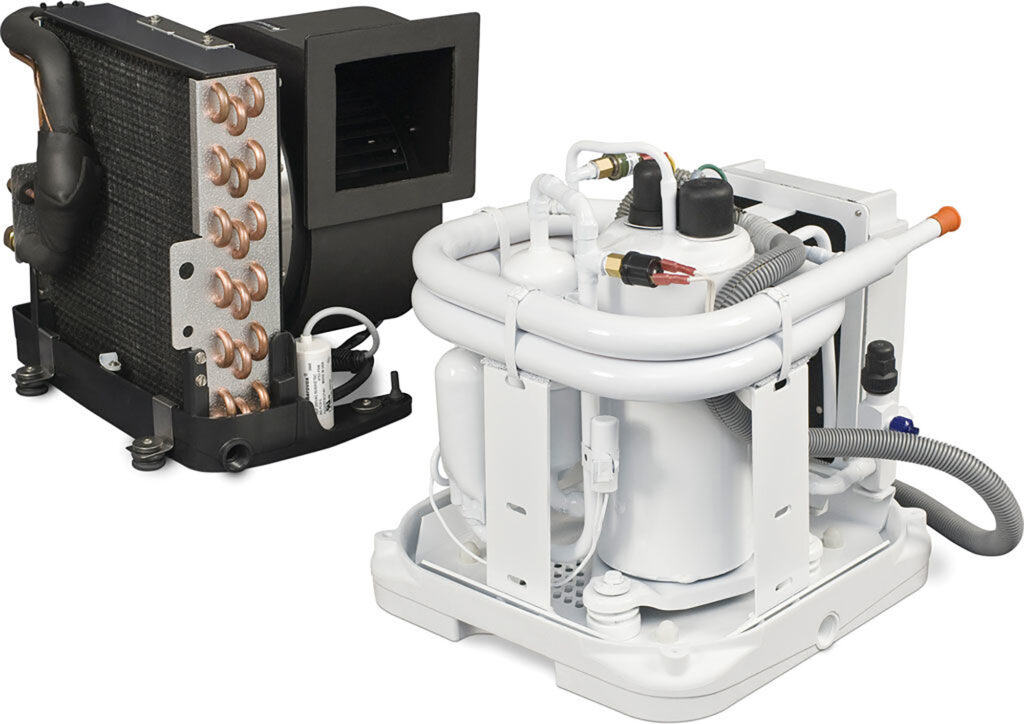
Examining Compressor Function
The compressor pumps refrigerant through the system. If it fails, the air conditioner stops cooling. Listen for unusual noises or vibrations. Check if the compressor turns on and off properly. Overheating or electrical faults may cause failure. Call a service expert for compressor repairs. A working compressor is essential for cool air.
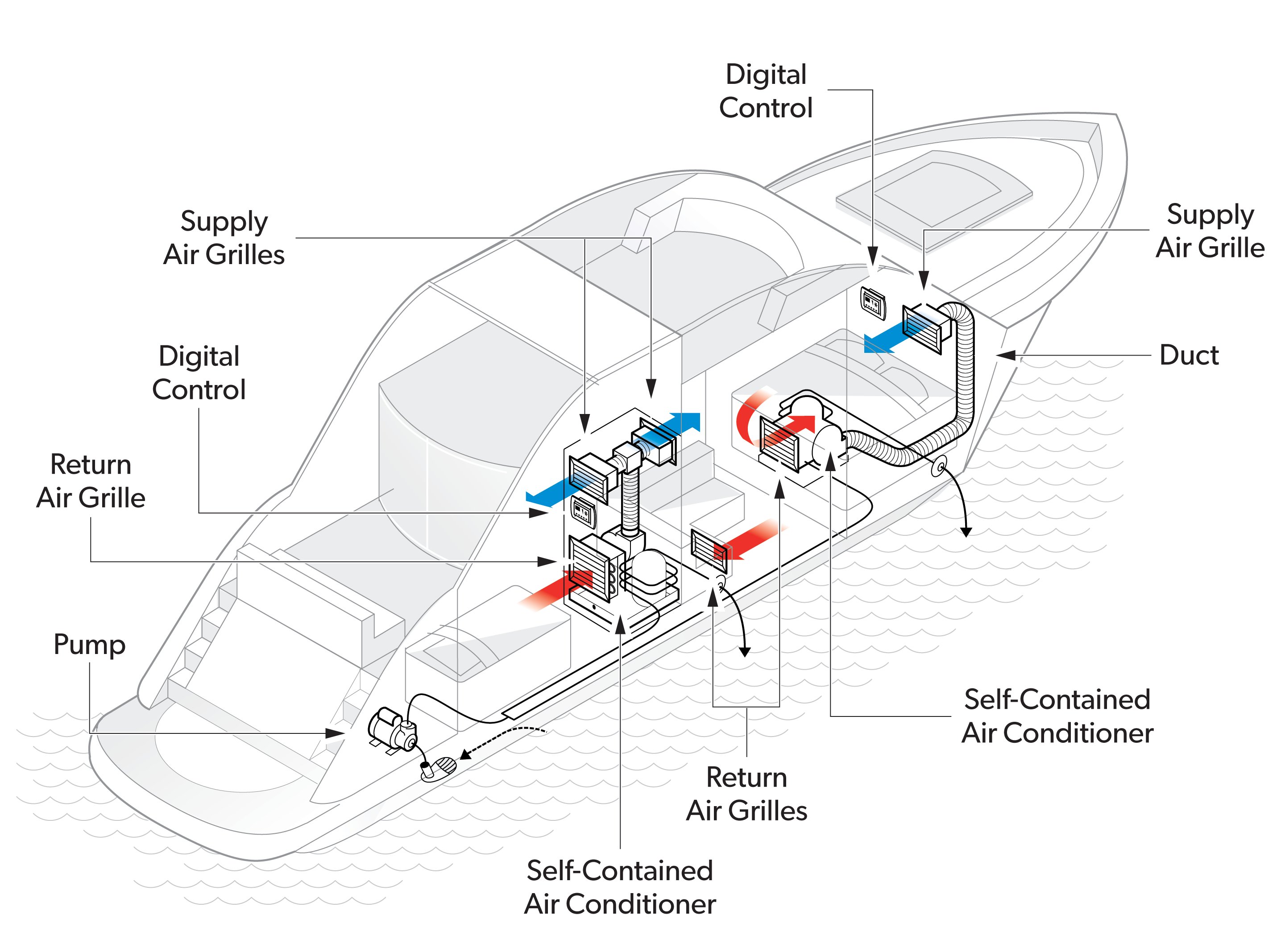
Ensuring Proper Airflow
Blocked vents or damaged fans reduce airflow. Inspect all vents and fan blades for dirt or obstructions. Clear any debris carefully. Make sure fans spin freely without noise. Proper airflow spreads cooled air evenly in your boat. Good airflow maximizes the air conditioner’s cooling power.
Credit: www.dometic.com
Fixing Water Leaks
Water leaks in your Dometic marine air conditioner can cause damage and discomfort. Fixing these leaks quickly protects your boat and keeps the air conditioner working well. Small leaks often come from common issues that you can check and fix yourself.
Clearing The Drain Line
The drain line removes water from the air conditioner. Blockages cause water to back up and leak inside. Use a small brush or compressed air to clear clogs. Run water through the line to check flow. Keep the drain line clean to prevent leaks.
Inspecting Condensate Pump
The condensate pump moves water out when gravity drainage is not possible. If it fails, water can build up and leak. Listen for pump noise to ensure it runs. Look for cracks or damage to the pump housing. Replace the pump if it does not work properly.
Sealing Around The Unit
Water can enter through gaps around the air conditioner. Check the seal between the unit and mounting surface. Use marine-grade sealant to close any cracks or holes. A tight seal stops water from leaking into your boat. Regular inspection keeps seals effective and leak-free.
Resolving Electrical Issues
Electrical problems often cause Dometic marine air conditioners to stop working. Troubleshooting these issues helps restore cool air quickly. Basic tools and safety steps are essential before starting any electrical checks.
Focus on key components like circuit breakers, relays, and control boards. Each part can cause the unit to fail. Testing these parts systematically saves time and money.
Testing Circuit Breakers
Circuit breakers protect the air conditioner from electrical overload. Begin by locating the breaker panel on your boat. Check if the breaker controlling the AC is tripped or off.
Reset the breaker by switching it off and then on again. Use a multimeter to test voltage if the breaker keeps tripping. No voltage or frequent trips indicate a faulty breaker that needs replacement.
Replacing Faulty Relays
Relays control the power flow to the air conditioner’s compressor and fan. Listen for clicking sounds when the unit tries to start. No click means the relay might be defective.
Remove the relay carefully and test it with a multimeter. If it shows no continuity, replace it with a new relay matching the model. Secure the new relay and test the AC unit again.
Checking Control Board
The control board acts as the brain of the air conditioner. Inspect it for burnt marks or loose wires. A damaged board often causes erratic behavior or no response.
Use a multimeter to check for power at the board terminals. Replace the board if it fails these tests. Always disconnect power before removing the control board to stay safe.
Credit: powerandmotoryacht.com
Dealing With Noisy Operation
Strange noises from your Dometic marine air conditioner can spoil your boat trip. Noisy operation may signal loose parts or worn components. Fixing these issues early keeps your system running smoothly and quietly.
Tightening Loose Parts
Loose screws and bolts cause rattling sounds. Use a screwdriver or wrench to check all fasteners. Tighten any that feel loose. Pay special attention to panels and mounting brackets. Secure parts reduce vibrations and noise.
Lubricating Moving Components
Dry moving parts create grinding or squeaking noises. Apply a small amount of lubricant to fan bearings and motor shafts. Use a light machine oil or silicone spray made for marine use. Lubrication helps parts move smoothly and quietly.
Replacing Worn Fans
Worn or damaged fans often produce buzzing or wobbling sounds. Inspect fan blades for cracks or warping. Replace the fan assembly if damaged. A new fan restores balance and stops noisy vibrations.
Preventive Maintenance Tips
Maintaining your Dometic marine air conditioner helps avoid many common problems. Regular care keeps the system running smoothly and extends its life. Small efforts now prevent costly repairs later.
Regular Cleaning Schedule
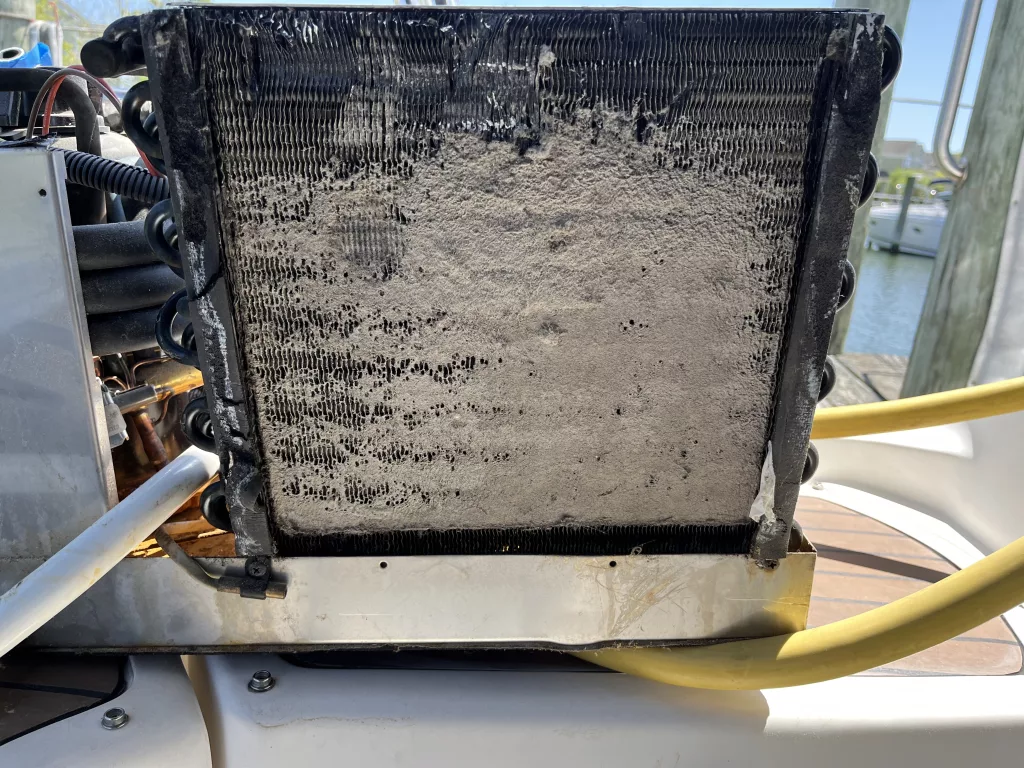
Clean the air filters every month. Dirty filters reduce airflow and lower cooling power. Use a soft brush or vacuum to remove dust. Wash the filters with mild soap and water. Let them dry completely before reinstalling. Clean the condenser coils twice a year. Remove debris and salt buildup carefully. A clean system cools better and uses less energy.
Seasonal Inspections
Check the unit before each boating season. Inspect all hoses and connections for leaks or cracks. Tighten loose clamps and replace worn parts. Look for signs of corrosion on metal parts. Test the thermostat and controls to ensure proper function. Run the air conditioner for a short time to listen for strange noises. Early detection of issues stops bigger problems.
Proper Storage Practices
Drain water from the system before storing the boat. Moisture inside can cause rust and mold. Cover the unit with a protective cover to keep out dust and dirt. Store the air conditioner in a dry, cool place if removed. Avoid leaving it in direct sunlight or damp areas. Good storage preserves the system’s condition during off-season.
Credit: boatac.net
Frequently Asked Questions
How Do I Reset My Dometic Marine Air Conditioner?
To reset, turn off the power for five minutes. Then, turn the unit back on to clear minor errors.
Why Is My Dometic Marine Ac Not Cooling Properly?
Check the air filter and clean or replace it. Also, inspect the refrigerant level and ensure proper airflow.
What Causes My Dometic Marine Ac To Leak Water?
Clogged drain lines or a blocked condensate pump often cause leaks. Clear blockages to stop water from leaking.
How Can I Fix The Dometic Marine Ac Fan Not Working?
Inspect the fan motor and wiring for damage. Replace faulty parts or reset the unit if needed.
Why Does My Dometic Marine Ac Keep Shutting Off?
Thermostat issues or overheating can cause shutdowns. Make sure vents are clear and the thermostat is set correctly.
What Maintenance Is Needed For A Dometic Marine Air Conditioner?
Regularly clean filters, check drain lines, and inspect electrical connections. Routine care prevents common problems and extends lifespan.
Conclusion
Dometic marine air conditioners keep your boat cool and comfortable. Small issues can stop them from working well. Check power, filters, and settings regularly. Clean parts help the system run smoothly. Troubleshooting saves time and money. Follow simple steps for quick fixes.
Stay calm and patient during repairs. Proper care extends your air conditioner’s life. Enjoy cooler trips with less hassle. Keep this guide handy for easy reference.