
Are you tired of that sharp pain along your shin every time you run or walk? Shin splints can stop you from doing what you love and make simple activities painful.
But you don’t have to live with this discomfort. You’ll discover easy and effective ways to fix shin splints so you can get back on your feet without pain. Keep reading to find out how to heal faster, prevent future pain, and enjoy your favorite activities again.
Your journey to pain-free movement starts here.
Causes Of Shin Splints
Shin splints cause pain along the shin bone. Many runners and active people suffer from it. Understanding the causes helps prevent and treat this problem. Below are key reasons why shin splints occur.
Overuse And Repetitive Stress
Repeated stress on the shin bone and muscles leads to tiny injuries. Running or walking long distances without rest can cause this. The muscles and bones don’t get time to heal. This constant pressure results in pain and inflammation.
Improper Footwear
Wearing shoes that lack support or cushioning affects your feet. Old or worn-out shoes fail to absorb shock well. This increases the impact on your shins. Choosing the right shoes helps reduce strain and prevent injuries.
Poor Running Technique
Bad form puts extra pressure on your lower legs. Landing heavily on your heels or running unevenly can cause pain. Good technique distributes force evenly and protects your shins. Learning proper running form reduces the risk of shin splints.
Muscle Imbalances
Weak or tight muscles in your legs change how you move. Some muscles work harder than others, stressing the shin area. Stretching and strengthening all leg muscles keeps balance. Balanced muscles support your bones and reduce injury chances.
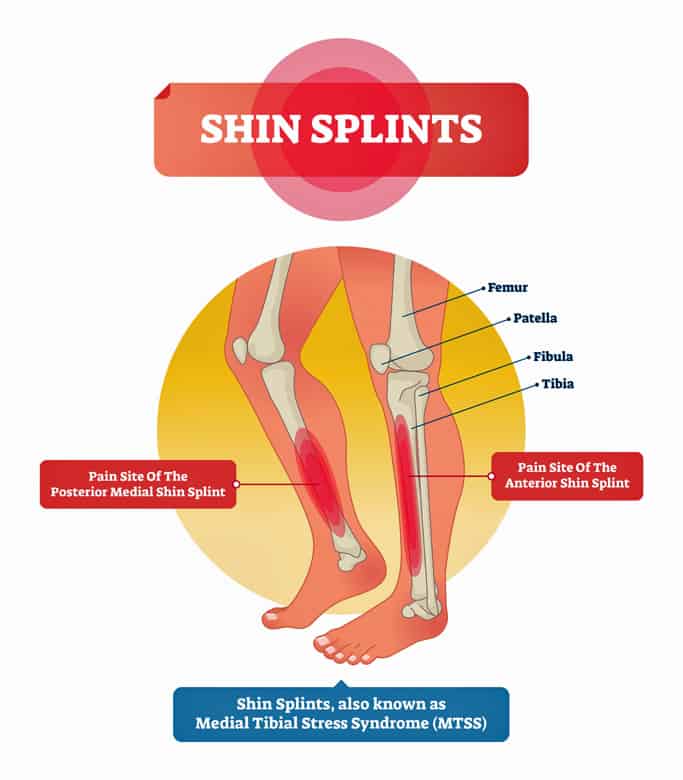
Credit: www.thespeedproject.com
Recognizing Shin Splints
Shin splints cause pain along the front or inner part of the lower leg. This pain often starts after physical activity, especially running or jumping. Recognizing shin splints early helps prevent more serious injuries. Understanding the symptoms and knowing when to see a doctor is important.
Common Symptoms
Pain along the shin bone is the main symptom. The pain can be sharp or dull. It usually appears during or after exercise. The area around the shin may feel sore or tender. Swelling can happen but is usually mild. Pain often lessens with rest but returns with activity. Sometimes the skin over the shin feels warm or tight.
When To Seek Medical Help
See a doctor if the pain is severe or lasts more than a few weeks. Medical help is needed if swelling increases or bruising appears. Difficulty walking or putting weight on the leg requires immediate attention. If pain happens even at rest, do not ignore it. A doctor can check for other problems like stress fractures. Early treatment helps avoid long-term damage and speeds recovery.
Immediate Pain Relief
Shin splints cause sharp pain along the lower leg. Immediate pain relief helps reduce discomfort and prevent further injury. Simple steps can ease the pain quickly.
Rest And Activity Modification
Stop activities that cause pain. Give your legs time to heal. Avoid running or jumping for a few days. Switch to low-impact exercises like swimming or cycling. Rest reduces stress on your shin bones and muscles.
Cold Therapy
Apply ice packs to the painful area. Use ice for 15 to 20 minutes every few hours. Cold reduces swelling and numbs the pain. Wrap ice in a cloth to protect your skin. Avoid applying ice directly to the skin.
Compression And Elevation
Wear a compression sleeve or bandage on your lower leg. Compression helps reduce swelling and supports muscles. Elevate your leg above heart level while resting. Elevation helps drain excess fluid and eases pain.

Credit: www.youtube.com
Long-term Treatment Strategies
Long-term treatment strategies help prevent shin splints from returning. They focus on healing and strengthening your legs. These steps reduce pain and improve your ability to stay active without discomfort. Consistency is key. Follow these methods regularly for the best results.
Stretching And Strengthening Exercises
Stretching keeps your muscles flexible. Tight muscles can cause shin splints to worsen. Stretch your calves and lower legs daily. Strengthening exercises build muscle support around your shins. Try toe raises and heel drops. These exercises make your legs stronger. Strong muscles absorb shock better. This reduces stress on your shin bones.
Choosing The Right Footwear
Wearing proper shoes is vital. Old or worn-out shoes increase shin splint risk. Pick shoes with good arch support. Cushioning helps absorb impact while walking or running. Replace shoes every 300-500 miles. Shoes that fit well prevent foot strain. Visit a store to find shoes suited for your foot type.
Using Orthotics And Supports
Orthotics provide extra support inside your shoes. They correct foot alignment and reduce pressure on your shins. Custom orthotics are tailored to your feet. Over-the-counter options work for mild cases. Compression sleeves or shin guards can also help. These supports reduce muscle vibration and pain during activity.
Preventing Shin Splints
Preventing shin splints is key to staying active and pain-free. These injuries often happen from overuse or poor habits. Taking steps to avoid shin splints helps protect your legs and keeps you moving.
Gradual Training Progression
Increase your exercise intensity slowly. Don’t jump into hard workouts suddenly. Add a little more distance or time each week. This lets your muscles and bones adjust. Gradual changes reduce stress on your shins. Avoiding sudden increases lowers injury risk.
Cross-training Benefits
Try different types of exercise. Swimming or cycling give your legs a break. Cross-training improves overall fitness without extra strain on your shins. It balances muscle strength and helps recovery. Mixing activities keeps workouts fresh and safe.
Maintaining Proper Form
Pay attention to how you move. Good posture and foot placement matter. Keep your feet pointed forward and land softly. Proper form reduces pressure on your shins. It also improves efficiency and lowers injury chances. Practice form regularly to build good habits.
When Shin Splints Persist
Shin splints can be very painful and slow your progress. Sometimes, the pain does not go away with rest and home care. Persistent shin splints need extra attention to avoid serious injury. Knowing the right steps can help you heal safely and return to activity.
Physical Therapy Options
Physical therapy helps reduce pain and improve strength. A therapist can show exercises to stretch and strengthen your lower leg. These exercises help support the muscles around your shin bone. They also teach proper walking or running techniques to avoid more injury. Therapy may include massage, ultrasound, or ice treatments to ease pain. Consistent therapy can speed up healing and prevent future problems.
Possible Medical Interventions
Doctors may suggest medical treatments if pain lasts too long. They might order X-rays or scans to check for stress fractures or other issues. Sometimes, they prescribe anti-inflammatory medicine to reduce swelling. In rare cases, surgery may be needed to fix severe damage. Proper diagnosis and treatment plan are important to fully recover. Follow your doctor’s advice carefully for the best outcome.
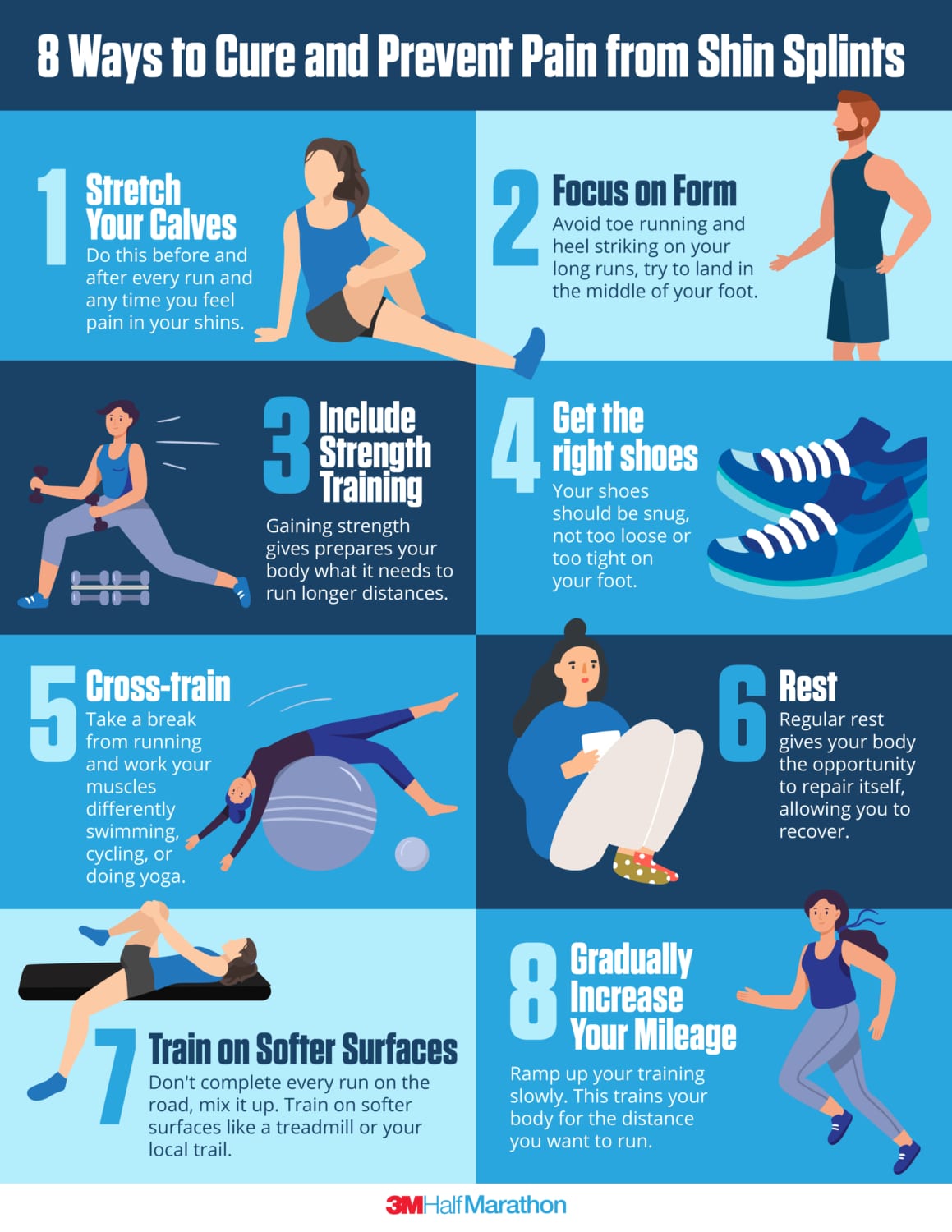
Credit: downhilltodowntown.com
Frequently Asked Questions
What Are The Common Causes Of Shin Splints?
Shin splints often result from overuse or sudden increases in exercise. Poor footwear and running on hard surfaces also cause pain.
How Can I Relieve Shin Splint Pain Quickly?
Rest and ice help reduce pain and swelling. Wearing supportive shoes and using compression can also provide relief.
What Exercises Help Prevent Shin Splints?
Strengthening calf and shin muscles with simple stretches lowers injury risk. Regular warm-ups before activity are important.
When Should I See A Doctor For Shin Splints?
Seek medical help if pain lasts more than two weeks or worsens with rest. Persistent pain may indicate a serious injury.
Can Changing My Running Style Reduce Shin Splints?
Yes, running with proper form and avoiding heel striking can lessen shin stress. A gradual training increase also helps prevent pain.
Conclusion
Treating shin splints early helps you avoid bigger problems. Rest and gentle stretching support healing well. Choose shoes with good support for your runs. Gradually increase activity to keep pain away. Remember, patience and care lead to recovery. Stay consistent with these tips to feel better soon.
Your legs will thank you.