
Do you struggle with breathing through your nose or often wake up feeling tired and congested? A deviated septum might be the reason behind these issues.
While surgery is a common fix, it’s not the only option. What if you could ease your symptoms and breathe better without going under the knife? You’ll discover simple, effective ways to manage a deviated septum naturally. Keep reading to find out how small changes can make a big difference in your comfort and quality of life.
Credit: curemeabroad.com
Symptoms Of A Deviated Septum
A deviated septum happens when the thin wall between your nostrils shifts to one side. This can block one side of your nose and reduce airflow. Many people do not notice they have this condition until symptoms start to bother them. Understanding these symptoms helps you recognize the problem early. This section explains common signs and when to get medical help.
Common Signs To Watch For
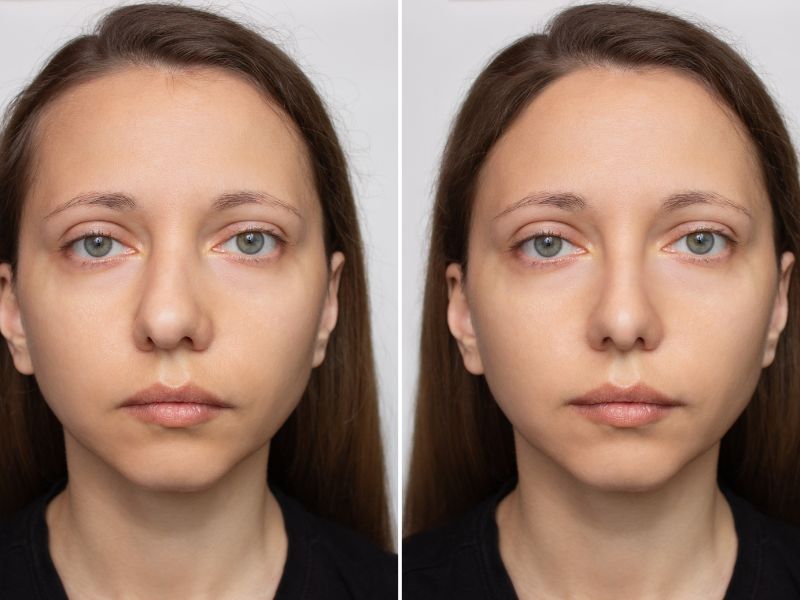
Difficulty breathing through one or both nostrils is a key sign. You may feel like one side of your nose is always blocked. Frequent nosebleeds can also happen. This occurs because the surface inside the nose becomes dry. Snoring or noisy breathing during sleep is another common symptom. Some people feel pressure or pain in the face or head. Nasal congestion that lasts a long time may also point to a deviated septum.
When To Seek Medical Advice
Seek medical help if breathing trouble affects your daily life. Visit a doctor if nosebleeds happen often or are heavy. Persistent sinus infections that don’t improve with treatment call for a check-up. If snoring or breathing pauses disturb your sleep, see a healthcare provider. Facial pain that doesn’t go away also needs medical attention. Early advice can prevent worsening symptoms and improve comfort.
Credit: www.beckerentandallergy.com
Causes Of A Deviated Septum
A deviated septum happens when the thin wall between the nostrils is off-center or crooked. This can cause breathing problems and discomfort. Understanding the causes helps find ways to fix it without surgery.
Congenital Factors
Some people are born with a deviated septum. It develops as the baby grows in the womb. The septum may not form straight. This is a common cause and does not result from injury.
Congenital deviations vary in severity. Many people live without symptoms. Others may have trouble breathing through their nose.
Injury And Trauma
Injuries to the nose can cause a deviated septum. A fall, sports injury, or car accident can bend the septum. Even a small trauma might shift the septum out of place.
Trauma can cause sudden breathing issues. The nose may swell or bleed after injury. Over time, the septum may heal crooked if not treated.
Non-surgical Treatment Options
Non-surgical treatment options can help reduce symptoms of a deviated septum. These methods do not fix the septum but improve breathing and comfort. Many people find relief using simple, easy-to-use tools and remedies.
Nasal Strips And Dilators
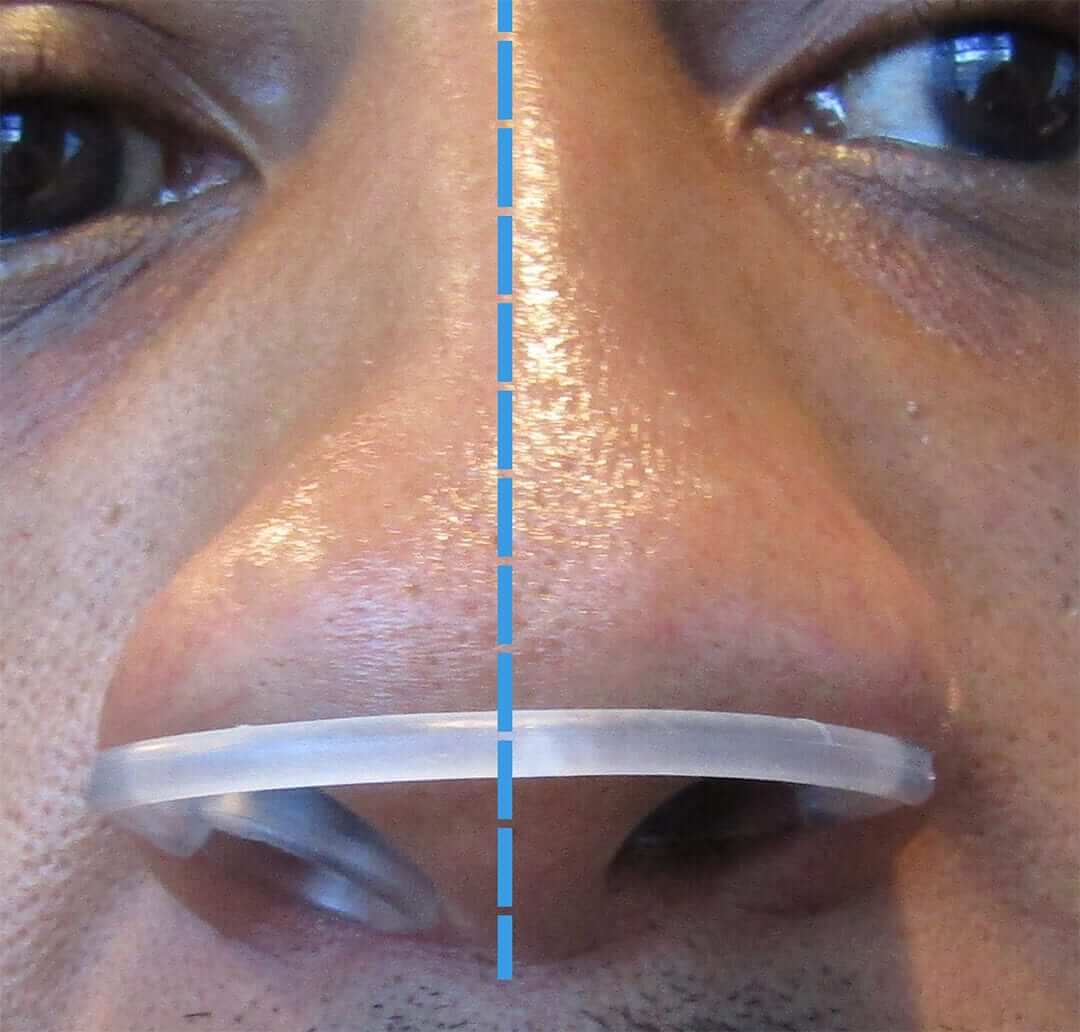
Nasal strips stick on the outside of your nose. They gently pull open the nasal passages. This helps air flow more freely. Nasal dilators are small devices placed inside the nose. They keep the nostrils open during breathing. Both options can ease congestion and improve airflow.
Nasal Sprays And Decongestants
Nasal sprays reduce swelling inside the nose. They clear blocked nasal passages temporarily. Decongestant sprays shrink swollen tissues and improve airflow. Use these sprays carefully and only for a few days. Overuse can cause rebound congestion and worsen symptoms.
Allergy Management
Allergies often worsen nasal blockage with a deviated septum. Controlling allergies can ease breathing problems. Avoid allergens like dust, pollen, and pet dander. Use antihistamines or allergy nasal sprays to reduce symptoms. Clean your living space regularly to limit allergens.
Credit: www.maxairnosecones.com
Home Remedies For Relief
Living with a deviated septum can cause discomfort and breathing problems. Surgery is one option, but many seek relief without it. Home remedies can ease symptoms and improve airflow. These simple methods support nasal health and reduce irritation. They are easy to try and often provide quick comfort.
Saline Nasal Irrigation
Saline nasal irrigation helps clear nasal passages. It washes out mucus, allergens, and dust. Use a saline solution with a neti pot or squeeze bottle. This gentle rinse reduces nasal congestion and dryness. It also soothes irritated tissues inside the nose. Regular use can improve breathing and comfort.
Steam Therapy
Steam therapy moistens nasal passages and loosens mucus. Boil water and pour it into a bowl. Place your face over the bowl and cover your head with a towel. Breathe deeply for several minutes. Steam opens blocked nasal passages and reduces inflammation. It also relieves sinus pressure and helps you breathe easier.
Humidifiers
Humidifiers add moisture to dry indoor air. Dry air can worsen nasal irritation and blockages. Using a humidifier keeps nasal passages moist and comfortable. This reduces congestion and prevents nosebleeds. Place a humidifier in your bedroom for better breathing at night. Clean it regularly to avoid mold and bacteria growth.
Lifestyle Changes To Improve Breathing
Improving breathing without surgery can start with simple lifestyle changes. These changes help ease the discomfort caused by a deviated septum. Small habits can make a big difference in how you breathe every day.
Focus on ways to clear your airways and reduce blockage. Changing the way you sleep, avoiding harmful irritants, and practicing breathing exercises all help improve airflow.
Sleeping Positions
Sleeping on your back may worsen nasal blockage. Try lying on your side to keep airways open. Elevate your head using an extra pillow. This helps reduce nasal swelling and improves airflow. Avoid sleeping face down, as it can cause more congestion.
Avoiding Irritants
Smoke, dust, and strong smells irritate your nose. Stay away from cigarette smoke and polluted areas. Use an air purifier at home to remove allergens. Keep your living space clean and dust-free. These steps reduce nasal inflammation and ease breathing.
Exercise And Breathing Techniques
Regular exercise strengthens your lungs and improves breathing. Choose activities like walking, swimming, or yoga. Practice deep breathing exercises daily to open your airways. Breathe in slowly through your nose and out through your mouth. This helps train your body to breathe better despite a deviated septum.
When To Consider Surgery
Deciding to have surgery for a deviated septum is a big step. Many people try non-surgical methods first. These methods can help with mild symptoms. But some cases need surgery for real relief. Knowing when surgery is needed helps you make the best choice for your health.
Limitations Of Non-surgical Methods
Non-surgical treatments can ease symptoms but not fix the septum. Nasal sprays reduce swelling but only temporarily. Breathing strips open nasal passages but do not correct the shape. Exercises and home remedies may help comfort but do not realign the septum. These methods cannot stop constant nosebleeds or severe breathing issues. Non-surgical care works best for mild or moderate cases only.
Signs Surgery Might Be Necessary
Constant nasal blockage that affects daily life is a key sign. Frequent nosebleeds or infections indicate serious problems. Trouble breathing during sleep, like snoring or pauses, shows severe blockage. Non-surgical methods that fail to relieve symptoms also point to surgery. If symptoms worsen or affect your quality of life, surgery might be the answer. A doctor can help decide the right treatment for you.
Frequently Asked Questions
What Are Common Symptoms Of A Deviated Septum?
A deviated septum can cause difficulty breathing through one or both nostrils. You may also experience nasal congestion, frequent nosebleeds, or sinus infections.
Can Nasal Strips Help Fix A Deviated Septum?
Nasal strips do not fix the septum but can temporarily open nasal passages. They help improve airflow and reduce breathing discomfort during sleep.
Are There Home Remedies To Ease Deviated Septum Symptoms?
Using a humidifier, saline nasal sprays, and avoiding allergens can reduce symptoms. These methods soothe nasal tissues and improve airflow without surgery.
How Effective Is Physical Therapy For A Deviated Septum?
Physical therapy offers limited relief by teaching breathing exercises. It does not correct the structural problem but may improve nasal airflow slightly.
When Should Surgery Be Considered For A Deviated Septum?
Surgery is considered when symptoms severely affect breathing or cause chronic infections. Non-surgical methods help mild cases but may not work for severe deviations.
Conclusion
Fixing a deviated septum without surgery takes time and patience. Simple steps like nasal strips, breathing exercises, and using a humidifier can help. These methods ease breathing and reduce discomfort. Always talk to a doctor before trying new treatments. Small changes can make a big difference in how you feel.
Keep trying what works best for you. Breathing easier is possible without surgery.