
Have you ever been in a rush, only to find your zipper stuck or broken? It’s frustrating and can ruin your whole day.
But before you toss that favorite jacket or bag aside, there’s good news—you can fix it yourself. You’ll discover simple, step-by-step tricks to get your zipper working smoothly again. Keep reading, and you’ll save time, money, and avoid the hassle of buying something new.
Let’s get your zipper back on track!
Credit: www.theguardian.com
Common Zipper Problems
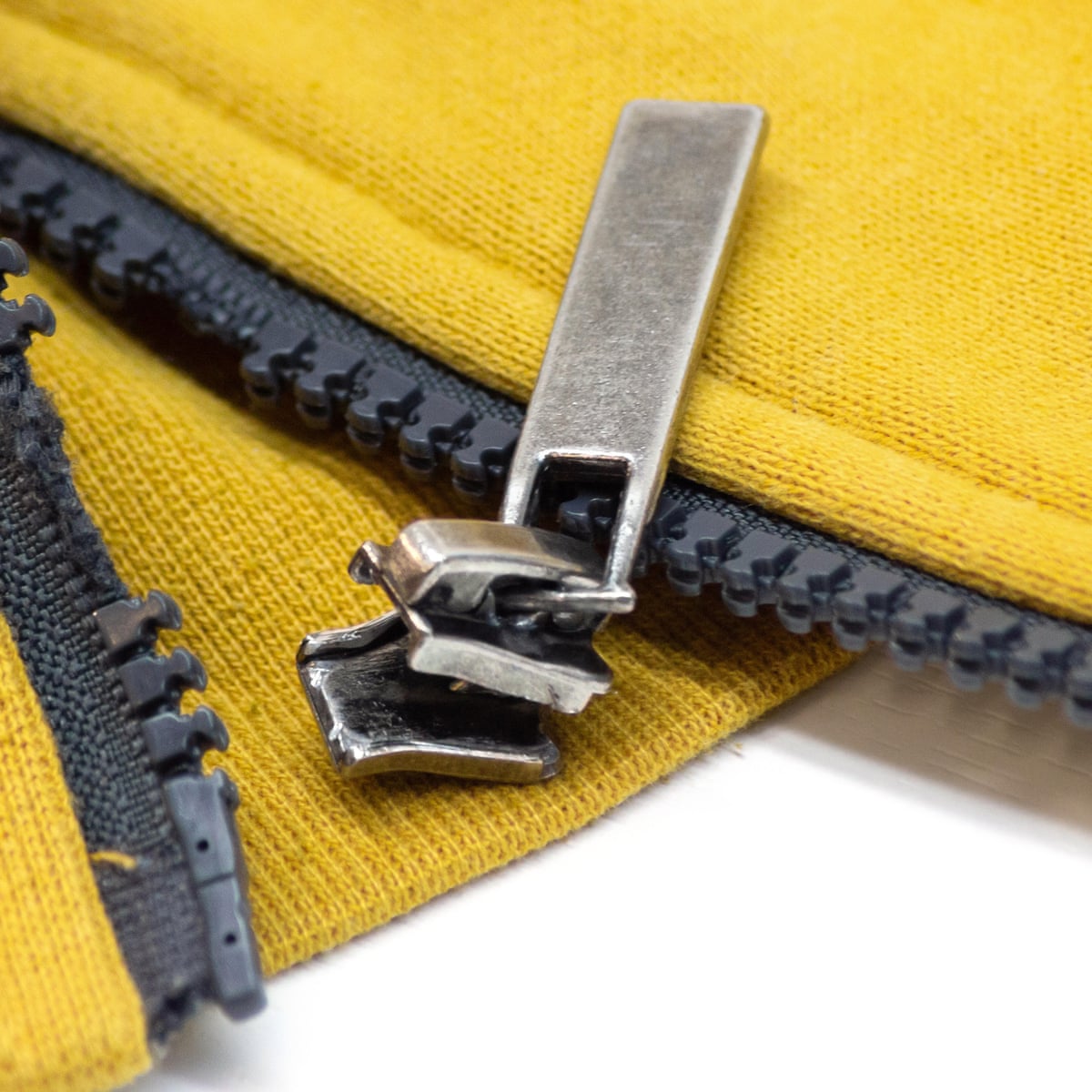
Zippers are common on clothes, bags, and other items. They make things easy to open and close. Yet, zippers can stop working well over time. Knowing the common zipper problems helps fix them fast. Many issues are simple to solve at home.
Problems like stuck zippers or broken teeth can ruin your day. Fixing these issues saves money and extends the life of your items. Below are the common zipper problems and what causes them.
Stuck Zipper
A stuck zipper does not move up or down. Dirt, fabric, or rust often causes it. Sometimes the zipper pulls too hard and gets jammed. Using a pencil lead or soap can help loosen it. Gently moving the zipper back and forth frees it.
Slider Misalignment
The slider is the part that pulls the zipper teeth together. If it slips out of line, the zipper won’t close properly. Misalignment makes the teeth separate or overlap. Pressing the slider gently with pliers can realign it. This helps the zipper work smoothly again.
Missing Or Broken Teeth
Teeth missing or broken cause gaps in the zipper line. The zipper may open even when closed. Small tears or wear and tear cause this problem. Replace the zipper if many teeth are damaged. For one or two teeth, sewing a patch over the area can help.
Zipper Pull Issues
The zipper pull is the tab you hold to open or close. It can break, bend, or fall off. A missing pull makes the zipper hard to use. You can replace it with a paperclip or keyring in a pinch. Buying a new pull tab is another easy fix.
Tools Needed For Repair
Fixing a zipper requires a few handy tools. Some items you already have at home. Others are made just for zippers. Knowing the right tools makes the repair faster and easier. Let’s look at what you need.
Basic Household Items
You can fix many zipper problems with common household items. A pair of pliers helps pull stuck zippers. A pencil or bar of soap can lubricate the zipper teeth. Safety pins hold fabric away while you work. Nail clippers or scissors can trim frayed threads. These simple tools often solve zipper jams and minor breaks.
Specialized Zipper Tools
Some repairs need special zipper tools. A zipper repair kit has replacement sliders and stops. Zipper pulls come in different sizes and styles. A seam ripper helps remove damaged fabric near the zipper. These tools make fixing broken parts easier. You can find them online or at craft stores.
Fixing A Stuck Zipper
A stuck zipper is a common problem that can stop you in your tracks. It feels frustrating when the zipper won’t move up or down. Luckily, fixing it is often simple and quick. Small tricks can get your zipper sliding smoothly again.
Focus on what is causing the zipper to stick. Dirt, fabric, or lack of lubrication often block its path. Fixing a stuck zipper usually means cleaning and helping it slide better. Here are two easy ways to do this at home.
Lubrication Techniques
Lubricating a zipper helps reduce friction and allows it to move freely. Use a pencil and rub the graphite on the zipper teeth. Graphite acts like a dry lubricant that won’t stain fabric.
Another option is a small amount of soap or candle wax. Rub the soap or wax gently on the zipper teeth. Open and close the zipper slowly to spread the lubricant evenly. Avoid using oils that can stain or attract dirt.
Removing Fabric Caught In Zipper
Sometimes fabric gets stuck inside the zipper teeth. Gently pull the fabric out with tweezers or a pin. Be careful not to damage the fabric or zipper.
If the fabric won’t come out easily, try moving the zipper back and forth slowly. This may help free the fabric without tearing it. Do not force the zipper as it can break the teeth or slider.
Credit: www.youtube.com
Realigning The Slider
The zipper slider controls the opening and closing of the zipper teeth. When the slider misaligns, the zipper fails to close properly. Realigning the slider often fixes this issue quickly. This step can restore smooth zipper function without replacing parts.
Adjusting The Slider Position
First, check if the slider sits straight on the zipper. Gently move the slider up and down to feel any resistance. Use pliers to squeeze the slider slightly if it feels loose. This tightens the grip on the teeth. Be careful not to press too hard and damage the slider.
Make small adjustments and test the zipper after each. The slider should grab the teeth and close them evenly. If the slider is off track, guide it back onto the teeth. This realignment improves the zipper’s performance.
Replacing A Worn Slider
Sometimes, the slider wears out and stops working well. A worn slider may not close the teeth fully. To replace it, remove the old slider by sliding it off the zipper track. Use a new slider of the same size and type.
Slide the new one onto the teeth, making sure it fits snugly. Test the zipper several times to confirm smooth operation. Replacing a worn slider can save a zipper without replacing the entire item.
Repairing Missing Or Broken Teeth
Fixing a zipper is simple and saves money. Start by checking the slider for damage or dirt. Sometimes, gently moving the slider or cleaning the teeth can restore smooth function.
Zipper teeth are small, but they play a big role. Missing or broken teeth stop the zipper from closing properly. Fixing these teeth can save your clothes or bags from going to waste. Sometimes the fix is quick. Other times, it needs more work.
Start by checking the damaged area closely. Look at how many teeth are missing or broken. This helps decide the best repair method. Small problems may only need a temporary fix. Larger damage might require replacing teeth.
Temporary Fixes
Temporary fixes hold the zipper together for a short time. Use pliers to gently pinch bent teeth back into place. This can help the zipper close better. Another method is applying clear nail polish. It adds strength around weak teeth.
Try threading a safety pin through the zipper pull. This keeps the zipper from sliding down. Sewing a patch over the broken teeth area can also work. These fixes prevent further damage until you can replace the teeth.
Replacing The Zipper Teeth
Replacing zipper teeth is a longer process. Buy a zipper repair kit with new teeth and tools. Remove the slider and old teeth carefully. Then, line up the new teeth evenly on the zipper tape.
Use pliers to press new teeth firmly in place. Test the zipper by sliding the pull up and down. If it moves smoothly, put the slider back on. This fix can make the zipper work like new.
Replacing A Zipper Pull
Replacing a zipper pull is a simple fix that saves your clothes or bags. A broken or missing pull can make zipping hard or impossible. You do not need special tools or skills to replace it. Two easy ways help you get your zipper working again quickly.
Using Household Items As Pulls
Small household items can work as zipper pulls. A paperclip is a common choice. Open it slightly and hook it through the zipper hole. A key ring also fits easily and is strong.
You can use a small piece of string or a shoelace too. Tie a knot at the end so it does not slip through. These items give you a quick and cheap fix.
Installing A New Pull Tab
Buy a replacement pull tab from a craft or sewing store. Use pliers to remove the broken pull from the zipper slider. Slide the new pull tab into place carefully.
Make sure the new pull fits well. Test the zipper by moving it up and down a few times. This method gives a neat and lasting fix to the zipper.
Preventing Future Zipper Issues
Preventing future zipper problems starts with simple care and attention. Taking the right steps can keep zippers working smoothly for a long time. Small habits can make a big difference in zipper life.
Proper Zipper Maintenance
Keep zippers clean by removing dirt and debris. Use a soft brush or cloth to clear small particles. Avoid forcing stuck zippers, as this can cause damage. Apply a small amount of zipper lubricant or wax to help it slide easily. Check zipper teeth regularly for bending or missing parts. Fix minor issues early to avoid bigger problems later.
Storage Tips
Store clothes with zippers zipped up to keep teeth aligned. Avoid folding or squashing items with zippers inside. Use garment bags or hang clothes to reduce stress on zippers. Keep zippers away from sharp objects that can cause snags. Proper storage protects zippers from damage and wear.

Credit: nilds.gov.ng
Frequently Asked Questions
How Can I Fix A Stuck Zipper Easily At Home?
Try rubbing a pencil lead or soap on the zipper teeth. This helps the zipper slide smoothly again. Gently pull the zipper after applying.
What Should I Do If My Zipper Teeth Won’t Close?
Check if any teeth are bent or missing. Straighten bent teeth with pliers or replace the zipper if teeth are missing.
How Do I Fix A Zipper Slider That Won’t Move?
Use pliers to gently squeeze the slider to grip the teeth better. Avoid squeezing too hard to prevent damage.
Can I Replace A Broken Zipper Pull Myself?
Yes, you can replace it using a key ring or paperclip as a temporary pull. For a permanent fix, buy a zipper pull replacement kit.
What Causes Zippers To Break Or Stop Working?
Zippers break due to wear, dirt, or misalignment of teeth. Regular cleaning and careful use help keep zippers working well.
Conclusion
Fixing a zipper does not have to be hard. Small problems often have simple solutions. With a little patience, you can save your clothes or bags. Try the tips shared here step-by-step. Keep your zipper clean and check it regularly.
This helps avoid future troubles. Now, you can handle zipper issues on your own. No need to throw away your favorite items. Practice these easy fixes and feel confident every time.