
Frizzy hair can be frustrating, especially when you want smooth, shiny locks that stay in place all day. If you’ve ever struggled with flyaways and dry strands, you’re not alone.
But the good news is, you don’t have to live with frizz forever. Imagine running your fingers through hair that feels soft, looks healthy, and stays manageable no matter the weather. You’ll discover simple, effective ways to fix frizzy hair and bring out the best in your natural texture.
Ready to transform your hair routine and boost your confidence? Let’s get started!

Credit: www.youtube.com
Causes Of Frizzy Hair
Frizzy hair happens when your hair strands swell and look rough. It can make your hair hard to manage and style. Understanding what causes frizz helps you stop it before it starts. Several key factors play a role in creating frizzy hair.
Environmental Factors
Sun, wind, and pollution can dry out hair. These elements strip natural oils from your strands. Dry hair is more likely to become frizzy. Protecting hair from harsh weather can reduce frizz.
Hair Damage And Overprocessing
Heat styling tools like straighteners and curling irons damage hair. Chemicals from coloring, bleaching, or perming weaken hair strands. Damaged hair cuticles lift and cause frizz. Treating hair gently lowers damage and frizz.
Humidity And Weather
Water in the air makes hair swell and lose shape. High humidity pulls moisture into hair strands. Hair that is dry or damaged absorbs this moisture unevenly. This leads to a frizzy, puffy look.
Hair Type And Texture
Curly and wavy hair tends to frizz more than straight hair. Natural hair texture affects how moisture is absorbed. Coarse hair also frizzes because it is drier. Knowing your hair type helps choose the best care.

Credit: www.youtube.com
Daily Hair Care Habits
Daily hair care habits play a key role in controlling frizz. Small changes can make a big difference in hair texture. Consistency is the secret to smooth, healthy hair.
Choosing The Right Shampoo And Conditioner
Select shampoos and conditioners that suit your hair type. Moisturizing formulas help tame dry, frizzy hair. Avoid products with harsh chemicals like sulfates. These can strip natural oils and cause more frizz.
Proper Washing Techniques
Use lukewarm water to wash your hair. Hot water can dry out your scalp and hair. Gently massage shampoo into your scalp. Avoid rough scrubbing, which can create tangles and frizz. Rinse thoroughly to remove all product residue.
Avoiding Overwashing
Wash hair only two to three times per week. Overwashing removes natural oils that keep hair smooth. On non-wash days, use dry shampoo or simply rinse with water. This helps maintain moisture and reduce frizz.
Using Leave-in Conditioners
Leave-in conditioners provide extra hydration throughout the day. Apply a small amount to damp hair after washing. Focus on mid-lengths and ends where frizz appears most. This helps lock in moisture and smooth the hair cuticle.
Effective Hair Treatments
Effective hair treatments can calm frizz and restore smoothness. They add moisture, repair damage, and protect your hair from dryness. Regular use of these treatments improves hair texture and shine. Choose treatments based on your hair type and needs.
Deep Conditioning Masks
Deep conditioning masks supply intense moisture to dry, frizzy hair. They penetrate the hair shaft to repair and soften strands. Use them once or twice a week for best results. Apply on damp hair, leave for 20-30 minutes, then rinse well. Look for masks with ingredients like shea butter, coconut oil, or aloe vera.
Oil Treatments And Serums
Oils and serums create a smooth, shiny finish by sealing moisture. Apply a small amount to the ends or frizzy areas of dry hair. Argan oil, jojoba oil, and coconut oil work well for most hair types. Serums with silicone help tame flyaways and add gloss. Use sparingly to avoid a greasy look.
Protein Treatments
Protein treatments strengthen weak, damaged hair and reduce breakage. They fill gaps in the hair cuticle to improve elasticity. Use these treatments once every two weeks or monthly. Common proteins include keratin, collagen, and silk protein. Follow the product instructions carefully to avoid dryness.
Diy Natural Remedies
Natural remedies use kitchen ingredients to nourish hair gently. Try mashed avocado or honey mixed with olive oil as a mask. These ingredients hydrate and smooth hair without harsh chemicals. Apply for 15-30 minutes, then rinse with cool water. Natural remedies are budget-friendly and easy to prepare at home.
Styling Tips For Smooth Hair
Smooth hair looks healthy and feels soft. Styling plays a big role in reducing frizz. Using the right methods and tools helps keep hair sleek and shiny. Simple habits can make a big difference every day.
Heat Protection Methods
Heat can damage hair and cause frizz. Use a heat protectant spray before styling. It forms a barrier against heat damage. Spray evenly on damp hair for best results. This step keeps hair smooth and prevents dryness.
Blow Drying Techniques
Blow dry hair gently to avoid frizz. Use a nozzle attachment to focus airflow. Dry hair in sections for even heat exposure. Always point the dryer downward to smooth the cuticle. Avoid rushing to reduce heat damage and flyaways.
Using Anti-frizz Products
Anti-frizz creams and serums tame flyaways and add shine. Apply a small amount to damp hair before styling. These products seal moisture and protect hair from humidity. Choose light formulas to avoid weighing hair down.
Choosing The Right Hair Tools
Use tools with ceramic or tourmaline plates. They distribute heat evenly and reduce static. Wide-tooth combs help detangle without breaking hair. Avoid metal brushes that can cause friction and frizz. Select tools designed for smooth styling results.
Lifestyle Changes For Healthier Hair
Frizzy hair can be tough to manage. Changing your lifestyle helps improve hair health naturally. Healthy habits support smooth, strong hair from the inside out. Small daily changes make a big difference over time.
Diet And Hydration
Eating the right foods gives your hair essential nutrients. Protein, vitamins A, C, and E help hair grow strong. Omega-3 fatty acids keep hair hydrated and shiny. Drink plenty of water to avoid dryness and frizz. Hydrated hair looks smooth and feels soft.
Regular Trims
Trimming hair regularly removes split ends and damage. Split ends cause hair to look frizzy and unhealthy. Aim for a trim every six to eight weeks. Regular trims keep hair neat and prevent frizz from spreading.
Protecting Hair While Sleeping
Sleeping on cotton pillowcases can roughen hair strands. Use satin or silk pillowcases to reduce friction. You can also wrap hair in a silk scarf. These steps keep hair smooth and reduce breakage overnight.
Reducing Stress
Stress affects hair health and can cause breakage. Practice relaxation techniques like deep breathing or meditation. Exercise helps lower stress and boosts blood flow to the scalp. Less stress means healthier, less frizzy hair.
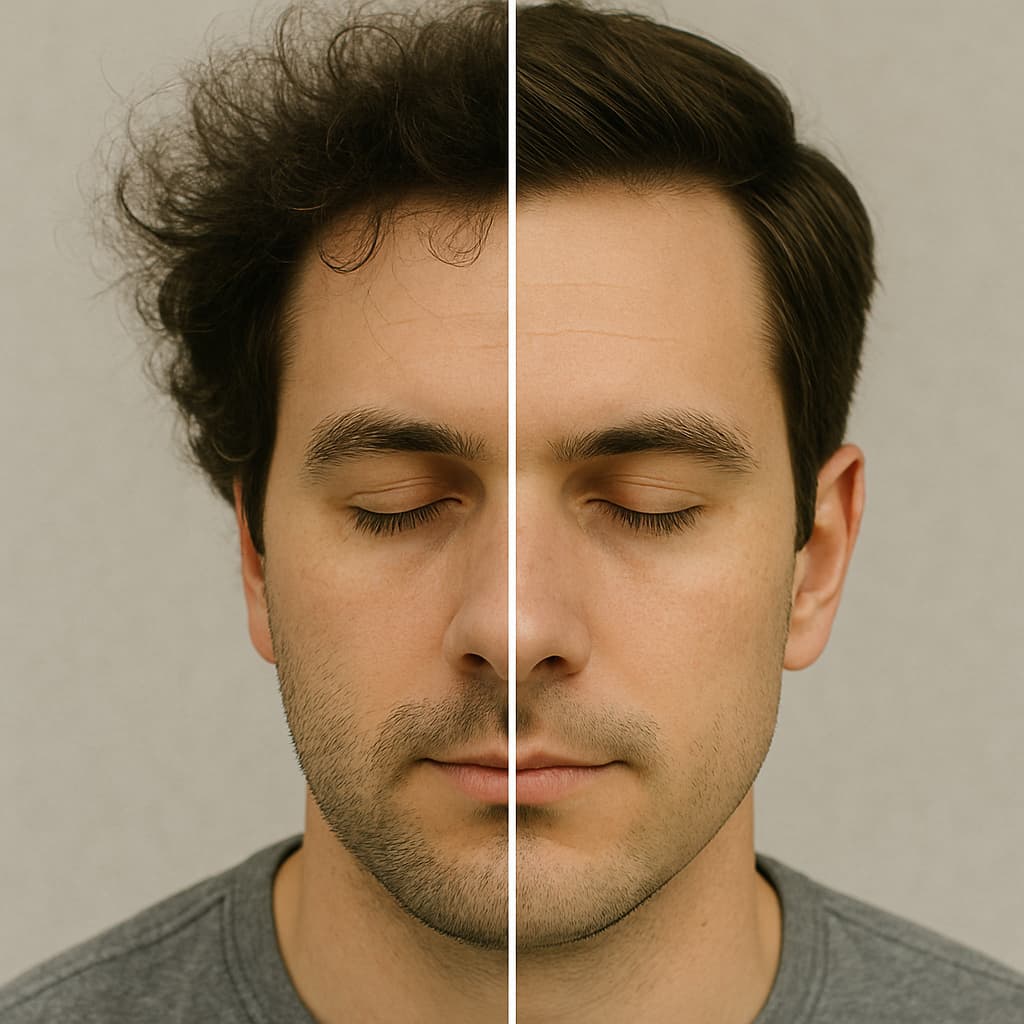
Credit: www.highland.style
Frequently Asked Questions
What Causes Frizzy Hair And How To Prevent It?
Frizzy hair happens when hair is dry and the cuticle lifts. Use moisturizing shampoos and conditioners to keep hair smooth. Avoid heat styling and harsh brushing to prevent frizz.
Which Hair Products Work Best For Frizzy Hair?
Look for anti-frizz serums, leave-in conditioners, and smoothing creams. These products add moisture and seal the hair cuticle. Use light amounts to avoid greasy hair.
How Often Should I Wash Frizzy Hair?
Washing hair 2-3 times a week helps maintain natural oils. Over-washing strips moisture and increases frizz. Use lukewarm water and gentle shampoos for best results.
Can Diet Affect Frizzy Hair Condition?
Yes, a balanced diet with vitamins A, E, and omega-3 fats helps hair health. Drink plenty of water to keep hair hydrated. Good nutrition supports smooth and shiny hair.
Is Air-drying Or Blow-drying Better For Frizzy Hair?
Air-drying reduces heat damage that causes frizz. If blow-drying, use a diffuser and low heat settings. Always apply a heat protectant spray before styling.
Conclusion
Frizzy hair can be tough to manage every day. Using the right products helps smooth and soften strands. Regular deep conditioning keeps hair healthy and shiny. Avoid heat styling too often to prevent damage. Stay patient—results improve with consistent care.
Small changes make a big difference over time. Enjoy your smoother, more manageable hair soon. Keep these tips in mind for best results. Your hair deserves gentle care and love.