
Are you worried about the invisible chemicals lurking in your home’s air? Volatile Organic Compounds, or VOCs, can come from everyday items like paint, cleaning products, and even furniture.
These tiny particles might be affecting your health without you even realizing it. You’ve probably heard that air purifiers can help—but do they really reduce VOCs? You’ll discover how air purifiers work, which types are most effective, and what you can do to make your indoor air safer to breathe.
Keep reading to find out how you can take control of your air quality and protect yourself and your loved ones.
What Are Vocs?
Volatile Organic Compounds, or VOCs, are gases released by many household products. They come from paints, cleaning supplies, and even furniture. These compounds can affect indoor air quality. Understanding VOCs helps you protect your health and home.
What Are Vocs Made Of?
VOCs are made of carbon-based chemicals. They easily evaporate at room temperature. This evaporation releases harmful gases into the air. Some VOCs have strong smells, like paint or glue.
Common Sources Of Vocs In Homes
Everyday items release VOCs. Paints, varnishes, and adhesives are top sources. Cleaning products and air fresheners also emit VOCs. New furniture and carpets may release gases too.
Breathing VOCs can cause headaches and dizziness. Long-term exposure may lead to more serious problems. Allergies, asthma, and respiratory issues can worsen. Children and pets are more sensitive to VOCs.
How Vocs Impact Indoor Air Quality
VOCs lower indoor air quality. They can build up in closed spaces. Poor ventilation makes the problem worse. Clean air is key to reducing VOC risks.

Credit: levoit.com
Sources Of Vocs Indoors
Volatile Organic Compounds (VOCs) are chemicals that easily become gases at room temperature. They come from many sources inside our homes. These compounds can affect air quality and health. Knowing where VOCs come from helps us reduce their presence indoors.
VOCs come from everyday products and materials. Some are natural, but many come from man-made items. Understanding these sources is the first step to cleaner air.
Cleaning ProductsMany cleaning agents release VOCs. These include sprays, detergents, and disinfectants. Strong smells often indicate VOCs in cleaning products. Using these can raise indoor VOC levels quickly.
Paints and CoatingsPaints, varnishes, and stains emit VOCs as they dry. New paint smells are often due to these chemicals. Even after drying, some paints release VOCs for days or weeks.
Building MaterialsMaterials like plywood, particleboard, and carpet glue contain VOCs. These materials can release gases slowly over time. New furniture also adds to indoor VOCs through finishes and adhesives.
Personal Care ProductsPerfumes, deodorants, and hairsprays hold VOCs. Using these products indoors adds to the chemical load. The scent may mask but does not remove VOCs.
Combustion SourcesBurning candles, gas stoves, and fireplaces produce VOCs. Smoke and fumes contain many harmful compounds. Proper ventilation helps reduce these indoor pollutants.
Health Effects Of Voc Exposure
Volatile Organic Compounds (VOCs) are common in indoor air. These gases come from paints, cleaning products, and furniture. Breathing VOCs can affect your health in many ways. Some effects happen quickly, while others develop over time.
Understanding these health effects helps you protect yourself and your family. Air purifiers may help reduce VOCs, but knowing the risks is important first.
Short-term Health Effects
Exposure to VOCs can cause headaches and dizziness. Some people feel tired or have trouble concentrating. Irritation of the eyes, nose, and throat is common. These symptoms often go away when you leave the area.
Long-term Health Risks
Long exposure to VOCs may harm your liver and kidneys. It can also affect your central nervous system. Some VOCs are linked to cancer. These risks increase with higher exposure over many years.
Impact On Children And Sensitive Groups
Children are more vulnerable to VOCs than adults. Their lungs and immune systems are still developing. People with asthma or allergies may have worse symptoms. Pregnant women should avoid high VOC exposure to protect their babies.
How Air Purifiers Work
Air purifiers clean the air by removing harmful particles and gases. They help reduce volatile organic compounds (VOCs) that cause bad smells and health issues. Understanding how air purifiers work helps you choose the right one for your home.
How Air Purifiers Capture Particles
Air purifiers pull air into the device using a fan. Inside, filters trap dust, pollen, and pet dander. HEPA filters are very common and catch tiny particles as small as 0.3 microns.
How Air Purifiers Remove Vocs
VOCs are gases released from paints, cleaners, and furniture. Special activated carbon filters absorb these gases. The carbon sticks to the VOC molecules, stopping them from circulating.
Types Of Filters In Air Purifiers
Most purifiers use a combination of filters. HEPA filters trap particles. Carbon filters remove gases and odors. Some models include pre-filters to catch large dust and dirt.
How Air Purifiers Improve Indoor Air Quality
By removing particles and VOCs, air purifiers reduce allergies and asthma triggers. Clean air helps people breathe easier and feel healthier. Running a purifier regularly keeps indoor air fresh and safe.
Types Of Air Purifiers For Voc Removal
Air purifiers work in different ways to remove VOCs (volatile organic compounds). Choosing the right type is important for cleaner air. Some purifiers trap VOCs, while others break them down. Knowing how each type works helps pick the best one for your space.
Each type has strengths and limits. Some are better for gases, others for particles. Understanding the technology behind each purifier gives better results in reducing VOCs.
Activated Carbon Filters
Activated carbon filters use tiny pores to trap VOC molecules. These filters absorb gases and odors from the air. They work well for many common household VOCs. The filter needs regular changing to stay effective. Best for removing smells and chemical vapors.
Hepa Filters
HEPA filters capture very small particles like dust and pollen. They do not remove gases or VOCs well. HEPA is great for allergens but not for chemical vapors. Often combined with other filters to improve air quality.
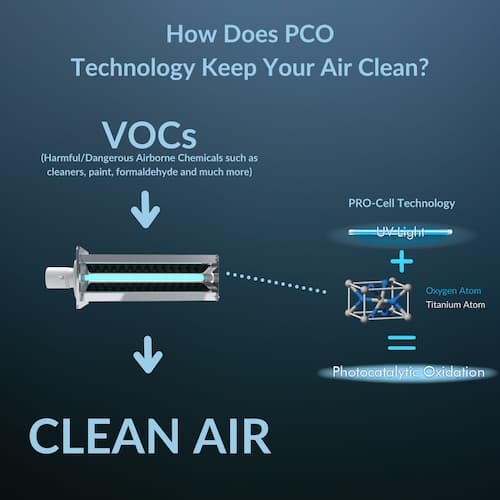
Photocatalytic Oxidation
This technology uses light to activate a catalyst. It breaks down VOCs into harmless substances like water and carbon dioxide. Effective at reducing many VOC types. Needs UV light and proper maintenance to work well.
Ozone Generators
Ozone generators produce ozone gas to react with VOCs. The reaction breaks down some VOCs but can create harmful byproducts. Ozone itself can irritate lungs and eyes. Not recommended for regular home use due to health risks.
Effectiveness Of Air Purifiers Against Vocs
Air purifiers can help reduce VOCs in indoor air. VOCs, or volatile organic compounds, come from paints, cleaning products, and other household items. These gases can harm health if they build up inside homes. Air purifiers use filters and other methods to capture or break down these chemicals.
Not all air purifiers work the same on VOCs. Some are better at removing dust and allergens but less effective on gases. Understanding how these devices handle VOCs helps choose the right one for your home.
Types Of Filters Used For Voc Removal
Activated carbon filters are the most common for VOC removal. They trap gas molecules in tiny pores on their surface. The larger the filter, the more VOCs it can hold. HEPA filters do not remove VOCs well. They mainly capture particles like dust and pollen.
How Air Purifiers Break Down Vocs
Some air purifiers use photocatalytic oxidation or UV light. These methods break VOC molecules into harmless substances like water and carbon dioxide. This process depends on the purifier’s technology and strength. Not all air purifiers have this feature.
Limitations Of Air Purifiers For Vocs
Air purifiers cannot remove all VOCs completely. High levels of VOCs may need better ventilation or source removal. Filters need regular replacement to stay effective. Without maintenance, VOC levels can rise again.
Choosing The Right Air Purifier
Choosing the right air purifier is key to reducing VOCs in your home. Not all purifiers work the same. Some are better at trapping harmful gases and chemicals. Picking the best one depends on a few important factors. These include the filter quality, the size of your room, and the costs of upkeep. Each factor helps ensure the purifier works well for your needs.
Filter Quality
The filter is the heart of an air purifier. High-quality filters catch more VOCs and tiny particles. Look for purifiers with activated carbon filters. These absorb gases and odors effectively. HEPA filters trap dust and allergens but do not remove VOCs well. Combining both filters gives better air cleaning. Always check the filter type before buying.
Room Size Compatibility
Air purifiers must match the size of your room. A small purifier will not clean large rooms well. Check the purifier’s coverage area in square feet. Choose one that covers your room size or a bit more. This ensures the purifier can cycle air quickly and remove VOCs effectively. Using the right size saves energy too.
Maintenance And Costs
Regular maintenance keeps your purifier working well. Filters need changing every few months. Some purifiers have washable filters, lowering costs. Consider the price of replacement filters before buying. High maintenance costs can add up over time. Choose a purifier that fits your budget and is easy to maintain.
Credit: airhealth.com
Additional Ways To Reduce Vocs Indoors
Reducing VOCs indoors needs more than just air purifiers. Several other methods help lower harmful chemicals in the air. These steps work well together to create a cleaner space.
Improving Ventilation
Open windows and doors often to let fresh air in. Use fans to move air through your home. Proper ventilation helps remove VOCs from inside. It lowers the concentration of pollutants and improves air quality.
Using Low-voc Products
Choose paints, cleaners, and furniture with low VOC labels. These products release fewer harmful chemicals into the air. Using safer options reduces indoor pollution. It protects your health and keeps the air cleaner.
Regular Cleaning
Dust and vacuum your home frequently. Dirt and dust can hold VOC particles. Clean floors, carpets, and surfaces to cut down VOC buildup. Use a vacuum with a HEPA filter for best results.
Common Myths About Air Purifiers And Vocs
Many people have wrong ideas about air purifiers and VOCs. These myths cause confusion and wrong expectations. Clearing up these myths helps people use air purifiers correctly.
Understanding what air purifiers can and cannot do is important. This section looks at common myths about air purifiers and VOCs.
Air Purifiers Remove All Vocs Completely
Air purifiers do not remove every VOC in the air. Some VOCs are too small or light for filters. Only certain types of purifiers reduce some VOCs effectively.
Hepa Filters Capture Vocs
HEPA filters trap dust and particles, not gases. VOCs are gases and need special filters like activated carbon. People often confuse HEPA filters with VOC removal.
Air Purifiers Work Without Maintenance
Filters need regular cleaning or replacement. Dirty filters lose their power to remove VOCs. Skipping maintenance means less effective air purification.
Air Purifiers Eliminate All Indoor Air Pollution
Air purifiers help but do not fix all pollution. Some VOCs come from sources inside the house. Removing pollution sources is also needed for clean air.
Credit: www.jafanda.com
Frequently Asked Questions
Do Air Purifiers Remove Vocs Effectively?
Air purifiers with activated carbon filters can reduce VOCs in the air. They trap harmful chemicals, improving indoor air quality. Not all air purifiers work well for VOCs though.
Which Air Purifier Filters Are Best For Voc Removal?
Activated carbon filters are the best for capturing VOCs. HEPA filters do not remove VOC gases. Look for purifiers with strong carbon layers.
Can Air Purifiers Eliminate All Types Of Vocs Indoors?
Air purifiers reduce many VOCs but cannot remove all types fully. Some VOCs need ventilation or source control. Use purifiers alongside other methods for best results.
How Often Should I Replace Air Purifier Filters For Vocs?
Replace carbon filters every 3 to 6 months for good VOC removal. Old filters lose effectiveness and can release trapped chemicals. Check the manufacturer’s guide for exact timing.
Do Air Purifiers Improve Health By Reducing Voc Exposure?
Reducing VOCs with purifiers lowers risks of headaches, allergies, and irritation. Cleaner air helps people with asthma or sensitivities breathe easier. They are helpful but not a complete solution.
Conclusion
Air purifiers can help lower VOC levels in indoor air. They capture many harmful particles and chemicals. Yet, not all purifiers remove VOCs equally well. Look for models with activated carbon filters for best results. Clean air improves health and comfort at home.
Keep rooms ventilated and reduce VOC sources too. Using an air purifier is one step in better air care. It supports a cleaner, safer living space for everyone.