
If you’re a homeowner in Georgia, you’ve probably thought about how to keep your home comfortable year-round without breaking the bank. Heat pumps might be the solution you’ve been searching for.
But before you make a decision, there are important things you need to know. This article will help you understand how heat pumps work, why they’re a smart choice for Georgia homes, and what to consider before installing one. Keep reading to discover how you can save money, stay cozy, and make the best choice for your home.
Benefits Of Heat Pumps
Heat pumps offer many benefits for homeowners in Georgia. They provide a smart way to heat and cool your home efficiently. Choosing a heat pump can help you save money and stay comfortable all year. Understanding these benefits helps you make a better decision for your home.
Energy Efficiency And Savings
Heat pumps use less energy than traditional heating systems. They move heat instead of creating it, which uses less electricity. This makes your energy bills lower each month. You can save hundreds of dollars annually with a heat pump. Energy efficiency is a top reason many Georgia homeowners switch to heat pumps.
Year-round Comfort
Heat pumps provide both heating and cooling. They keep your home warm in winter and cool in summer. The system adjusts easily to changing weather. You get steady, comfortable air without big temperature swings. This means comfort no matter the season.
Environmental Impact
Heat pumps reduce your home’s carbon footprint. They use renewable energy from the air or ground. This lowers greenhouse gas emissions compared to fossil fuel systems. Using a heat pump helps protect Georgia’s environment. It’s a cleaner choice for your home and future.
Types Of Heat Pumps
Heat pumps come in different types, each designed to suit various home needs. Understanding these types helps homeowners choose the best system for their space and budget. The main types include air-source, ground-source, and hybrid heat pumps.
Air-source Heat Pumps
Air-source heat pumps pull heat from the outside air to warm your home. They work well in mild climates and are common in Georgia. These units also cool your home in summer by reversing the process. Installation is simpler and costs less than other types.
Ground-source Heat Pumps
Ground-source heat pumps use the earth’s stable temperature to heat and cool homes. Pipes run underground, absorbing heat in winter and releasing it in summer. These systems are efficient but have higher upfront costs. They last longer and can lower energy bills significantly.
Hybrid Heat Pumps
Hybrid heat pumps combine air-source technology with a gas furnace. They switch between heat sources to save energy and keep your home comfortable. This system adapts to outdoor temperatures, using the most efficient method. It offers flexibility and can reduce utility costs in Georgia.
Heat Pumps And Georgia’s Climate
Heat pumps are popular in Georgia due to the state’s unique climate. Understanding how they work in this environment helps homeowners make smart choices. Georgia has mild winters and hot summers, which affects heat pump performance. Heat pumps can both heat and cool homes, making them versatile for this region.
Performance In Mild Winters
Georgia winters are usually mild and short. Heat pumps work well in these conditions. They extract heat from outside air and move it inside. Even when temperatures drop, modern heat pumps can still provide warmth. This efficiency saves energy and lowers heating costs for homeowners.
Handling Humidity
Georgia is humid for much of the year. Heat pumps help control indoor humidity. They remove moisture from the air while cooling your home. This makes the air feel more comfortable and reduces mold risks. Proper humidity control is important for health and home maintenance.
Cooling Capabilities
Heat pumps also cool homes during hot Georgia summers. They work like air conditioners by moving heat outside. This keeps indoor temperatures pleasant and consistent. Many heat pumps have energy-saving features to reduce electricity bills. Cooling with a heat pump is often quieter and more efficient than other methods.

Credit: www.achrnews.com
Installation Considerations
Installing a heat pump in your Georgia home requires careful thought. The right installation ensures the system works efficiently and lasts longer. This section covers key points homeowners should consider during installation.
Choosing A Qualified Installer
Select an installer with experience in heat pumps. Check their certifications and reviews. A skilled installer ensures the system runs smoothly and safely. Poor installation can cause frequent breakdowns and high energy bills.
Sizing And Capacity
Heat pumps come in different sizes. Choose one that matches your home’s size and insulation. A unit too small won’t heat or cool well. A unit too large wastes energy and costs more. Proper sizing saves money and keeps your home comfortable.
Placement And Space Requirements
Place the heat pump where it has enough airflow. Avoid tight spaces and direct sunlight. Clear space around the unit helps it work efficiently. Keep it away from dust and debris. Proper placement reduces noise and maintenance needs.
Maintenance Tips
Maintaining a heat pump is important for every homeowner in Georgia. Good care helps the system work well and last longer. Simple steps can prevent costly repairs and keep your home comfortable.
Regular Inspections
Check your heat pump at least twice a year. Look for dirt, damage, and unusual noises. Early detection of problems saves money and time. Hire a professional for a thorough inspection yearly.
Filter Cleaning And Replacement
Clean or change filters every 1 to 3 months. Dirty filters reduce airflow and efficiency. Use the right filter size for your model. Clean filters improve air quality and lower energy bills.
Troubleshooting Common Issues
Heat pumps may stop working or blow cold air. Check the thermostat settings first. Clear any debris around the outdoor unit. Reset the system by turning it off and on. Call a technician if problems continue.
Credit: www.rickyheathplumbing.com
Costs And Incentives
Understanding the costs and incentives of heat pumps helps Georgia homeowners make smart choices. Heat pumps save money over time, but the initial price can seem high. Knowing about rebates and tax credits lowers the upfront cost.
Initial Investment
Heat pump installation costs vary by home size and system type. Most systems cost between $3,500 and $7,500. Installation fees depend on your home’s layout and existing ductwork. Choosing a high-efficiency model may increase upfront costs but saves more later.
Energy Savings Over Time
Heat pumps use less electricity than traditional heating and cooling. They can reduce energy bills by 30% to 50%. Savings add up each month, helping cover the initial investment. A well-maintained heat pump lasts 15 to 20 years.
Available Rebates And Tax Credits
Georgia offers rebates through local utility programs to lower heat pump costs. The federal government provides tax credits for energy-efficient systems. These incentives can cover hundreds to thousands of dollars. Check eligibility requirements before applying to maximize savings.
Comparing Heat Pumps To Traditional Systems
Choosing the right heating and cooling system matters for every Georgia homeowner. Heat pumps offer a different approach compared to traditional systems. Understanding their key differences helps you pick the best option for your home’s comfort and budget.
Furnaces And Air Conditioners
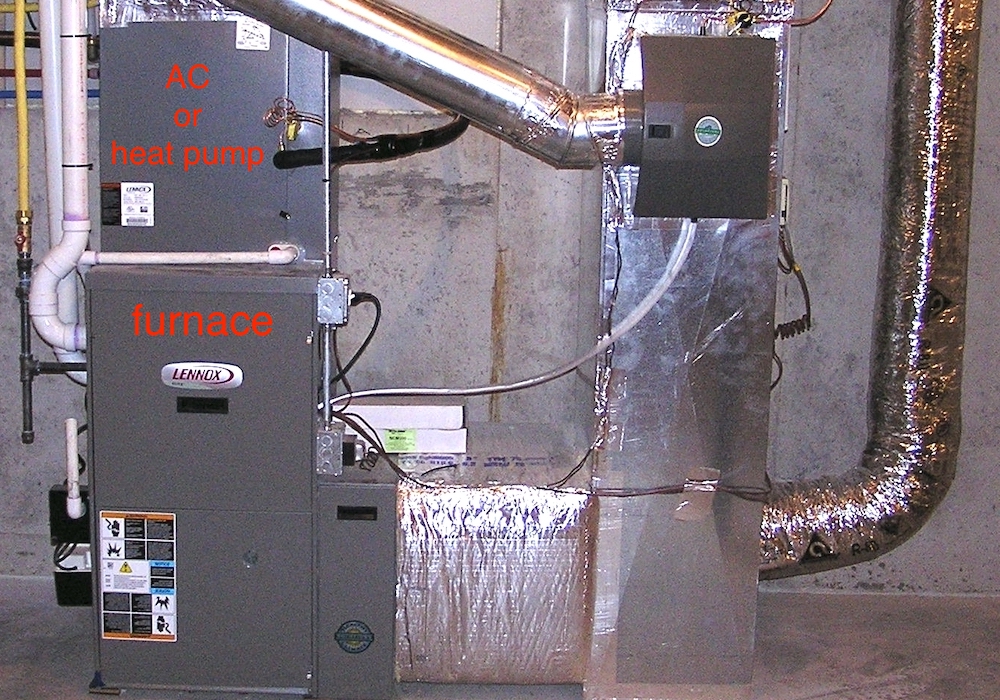
Traditional systems use separate units for heating and cooling. Furnaces burn fuel to create heat. Air conditioners remove heat from inside your home to cool it.
Heat pumps do both jobs in one system. They move heat rather than create it. This makes them efficient in mild climates like Georgia.
Cost Efficiency
Heat pumps use less energy than furnaces and air conditioners combined. They can lower your monthly energy bills. Initial installation may cost more, but savings grow over time.
Traditional systems might cost less upfront. But they use more energy to heat and cool your home. This means higher utility bills in the long run.
Longevity And Durability
Heat pumps generally last 10 to 15 years. Proper maintenance extends their lifespan. Traditional furnaces and air conditioners can last 15 to 20 years.
Both systems require regular care. Heat pumps face wear from constant switching between heating and cooling. This may affect durability slightly.
Signs It’s Time To Upgrade
Heat pumps are important for home comfort in Georgia. Knowing when to upgrade helps save money and energy. Some clear signs show your system needs a change soon. Watch for these signals to avoid bigger problems.
Rising Energy Bills
Energy bills that climb each month can mean your heat pump is losing efficiency. Older units use more power to keep your home warm or cool. This increase in energy use can add up quickly. Upgrading to a newer model often lowers monthly costs.
Frequent Repairs
Frequent breakdowns are a strong sign your heat pump is aging. Constant repairs cost time and money. Parts may become hard to find for old systems. A new heat pump reduces repair needs and runs more reliably.
Inconsistent Temperature Control
Uneven heating or cooling inside your home means your heat pump is struggling. Some rooms may feel too hot or too cold. This problem affects comfort and energy use. New heat pumps keep temperatures steady and balanced throughout the house.
Credit: www.energyvanguard.com
Frequently Asked Questions
What Is A Heat Pump And How Does It Work?
A heat pump moves heat from outside to inside your home for heating and cooling.
Are Heat Pumps Energy Efficient In Georgia’s Climate?
Yes, heat pumps save energy and work well in Georgia’s warm and mild weather.
How Much Can I Save On Energy Bills With A Heat Pump?
Heat pumps can reduce energy bills by 30% to 50% compared to traditional systems.
Do Heat Pumps Require Much Maintenance?
Heat pumps need simple yearly checks to keep them running smoothly and efficiently.
Can A Heat Pump Provide Enough Heat During Georgia Winters?
Yes, heat pumps provide sufficient heat for most Georgia winters, which are usually mild.
Conclusion
Heat pumps offer an energy-saving way to keep your home comfortable. They work well in Georgia’s climate, providing both heating and cooling. Choosing the right system can lower your utility bills. Maintenance is simple and helps your pump last longer.
Consider your home’s size and insulation before buying. A good heat pump supports a cozy, efficient home year-round. Take time to learn and ask experts for advice. Smart decisions bring comfort and savings together.