
Is your Mighty Mule driveway alarm acting up when you need it most? You rely on this system to keep your property safe and sound, so when it doesn’t work right, it can be frustrating and stressful.
But don’t worry—fixing common issues might be easier than you think. You’ll find simple, step-by-step troubleshooting tips that help you get your alarm back on track quickly. Keep reading to take control of your security system and ensure your driveway alarm works perfectly every time.
Common Issues
Common issues with the Mighty Mule driveway alarm can affect its performance. Knowing these problems helps you fix the device quickly. This section explains the typical faults and simple ways to solve them.
No Signal From Sensor
The sensor may not send a signal to the receiver. This happens if the sensor is too far from the receiver. Check if the sensor is blocked by objects like trees or walls. Dirt on the sensor lens can also stop signals. Clean the lens carefully to improve signal strength. Replace the batteries if the sensor still does not send signals.
False Alarms
False alarms occur when the device triggers without any vehicle. Strong winds or moving branches often cause this issue. Animals moving near the sensor can also trigger false alerts. Adjust the sensor’s sensitivity to reduce false alarms. Position the sensor away from busy roads or bushes. This reduces the chance of unwanted alerts.
Weak Signal Range
Weak signals happen when the sensor and receiver are too far apart. Thick walls or metal objects between them can block signals. Place the receiver closer to the sensor to improve range. Avoid barriers that interfere with radio waves. Use fresh batteries to maintain strong signal transmission.
Power Problems
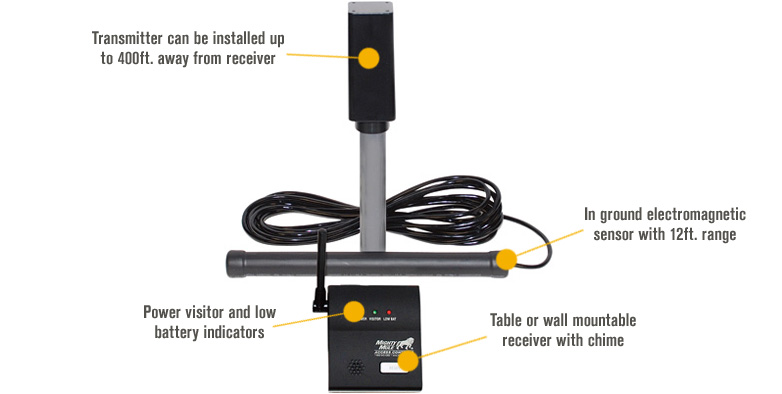
Power issues cause the alarm to stop working or work poorly. Dead or weak batteries are the main cause. Check and replace batteries regularly for consistent power. Ensure the battery contacts are clean and tight. For wired models, check the power connections for loose wires or damage.

Credit: community.home-assistant.io
Sensor Setup Tips
Setting up your Mighty Mule driveway alarm sensor correctly improves its performance. Proper setup helps detect vehicles accurately without false alarms. Follow these sensor setup tips for the best results.
Optimal Placement
Place the sensor near the driveway entrance. It should point toward the area where cars enter. Avoid placing it too close to the ground or too high. About 2 to 3 feet off the ground works well. Make sure the sensor faces the driveway directly.
Adjusting Sensitivity
Adjust the sensitivity based on your driveway size. Higher sensitivity detects smaller movements but may cause false alerts. Lower sensitivity reduces false alarms but might miss some vehicles. Test different settings to find the right balance for your location.
Avoiding Obstructions
Keep the sensor free from trees, bushes, or fences. Obstructions can block signals or trigger false alarms. Clear leaves and debris regularly. Ensure no objects move near the sensor to prevent unwanted alerts.
Power And Battery Solutions
Power issues often cause problems with the Mighty Mule driveway alarm. Checking the battery and power sources is a good first step. Many problems happen because the unit does not get enough power. This section explains simple ways to fix power and battery troubles.
Replacing Batteries
The battery inside the sensor or receiver can run out. Open the battery compartment carefully. Remove the old batteries and replace them with fresh ones. Use the correct battery type as shown in the manual. Make sure the batteries are placed in the right direction. Poor battery contact may stop the alarm from working.
Checking Solar Panels
Some Mighty Mule alarms use solar panels to charge the battery. Check if the solar panel is clean and free from dirt. Dirt or leaves block sunlight and reduce charging power. Place the solar panel where it gets direct sunlight most of the day. Cloudy weather or shade can also reduce the charging speed. Ensure the panel wires are connected tightly.
Wiring Inspection
Loose or damaged wires can cause power failures. Look at all wires connecting the sensor and receiver. Check for cuts, cracks, or worn spots. Tighten any loose wire connections. Replace damaged wires with new ones of the same type. Proper wiring keeps the alarm powered and working well.
Signal And Interference Fixes
Signal problems and interference often cause Mighty Mule driveway alarms to work poorly. Fixing these issues improves alarm performance and reliability. This section covers simple ways to reduce interference, re-sync devices, and boost signal strength. Each method helps keep your alarm system running smoothly.
Reducing Wireless Interference
Wireless signals from other devices can block your alarm’s signal. Move the receiver and transmitter away from Wi-Fi routers, cordless phones, and metal objects. Avoid placing devices near thick walls or large metal gates. Clear space around your alarm parts to lower interference. Use a different wireless channel if your alarm supports it.
Re-syncing Devices
Sometimes devices lose connection and need re-syncing. Turn off both transmitter and receiver. Turn the receiver on first, then the transmitter. Follow the alarm manual’s syncing steps carefully. Re-syncing helps the devices find each other and communicate better. Check the signal lights to confirm a strong connection.
Boosting Signal Strength
Weak signals cause missed alerts and delays. Raise the transmitter higher, such as mounting it on a post or wall. Use an external antenna if your model allows it. Keep the battery fresh and replace old ones. Signal repeaters can also extend your alarm’s range in large areas. Strong signals ensure your alarm works every time.
Maintenance And Upkeep
Keeping your Mighty Mule driveway alarm in good shape is key to its performance. Regular maintenance helps avoid false alarms and missed detections. Small upkeep tasks extend the system’s life and reliability.
Check the system often. Clean parts and test sensors. Keep the software current. These steps keep the alarm working smoothly.
Cleaning Sensors
Dirt, dust, and spider webs can block sensors. Clean sensors with a soft cloth and mild cleaner. Avoid harsh chemicals that may damage the device. Clean both the sensor and the receiver gently. Cleaning prevents false triggers and missed signals.
Regular Testing
Test your driveway alarm every month. Walk or drive near the sensor to check if it triggers. This simple step confirms the system’s response. Testing helps find problems early before they get worse. Replace batteries if signals are weak.
Firmware Updates
Check for firmware updates from Mighty Mule. Updates fix bugs and improve performance. Visit the official website or use the app to download updates. Keep your system’s software fresh for best results. Updated firmware keeps the alarm reliable and secure.
Credit: www.northerntool.com
When To Contact Support
Knowing when to contact support for your Mighty Mule driveway alarm saves time and effort. Some problems require expert help. Trying to fix serious issues alone can cause more damage. Recognizing the signs to reach out ensures your alarm works properly and lasts longer.
Identifying Hardware Failures
Hardware failures often cause alarms to stop working. Look for broken sensors, loose wires, or damaged parts. If the alarm does not respond after basic troubleshooting, hardware may be the issue. Strange noises or no sound at all can also signal hardware problems. These signs mean it is time to contact support for guidance.
Warranty And Repairs
Mighty Mule products come with a warranty. This covers defects and some repairs. Check your warranty terms before attempting repairs. Damage from accidents or misuse might not be covered. Support can help verify if your issue qualifies for a free repair or replacement. Using warranty services avoids extra costs and ensures proper fixes.
Professional Assistance
Some issues need professional help beyond basic fixes. Complex wiring problems or sensor replacements require trained technicians. Support teams have the tools and knowledge to solve these issues safely. Contacting professionals protects your device and guarantees correct repairs. They also offer advice on maintenance to prevent future problems.
Credit: mightymule.com
Frequently Asked Questions
How Do I Reset My Mighty Mule Driveway Alarm?
To reset, press and hold the learn button on the receiver until it beeps. This clears old settings. Then, follow the setup steps to reconnect sensors.
Why Is My Mighty Mule Driveway Alarm Not Detecting Cars?
Check sensor alignment and battery power first. Dirt or obstructions can block the sensor’s signal, causing detection issues.
How Can I Fix Weak Signals On My Driveway Alarm?
Move the sensor and receiver closer together. Avoid metal objects or thick walls between them that block signals.
What Batteries Does The Mighty Mule Driveway Alarm Use?
Most models use 9-volt batteries for sensors and AA batteries for receivers. Always use fresh batteries for best results.
How Do I Know If My Mighty Mule Sensor Is Faulty?
If the sensor doesn’t trigger the alarm after resetting and testing, it may be faulty. Try replacing the batteries first.
Can Weather Affect My Mighty Mule Driveway Alarm’s Performance?
Yes, heavy rain, snow, and fog can reduce sensor range. Regularly clean sensors and check for damage after storms.
Conclusion
Troubleshooting your Mighty Mule driveway alarm can save you time and money. Start with simple checks like batteries and sensor alignment. Clear any obstacles blocking the sensor’s view. Test the system regularly to catch issues early. Keep the manual handy for quick reference.
These steps keep your alarm working well and protect your property. Stay patient and methodical to fix common problems easily. Your driveway alarm will alert you reliably with proper care.