
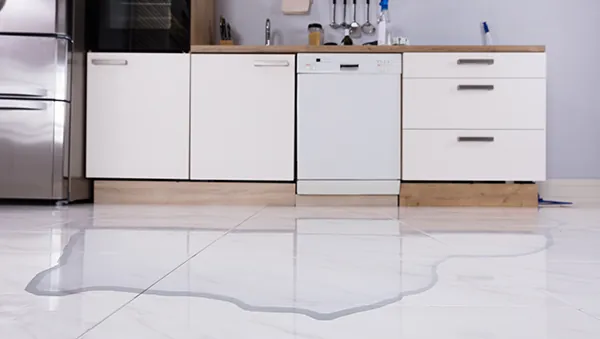
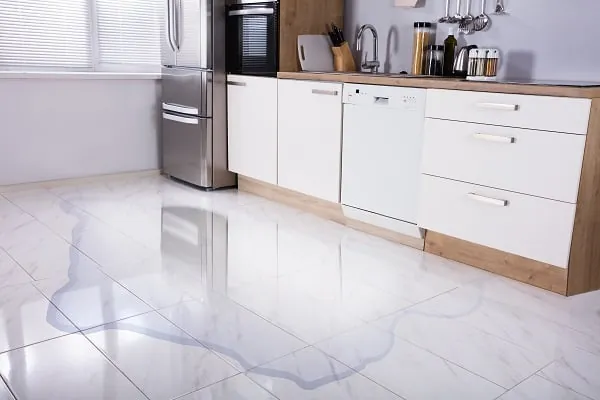
Finding a puddle on your kitchen floor is a stressful experience, but when you notice your dishwasher leaking, it’s rarely a catastrophic event that requires replacing the entire appliance. Most leaks stem from simple maintenance oversights or small, easily replaceable parts that have worn down over time. By systematically inspecting the common failure points of your unit, you can identify the source of the water and perform a repair that restores your machine to full functionality without professional assistance.
Key Takeaways
- Check the door gasket for debris, cracks, or hardening to ensure a tight, watertight seal.
- Inspect the float switch to confirm it moves freely and isn’t stuck in the open position.
- Examine the spray arms for clogs or cracks that might redirect water against the door.
- Verify that your dishwasher is level, as an improper tilt can cause water to pool and overflow.
- Ensure you’re using the correct type and amount of detergent to prevent excessive sudsing.
Why is my dishwasher leaking?
A dishwasher leaking is typically caused by one of three categories: physical damage to seals, mechanical failure of internal components, or improper usage habits. The most common culprit is a compromised door gasket, the rubber seal running along the perimeter of the door.
Over time, these seals accumulate food particles, grease, and mineral deposits that prevent them from closing flush against the frame. Additionally, the seal may simply degrade due to age, becoming brittle or tearing under the heat of regular cycles.
Another frequent cause involves the float switch assembly. This component is designed to detect the water level and shut off the intake valve once the basin is full. If debris, such as a stray utensil or food scrap, prevents the float from rising, the machine will continue to fill until the water spills over the bottom edge of the door.
You should also look at the spray arms; if the holes are clogged, the water pressure may be forced in unintended directions, hitting the door seals with excessive force.
Troubleshooting the Door Seal
The door gasket is the primary barrier against water egress. To inspect it, open the door fully and run your finger along the rubber seal. You’re looking for signs of brittleness, cracking, or food residue. If the seal is merely dirty, clean it with a soft cloth and warm, soapy water. If it’s damaged, it must be replaced.
| Component | Inspection Frequency | Potential Issue |
|---|---|---|
| Door Gasket | Monthly | Cracks or debris |
| Spray Arms | Quarterly | Clogged nozzles |
| Float Switch | Semi-annually | Stuck or blocked |
| Water Inlet Valve | Annually | Mineral buildup |
When replacing a gasket, ensure you purchase the exact model number compatible with your specific dishwasher. Brands like Bosch, Whirlpool, KitchenAid, and GE have unique seal profiles. Once you have the replacement part, pull the old gasket out of its channel and press the new one into place, starting from the center and working toward the corners to prevent stretching.
Checking the Spray Arms
If your dishes aren’t getting clean and you see water leaking, the spray arms are the likely suspects. These arms rotate to distribute water, but if the holes become blocked by hard water deposits or food debris, the water stream can become erratic. When water hits the door seal at an angle or with excessive turbulence, it can bypass the gasket.
To clean them, remove the arms by unscrewing the central nut or releasing the locking clip. Use a toothpick or a small wire to clear each hole. You should also check the plastic housing for splits or cracks. A hairline crack in the arm can cause a high-pressure jet of water to spray directly at the door seal, which is a common cause of mysterious leaks that only appear during the wash cycle.
How to test the float switch?
The float switch is located at the bottom of the tub, usually near the front. It’s a small, plastic dome or cylinder that moves up and down. To test it, manually lift the float. It should move smoothly without resistance and produce an audible “click” when it reaches the top. If it feels stuck, there’s likely debris trapped beneath it.
Warning: Always disconnect the power supply to the dishwasher before reaching into the basin to clear debris or inspect electrical components.
If the switch doesn’t click, the internal microswitch may be faulty. Use a multimeter to check for continuity. If there’s no continuity when the switch is activated, the part requires replacement. A malfunctioning switch is a primary reason for excessive water intake, which inevitably leads to a leak regardless of how well the door seal is maintained.
Inspecting the Water Inlet Valve
The water inlet valve is the component responsible for bringing water from your home’s plumbing into the dishwasher. If this valve fails to close properly, the machine will overfill even when the power is off. You can often identify a faulty valve if the dishwasher continues to fill with water while it’s turned off or if it leaks from the bottom of the unit near the rear.
Check the valve for signs of mineral buildup or leaks at the connection points. Tightening the connections may solve the issue, but if the leak originates from the body of the valve itself, it must be replaced.
Is the dishwasher level?
A dishwasher that isn’t perfectly level will cause water to pool toward one corner or the door, eventually exceeding the height of the seal. Use a carpenter’s level on the front and sides of the appliance to verify its orientation. If the machine is tilted forward, water will collect at the door.
Most units have adjustable feet that can be raised or lowered. Use a wrench to adjust these legs until the bubble on your level is perfectly centered. If you have a built-in model, you may need to remove the toe kick panel at the bottom of the unit to access the leveling legs.
Ensuring the machine is level not only stops leaks but also helps the pump drain the water more efficiently, preventing stagnant water from lingering in the bottom of the tub.
Managing detergent and sudsing
Using the wrong type of soap or too much of it can create a massive amount of suds. These suds are much thinner than water and can easily push past the door gaskets. Always use detergents specifically formulated for automatic dishwashers. Never use regular dish soap, which is intended for hand-washing and will create a mountain of foam that will almost certainly leak out of the door.
If you have already added too much detergent, you can attempt to neutralize the suds by adding a small amount of white vinegar or a dedicated anti-foaming agent to the bottom of the tub. Run a rinse cycle to flush the excess soap out of the system. If you live in an area with particularly soft water, you may find that you need even less detergent than the manufacturer recommends, as soft water creates more lather than hard water.
Comparing common repair costs
Repairing a dishwasher leak can range from zero dollars if it’s just a cleaning issue to a moderate expense if a part needs replacement.
| Repair Type | Estimated Cost Range | Difficulty |
|---|---|---|
| Cleaning Gasket/Float | $0 – $10 | Low |
| Replacing Door Seal | $20 – $80 | Medium |
| Replacing Float Switch | $15 – $60 | Medium |
| Replacing Inlet Valve | $30 – $100 | High |
The costs above reflect the price of parts. If you choose to hire a professional, labor fees will typically add $100 to $250 to the total cost, depending on your geographic location and the complexity of the repair. Most of these tasks are well within the capabilities of a homeowner with basic tools like a screwdriver and a wrench.
Preventing future kitchen floods
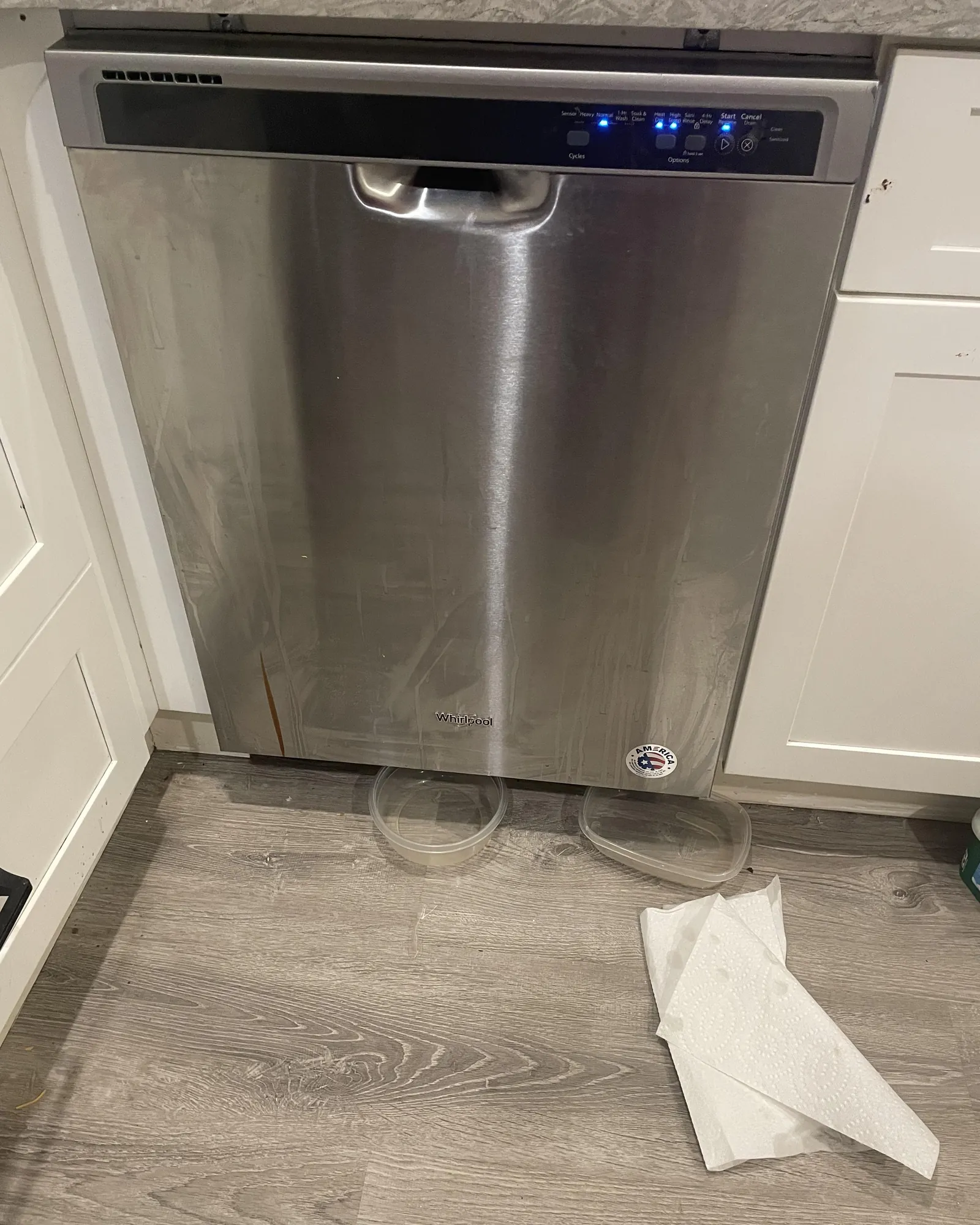
To keep your dishwasher running leak-free, adopt a consistent maintenance schedule. Once a month, inspect the door seal for debris and wipe it down with a damp cloth. Every three months, clear the spray arm holes and check the float switch for smooth operation. Keeping the filter clean is also vital; a clogged filter can prevent water from draining properly, which leads to higher water levels and potential overflow issues.
If you notice a leak, don’t ignore it. A small drip can quickly turn into a significant amount of water that damages your cabinetry, flooring, and potentially the subfloor. By addressing the leak at the first sign of moisture, you extend the life of your appliance and protect your kitchen from costly repairs.
Related guides
- Dodge Ram Transmission Troubleshooting: Fix Common Problems in 2026
- Troy Bilt Riding Mower Troubleshooting: Fix Common Problems in 2026
- Trailer Light Problems Troubleshooting: Fix Common Failures in 2026
Frequently Asked Questions
Can I fix a dishwasher leak myself?
Yes, most dishwasher leaks are caused by simple issues like clogged spray arms, dirty seals, or debris under the float switch. These can usually be fixed with basic household tools and a bit of patience. Unless the leak involves complex electrical wiring or the main pump assembly, a typical homeowner can perform the repair without needing to hire a professional technician or replace the entire appliance.
Why does my dishwasher leak only during the wash cycle?
If the leak only occurs during the wash cycle, it’s usually due to excessive water pressure hitting a damaged seal or a misdirected spray. Check for clogged holes in the spray arms that might be creating high-pressure jets, or look for hair-line cracks in the arms. Additionally, verify that the door gasket is seated correctly and free of debris that might allow water to escape under pressure.
How do I know if the door gasket is bad?
A bad door gasket will often appear brittle, cracked, or deformed. To test it, perform a visual inspection for obvious gaps. You can also run a piece of paper along the closed door; if the paper slides through easily with no resistance, the seal isn’t tight enough. If the rubber feels hard rather than pliable, it has lost its sealing capability and needs to be replaced.
Could the dishwasher pump be leaking?
Yes, the pump and its associated hoses can leak, though this is less common than seal or float issues. If you notice water dripping from the very center or back of the machine, or if you hear a grinding noise during the drain cycle, the pump seal might be failing. This type of repair is more involved and may require removing the pump assembly from the bottom of the unit.
Does hard water cause dishwasher leaks?
Hard water leads to the buildup of mineral deposits, which can interfere with the performance of your dishwasher. These deposits can clog the spray arm holes, stick the float switch in place, or degrade the rubber door gasket over time. Regularly cleaning your dishwasher with a descaling solution or white vinegar can help prevent these mineral-related issues and keep the internal components moving and sealing correctly.
Conclusion
If you’re still unable to pinpoint the source of the leak after following these steps, check the manufacturer’s website for your specific model’s service manual. Often, these manuals include exploded diagrams that can help you identify hidden components like internal hoses or clamps that might be loose. If all else fails, contact a qualified appliance repair professional to inspect the unit for internal component failure.