
Key Takeaways
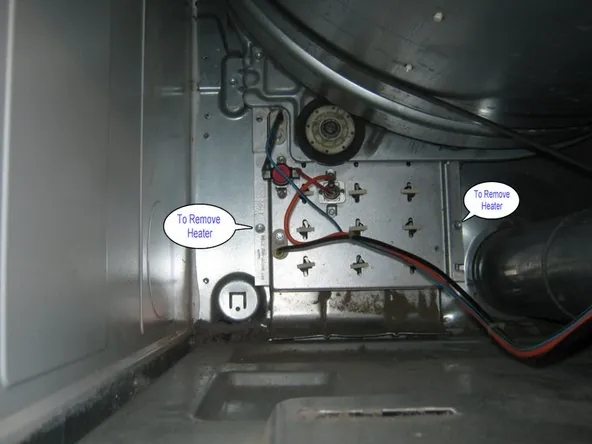
- Check your circuit breaker first, as a partial trip can leave the motor running while cutting power to the heat source.
- The thermal fuse is a common culprit; it’s a one-time safety device that blows when the dryer overheats.
- Gas models require a functioning igniter and flame sensor to produce heat, whereas electric models rely on a heating element.
- Always disconnect the power supply or turn off the gas valve before attempting any internal inspection or part testing.
- Regularly cleaning the lint trap and the external vent pipe prevents the airflow restrictions that cause most heating failures.
Is Your Power Supply Sufficient?
| Component | Function | Potential Failure State |
|---|---|---|
| Circuit Breaker | Supplies electricity | Tripped or partial connection |
| Power Cord | Transfers energy | Damaged pins or loose wires |
| Terminal Block | Connects cord to machine | Burnt or melted connection |
Troubleshooting Gas Dryer Igniters
A gas speed queen dryer heats differently than electric models by using a gas valve solenoid and an igniter. The igniter glows to signal the gas valve to release fuel for ignition. If the igniter is cracked or fails to glow, the gas will not ignite. A faulty flame sensor also prevents the gas valve from opening by failing to detect heat from the igniter.
Common Gas Dryer Failures
- Igniter failure: The ceramic part is broken or the internal element is burnt out.
- Flame sensor: The bimetal contacts inside the sensor have become stuck or corroded.
- Gas valve solenoids: The electromagnetic coils are too weak to open the valve fully.
How to Check Airflow Restrictions
Poor airflow is the primary cause of heating component failure. When air can’t escape the drum, heat builds up inside the cabinet, triggering safety thermostats and thermal fuses. Check the entire length of your exhaust ducting, including the flexible hose behind the dryer and the rigid pipe leading outside your home.
Ensure the exterior vent hood isn’t obstructed by debris, bird nests, or lint buildup. According to the Consumer Product Safety Commission, regular cleaning of the dryer vent is essential to prevent internal component damage and reduce the risk of structural fires.
Testing the Cycling Thermostat
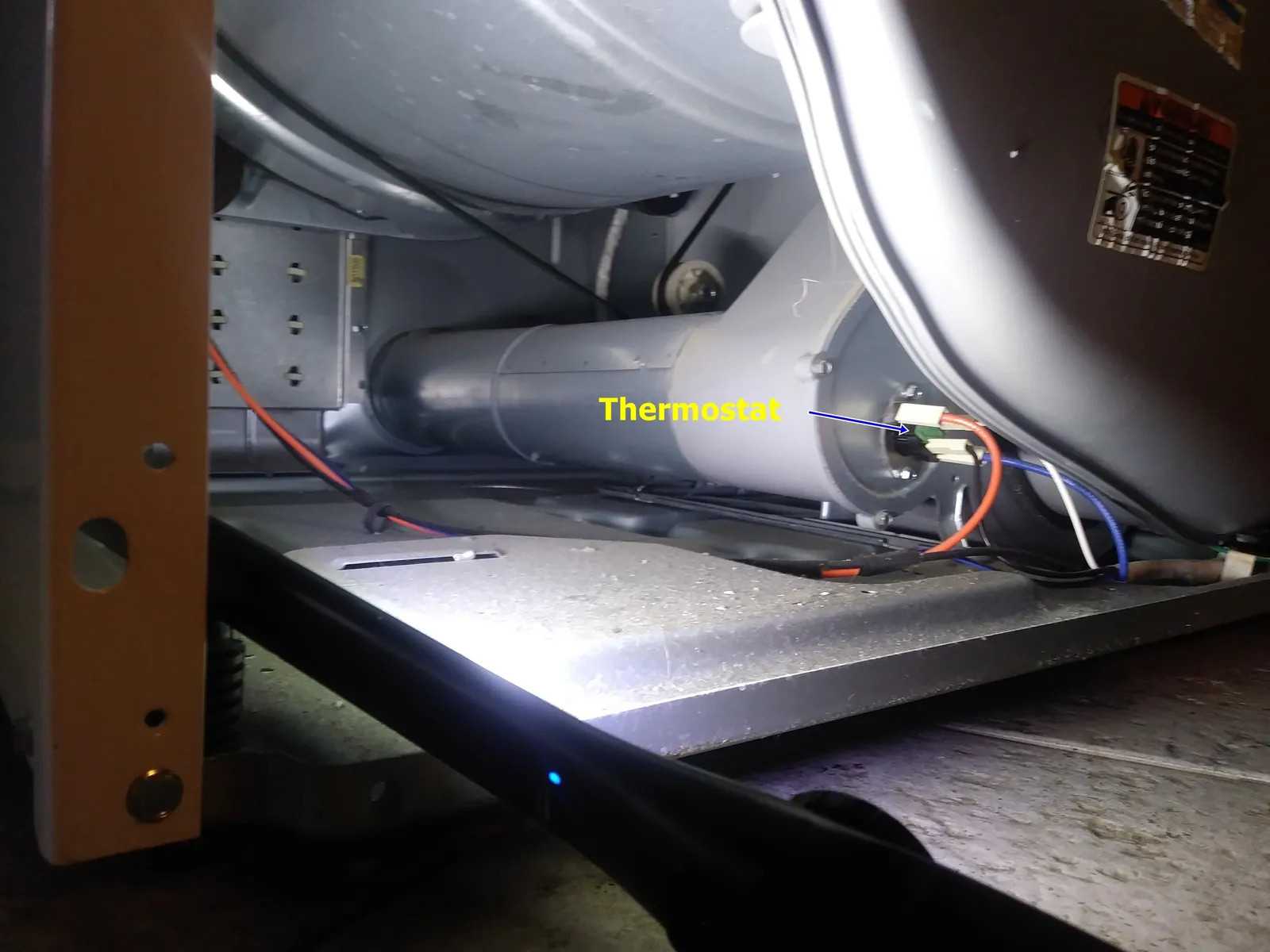
The cycling thermostat regulates the temperature inside the drum by turning the heating element on and off as needed. If this thermostat fails, it may remain in the “open” position, effectively preventing the heating element from receiving any electrical signal.
This component is usually located near the blower housing or the heating element assembly. If your dryer runs for a long time without getting warm, the cycling thermostat may be stuck in a way that prevents the heat circuit from closing.
The Role of the Timer
While less common than component failure, a faulty timer switch can occasionally be the cause of a dryer not heating. The timer controls the sequence of the drying cycle, including the duration of the heat application.
If the internal contacts within the timer are burnt or damaged, it may fail to send a signal to the heating circuit. To diagnose this, listen for the clicking sound of the timer as it advances; if the timer is stuck or doesn’t advance through the cycle, it may need to be replaced.
Comparing Heating System Components
| Component Type | Model Compatibility | Common Symptom |
|---|---|---|
| Thermal Fuse | Electric & Gas | No heat at all |
| Heating Element | Electric Only | No heat, possible burning smell |
| Igniter | Gas Only | Dryer tumbles but never heats |
| Cycling Thermostat | Electric & Gas | Intermittent heat or no heat |
Is the Motor Centrifugal Switch Working?
The motor centrifugal switch plays a dual role in many dryer designs. It ensures the dryer motor is spinning at the correct speed before allowing the heating element to engage. If the motor isn’t reaching the required RPM, or if the switch itself is faulty, the circuit to the heating element won’t close. This is a protective feature designed to prevent the heating element from burning out if the drum stops spinning while the heat is still active.
Checking the Door Switch
While the door switch is primarily responsible for stopping the drum when the door is opened, a faulty switch can sometimes cause inconsistent electrical behavior. If the switch isn’t fully engaging, it may allow the motor to run but fail to complete the circuit for the heating system.
Check the door strike and the switch mechanism to ensure that the door is pressing the switch down firmly. If the switch feels loose or doesn’t click when pressed, it may be time for a replacement.
Maintaining Your Dryer for Longevity
Pro Tip: Replace your flexible vent hose with a rigid or semi-rigid metal duct if you’re currently using plastic or foil, as these can easily collapse and trap lint.
Regular maintenance is the best way to prevent your dryer from losing its ability to heat. This includes vacuuming the lint out of the internal cabinet once a year, as lint accumulation can insulate components and cause them to overheat. Additionally, inspecting the drum seals can ensure that heat stays inside the drum rather than escaping into the cabinet. Keeping the area around the dryer free of dust and debris also helps the machine run cooler and more efficiently.
Related guides
- Garage Door Liftmaster Troubleshooting: Fix Sensors and Limits in 2026
- 8 Best Exhaust Heat Wrap Matting Sleeving for Thermal Control in 2026
- Lennox Heating System Troubleshooting: Simple Fixes That Work in 2026
Frequently Asked Questions
Can I fix a dryer that isn’t heating myself?
Yes, many dryer repairs are straightforward if you have basic tools like a screwdriver and a multimeter. Replacing a thermal fuse or a heating element is a common DIY task. However, if you’re uncomfortable working with high-voltage electrical components or gas lines, it’s safer to contact a professional technician to ensure the repair is performed according to local safety codes.
Does a clogged vent cause the dryer to stop heating?
Yes, a clogged vent is the leading cause of heating failures. When air can’t escape, the dryer overheats, which trips the thermal fuse or the high-limit thermostat to prevent a fire. Once these safety devices are triggered, the heating element is cut off from the power supply, leaving you with a dryer that spins but never produces the heat needed to dry your clothes.
How much does it cost to repair a dryer heating issue?
The cost to repair a dryer heating issue typically ranges from $50 to $350. The price depends on whether you perform the repair yourself or hire a professional, and which part has failed. A thermal fuse usually costs between $10 and $30, while a heating element or gas valve solenoid can range from $40 to $150. Professional labor fees generally add $100 to $200 per visit.
Conclusion
If you’ve checked these parts and the drum still stays cold, it’s time to call a professional technician. Don’t risk working with gas lines if you aren’t completely comfortable. They’ll have the right tools to diagnose the issue safely so you can get your laundry back on track quickly.