
For Troy Bilt Riding Mower Troubleshooting, start by checking fuel levels, battery connections, and safety switches. If the engine cranks but won’t start, the cause is often stale fuel or a blocked filter. Machines sitting over 30 days frequently develop these issues as gasoline degrades.
Troy Bilt Riding Mower Troubleshooting
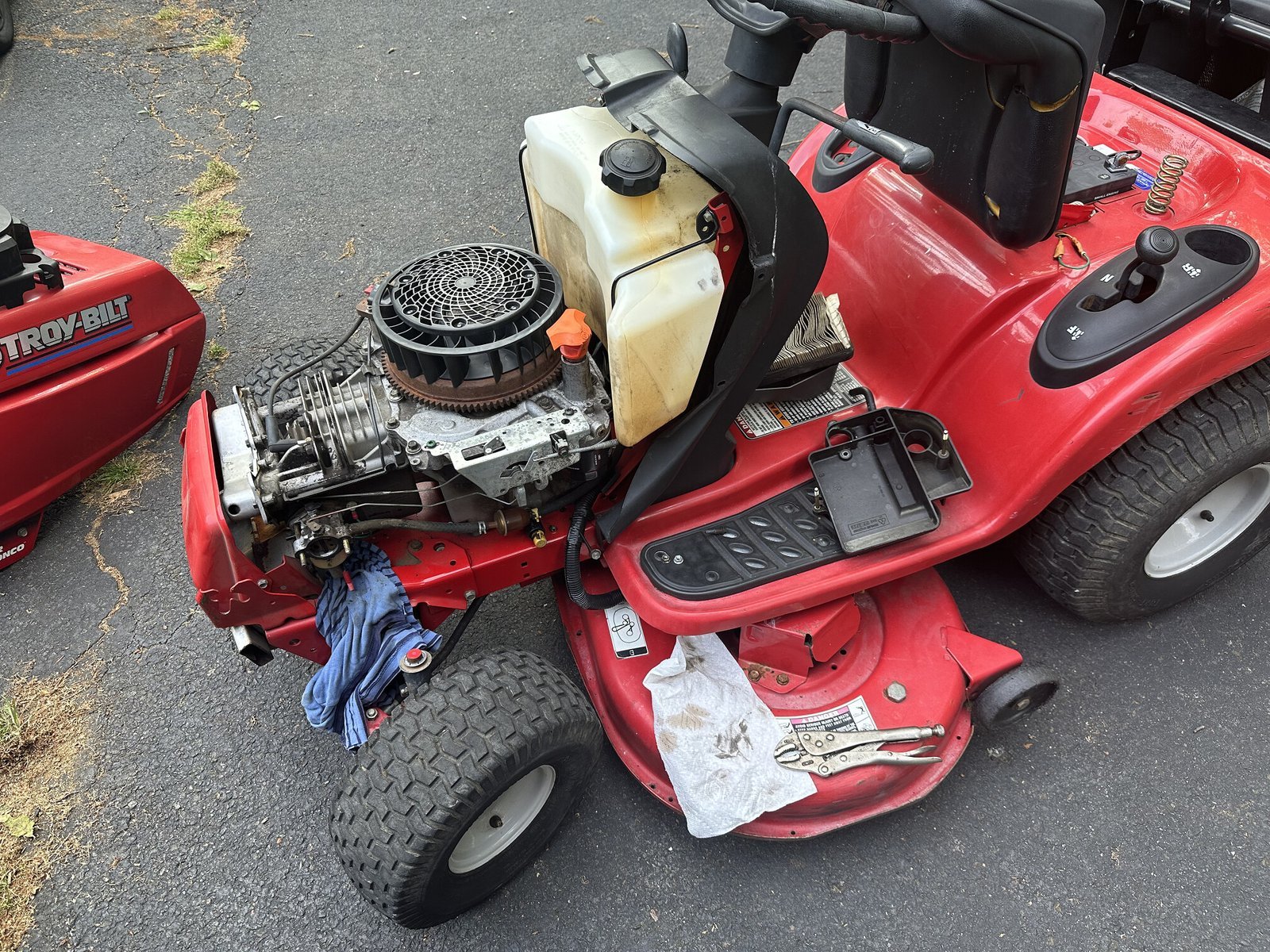
Mechanical failure on a riding mower usually stems from three main areas: fuel quality, electrical continuity, or safety interlocks. Gasoline is highly volatile, and when it sits in a tank or carburetor for several weeks, the lighter components evaporate. This leaves behind a gummy residue that prevents the fuel from flowing through the tiny passages of the carburetor. If your mower was running fine last season but refuses to start now, the fuel system is the first place you should look.
Electrical issues often involve the battery or the safety systems. Riding mowers use a series of sensors—called interlocks—to prevent the engine from starting if the deck is engaged, the brake isn’t set, or the seat is empty. If one of these sensors fails or gets stuck due to grass buildup, the engine will remain silent even if the battery is fully charged. You can often clear these by cleaning the area around the pedal linkages and the seat switch.
Finally, vibration is a constant factor in small engine operation. Over time, this vibration can loosen terminal connections on the battery or the starter solenoid. If you hear a single “click” when turning the key, it typically means the starter solenoid is engaging, but there’s insufficient current reaching the starter motor to turn the engine over. This is almost always a sign of a loose or corroded battery cable. Always ensure the battery terminals are tight and free of white, powdery corrosion before assuming the battery itself is dead.
Check the battery and terminals
This fix is for anyone who hears a clicking sound or nothing at all when turning the ignition key. First, ensure the parking brake is fully engaged and the blade engagement lever is in the “off” position. Locate the battery, usually found under the seat or the hood. If the metal cables look loose, use a wrench to tighten the nuts on the terminals until they don’t move. If you see white or blue crust on the terminals, clean it off with a dedicated battery terminal cleaner or a wire brush.
After cleaning, check the battery voltage if you have a multimeter, or simply try to start the mower again. If it starts, the loose connection was the culprit. If it doesn’t start, the battery may be discharged. You can use a standard 12-volt charger, but never use a high-amperage automotive “quick start” setting, as this can damage the sensitive electronics on a small mower. If the battery is older, it may no longer hold a charge regardless of how much you clean it. If you suspect the battery is faulty, consult the Troy Bilt product support portal to identify the correct replacement size for your specific deck and engine configuration. This varies by model — check the label on your current battery before buying a new one. If you’re uncomfortable working with electrical systems, contact a certified repair shop to avoid the risk of a short circuit.
Clear the fuel system
This fix is for mowers that crank but fail to catch, or those that sputter and die after a few minutes of use. Stale fuel is the number one cause of this behavior. If the mower has been sitting for more than a month, drain the old fuel from the tank into an approved container. Replace the fuel with fresh gasoline that contains no more than ten percent ethanol. If you have a fuel shut-off valve, ensure it’s in the “open” position.
Next, look at the fuel filter, which is usually a small, clear plastic cylinder in the fuel line. If the filter looks dark, dirty, or has no fuel visible inside, it’s likely clogged. A clogged filter starves the engine of the gas it needs to keep running. If you replace the filter, ensure the arrow on the side of the filter points toward the engine, following the direction of fuel flow. If the engine still struggles after fresh fuel and a new filter, the carburetor may have internal blockage. Cleaning a carburetor requires taking the unit apart, which is a complex job that can lead to engine damage if done incorrectly. If you don’t have experience with small engine repair, it’s better to take the mower to a professional. This trade-off is simple: the cost of a professional cleaning is usually less than the cost of replacing an engine damaged by improper reassembly.
Inspect safety switches
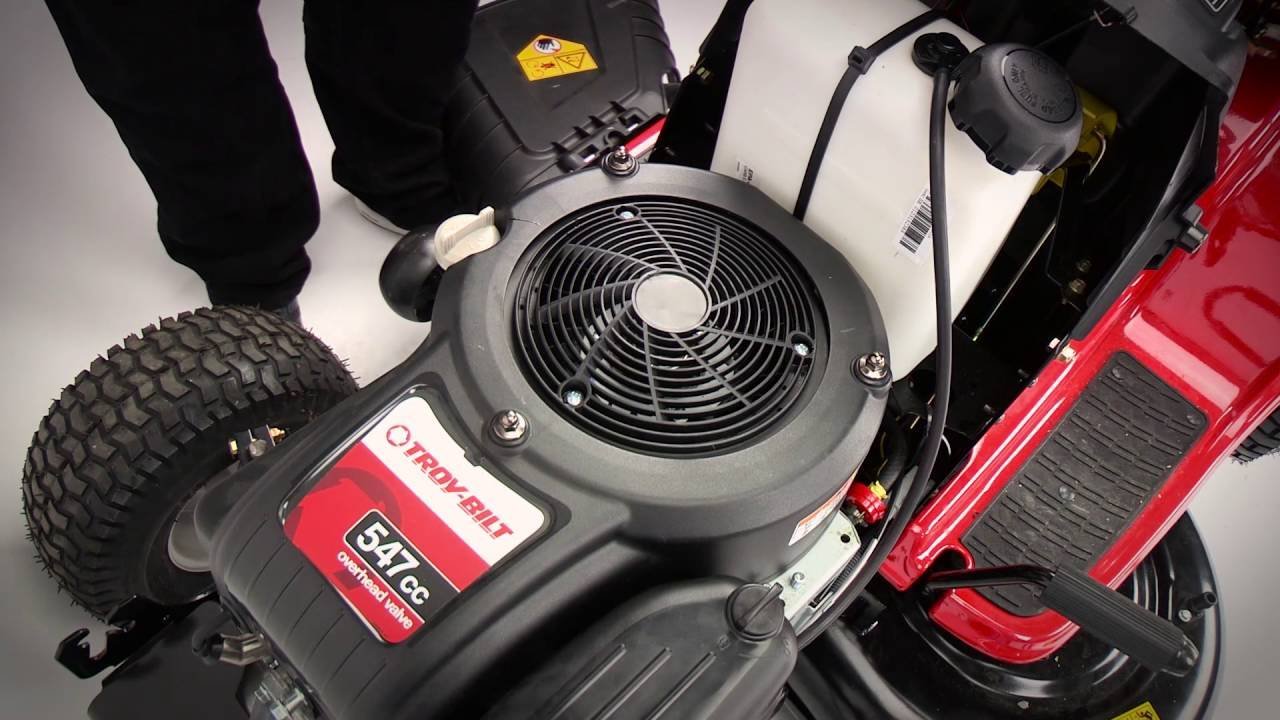
This fix is for instances where the mower seems perfectly fine but simply won’t engage the blades or start. Riding mowers have safety switches under the seat, on the brake pedal, and near the blade engagement lever. If these switches are blocked by dried grass or mud, the machine won’t send the signal to start. Use a soft brush or compressed air to gently remove debris from the area around the pedal base and under the seat.
Don’t use high-pressure water to clean these areas, as it can force moisture into the electrical connections and cause rust. If the switch feels stuck or does not “click” when you press it, it may be broken. If you have to hold the brake pedal in a specific, awkward position just to get the engine to turn over, your brake safety switch is likely loose or failing. This is a common point of failure for mowers used on uneven terrain. If cleaning the area doesn’t solve the problem, the switch itself likely needs replacement. Replacing a safety switch is a straightforward task, but it requires access to the underside of the frame. If you don’t have the equipment to lift the mower safely, don’t attempt this. Always use professional-grade jack stands if you must elevate the mower, as a falling machine can cause severe injury.
What not to do
- Never use starter fluid in the air intake. This can cause a backfire that ruins the air filter or, in extreme cases, causes an engine fire.
- Don’t bypass safety switches with wire or tape. These switches are there to prevent you from falling off or getting caught in the blades, and bypassing them voids your safety protections.
- Avoid using high-pressure power washers on the engine. Water forced into the electrical harness or the carburetor will cause immediate starting issues and long-term corrosion.
- Don’t ignore an oil pressure light. If your model has these indicators, they’re there to tell you the engine is already suffering; running it further will cause permanent damage.
- Never attempt to sharpen blades while they’re attached to the mower. This is a dangerous practice that often leads to accidental engagement and serious injury; always remove the deck first.
How to stop it happening again
Consistency is the best way to keep your mower running every season. Use the table below to manage your maintenance tasks.
| If you’re doing this | Do this instead | Why |
|---|---|---|
| Leaving gas in the tank | Add fuel stabilizer | Keeps gas from turning to gum |
| Washing the deck with a hose | Use a leaf blower | Prevents water from entering switches |
| Storing in the rain | Use a mower cover | Protects electronics from humidity |
Frequently asked questions
Can I use premium gas in my mower?
No, use the fuel grade recommended in your manual. Most Troy Bilt mowers are designed for regular unleaded gas with an 87 octane rating. Using premium gas doesn’t improve performance and can cause carbon buildup.
Why does my mower die when I engage the blades?
This usually happens because the engine isn’t fully warmed up or the deck is clogged. If the deck is packed with thick, wet clippings, it creates too much resistance. Clear the underside of the deck before you start.
How long should a mower battery last?
A typical lead-acid battery for a riding mower lasts several seasons. This varies by model; check the label on your battery for the manufacture date and cold cranking amps. If you leave the mower in a cold garage without a trickle charger, the battery may fail sooner.
Is it safe to jump-start my mower with a car?
No, you should never jump-start your mower with a car battery, as its high amperage capacity can damage the mower’s electrical system. A car battery has a much higher amperage capacity and can fry the small electrical components on your mower. Use a dedicated 12-volt charger designed for small garden equipment instead.
What happens if I use E85 fuel?
You’ll damage the fuel system components, including the fuel lines and the carburetor. E85 contains high levels of ethanol, which destroys the rubber seals and plastic parts in standard small engines. Only use fuel with an ethanol content of 10 percent or less.
Final Thoughts
If these quick checks don’t get your mower running smoothly, it’s time to consult your owner’s manual for specific part numbers. Don’t hesitate to reach out to a local repair shop if you’re still stuck. They’ll help you get back to your yard work before the grass grows too tall.