
The lg dryer flow sense system is a built-in feature that measures how well air moves through your exhaust vent to prevent fire hazards and improve drying efficiency. When the machine detects a blockage or a long, twisted duct, it alerts you by displaying a code on the control panel. This technology monitors the air pressure inside the drum during a cycle. If the pressure stays too high, the system knows that air can’t escape easily. This helps you keep your home safe while ensuring your clothes dry in a reasonable amount of time.
How the system works
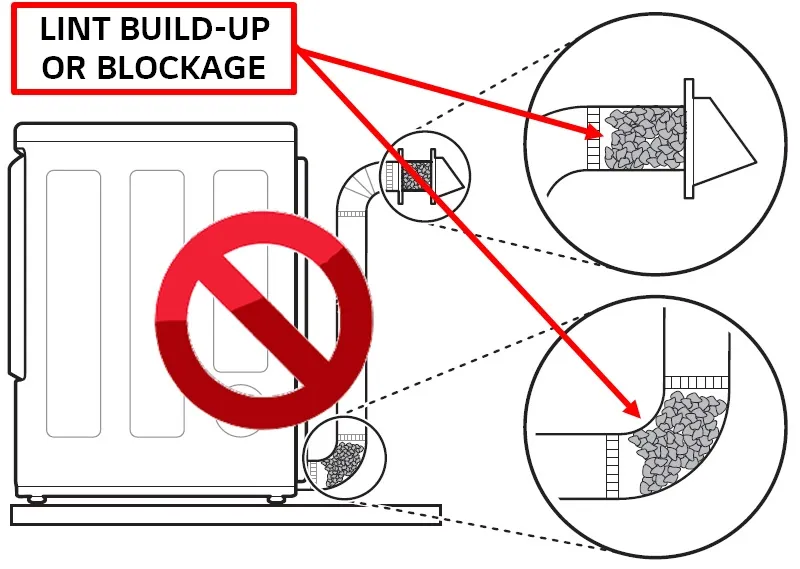
The dryer uses a sensor to track airflow resistance during the first few minutes of a cycle. This initial handshake between the machine and your home’s venting system determines the entire drying duration. You should check your vent if the machine shows any warning lights or if clothes remain damp after a full cycle.
If your dryer displays an “F0E1” or “Check Vent” error within five minutes of starting, the blockage is likely in the flexible hose behind the unit. If the error appears after twenty minutes, the obstruction is deeper in the wall ductwork.
Most users mistakenly clean only the lint trap, ignoring the exterior vent hood. This oversight forces the heating element to cycle on and off rapidly, which can cause the thermal fuse to blow. If your clothes feel hot but remain damp, the airflow is restricted, not the heat.
| Part or Input | What it does | What you notice when it goes wrong |
|---|---|---|
| Exhaust vent | Carries moist air outside | Lint buildup slows air exit |
| Pressure sensor | Detects air resistance | Frequent flow sense error codes |
| Control board | Analyzes sensor data | Dryer stops mid-cycle often |
| Lint filter | Catches surface debris | Reduced airflow through machine |
| Heating element | Warms the air | Clothes stay wet longer |
When in doubt, disconnect the exhaust hose and run a ten-minute air-fluff cycle. If the machine operates without error, your home’s vent path is the culprit.
Steps to test your dryer
Follow these steps to see if your home venting is causing issues. This process takes about 10 to 15 minutes to complete. Don’t add any clothes to the dryer during this test.
Clear the lint screen completely before you start. A dirty screen creates a false reading by mimicking a blocked vent. If your screen has a waxy film from dryer sheets, scrub it with a soft brush and warm water before testing.
Turn the dryer on and press the “Flow Sense” button or navigate to the diagnostic mode. Keep the dryer door closed and press start to begin the airflow check. Watch the display for a number or bar graph that indicates the level of restriction.
If your model shows four bars or a high number, your vent is likely obstructed. Most homeowners make the mistake of only cleaning the wall cap; however, if the restriction remains after cleaning the cap, the clog is almost certainly in the flexible transition hose behind the machine.
If your dryer lacks a digital sensor, perform a manual test. Run the machine on high heat for five minutes. If the exterior vent hood feels cold or produces no noticeable air pressure, you have a blockage. If the air is warm and strong, your venting is clear. In this case, your drying issues stem from a faulty heating element or a blown thermal fuse rather than the exhaust system.
Why dryer flow sense matters
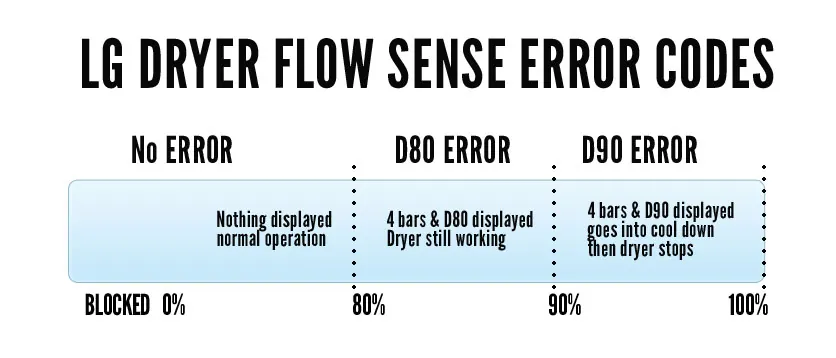
The primary reason this feature exists is to prevent overheating and dangerous lint fires. When air can’t move freely, the heat stays inside the drum instead of escaping through the vent. This causes the internal components to work harder than they should. If the temperature gets too high, the safety thermostat will cut power to the heater to prevent damage. This is why your clothes might come out cold and wet even after an hour of running.
You must pay attention to these warnings because they indicate a physical restriction in your home. Many people blame the dryer when the actual problem is a clogged wall vent or a crushed hose behind the unit.
If you ignore the warning, the dryer will take much longer to dry each load. This wastes electricity and puts extra stress on the belt and motor. A dryer is designed to push air at a specific volume; if you block that exit, the system essentially chokes.
Check the exterior vent hood while the dryer is running. If you can’t feel a firm, steady breeze exiting the house, the blockage is severe. A simple rule applies: if the hose feels hot to the touch near the wall, the restriction is likely within the first three feet of the vent. If the hose remains cool but the dryer still stops, check for a crushed pipe behind the machine.
If you find a blockage, you need to clean the ductwork immediately. If you have a long, winding vent pipe, you might need a professional service to clear the corners. A mistake people often make is only cleaning the lint trap and ignoring the hose.
This costs them money in higher energy bills and potential repair costs for a burnt-out heating element. If your vent is clear and the code persists, the internal sensor might be faulty. In that case, you should contact a professional technician to inspect the internal components.
What you can change and what you cannot
Things you control
- Clean the lint filter after every single load of laundry.
- Inspect the exterior vent hood to ensure the flaps open freely.
- Use rigid or semi-rigid metal ducting instead of flexible plastic hoses.
- Keep the vent path as short as possible with minimal bends.
Things fixed by design
- The sensitivity threshold of the internal pressure sensor.
- The factory-set airflow requirements for your specific model.
- The location of the sensor within the blower housing.
If you don’t have the proper tools to reach high vents or navigate tight spaces, hire a professional. Attempting to clean deep ducts without the right brushes can damage the pipe or leave debris that causes a fire later.
Habits for better dryer performance
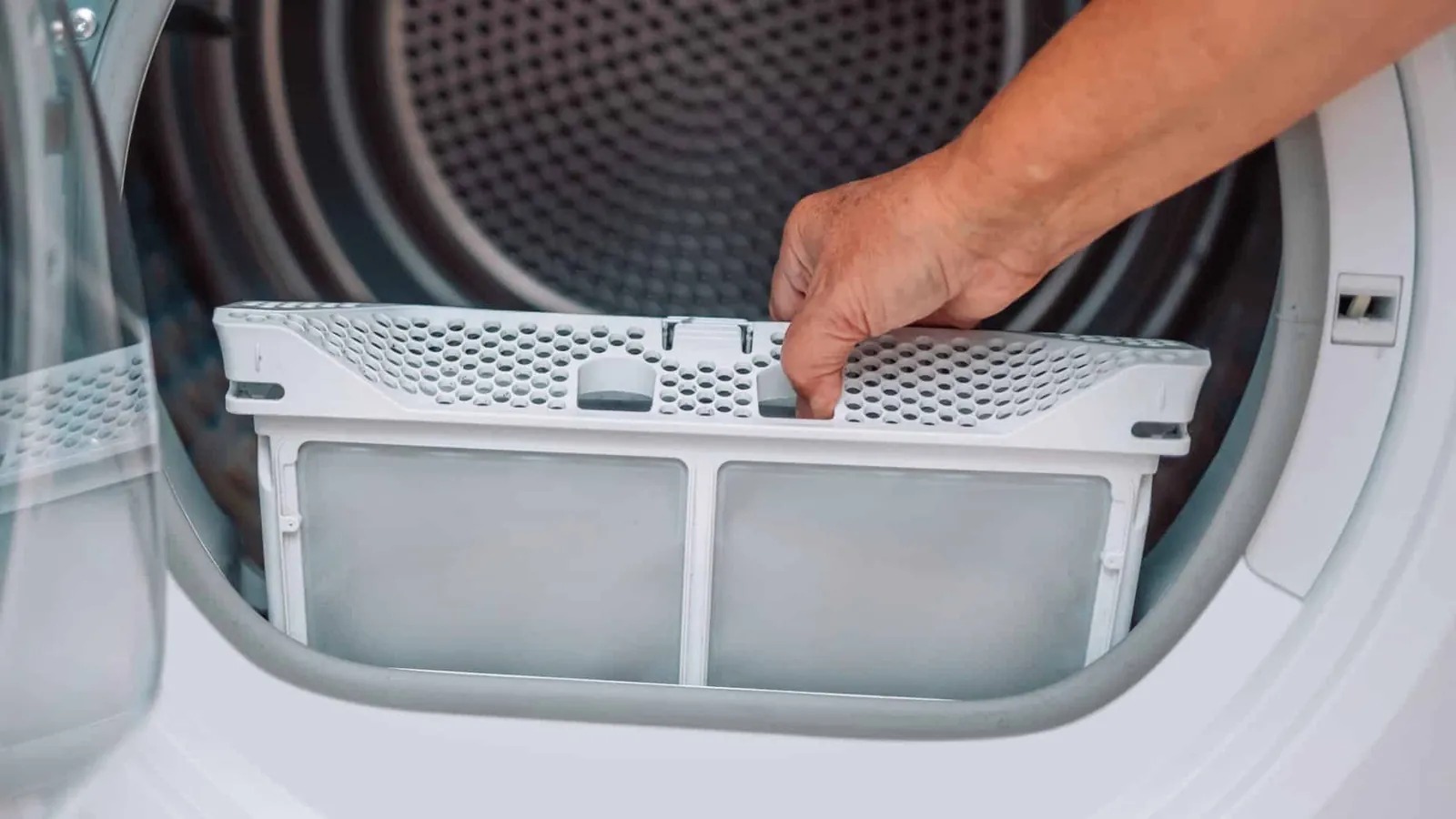
Maintain your dryer by keeping the path to the outside as clear as possible. Check your exterior vent hood regularly based on your usage and the owner’s manual to ensure no birds or debris have blocked the exit. If you live in a home where the vent runs through the roof, hire a professional cleaner as needed according to the owner’s manual to prevent heavy lint accumulation that you can’t reach.
When you load the dryer, don’t overfill it. A drum packed too tightly prevents air from circulating around the clothes, which tricks the sensor into thinking the vent is blocked. Keep your loads to about 75% capacity to allow for proper tumbling. If you notice the drying time increasing over time, even with a clean lint filter, it’s time to check the vent line again.
If you have a very long vent run, consider installing a secondary booster fan. This keeps the air moving at a steady pace, which helps the sensor stay within a safe range. Always ensure that the transition hose behind the dryer isn’t crushed against the wall. A kinked hose reduces airflow by up to 50% depending on the severity of the bend, which is the most common cause of persistent error codes.
Most homeowners make the mistake of using flexible, white vinyl ducting for this transition. Replace any plastic or foil-style ducts with rigid metal piping immediately. Plastic ducts trap lint in their ridges and pose a significant fire hazard. If your dryer takes more than one cycle to dry a standard load of cotton towels, the vent is likely obstructed or improperly routed. In this case, stop using the machine until you verify the airflow path is clear.
Related guides
- Sloan Automatic Faucet Troubleshooting: Simple Fixes for Flow in 2026
- Bendix AD-IS Air Dryer Troubleshooting: Fix Moisture and Leaks in 2026
Frequently asked questions
Can I turn off the flow sense alert?
No, you can’t disable the flow sense system because it’s a core safety feature built into the control software. The alert serves as a warning that your venting system is failing to exhaust air properly. If you find the light annoying, the only way to make it disappear permanently is to fix the restriction in your home’s ductwork or clear the clogged lint from the vent line.
How often should I test the airflow?
You should test the airflow at least once every six months or whenever you notice drying times getting longer. If you have a large family and do multiple loads every day, checking every three months is safer to prevent lint buildup. Always test with an empty dryer to ensure the sensor gets an accurate reading of your home’s vent performance without the interference of wet clothes.
Is it safe to use the dryer if the light is on?
No, it isn’t safe to ignore the light because it indicates that your dryer is overheating or struggling to exhaust air. Running a dryer with high airflow restriction significantly increases the risk of a lint fire inside the wall or the machine. You should stop using the dryer and clear the vent line before running your next load of laundry to prevent damage or safety hazards.
How long does a flow sense test take?
A standard flow sense test takes about 3 to 5 minutes to complete on most models. The dryer runs the blower motor at high speed to measure the resistance of the air pushing through your vent. You don’t need to wait for a full cycle; the machine will display the result or clear the error code as soon as it finishes the short diagnostic check.
What happens if the duct is too long?
If your vent duct is longer than the manufacturer’s maximum recommendation, the dryer will struggle to push air out, triggering the flow sense alert. Most manufacturers specify a maximum length, often around 20 to 30 feet, which decreases by several feet for every 90-degree elbow installed. If your duct exceeds these limits, you may need to install a booster fan to maintain proper airflow and keep the warning light off.
Does it matter if I use a plastic vent hose?
Yes, it matters because plastic vent hoses are dangerous and often prohibited by local building codes for clothes dryers. They’re prone to sagging, which traps lint, and they aren’t fire-resistant like rigid metal pipes. If you’re using a flexible plastic hose, the flow sense system will likely trigger an error because the material restricts air movement compared to smooth, rigid metal ducts.
Conclusion
If you see an alert on your display, don’t ignore it. It’s a helpful nudge to check your venting for lint buildup or kinks. You’ll keep your laundry routine running smoothly and your home safer by clearing those ducts once a year. It’s a simple habit that’ll save you plenty of time.