
You can clear a blockage when your garbage disposal not draining by checking the sink flange and the drain pipe for physical obstructions. Most often, the issue starts because food scraps or debris create a plug in the P-trap or the disposal chamber itself. Before you start, always ensure the power switch is in the off position to prevent accidental activation while your hands are near the blades.
Why your garbage disposal isn’t draining
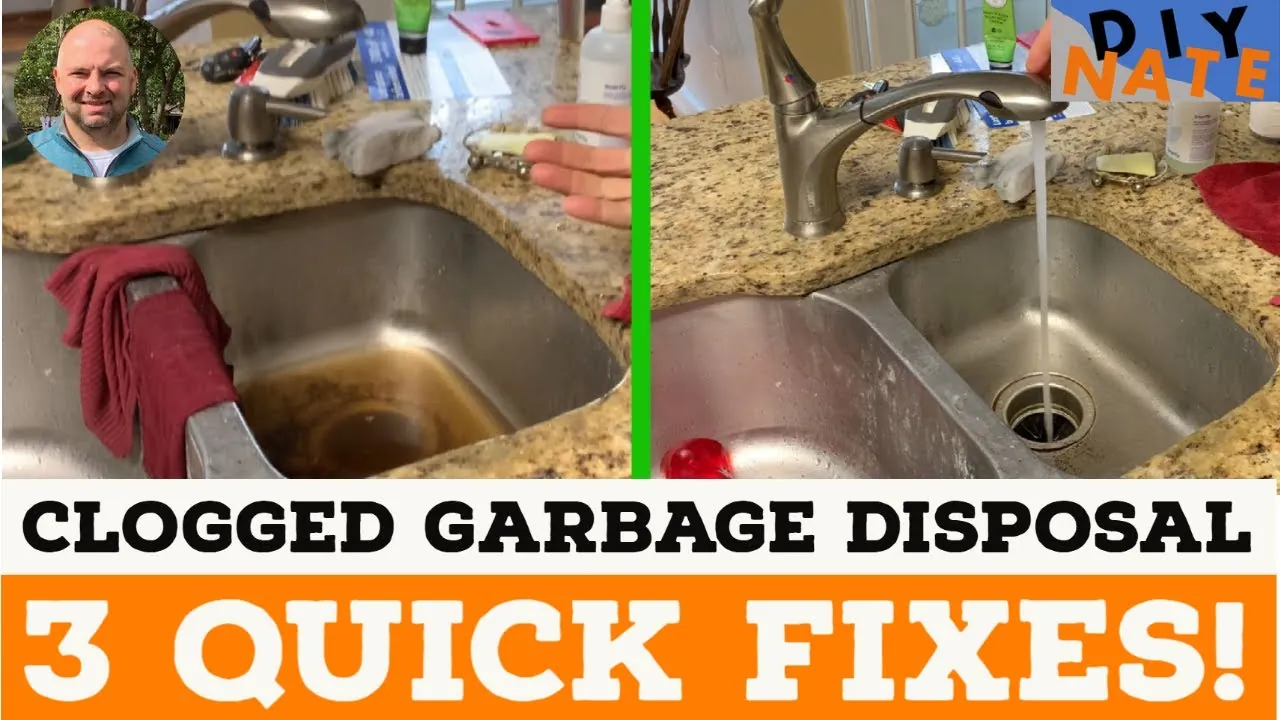
When you find your kitchen sink full of water, it usually means the path to the main sewer line is blocked. The most common cause is an accumulation of fibrous food waste, such as potato peels or celery, which don’t break down easily. These items can form a dense mat that prevents water from flowing past the grinding chamber.
Another frequent cause is a clogged P-trap. This U-shaped pipe sits beneath the sink and is designed to hold water to keep sewer gases from entering your home. If a large object or a buildup of grease enters this trap, it acts like a dam. Even if the disposal unit is spinning correctly, the water can’t exit the system because the pipe downstream is fully obstructed.
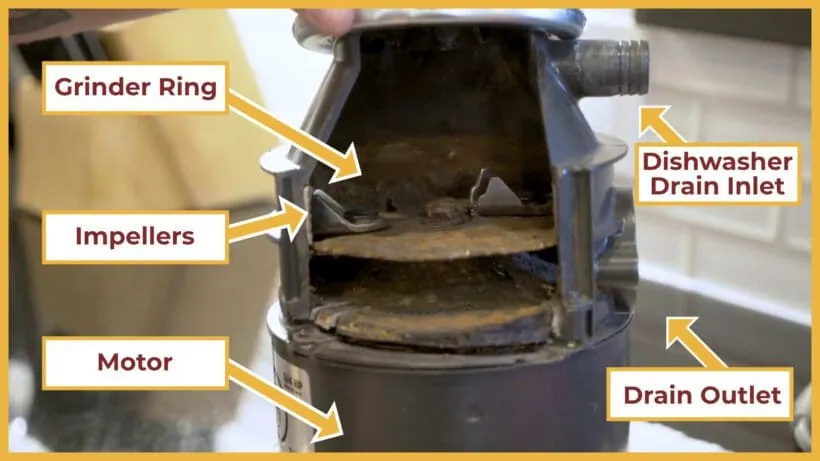
Finally, some units stop working because the internal impeller is jammed by a hard object like a bone or a piece of metal. If the motor hums but the blades don’t turn, the disposal can’t push water through the discharge pipe. You can check the manufacturer’s manual for your specific model to see the recommended reset procedures.
Clear the sink flange by hand
If the water is sitting directly in the disposal unit, you need to clear the opening first. Always turn off the circuit breaker for the unit before reaching into the drain to ensure there’s no risk of the motor starting. Use a flashlight to look into the chamber and identify any hard objects or clumps of food that might be blocking the drain hole.
Wear thick rubber gloves and use a pair of long-handled pliers to pull out the debris. Don’t use your bare fingers, as the blades are sharp and can cause serious cuts even when the power is off. If you feel a solid object, wiggle it gently to loosen it before pulling it upward. If you can’t reach the obstruction, don’t force your hand deeper into the unit.
Most people make the mistake of using a metal screwdriver to pry at the blades, which can snap the internal components or damage the rubber splash guard. If you hear a metallic scraping sound, stop immediately. You’re likely hitting the shredder ring rather than the obstruction.
This fix is for simple surface clogs where you can see the blockage. If you can’t see or reach the material, it’s likely deeper in the pipes, and you should move to the next method.
If you aren’t comfortable working with plumbing tools, call a licensed plumber to avoid damaging the seals or the disposal unit itself. If the sink remains backed up after clearing the flange, the clog has moved into the P-trap, requiring a pipe wrench and a bucket.
Reset the motor and clear jams
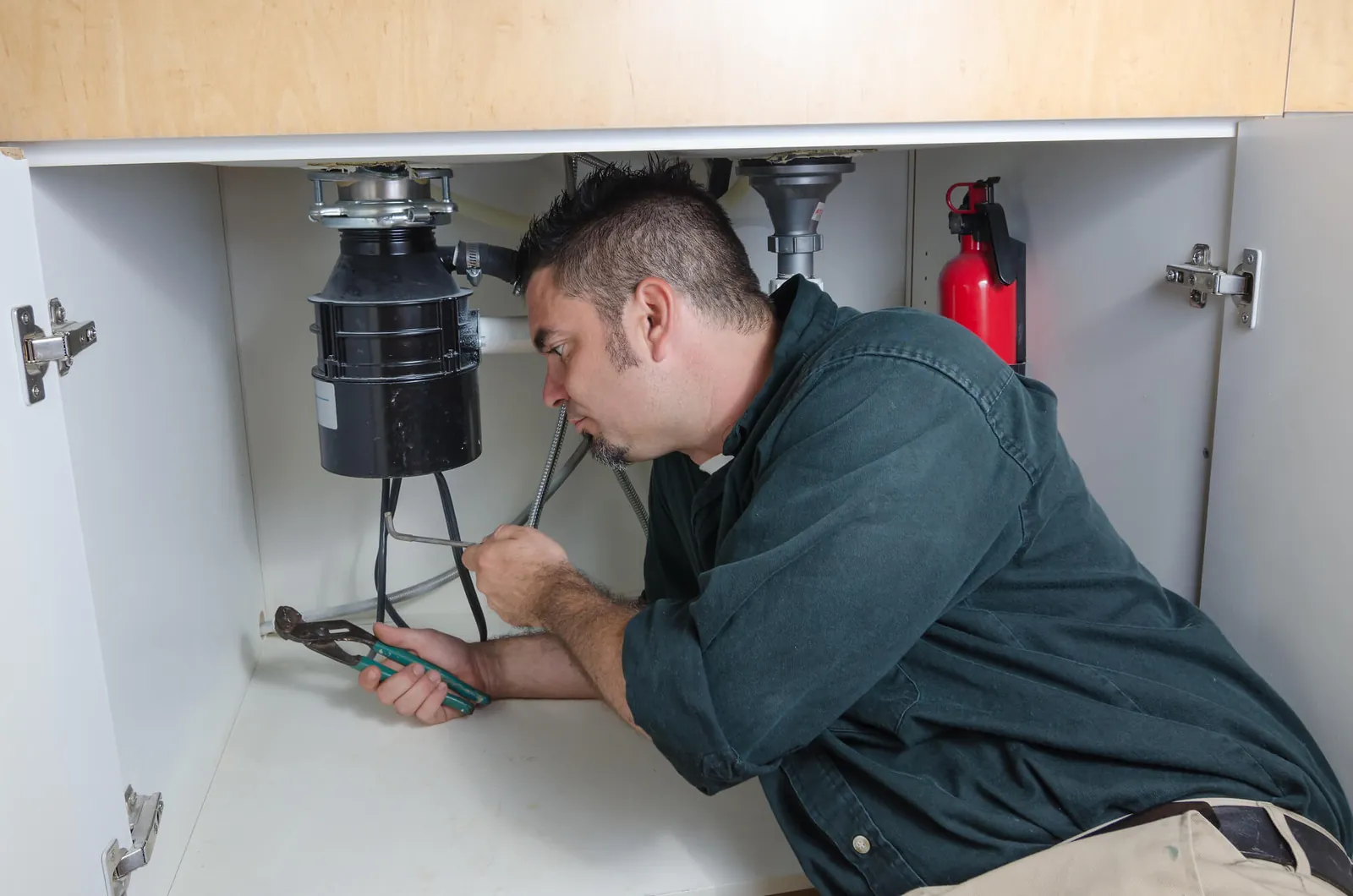
Sometimes the disposal stops because the motor tripped its internal safety switch. Look for a small red button on the bottom of the unit under your sink. If the button is popped out, press it until it clicks. This resets the motor after a thermal overload. Wait ten minutes for the motor to cool before you attempt a restart.
If the motor remains silent, use a 1/4-inch hex wrench to manually rotate the blades. Insert the wrench into the center hole at the bottom of the disposal. Rotate the wrench back and forth to break up debris wedged in the impellers. If the wrench moves freely after a few turns, the jam is cleared.
This process applies when the unit is silent or humming but not grinding. If you hear a grinding noise or smell ozone, stop immediately. Don’t force the wrench if it feels stuck, as excessive pressure can strip the internal socket.
If the motor emits a burning smell when you attempt to start it, leave the power off. You likely have a seized bearing or a shorted winding. These faults require a full unit replacement rather than a simple repair. If the disposal drains slowly but the motor runs fine, the issue is a clogged P-trap pipe, not a motor jam. In that case, skip the wrench and clear the pipe beneath the sink.
Clean the P-trap pipe manually
If the disposal runs but water still sits in the sink, the blockage is likely in the P-trap. Place a bucket under the U-shaped pipe beneath the sink to catch the water that will spill out once you loosen the connections. Use a pair of channel-lock pliers to unscrew the plastic rings on both sides of the trap.
If the rings are stuck, wrap a warm, damp towel around them for five minutes to soften any hardened grease. Don’t use a wrench to force them, as plastic threads crack easily under high torque. Hand-tightening is sufficient for a watertight seal.
Once the pipe is removed, inspect it for hair, grease, or food buildup. Use a stiff brush or a long, flexible pipe cleaner to remove the gunk from the inside of the pipe. Rinse the pipe in another sink or a bucket before reattaching it. Tighten the rings by hand to ensure they’re snug, then run cold water for 30 seconds to check for leaks.
If you see water weeping from the joints after reassembly, unscrew them again and check that the rubber washer inside is seated flat. A pinched or crooked washer is the most common cause of persistent leaks.
This method is for when the disposal unit itself is clear but the water doesn’t move. If you have a metal pipe that’s rusted, don’t force it. If you can’t remove the pipe, call a plumber to prevent water damage to your cabinets.
Stop using chemical drain cleaners
Many people try to pour harsh liquid cleaners into the disposal to fix a slow drain. This is a mistake because these chemicals are designed to eat through hair and soap scum, not dense food waste. They often sit in the disposal chamber and corrode the metal parts or damage the rubber seals, leading to expensive leaks later.
- Avoid chemical drain openers: These can cause chemical burns if the water splashes back and they often fail to clear solid food blockages.
- Don’t use boiling water: Pouring boiling water into a disposal can soften the plastic parts and damage the rubber splash guard.
- Stop forcing the unit: If the disposal is jammed, turning it on repeatedly will overheat the motor and could cause a fire.
- Never use coat hangers: Poking a metal wire into the unit can snap the internal components or cause you to cut your hands.
Keep your drain running smoothly
You can avoid future clogs by changing how you feed the disposal and how you clean the pipes. If you’re washing heavy amounts of vegetables, do them in small batches rather than stuffing the entire load at once. If you’re dealing with oily pans, wipe them with a paper towel before rinsing them to keep grease out of the trap.
| If you’re doing this | Do this instead | Why |
|---|---|---|
| Pouring grease down the drain | Wipe pans with a paper towel | Grease hardens and creates a trap |
| Grinding large food scraps | Chop scraps into small pieces | Small bits flow through the pipes |
| Using hot water for cleaning | Use cold water while grinding | Cold water keeps grease solid |
| Ignoring slow drainage | Run water for 30 seconds after | It flushes the pipe completely |
The amount of water you use makes a difference in whether debris reaches the main sewer line. Always run a steady stream of cold water for at least 15 seconds after you finish grinding to ensure everything has passed through the P-trap. If your home has low water pressure, you may need to run the water for longer to clear the line.
Related guides
- 10 Best Hearing Aid Amplifier Cleaning Kits for Clear Sound in 2026
- Washer Drain Overflows Troubleshooting: Fix Your Clogged Pipe in 2026
- Whirlpool Wdta50sahz0 Troubleshooting: Fix Common Drain Issues in 2026
Frequently asked questions
Can I use a plunger on my garbage disposal?
Yes, you can use a plunger, but you must plug the second sink opening first. The air will escape through the other drain if it remains open, preventing the necessary pressure. Ensure you fill the sink with a few inches of water before pumping vigorously over the disposal drain.
How long does a garbage disposal usually last?
Most garbage disposals last between 8 and 12 years with standard use. The lifespan depends on how often you grind hard materials like bones or pits, which dull the blades and strain the motor. If the unit begins to leak, it’s usually cheaper to replace it than to repair it.
Is it safe to put ice in the disposal to clean it?
Yes, putting a cup of ice cubes into the disposal helps clean the blades. The ice acts as a mild abrasive that scrapes away food residue and grease from the grinding chamber. This doesn’t fix a major clog, but it’s an effective way to maintain the unit and reduce odors.
What happens if I keep running a jammed disposal?
If you keep the power on while the disposal is jammed, the motor will quickly overheat and trip the internal circuit breaker. Continued attempts to force the motor to spin can lead to a burnt-out winding, which ruins the unit permanently. Turn the switch off immediately and use a hex wrench to clear the blades.
How often should I clean my garbage disposal?
You should clean your disposal once a month to prevent build-up and bad smells. Grinding a few lemon peels or ice cubes with a drop of dish soap helps remove surface debris. Avoid putting coffee grounds or eggshells into the unit, as these can settle in the pipes and cause slow drainage.
Conclusion
If the water still won’t flow after you’ve cleared the debris, it’s time to call a professional plumber. They’ll have the right tools to check your home’s main sewer line for deeper clogs. Don’t hesitate to reach out if you’re unsure, as it’s better to be safe than sorry with your pipes.