
If your machine stops mid-cycle, you’re likely dealing with whirlpool cabrio washer problems caused by a faulty lid lock or a sensor calibration error. You can often reset the control board by unplugging the unit for one minute and plugging it back in to clear temporary memory glitches. If the issue persists, the machine usually displays a specific error code on the digital screen that tells you exactly which part is failing to communicate.
Troubleshoot common Whirlpool Cabrio washer problems
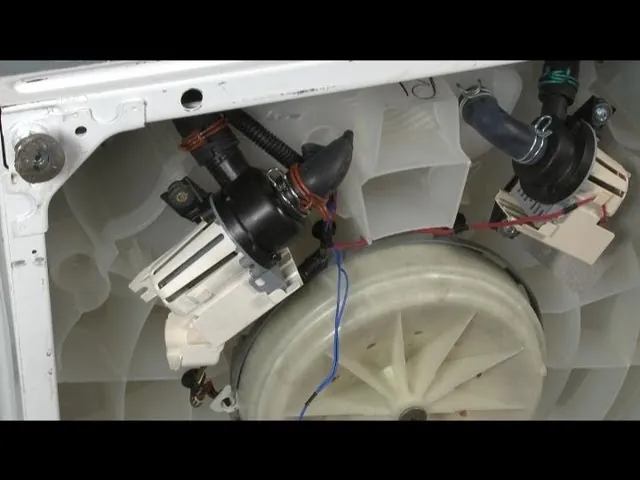
Most issues with these units stem from the electronic control board detecting an imbalance or a safety hazard. When the sensors inside the tub notice that the load isn’t level, the machine stops to prevent damage to the suspension rods. This is a common design feature intended to keep the unit from shaking itself apart during high-speed spin cycles.
Another frequent cause is a buildup of soap residue or dirt on the lid switch mechanism. If the lid doesn’t lock properly, the machine refuses to start or pauses during operation as a safety measure. You can check the official Whirlpool support page to see how your specific model displays error codes. If the code relates to a door lock, you might simply need to clean the locking latch with a dry cloth.
If the machine makes a loud grinding noise, it often means the drive hub or the bearings are worn down. This happens if the machine is overloaded regularly or used on uneven floors. If the tub tilts slightly when you push down on it, your suspension rods are likely the culprit. You should never force the lid open if the lock light is blinking, as this can break the plastic latch assembly.
Reset the control board
If the display is flashing or the machine seems stuck in a cycle, a hard reset is your first step. Unplug the power cord from the wall outlet to clear the control board’s temporary memory. Plug the cord back in and immediately press the “Start” button to see if the error code has cleared from the screen.
If the machine still won’t start, perform a manual calibration cycle to reset the sensors. Turn the dial to “Normal,” then rotate it left-right-left-right quickly until all the lights blink. Select the “Rinse” cycle and press “Start” to begin the calibration process, which usually takes about 3 to 5 minutes to complete. Don’t interrupt this process once it begins, as it needs to measure the weight and balance of the empty tub.
Many users mistakenly attempt a reset while the unit is still filled with water. If you see standing water in the drum, drain it manually using the emergency hose before starting, or the sensors will fail to calibrate correctly. If the machine displays a “Door Lock” error, the reset won’t work until you physically verify the latch is clicked shut.
This method works for most electronic glitches but won’t fix broken hardware like a burnt-out motor or a snapped belt. If the machine still fails to start after two tries, the control board may have a permanent failure. Replacing a control board requires specific tools and knowledge of electrical wiring, so you should contact a professional technician if the reset steps don’t work.
Replace the lid lock assembly
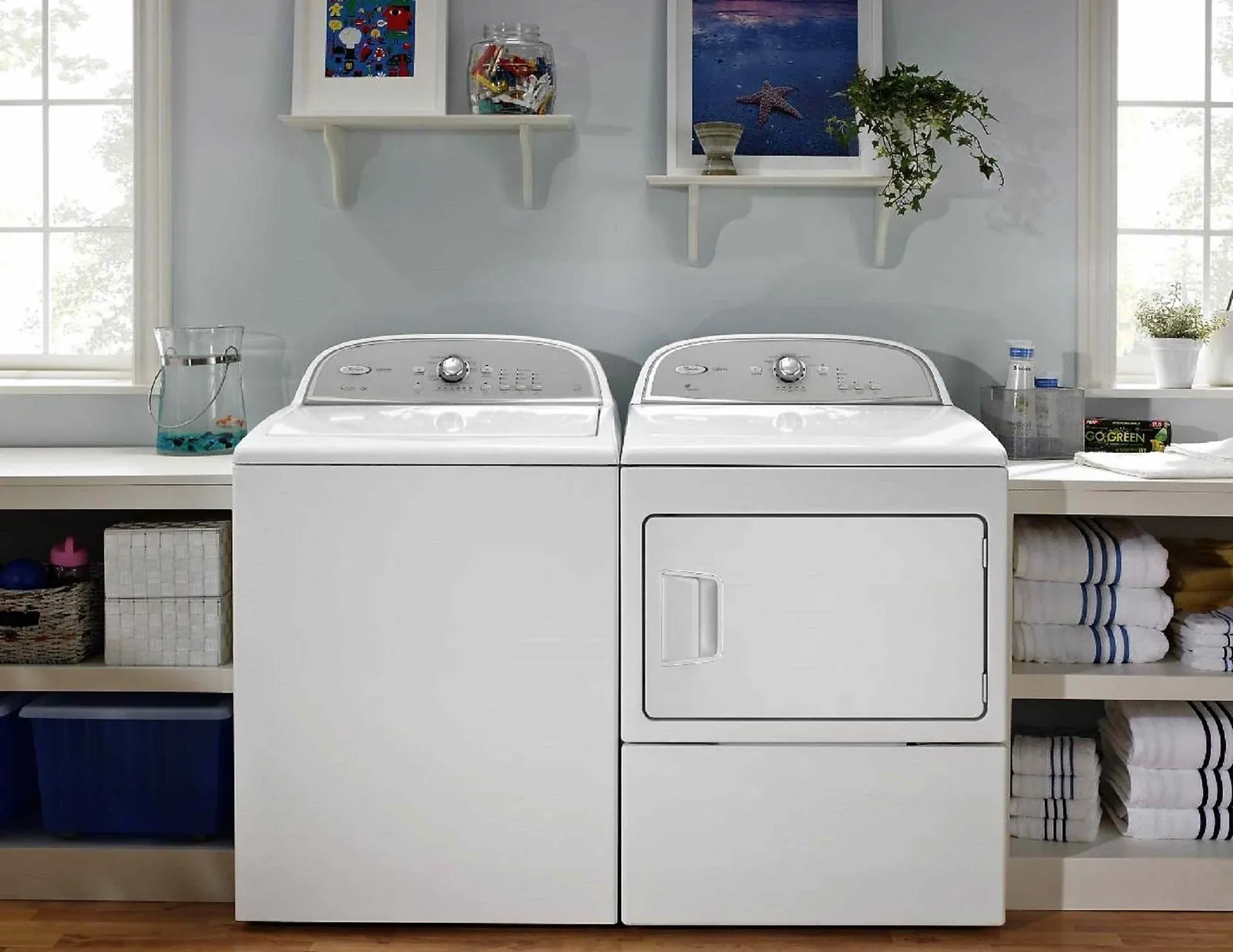
A faulty lid lock is the most common hardware failure for this series. You’ll know this is the problem if the machine fills with water but refuses to spin, or if the “Lid Locked” light flashes constantly. This part is a safety component, so it must be replaced with the exact manufacturer-approved version to ensure the machine functions properly.
To change the lock, you must first unplug the unit and remove the top panel screws. Carefully lift the top cover to expose the wiring harness connected to the lock assembly. Disconnect the old harness, unscrew the lock from the underside of the lid, and attach the new one in the same position. Once you secure the new part, reconnect the wires and lower the top panel back into place.
If the machine remains unresponsive after the swap, check the door strike. A worn plastic strike often fails to trigger the new lock, leading many to incorrectly assume the replacement part is defective. Inspect the strike for hairline cracks or a rounded-off tip; if it looks worn, replace it alongside the lock to ensure a clean engagement.
This isn’t a job for those without experience in appliance repair, as you could damage the plastic clips or pinch the wires. If you aren’t comfortable working with electrical components, hire a certified repair person. A misplaced wire can cause a short circuit that ruins the entire control board, which is a much more expensive repair than the cost of a professional service call.
Inspect the suspension rods
If your washer walks across the floor or shakes violently during the spin cycle, the suspension rods have lost their tension. These four rods hold the heavy tub in place and absorb the movement of the laundry. Over time, the internal grease dries out or the springs weaken, making them unable to stabilize the tub during heavy loads.
To check them, open the lid and press down firmly on the tub, then let go. If the tub bounces up and down more than once before coming to a stop, the rods are worn out and need replacement. A healthy suspension will settle instantly, like a car with new shocks.
You must choose a set that matches your specific machine’s capacity and model number. Buying rods rated for a smaller capacity will cause the machine to bang against the frame during every high-speed cycle, eventually cracking the plastic outer tub.
Replacing these rods involves taking the entire outer shell off the machine to reach the bottom mounts. If you have a small space or aren’t confident lifting heavy metal panels, this is a job for a professional.
If the new rods arrive dry, apply a high-viscosity silicone grease to the friction pads. Don’t use standard automotive grease, as it attracts dust and debris that will seize the suspension within months. If the machine still vibrates after the swap, check the leveling feet; rods can’t compensate for a washer that sits on an uneven floor.
Common mistakes to avoid
Using too much detergent creates excess suds that trap soil and bacteria against the drum walls, leading to foul odors and premature pump failure. If you see suds lingering after the final rinse, you’re using double the necessary amount. Switch to a high-efficiency formula and reduce your dose by half.
Overloading the drum forces the suspension rods to bear uneven weight, causing the machine to vibrate violently and stop mid-cycle to prevent structural damage. If you can’t fit a vertical hand inside the drum alongside your laundry, remove two garments.
Forcing the lid open while the lock light is active snaps the plastic locking pins. Replacing this assembly often costs three times more than the original part due to labor. If the machine stalls, unplug it to reset the internal computer.
Ignoring minor error codes allows small electrical shorts to cascade into board failures, which are rarely worth repairing.
Prevent future laundry issues
| If you’re doing this | Do this instead | Why |
|---|---|---|
| Leaving coins in pockets | Check every pocket before loading | Metal items damage the pump filter |
| Using standard detergent | Use only HE (High Efficiency) soap | Regular soap creates too many suds |
| Washing heavy rugs | Wash only small, light items | Heavy items cause extreme imbalance |
| Ignoring floor level | Use a level to adjust feet | Unbalanced units wear out bearings |
Check your pockets for loose change or screws before tossing clothes into the drum. A single penny can lodge in the drain pump, leading to a repair bill that’s quite costly compared to the price of a simple inspection.
If your machine vibrates violently during the spin cycle, stop the load immediately. Check if the unit sits flush against the floor by placing a bubble level on top. If the bubble drifts, twist the leveling feet until the machine remains perfectly still.
Never overload the drum beyond three-quarters capacity. Cramming clothes prevents proper agitation and forces the motor to work harder than designed. If you can’t fit your hand inside the drum alongside the laundry, you have added too much.
Wipe the rubber door seal with a dry cloth after every wash. Trapped moisture leads to mold growth, which ruins your clothes with a permanent, musty odor.
Frequently asked questions
How long does a suspension rod last?
These parts typically last for a significant duration depending on how often you wash heavy loads. If you notice the tub banging against the sides of the cabinet during the spin cycle, the rods have likely lost their tension. You can verify this by pressing down on the tub; if it bounces repeatedly rather than stopping immediately, it’s time for a new set of rods.
Is it safe to use the washer with an error code?
No, you shouldn’t use the machine while an error code is active as it can damage the internal motor or the control board. The error code is a signal that the machine is operating outside of its safe parameters. Continuing to run a cycle with a known fault can lead to water leaks or electrical shorts that are much harder to fix than the original problem.
Why does my washer stop during the spin cycle?
The machine stops during the spin cycle because the internal sensors detect an uneven weight distribution in the tub. This is a safety feature to prevent the unit from vibrating excessively and causing structural damage to the cabinet. If the machine stops repeatedly, try manually redistributing the wet clothes to balance the load and restart the spin cycle.
How much does a new lid lock cost?
The part itself is generally inexpensive relative to the cost of a new machine depending on your specific model number. You can find the exact part number by checking the sticker located on the inside of the door or the back of the washer. Keep in mind that this price doesn’t include labor if you choose to hire a technician to perform the installation for you.
Can I reset the machine without unplugging it?
Simply turning the dial or pressing the stop button doesn’t clear the memory of the onboard computer. You must physically break the electrical connection to force the system to dump its current error state and reboot.
How often should I clean the tub?
You should run a cleaning cycle with a dedicated washer cleaner once every 30 days to prevent soap scum and mold buildup. This helps the sensors and the lid lock function properly by keeping the internal components free of sticky residue. If you live in an area with hard water, you may need to perform this cleaning more frequently to prevent mineral deposits from clogging the system.
Conclusion
If these simple fixes don’t get your laundry moving again, it’s time to look up the specific error code in your owner’s manual. You shouldn’t hesitate to call a professional if the internal wiring looks damaged. They’ll help you decide if a quick repair is better than buying a new machine.