
Bendix Ad Is Air Dryer Troubleshooting, a process involving checks for a clogged filter, faulty heater, or stuck purge valve. If your system shows moisture or pressure loss, the cause is often a saturated desiccant cartridge. Because the system holds dangerous high-pressure air, this maintenance must be performed by a trained technician.
Bendix Ad Is Air Dryer Troubleshooting
Air dryers protect your brake system by removing moisture and oil before the air reaches the tanks. The system relies on a desiccant cartridge filled with beads that trap water. Over time, these beads become saturated and lose their ability to dry the air. When this happens, moisture enters the air lines, which can freeze in cold weather or corrode internal components.
Another common cause is a failed purge valve. This valve is responsible for releasing the trapped water and contaminants out of the system. If it gets stuck due to debris or a broken internal spring, the dryer cannot “clean” itself, leading to a constant buildup of fluid. You’ll often hear a constant hissing sound if the valve is stuck open, or no sound at all if it’s stuck closed.
Heating elements also fail, especially in freezing climates. The dryer has a small heater designed to prevent the purge valve from icing over during winter. If this heater stops working, ice forms inside the valve, preventing the dryer from cycling. This is a common point of failure in northern regions. For detailed guidance on identifying these system failures, refer to the Bendix air dryer maintenance manual which outlines the specific service intervals for your equipment.
Safety: Inside a mains-powered machine, the parts behind the outer cover can hold a dangerous electrical charge even after it has been unplugged — that’s why they sit behind a cover. Opening the housing, or testing or replacing anything behind it, is a job for a qualified technician, never a home repair.
Identify the purge valve status
This fix is for drivers who hear air constantly leaking from the dryer assembly. A purge valve that stays open prevents the system from building full pressure, which is a safety risk. You must first check the air pressure gauge on your dashboard. If the needle stays low or drops quickly, don’t attempt to drive the vehicle.
To test the valve, listen closely to the bottom of the dryer while the engine is running. If you hear a steady hiss, the valve is likely stuck open. If you hear nothing when the system reaches “cut-out” pressure, it might be stuck closed. This is where you must exercise caution: never attempt to loosen the air lines or the cartridge while the system is under pressure. The stored energy in an air tank can cause the cartridge to become a projectile. If the valve doesn’t cycle, your only safe option is to have a professional shop perform a diagnostic test. They will use specialized gauges to measure the exact pressure at the purge port. If you aren’t a trained mechanic, don’t touch the internal components. Attempting to force the valve closed or opening the housing yourself will void your warranty and risks a sudden release of high-pressure air.
Check the desiccant cartridge life
This fix is for those who notice water draining from the air tanks during the daily manual bleed. If you find significant moisture in your tanks, your desiccant cartridge is likely past its useful life. This is a trade-off: replacing the cartridge early wastes some material, but waiting too long allows water to damage expensive valves throughout the entire truck.
Check your maintenance log to see when the cartridge was last changed. If you operate in a high-humidity environment, you’ll need to replace it more often than someone in a dry, desert climate. The mistake many people make is assuming the cartridge lasts for the life of the truck. This costs them thousands in downstream repairs when moisture ruins the brake valves.
If you decide to replace the cartridge, ensure you use the exact part number listed on the dryer’s data plate. Using a generic or incorrect model won’t seal properly and may leak air immediately. If you don’t have the proper strap wrench or the physical space to reach the unit, don’t force it. A damaged housing can’t be repaired and must be replaced entirely.
Verify the heater circuit
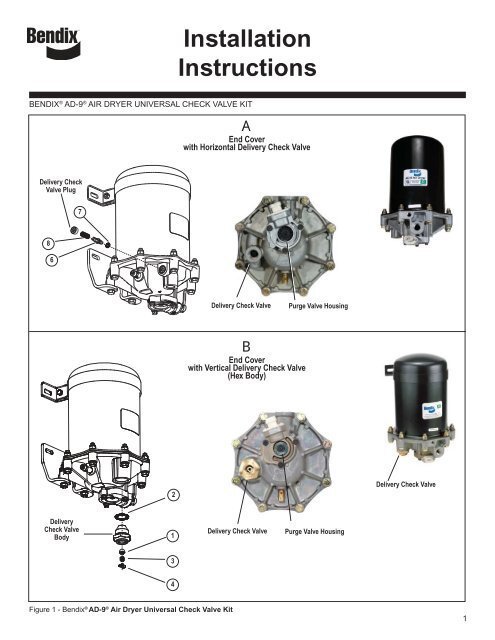
This fix is for users who experience brake system freezing only during winter months. If your dryer works perfectly in the summer but fails when the temperature drops, the heater element is the likely culprit. This fix isn’t for everyone; if you don’t have a basic understanding of electrical circuits, don’t attempt to check the wiring.
Look at the wiring harness connected to the air dryer. Check for loose, corroded, or frayed wires. If the connection is dirty, clean it with a non-conductive contact cleaner. However, if the heater itself has burned out, it’s a sealed unit that can’t be repaired. You must replace the entire heater assembly. If you aren’t comfortable working with vehicle electrical systems, take the truck to a qualified shop. They can verify if the heater is drawing the correct amperage. A heater that doesn’t pull power is a clear sign of an internal break. Don’t bypass the fuse or wire the heater directly to the battery, as this can cause a fire or damage the vehicle’s electrical control unit.
What not to do
- Don’t spray oil or lubricant into the purge valve: This attracts more dirt and debris, which will cause the valve to stick even faster than before.
- Don’t hit the dryer housing with a hammer to “unstick” the valve: This can crack the casting or damage the internal seals, turning a minor issue into a total system failure.
- Don’t ignore the moisture in your air tanks: Assuming it is “normal” leads to internal corrosion of your brake valves, which will eventually cause the brakes to lock up or fail to release.
- Don’t attempt to open the main dryer housing: This component is under constant high pressure; opening it without proper training can lead to severe injury from flying parts.
How to stop it happening again
Consistent maintenance is the only way to avoid unexpected air system failures. If you follow a strict schedule, you’ll catch issues before they turn into road-side breakdowns.
| If you’re doing this | Do this instead | Why |
|---|---|---|
| Daily checks show you if the dryer is failing early. | ||
| Ignoring the purge sound | Listen for the “pop” at cut-out | A silent dryer isn’t purging water correctly. |
| Using any spare cartridge | Use the exact model number | Different models have different flow rates. |
| Waiting for a failure | Replace at set intervals | Prevents moisture from ruining valves. |
Frequently asked questions
Can I drive if the air dryer is hissing?
Don’t drive the vehicle if the dryer is hissing constantly. A constant leak indicates a stuck purge valve, which prevents the compressor from maintaining the pressure required for safe braking. You risk sudden parking brake application while moving.
How long does an air dryer cartridge last?
High-humidity areas require more frequent replacements. If you notice water in your air tanks before 12 months, replace the cartridge immediately.
Is it safe to replace the cartridge myself?
You can safely replace the cartridge only if you have the proper tools and have fully drained the air system pressure. A mistake with a pressurized air line can cause serious injury. If you’re untrained, hire a professional to perform the swap.
What happens if the dryer heater fails?
If the heater fails, moisture inside the dryer will freeze during cold weather. This ice blocks the purge valve, which stops the system from dumping water and contaminants. Once the valve is blocked, the dryer stops drying the air, and the moisture moves into your brake lines. This can lead to frozen brake actuators, which will prevent your brakes from functioning correctly in freezing temperatures.
Why is there oil in my air lines?
Oil in the air lines usually indicates that the air compressor is failing and passing oil past its rings. The air dryer isn’t designed to filter large amounts of engine oil. Have a technician inspect the compressor to prevent system-wide damage.
Final Thoughts
Keeping your air system in top shape doesn’t have to be a headache if you stay consistent with your inspections. Once you’ve finished the repairs, don’t forget to document the service in your maintenance log. It’ll make your future checkups much easier and help you keep your truck running safely on the road.
Related guides
- Daikin Air Conditioner Troubleshooting: Fix Common Errors
- 10 Best Air Fryer to Buy for Quick and Crispy Meals in 2026
- 10 Best Dehumidifier to Buy Options for Dry Indoor Air in 2026