
Not every dryer requires an external vent, as the necessity depends entirely on the specific drying technology used by the machine. While traditional vented dryers must push hot, moist air through a duct to the outside of your home, other models are designed to operate as closed-loop systems that don’t rely on exterior exhaust paths. Choosing the right configuration is essential for home safety, energy efficiency, and the overall convenience of your laundry room setup.
Key Takeaways
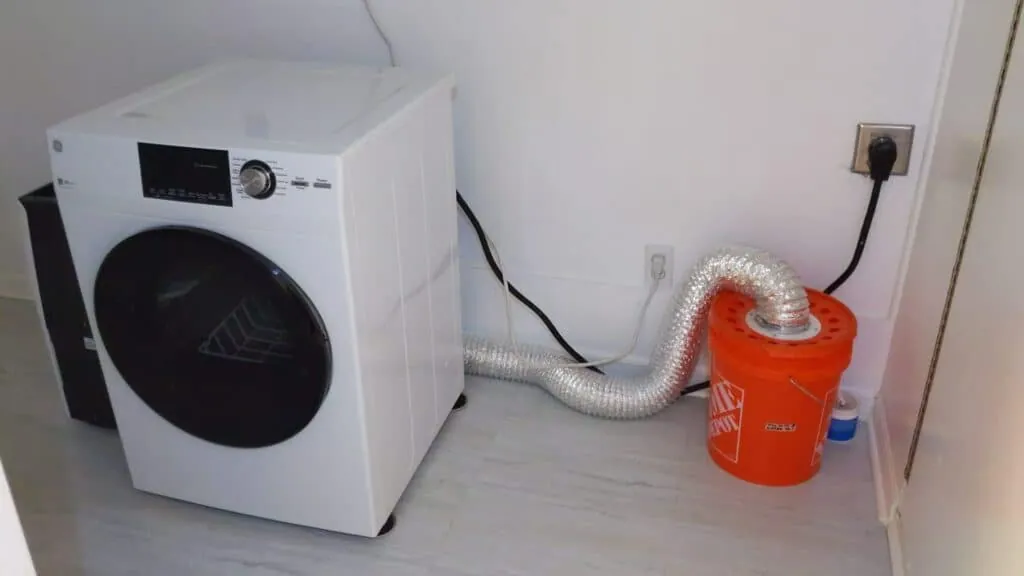
- Vented dryers require a clear path to the outdoors to prevent moisture buildup and potential fire hazards.
- Condenser dryers collect water in a removable tank or drain it directly into a plumbing line, requiring no outside venting.
- Heat pump dryers are the most energy-efficient ventless option, recycling air internally to dry clothes at lower temperatures.
- Always check local building codes before installing a dryer, especially if you’re modifying an existing laundry space.
- Ventless units are ideal for apartments, condos, or interior rooms where cutting an exterior wall is impractical.
Do All Dryers Need A Vent?
The short answer is no; the requirement for a vent is strictly determined by the internal mechanics of the appliance. Traditional gas and electric vented dryers are the most common units found in North American homes, and they function by drawing in ambient air, heating it, passing it through the tumbling laundry, and exhausting the resulting humid air through a flexible or rigid duct.
If you lack an exterior wall or a feasible route for ductwork, you aren’t forced to abandon the idea of an in-home laundry setup.
Ventless technology has become increasingly sophisticated, offering homeowners alternatives that perform just as effectively as traditional models. These machines essentially eliminate the need for exterior ducting, which simplifies installation and prevents the accumulation of lint inside wall cavities. When considering whether your specific situation requires a vent, look at the manufacturer’s installation manual, which will explicitly state if the machine is a vented, condenser, or heat pump model.
Understanding Vented Dryer Systems
Vented dryers represent the standard technology that has been in use for decades. These units are generally more affordable upfront, but they carry the ongoing responsibility of maintenance. Because they exhaust air, they must be positioned near an exterior wall to keep the duct run short. A long, winding vent path increases the risk of lint buildup, which is a leading cause of residential fires.
Necessary Venting Components
- Rigid metal ducting: The safest material for venting, as it resists crushing and allows for smooth airflow.
- External exhaust hood: A flap-covered opening on the house exterior that prevents pests and cold air from entering.
- Lint trap screens: Essential filters inside the dryer that must be cleaned after every single load.
- Clamps and foil tape: Used to secure joints, though standard duct tape should never be used due to heat sensitivity.
How Condenser Dryers Function
Condenser dryers operate on a completely different principle than vented units. Instead of pushing hot air out, they pull air into the machine, heat it, and pass it over wet clothes. As the air cools, the moisture is condensed into liquid water. This water is then either collected in a removable reservoir that the user empties manually or sent through a drain hose directly into your home’s existing plumbing system.
Because no air is exhausted, these units can be placed anywhere, including in walk-in closets, under stairs, or in interior laundry rooms. They’re particularly favored by those living in urban high-rises where structural modifications to the building exterior are prohibited by homeowners’ associations or local property management.
Heat Pump Dryer Technology
Heat pump dryers are the most modern iteration of ventless technology. While they also function as condenser units, they utilize a refrigerant system to heat and cool the air in a continuous loop. This process is significantly more energy-efficient than standard electric resistance heating, which is why these units often carry the ENERGY STAR Most Efficient designation for high performance.
Beyond energy savings, these dryers are gentler on fabrics because they operate at lower temperatures. Since they don’t require high heat to evaporate moisture, they’re less likely to shrink delicate items or damage synthetic fibers over time. While the initial purchase price is higher than standard vented units, the long-term reduction in utility bills and the lack of venting installation costs often balance the investment.
| Dryer Type | Venting Required | Moisture Removal Method | Efficiency Level |
|---|---|---|---|
| Vented | Yes | Exhausted air | Moderate |
| Condenser | No | Water collection tank | Moderate |
| Heat Pump | No | Internal cooling loop | High |
Comparing Installation Requirements
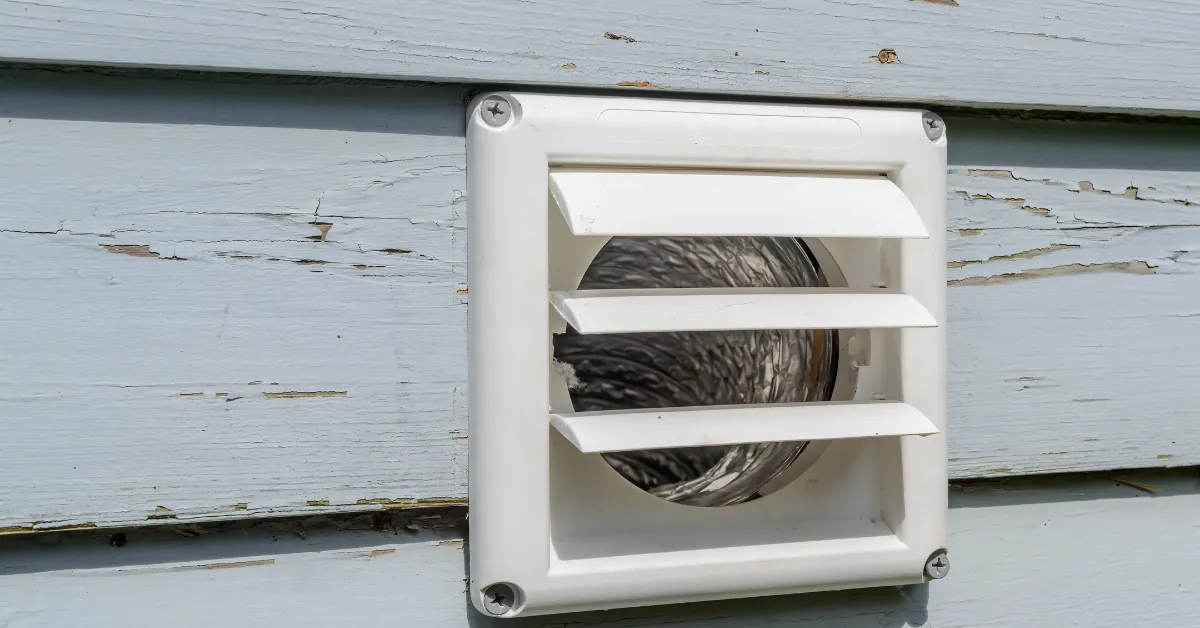
Installing a vented dryer is a project that involves structural considerations. You must ensure that the dryer can reach an exterior wall without the duct length exceeding the manufacturer’s maximum recommendation, which is typically between 25 and 35 feet. Exceeding this length forces the blower motor to work harder, leads to longer drying times, and increases the likelihood of lint blockages.
Ventless dryers, by contrast, are “plug and play” in many respects. A condenser or heat pump dryer usually only requires a standard power outlet and, in some cases, a small drain connection if you choose not to use the water tank. This simplicity makes them an excellent choice for DIY enthusiasts or those who want to avoid the mess and expense of cutting through exterior siding or brickwork.
Maintaining Your Drying Equipment
Maintenance requirements vary significantly based on your machine type. Vented dryers require a rigorous schedule of checking the exterior vent cap for blockages, such as bird nests or debris, and vacuuming the interior ducts at least once a year. If you notice your clothes taking two cycles to dry, it’s almost certainly a sign that your vent path is obstructed.
Ventless models require a different type of vigilance. You must ensure the condenser unit itself remains free of lint and dust. Most modern ventless machines feature a secondary filter located near the base of the unit. If this filter becomes clogged, the machine’s efficiency will plummet, and the drying time will increase dramatically.
Maintenance Checklist
- Clean the lint trap: Every single load, regardless of dryer type.
- Vacuum internal ducts: Once a year for vented units to prevent fire.
- Rinse condenser filter: Every 5 to 10 cycles for ventless models.
- Check exterior hood: Seasonal check for vented dryers to ensure flaps open freely.
- Monitor water reservoir: Empty after every cycle if your machine doesn’t have a direct drain.
Pros and Cons of Ventless Units
Choosing between vented and ventless requires weighing your specific living situation against your budget. Ventless units are undeniably more flexible and safer regarding fire risks, but they can be slower at drying heavy loads like thick towels or denim.
| Feature | Ventless Units | Vented Units |
|---|---|---|
| Installation | Easy/Flexible | Complex/Restricted |
| Fire Hazard | Negligible | Moderate |
| Drying Speed | Slower | Faster |
| Energy Use | Low | High |
Warning: Never attempt to vent a ventless dryer outdoors, as these machines aren’t built to handle the backpressure created by external ductwork, and doing so will likely damage the internal components and void your warranty.
Is A Gas Dryer Ever Ventless?
A common point of confusion is whether gas dryers can ever be ventless. In the vast majority of residential markets, gas dryers must be vented. Gas combustion produces carbon monoxide and other exhaust gases that must be safely removed from the living space to prevent poisoning. While some specialized industrial applications exist, you should assume that any gas dryer you purchase for your home requires a high-quality, properly installed exterior vent.
If you’re set on a ventless laundry solution, you must shop specifically for electric-powered condenser or heat pump models. These units are designed to capture moisture through condensation rather than combustion, making them the only safe choice for rooms without exterior ventilation.
How To Inspect Your Current Setup
If you have recently moved into a home and are unsure if your dryer is vented, start by looking behind the machine. If you see a large, flexible, or rigid pipe running from the back of the dryer to the wall, you have a vented unit.
Trace this pipe to see where it exits the home. If the pipe disappears into a wall or floor and you can’t find an exit point on the exterior of the house, you may have a “hidden” vent that terminates in an attic or crawlspace, which is a serious safety violation that should be corrected immediately.
If there’s no pipe at all and the back of the machine is clear, you likely have a ventless unit. Ensure the manufacturer’s label is still intact on the side or door of the machine, which will provide the specific model number. You can then look up the manual online to confirm the operating requirements and maintenance schedule.
Troubleshooting Common Airflow Issues
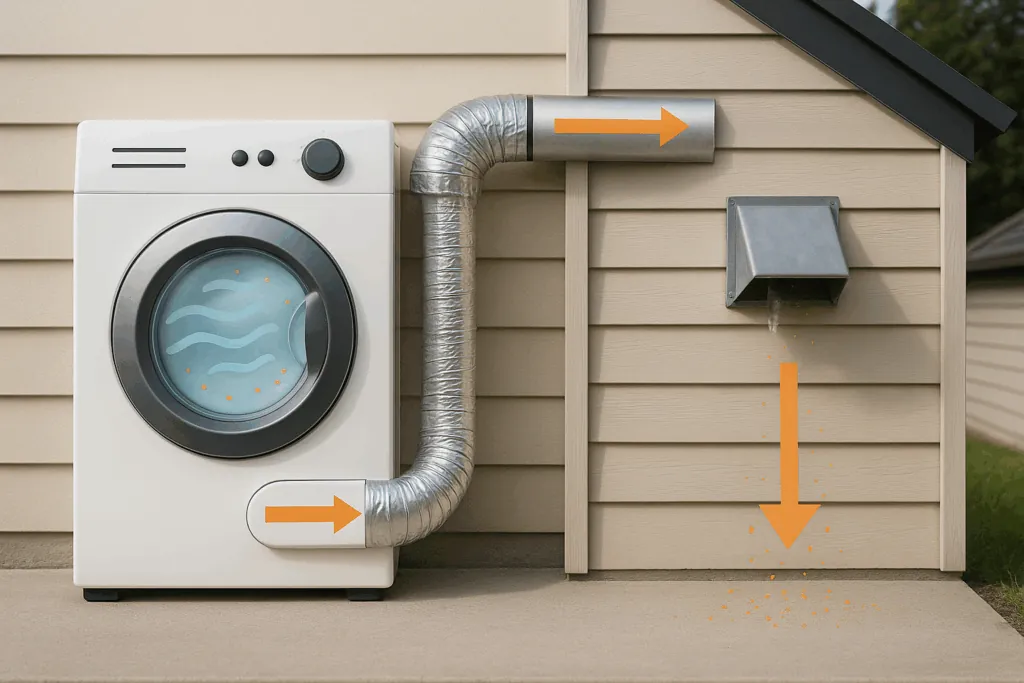
If your vented dryer is failing to dry clothes, the culprit is almost always airflow. Before calling a professional, perform these simple checks:
- Check the exterior vent cover while the dryer is running; you should feel a strong, warm breeze.
- Inspect the transition duct (the pipe behind the dryer) for kinks or sharp bends.
- Ensure the dryer isn’t pushed too close to the wall, which can crush the hose.
- Remove the lint trap and look down into the housing; if you see a buildup of lint, use a vacuum attachment to clear it.
Pro Tip: If you live in a cold climate, consider using a rigid metal duct instead of flexible foil or plastic, as rigid metal is less prone to sagging and lint accumulation, which helps prevent condensation from freezing inside the pipe during winter months.
Related guides
Frequently Asked Questions
Can I run a ventless dryer in a small closet?
Yes, but you must ensure there’s adequate airflow around the unit. While they don’t need an exhaust duct, these machines generate heat and require air circulation to function efficiently. If the closet is too small and lacks ventilation, the heat will build up, causing the machine to trigger a safety shut-off or significantly increase your drying time. Always follow the manufacturer’s clearance guidelines.
Do ventless dryers make the room humid?
A properly functioning ventless dryer shouldn’t make the room humid. These units are designed to condense the moisture from your clothes into a liquid that’s either stored in a tank or sent down a drain. If you notice your laundry room becoming damp or humid, it’s a sign that the condenser unit is leaking or the seals around the door are worn out.
Are ventless dryers more expensive to buy?
Generally, yes. The technology required to condense moisture or operate a heat pump is more complex than the simple heating element and blower motor found in a vented dryer. You’ll pay a higher initial price for a ventless model, but you’ll often recoup some of that cost through lower monthly electricity bills and the savings from not having to install expensive ductwork in your home.
Can I convert my vented dryer to ventless?
No, you can’t convert a vented dryer to a ventless model. The internal architecture of the two machines is fundamentally different. A vented dryer is built to move high volumes of air out of the machine, while a ventless dryer is a sealed system designed to recycle air and manage moisture internally. Attempting such a modification is impossible and would be extremely dangerous.
Do heat pump dryers take longer to dry?
Yes, heat pump dryers typically have longer cycle times compared to traditional vented dryers. Because they operate at lower temperatures to save energy and protect fabrics, the evaporation process happens more slowly. However, the trade-off is higher energy efficiency and less wear and tear on your clothing. If speed is your absolute priority, a vented gas dryer remains the fastest option available on the market.
Conclusion
Once you have determined whether your laundry area supports a vented or ventless unit, check your local building codes to ensure compliance with regional safety standards. If you’re opting for a ventless model, measure your laundry space carefully to guarantee sufficient clearance for airflow, then visit a reputable appliance retailer to compare the energy ratings of various heat pump models before finalizing your purchase.