
Effective Ruud Achiever 90 Plus troubleshooting begins by checking your thermostat and power switch, as the unit often triggers a safety lockout due to airflow restrictions or ignition failures. This furnace automatically shuts down to prevent damage when it detects issues like clogged filters or blocked exhaust pipes.
Ruud Achiever 90 Plus Troubleshooting Guide
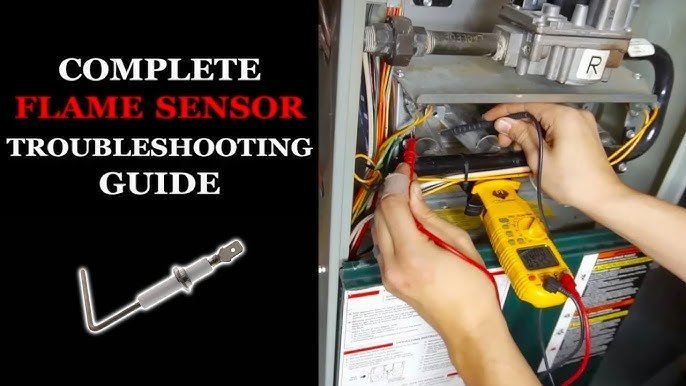
This furnace uses a series of safety switches to protect your home. The most frequent cause of a shutdown is a dirty air filter. When the filter is full of dust, the blower can’t pull enough air through the system. The internal heat exchanger then gets too hot, and the high-limit switch trips to cut the power to the burners. This is a deliberate safety feature, not a mechanical failure.
Another common cause is an issue with the condensate drainage system. Since this is a high-efficiency furnace, it produces water as a byproduct of burning gas. If the drain lines or the internal trap become blocked by debris or algae, the water backs up into the unit. A float switch then senses this moisture and prevents the furnace from starting to avoid water damage to the floor or the internal components.
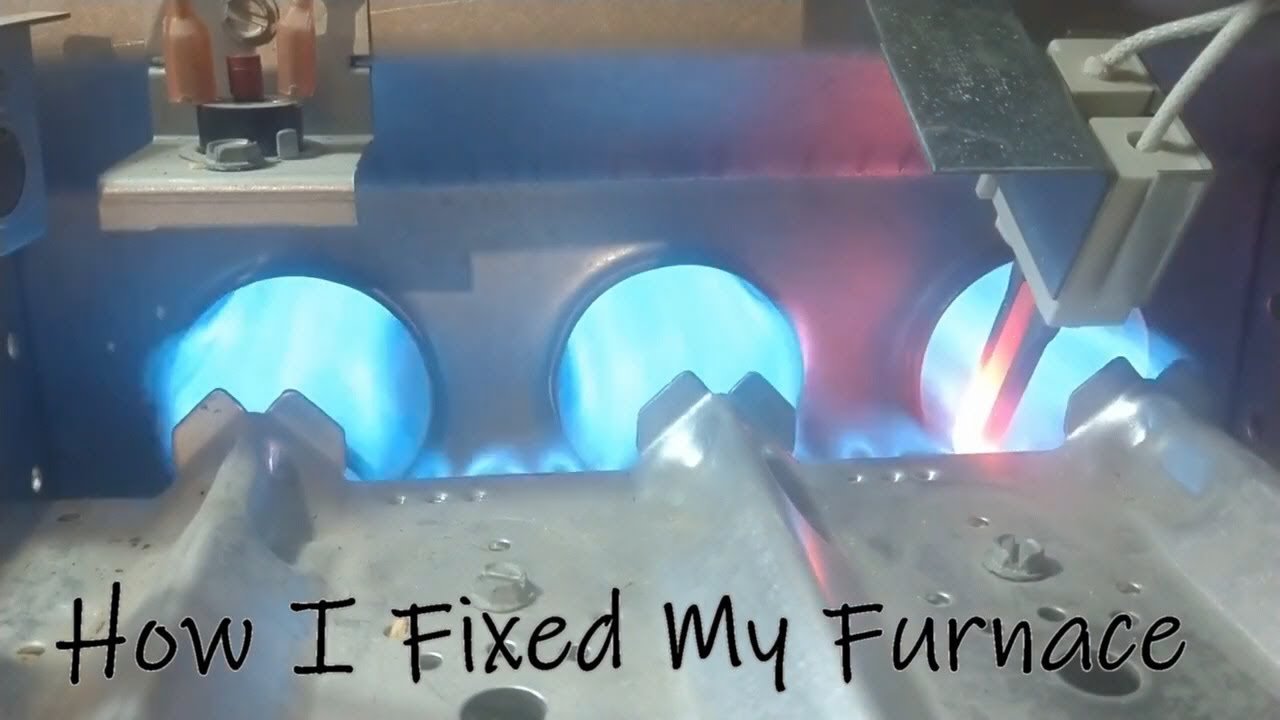
Finally, the ignition system may fail if the flame sensor is dirty. This small metal rod sits in the path of the burner flame. If it becomes coated with carbon, it cannot “see” the flame, and the control board will shut off the gas valve within seconds of ignition. This varies by model — check the label on your control board for specific blink-code patterns that indicate which sensor is currently reporting an error.
Clear the airflow path
This fix is for users who have confirmed that the furnace is receiving power but still refuses to heat. Start by inspecting your return air filter. If the filter is gray or clogged with debris, it’s the likely culprit. Replace it with a clean filter of the exact size specified by the manufacturer. If you’re using a pleated, high-MERV filter, ensure it isn’t too restrictive for your specific blower motor; if the air pressure is too high, the system will struggle to pull air, causing the high-limit switch to cycle the heat off prematurely.
Next, go to the outdoor exhaust pipe. In high-efficiency systems, this pipe is usually PVC. Check the end of the pipe for leaves, bird nests, or ice buildup. Even a partial blockage will trigger the pressure switch, which is a safety device required by federal installation standards to prevent carbon monoxide buildup inside the home Energy Star furnace installation guidelines. If you find an obstruction, clear it carefully. If the pipe is clear but you hear the inducer motor running for a long time without ignition, you have reached the limit of what a non-technician can safely address. Don’t attempt to bypass the pressure switch, as this removes a critical layer of protection against gas leaks.
Reset the power cycle
A power cycle can clear temporary faults in the control board memory. To do this, locate the furnace power switch, which is often a standard light-style toggle on the side of the unit or near the basement entrance. Turn the switch to the “off” position and leave it for at least sixty seconds. This allows the control board to reset its internal memory. After the wait, flip the switch back to “on.”
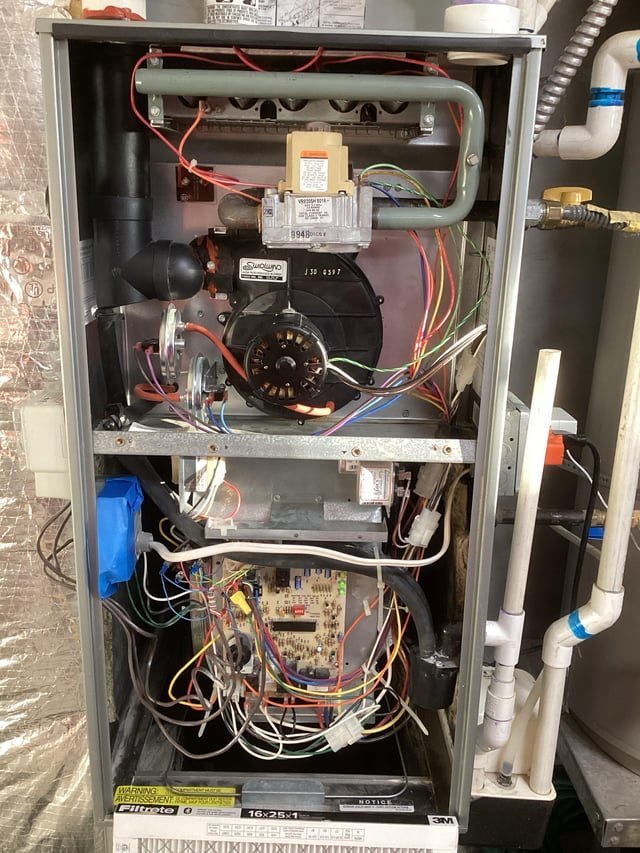
This isn’t for users who smell gas or hear strange grinding noises coming from the blower housing. If you hear loud metallic scraping, the blower wheel may be loose or damaged, and power-cycling won’t fix a physical mechanical failure. If the furnace attempts to start after the reset but shuts down again immediately, note the number of flashes on the LED light located on the furnace control board. This light is your primary diagnostic tool. If you see a code, record it and provide it to a licensed HVAC professional. They use these codes to determine which specific safety circuit is open, saving time and labor costs during a service visit.
Inspect the condensate trap
The condensate trap is a clear or white plastic box attached to the lower side of the furnace. Over time, sediment can settle in the bottom of this trap, blocking the flow of water. If you see standing water in the trap or the attached tubing, this is likely why the system is locked out. Check the tubing for kinks or clogs. If the tubing is clear but the trap remains full, it may be time to call a professional to flush the line.
This isn’t for users who are uncomfortable working near water lines or electrical wires. If you accidentally disconnect a wire while looking at the trap, you could create a short circuit that damages the control board. If you don’t have the proper tools to disconnect and clean the trap without spilling water onto the furnace floor, call a service company. The cost of a professional cleaning is far less than the cost of a damaged control board or a flooded basement.
What not to do
- Never bypass the pressure switch: This is a vital safety mechanism that prevents the furnace from firing if the exhaust is blocked, which could lead to carbon monoxide poisoning.
- Don’t use a vacuum cleaner inside the burner box: The sensors and igniters are extremely fragile; touching them with a vacuum nozzle will break the ceramic housing and cost you a significant repair bill.
- Don’t force the gas valve open: If the furnace isn’t igniting, it’s waiting for a signal from the control board; forcing the valve creates a massive fire hazard.
- Avoid using permanent markers on the control board wires: If you disconnect wires to test them, you may lose the original factory wiring diagram, making it impossible for a technician to restore the system later.
How to stop it happening again
Regular maintenance prevents the majority of furnace lockouts by keeping the sensors clean and the airflow unrestricted.
| If you’re doing this | Do this instead | Why |
|---|---|---|
| Ignoring water near the unit | Clear the drain line | Standing water trips safety switches. |
| Letting grass grow near pipes | Keep area clear of debris | Blocked pipes stop the combustion cycle. |
| Waiting for a total failure | Schedule annual tune-ups | Technicians find small issues early. |
Frequently asked questions
Can I fix a flashing light code on my own?
You can’t fix the underlying issue yourself because the light code is a diagnostic map for technicians. It identifies which specific safety switch has tripped. Don’t attempt to bypass these switches, as forcing the furnace to run can damage the heat exchanger or create dangerous conditions.
Why is my furnace blowing cold air?
Your furnace blows cold air because the burners failed to ignite or the high-limit switch tripped. When this switch trips, the blower runs to cool the heat exchanger while the gas valve remains closed. Check your air filter first, as a blockage is the most common cause.
How long does a Ruud 90 Plus furnace last?
A Ruud 90 Plus furnace typically lasts fifteen to twenty years with regular professional maintenance. Lifespan depends heavily on indoor air quality, filter frequency, and clear exhaust pipes. If your unit is over fifteen years old and requires frequent, expensive repairs, replacement is often more cost-effective than patching.
Is it safe to keep using the furnace with a minor rattle?
It isn’t safe to ignore a rattle, as it often indicates a loose blower wheel or failing motor bearing. A loose wheel can eventually detach and cause catastrophic damage to the furnace cabinet. Address these noises early to avoid a costly full blower motor replacement.
What happens if I ignore a blocked exhaust pipe?
Ignoring a blocked exhaust pipe will cause the furnace to shut down via the pressure switch until it fails to start. If that switch fails, the furnace could leak lethal carbon monoxide into your home. Ensure the exhaust pipe remains clear and free of debris at all times.
Final Thoughts
If your furnace still won’t start after these quick checks, don’t hesitate to contact a licensed technician. They’ll have the right tools to safely inspect the internal components and get your heat running again. It’s better to be safe than sorry when you’re dealing with gas appliances during the cold winter months.
Related guides
- Bryant Plus 80 Furnace Troubleshooting: Fix Common Heating Issues in 2026
- Bryant Plus 90t Furnace Troubleshooting: Fix Common Error Codes
- Lennox Furnace Troubleshooting Manual: Fix Common Heating Issues in 2026