
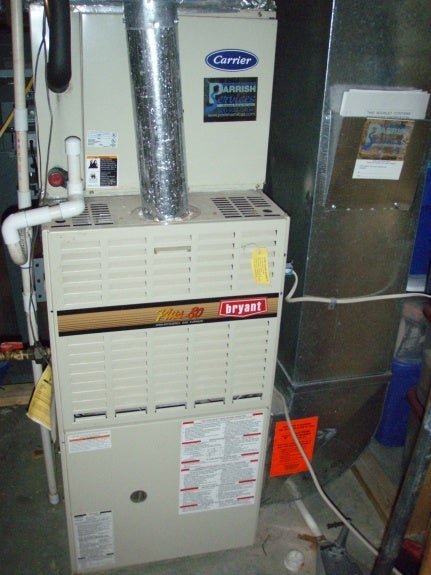
You can resolve most heating issues by checking the power supply, filter status, and thermostat settings because Bryant Plus 80 Furnace Troubleshooting often reveals that simple user-side errors are the main cause of a system failure. If the unit doesn’t start, common reasons include a tripped circuit breaker, a loose door panel, or a failure in the ignition sequence.
Bryant Plus 80 Furnace Troubleshooting
Heating systems stop working for a few predictable reasons. The most common cause is restricted airflow. If your air filter is clogged with dust, the furnace can’t move enough air across the heat exchanger, causing the internal high-limit switch to cut off the burners to prevent overheating. The internal high-limit switch will then cut off the burners to prevent overheating. This is a safety feature, not a sign that your equipment is broken.
Another frequent issue is a lack of electrical power. Furnaces have a safety switch on the blower door. If this door isn’t pushed in perfectly, the furnace won’t turn on. It’s easy to bump this door while changing a filter or storing items nearby. Additionally, your home’s main electrical panel might have a tripped breaker. This happens if there’s a power surge or if the circuit is overloaded by other appliances.
Finally, the thermostat might be set to the wrong mode or have dead batteries. If the display is blank or dim, the thermostat can’t send the “call for heat” signal to the furnace control board. In some cases, the problem is a blocked exhaust vent. If debris like leaves or nests gets into the PVC pipe outside, the pressure switch will detect a lack of airflow and stop the ignition sequence. This protects you from carbon monoxide leaks.
Check the power and door panels
This fix is for users who notice the furnace is completely silent. Start by checking your home’s electrical breaker box. If the furnace breaker is in the middle position, flip it all the way to “off” and then back to “on.” If the breaker trips again immediately, don’t try to reset it a second time. This indicates a short circuit that needs a professional technician.
Next, inspect the blower door on the front of the furnace. This panel usually has a small metal tab or a handle. If it feels loose, press it firmly against the frame. Many models have a “door interlock switch” that acts like a light switch in a refrigerator; if the door is open, the power is cut to the entire unit. If the door panel has been removed for cleaning, make sure it’s aligned with the bottom slots before you push the top in.
If the blower starts running but you don’t hear the burners ignite, wait five minutes. Sometimes the system is in a “lockout” mode after a failed start. If the status light on the control board is flashing, write down the code or count the flashes. This information helps a professional diagnose the issue much faster when they arrive. Don’t attempt to bypass any safety switches or touch any internal wiring, as capacitors can hold a lethal charge even when the power is off.
Inspect the air filter and thermostat
This fix is for when the furnace runs for a few minutes and then shuts off, or if it blows cold air. First, locate your air filter. It’s usually found where the return air duct meets the furnace cabinet. Pull the filter out and hold it up to a light. If you can’t see light passing through the mesh, it’s time for a new one. A dirty filter forces the blower motor to work harder and reduces the heat output significantly.
If the filter is clean, look at your thermostat. If the screen is blank, replace the batteries with fresh alkaline ones. If the screen is on, ensure the “system” switch is set to “heat” and the temperature is set at least five degrees higher than the current room temperature. If you have a programmable model, check the schedule settings to ensure it isn’t currently in a “sleep” or “away” mode.
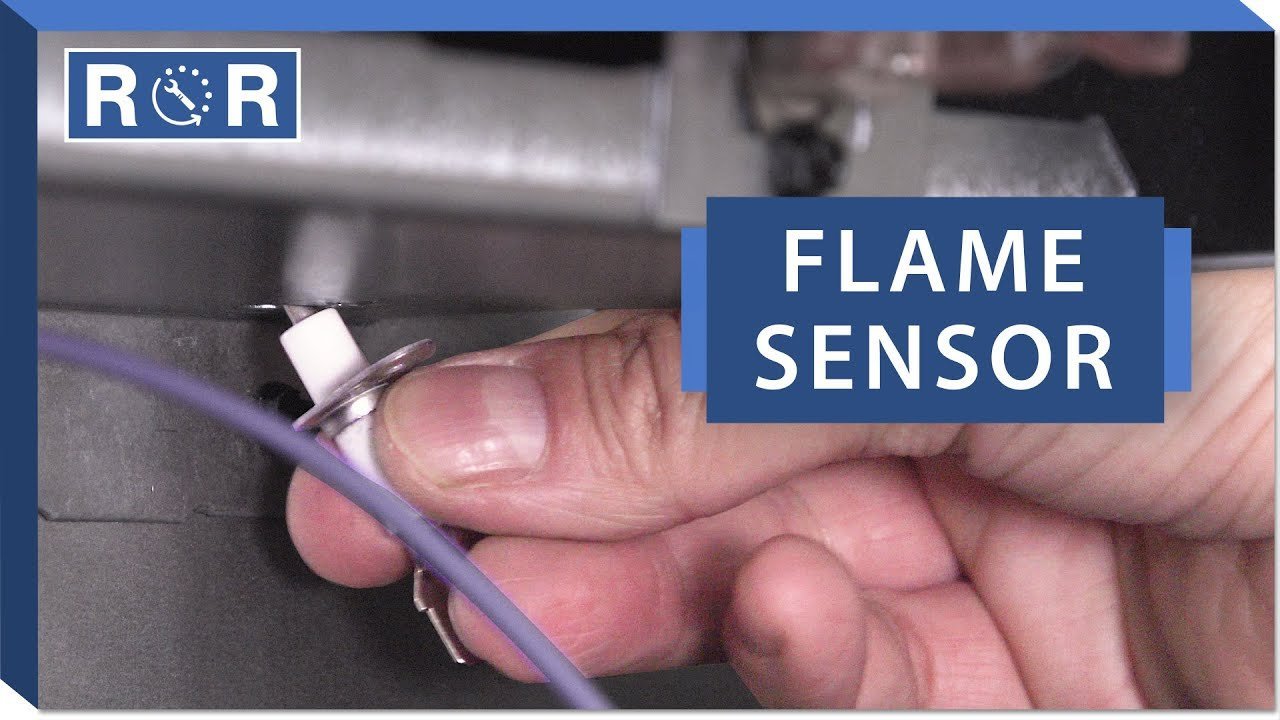
If the burners ignite briefly and then shut off, the flame sensor might be dirty. This is a thin metal rod near the burner assembly. This varies by model — check the label on your furnace for specific maintenance instructions. If you aren’t comfortable cleaning components, call a licensed HVAC contractor. They have the specialized tools to clean the sensor without damaging the delicate ceramic base.
Verify the exhaust and intake vents
This fix is for homeowners whose furnace starts the ignition sequence but cuts out before the house gets warm. Go outside and find the two PVC pipes that extend from your home. These are your intake and exhaust vents. Check the openings for ice, snow, dead leaves, or bird nests. Even a small blockage can trigger the pressure switch, which is designed to shut down the furnace if it cannot “breathe” properly.
If you find a blockage, clear it away by hand. Don’t use a pressure washer or force a stick deep into the pipe, as you could damage the internal flue or get debris stuck further down. Once the path is clear, go back to the furnace and turn the power off at the service switch for thirty seconds, then turn it back on. This resets the control board. If the furnace still fails to heat, the problem may be an internal issue with the pressure switch or the inducer motor. These parts require specific diagnostic equipment to test and should only be handled by a professional. If you have multiple furnaces, compare the sound of the working one to the one that’s failing. If the failing unit makes a grinding or high-pitched whining noise, turn it off immediately to prevent further damage to the motor bearings.
What not to do
- Don’t use a vacuum cleaner to clean the inside of the burner box or the electronics. Static electricity from a standard vacuum can damage the sensitive circuit board.
- Don’t tape over the door safety switch to keep the furnace running while the panel is off. This removes a vital safety layer and can lead to dangerous overheating or fan exposure.
- Don’t attempt to adjust the gas valve or the burner orifices yourself. If you smell gas, leave the house immediately and call your utility company or emergency services from outside.
- Don’t spray water or cleaning chemicals directly into the intake vents. Liquid can collect in the pipes and cause the furnace to shut down or damage the internal components.
How to stop it happening again
Regular maintenance is the most effective way to prevent mid-winter breakdowns. If you follow a simple schedule, you’ll catch problems before they leave you in the cold.
| If you’re doing this | Do this instead | Why |
|---|---|---|
| Ignoring unusual noises | Call a tech for an inspection | Early repair prevents expensive motor failure |
| Leaving vents blocked by furniture | Keep all air registers clear | Improves circulation and heating efficiency |
| Waiting for a total breakdown | Schedule a pre-season tune-up | Finds worn parts before they fail completely |
Frequently asked questions
Can I fix a Bryant furnace that won’t ignite?
You can fix a furnace that won’t ignite by checking the power supply, door panel switch, and intake vents for blockages. Many ignition failures occur because the system enters a safety lockout mode due to a dirty flame sensor. Contact a licensed technician if basic troubleshooting fails.
Why does my furnace keep blowing cold air?
A furnace blows cold air when the burner assembly fails to ignite or the system overheats. A restricted air filter is the most common cause of premature burner shutdown. If the filter is clean and the thermostat is set correctly, contact a professional to inspect the gas supply.
How long should a Bryant furnace last?
A well-maintained furnace typically lasts between fifteen and twenty years. This lifespan depends heavily on regular filter changes and annual professional maintenance. If your furnace is approaching the fifteen-year mark, consult a technician to determine if the unit is still operating safely.
Is it safe to run my furnace with a dirty filter?
No, you shouldn’t run a furnace with a clogged filter because it restricts airflow and causes internal components to overheat. Restricted airflow triggers the high-limit switch to shut down the system to prevent fire. Replace your filter immediately when it appears grey or covered in debris.
What happens if I smell gas near the furnace?
If you smell gas, evacuate the building immediately and call your gas utility provider or emergency services from a safe distance. A rotten egg smell is the primary indicator of a dangerous gas leak. Don’t re-enter the home until professionals confirm it’s safe.
Final Thoughts
If these basic checks don’t get your home warm again, it’s time to call a licensed professional. They’ll have the right tools to safely inspect your unit’s internal components. Don’t hesitate to reach out for help if you’re unsure, as it’s always better to stay safe and keep your system running smoothly.
Related guides
- Carrier Furnace Manual Troubleshooting: Fix Common Heating Issues in 2026
- Travel Trailer Furnace Troubleshooting: Simple Fixes for Heat in 2026