
You can resolve most heating issues by checking the power supply, the reset button, or the thermostat settings during Bradford Water Heater Troubleshooting. The most common cause for a lack of hot water is a tripped high-limit safety switch, which often happens when the unit works harder than it should.
Bradford Water Heater Troubleshooting
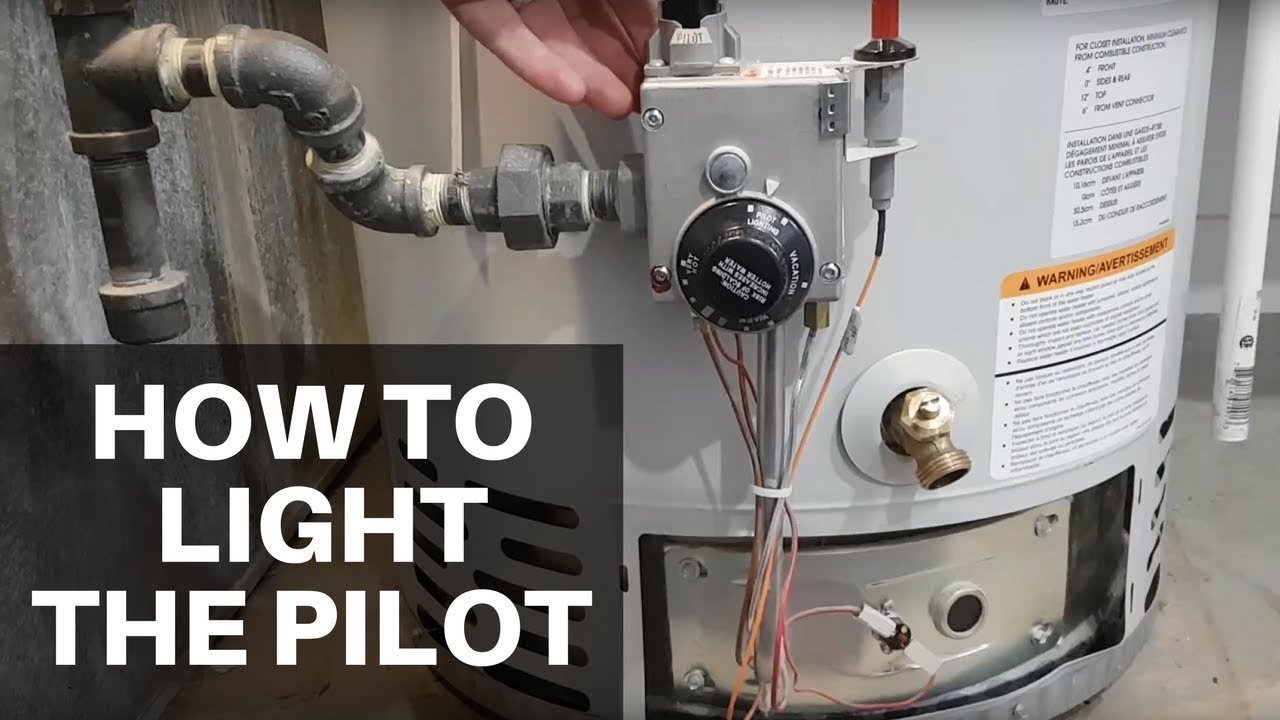
Water heaters usually stop working because of simple electrical interruptions or safety triggers. If your water heater is electric, the most frequent reason for a total loss of hot water is a tripped high-limit switch. This device acts like a circuit breaker inside your tank. If the water gets too hot, the switch cuts power to the elements to prevent damage or dangerous pressure buildup. This often occurs if the thermostat is set too high or if sediment has built up at the bottom of the tank, causing the heating element to overheat.
Another common cause is a failed heating element. Over time, the metal coils inside the tank can break or short out due to mineral deposits. When one element fails, the water might stay lukewarm or take much longer to heat up. If your model uses two elements, the upper one controls the top half of the tank, while the lower one does the bulk of the work. If the upper element fails, you’ll have no hot water because the lower element won’t receive power.
Finally, check your home’s electrical panel. It’s possible that the breaker for the water heater has tripped due to an overload or a minor power surge. If you have a gas model, the pilot light may have gone out or the thermocouple—a small sensor that detects heat—might be dirty or broken. The thermocouple is a safety part; if it doesn’t sense a flame, it shuts off the gas supply to prevent a leak.
Check the electrical supply
This fix is for electric models that have suddenly lost all hot water. Before you do anything, ensure your hands are dry and you’re standing on a dry floor. Go to your home’s main breaker box and look for the switch labeled “Water Heater.” If the switch is in the middle position or flipped to “Off,” flip it all the way to the “Off” position, wait five seconds, and then flip it back to “On.” If the breaker trips again immediately, don’t try to reset it again. This indicates a serious electrical short that requires a licensed electrician to inspect the wiring and the internal components.
If the breaker is already in the “On” position, the power supply is likely fine. In this case, the issue is likely the high-limit switch on the water heater itself. You can find the reset button on the upper thermostat control behind the access panel on the side of the tank. If you aren’t comfortable working near electrical terminals, call a professional. Never touch the electrical wires or the heating element terminals, as the unit may still be energized. A professional will have the expertise to safely verify that the power is off before they open any housing or confirm whether the part has failed.
Reset the safety switch
If your water heater has power but the water remains cold, the internal high-limit switch might need a manual reset. This is a common fix for units that have experienced a one-time overheating event. The reset button is typically a small red button located on the upper thermostat assembly. You’ll need to remove the access cover on the side of the tank to see it. Before you remove any screws, ensure the power is off at the breaker.
If you find the red button, press it firmly. If you hear a click, the switch has reset. Replace the cover, turn the power back on at the breaker, and wait about one hour to see if the water begins to heat up. If the button doesn’t click or if it pops back out immediately after you press it, the thermostat itself may be faulty. This is a sign that the component has reached the end of its life. If you aren’t confident in identifying these parts, contact a qualified plumber. The official Bradford White product support pages provide guidance on identifying the specific model you own, which helps when you need to order replacement parts or verify if your unit is still under warranty.
Adjust the thermostat settings
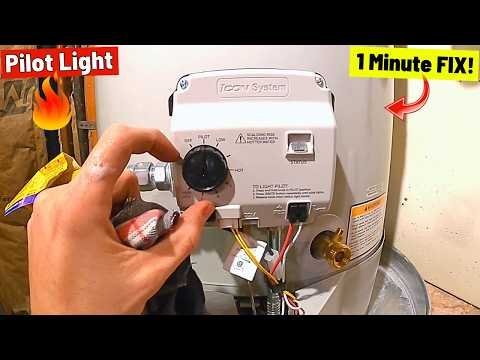
If you have hot water but it isn’t hot enough, you may need to adjust the thermostat. Many units are set to a lower temperature from the factory to save energy and prevent scalding. If your water is only lukewarm, the dial might be set too low. Use a screwdriver to turn the dial to a higher setting, usually marked 120 or 125 degrees Fahrenheit.
This fix is for users who have a basic understanding of their unit’s controls. Never set the temperature above 140 degrees Fahrenheit, as this significantly increases the risk of serious burns. If you adjust the dial and the water still doesn’t get hot after two hours, the lower heating element is likely burned out. This is a common failure in hard water areas where mineral buildup insulates the element and causes it to fail. Replacing a heating element requires draining the tank and working with specialized tools. If you don’t have experience with plumbing or electrical work, don’t attempt to replace the element yourself. A professional plumber will ensure the tank is drained correctly and the new element is sealed properly to prevent leaks.
What not to do
- Don’t turn the thermostat to the maximum setting. This is dangerous and can cause severe scalding at your faucets.
- Don’t use a garden hose to drain the tank while the power is on. This will burn out the heating elements instantly because they will be exposed to air instead of water.
- Don’t attempt to bypass the high-limit switch. This is a critical safety device that prevents the tank from exploding due to extreme pressure; bypassing it creates a major fire and safety hazard.
- Don’t ignore a leaking tank. A small drip is often a sign of internal corrosion that will soon lead to a total tank failure, so you should prepare for a replacement rather than a repair.
How to stop it happening again
Regular maintenance prevents the mineral buildup that causes most heating failures. If you live in an area with hard water, the minerals will settle at the bottom of the tank and insulate the heating elements.
| If you’re doing this | Do this instead | Why |
|---|---|---|
| Ignoring the tank | Flush the tank yearly | Removes sediment buildup |
| Setting heat too high | Keep at 120 degrees | Prevents scale and burns |
| Using old anodes | Replace every 3-5 years | Prevents internal tank rust |
| Neglecting the breaker | Inspect connections annually | Prevents loose, hot wires |
Frequently asked questions
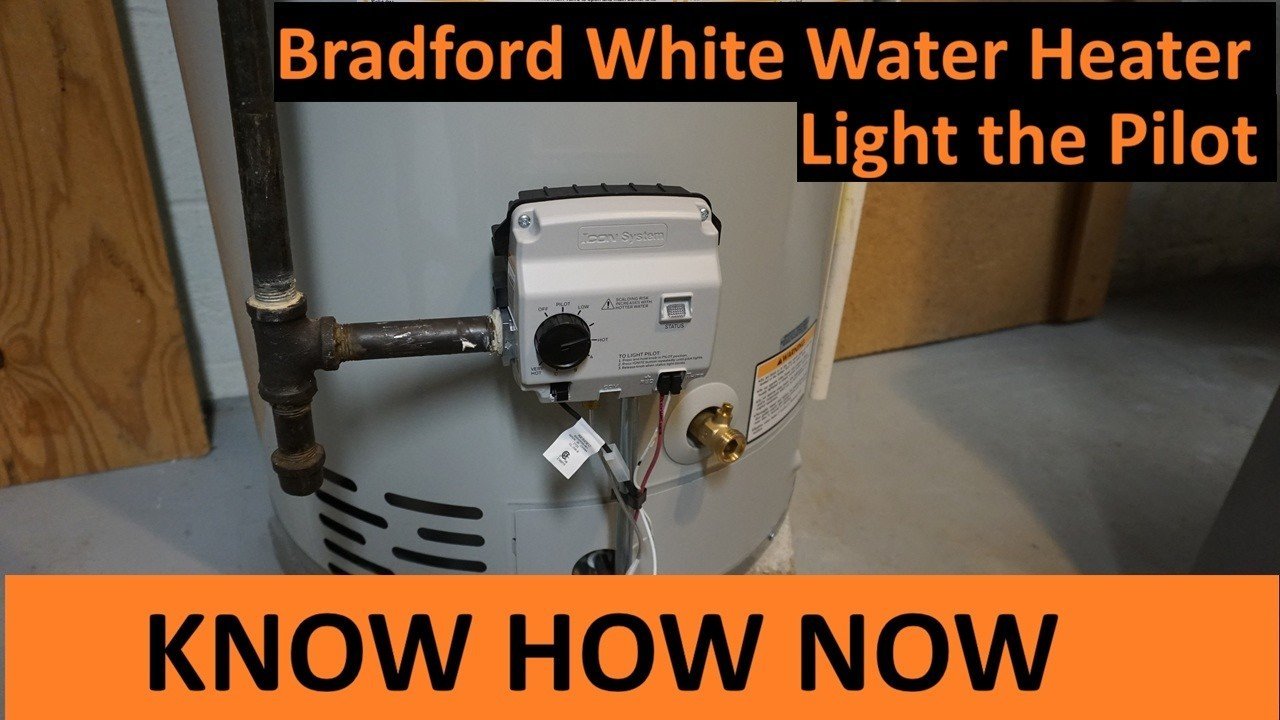
How long does a water heater take to heat up?
It takes between one and two hours for a standard 40-gallon tank to reach full temperature after a complete drain. If your tank is larger or if the incoming water is very cold during winter, it may take slightly longer. If your water doesn’t get hot after three hours of waiting, there’s likely a fault in the heating element or the thermostat.
Is it safe to reset the water heater myself?
Yes, it’s safe to reset the high-limit switch if you only press the red button located on the upper thermostat. You must ensure the power is off at the breaker before you touch the access panel. If you see charred wires or smell burning plastic, stop immediately and call a licensed professional to handle the electrical repair.
Why is my water heater making a popping sound?
The sound comes from water trapped under layers of sediment at the bottom of the tank. As the water is heated, steam bubbles trapped under layers of sediment expand and escape, creating a popping or rumbling noise. Flushing the tank should resolve this, but if the noise continues, the sediment may be too hard to remove, and you may need a new tank.
Can I change the thermostat myself?
No, you shouldn’t attempt to replace a thermostat unless you have training in electrical repair. The process involves disconnecting live wires and ensuring the unit is properly grounded. A mistake here can lead to electric shock or a fire hazard. Always hire a professional to replace internal electrical components.
What happens if I set the water heater to 140 degrees?
Setting the temperature to 140 degrees makes the water hot enough to cause third-degree burns in just a few seconds. While this temperature can kill some bacteria, it also increases the rate of mineral scale buildup inside the tank and on the heating elements. Most households find 120 degrees to be perfectly sufficient for daily use.
Final Thoughts
If these simple adjustments don’t bring the heat back, it’s time to call a professional plumber. They’ll have the right tools to check for internal leaks or failing parts. Don’t hesitate to reach out for help if you’re still feeling cold, as it’s better to be safe than sorry.
Related guides