
Bryant Plus 90t furnace troubleshooting starts with checking the LED sight glass on the lower door for blinking error codes. The single most common cause of sudden shutdowns is a clogged air filter or a blocked PVC condensation line. Look through the clear plastic port before touching any switches so you don’t erase the control board’s memory.
Why your Bryant furnace stops working
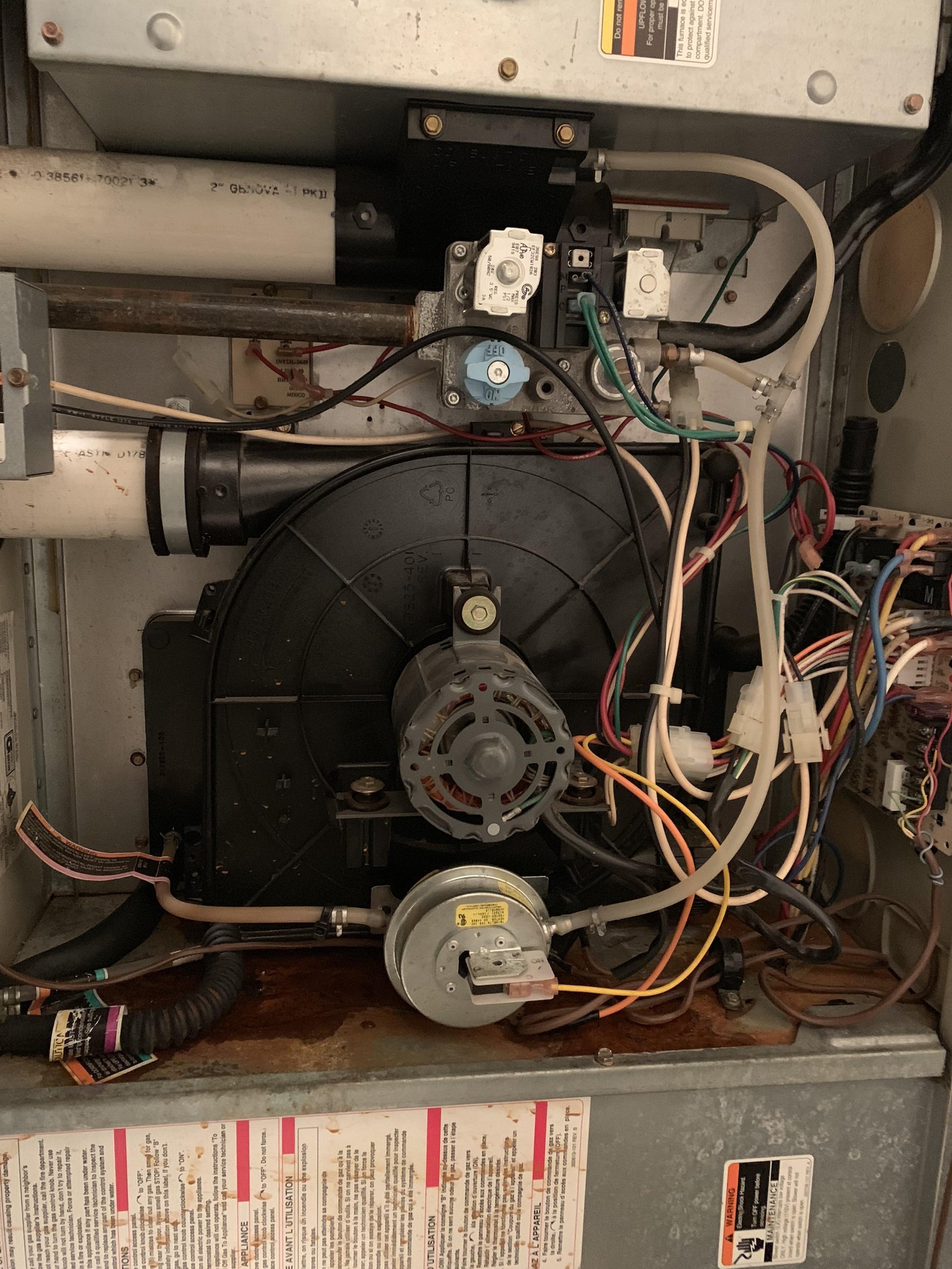 Photo: www.veneklinikken.dk on Google
Your furnace relies on precise airflow, clear drainage, and correct fuel pressures to run safely. Three main problems trigger almost all unexpected shutoffs:
First, a restricted filter traps heat inside the main cabinet. When temperatures spike, the primary limit switch trips instantly to prevent metal warping.
Second, this condensing unit generates gallons of water during standard heating cycles. If algae, dirt, or ice blocks the plastic drain line, a float switch kills power to stop internal flooding.
Third, poor venting cuts off fresh air. The draft inducer blower must pull outdoor air through the intake pipe and vent toxic fumes outside. If snow, bird nests, or leaves block those exterior PVC terminations, the internal pressure switch stays open and aborts the ignition sequence.
Inspect the status light and reset power
This step is for anyone facing a system that blows cold air or stays silent. Look at the small amber or red LED through the blower door viewing window. Count the flashes: short flashes indicate the first digit, while long flashes indicate the second digit. Write this down immediately.
Next, flip the furnace power switch on the wall beside the unit to “Off” for 60 seconds, then flip it back on. This resets the control board logic. You’ll know it worked if the draft motor spins up and burners ignite within two minutes. If the code reappears right away, don’t keep resetting it. High-voltage connections carry severe shock risks; internal component diagnostics require a licensed HVAC technician.
Replace the main air filter
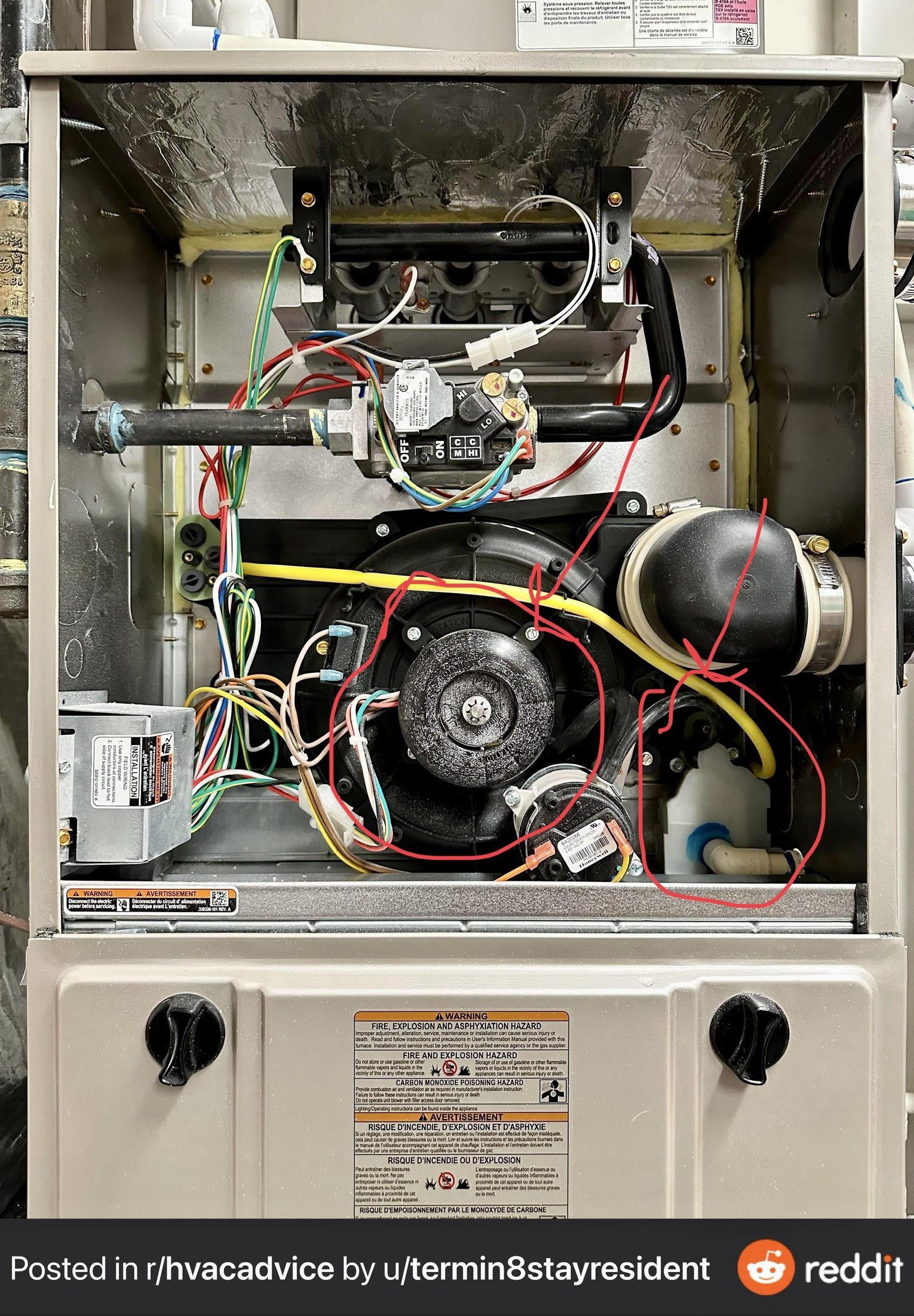 Photo: pageup.fr on Google
This fix addresses high-limit switch trips and frequent short-cycling. A clean filter allows proper airflow across the heat exchangers.
Slide out the old filter from the return air drop or internal blower rack. Check the size printed on the cardboard frame; standard slots use 16x25x1 or 20x25x1 inch media. Install a fresh filter, making sure the printed airflow arrow points toward the furnace cabinet, not the ductwork. You’ll know it worked if the furnace runs continuously past the ten-minute mark without cycling off prematurely.
A trade-off to consider: high-efficiency pleated filters catch more dust, but they also restrict airflow faster. This requires replacement more regularly instead of as part of your usual clean.
Clear the PVC intake and condensate drain
This is for stubborn pressure switch errors (codes 31 or 32) and water pooling around the furnace base. It’s worth the time if you’re comfortable working outdoors in cold weather, but it’s not for homes with roof-mounted exhaust stacks.
Go outside and inspect the two white PVC pipes exiting your home’s side wall. Clear away snow, ice, or plant debris blocking either opening. Next, check the indoor vinyl drain tubing coming from the collector box. If you see dark sludge, remove the hose clamp, pull the hose off, and flush it with warm water. Reattach it securely. The ENERGY STAR furnace maintenance guidelines recommend keeping these vent terminals clear year-round to protect mechanical efficiency. If clearing the line doesn’t restore operation, the secondary heat exchanger might be clogged, which requires an expert.
What not to do
- Don’t bypass safety switches with jumper wires because running without active limit switches can cause cracked heat exchangers and house fires.
- Don’t attempt repeated restarts if the burner fails to light; unburned gas can accumulate or the control board will enter a safety lockout requiring a service call.
- Don’t use bleach to clear condensation traps inside the cabinet because harsh chemicals corrode the plastic collector box and weaken rubber fittings.
- Don’t open the sealed blower door while power is running; the blower wheel spins fast enough to cause severe lacerations.
How to stop it happening again
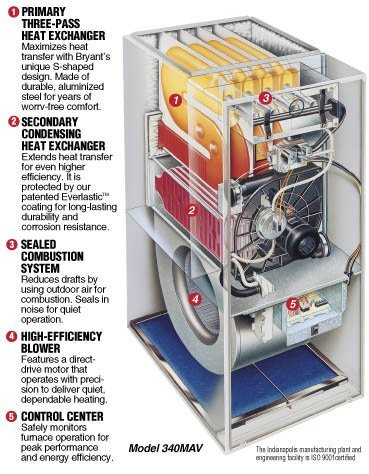 Photo: www.reallywildbusiness.com on Google
Routine habits protect sensitive pressure switches and keep high-efficiency burners running smoothly.
| If you’re doing this | Do this instead | Why |
|---|---|---|
| Buying max-rated MERV 13 filters | Use standard MERV 8 filters | Dense media suffocates older blowers and trips limits |
| Letting winter snow pile near vents | Clear 3 feet around outside pipes | Ice blocks intake air and triggers code 31 shutoffs |
| Running the system with closed vents | Keep at least 80% of registers open | Shut vents build excessive static heat in supply plenums |
| Ignoring slight gurgling sounds | Pour water down the condensate trap | Dry or sluggish traps cause pressure switch flutter |
Frequently asked questions
Can I reset my furnace without turning off the breaker?
Yes, you can use the service switch mounted on the side of the furnace casing. It looks like a standard light switch. Flip it down to shut off power, wait 60 seconds for the control board to drain residual charge, then flip it up.
Why is my furnace blowing cold air continuously?
The furnace enters limit lockout after overheating or failing ignition multiple times. The blower fan runs non-stop to cool internal components. If the burner doesn’t relight after a power cycle, your flame sensor is dirty or the primary limit switch has failed open.
How long does a pressure switch lockout last?
Three hours is the standard factory lockout duration for control boards in this family. After three hours, the board attempts a full ignition cycle automatically. You can bypass this delay manually by toggling the furnace power switch off and on again once.
Is it safe to leave a furnace running with error code 33?
No, code 33 indicates a limit circuit fault from restricted airflow. Running the unit repeatedly under this condition overheats the heat exchangers and damages internal wiring. Shut the system off at the thermostat until you replace the clogged filter that caused the heat spike.
What happens if the drain line freezes outside?
The furnace shuts down within minutes. Condensation backs up into the internal collector box, tripping the pressure switch. The system refuses to ignite until you thaw the exterior PVC pipe with warm water and drain the accumulated fluid inside the lower compartment.
Related guides