
You can resolve common cooling issues by checking the power supply, filter status, and thermostat settings using this Air Conditioner Troubleshooting Guide as your primary resource. If the unit doesn’t turn on at all, the most frequent cause is a tripped circuit breaker or a blown fuse at your home’s electrical panel.
Why this happens
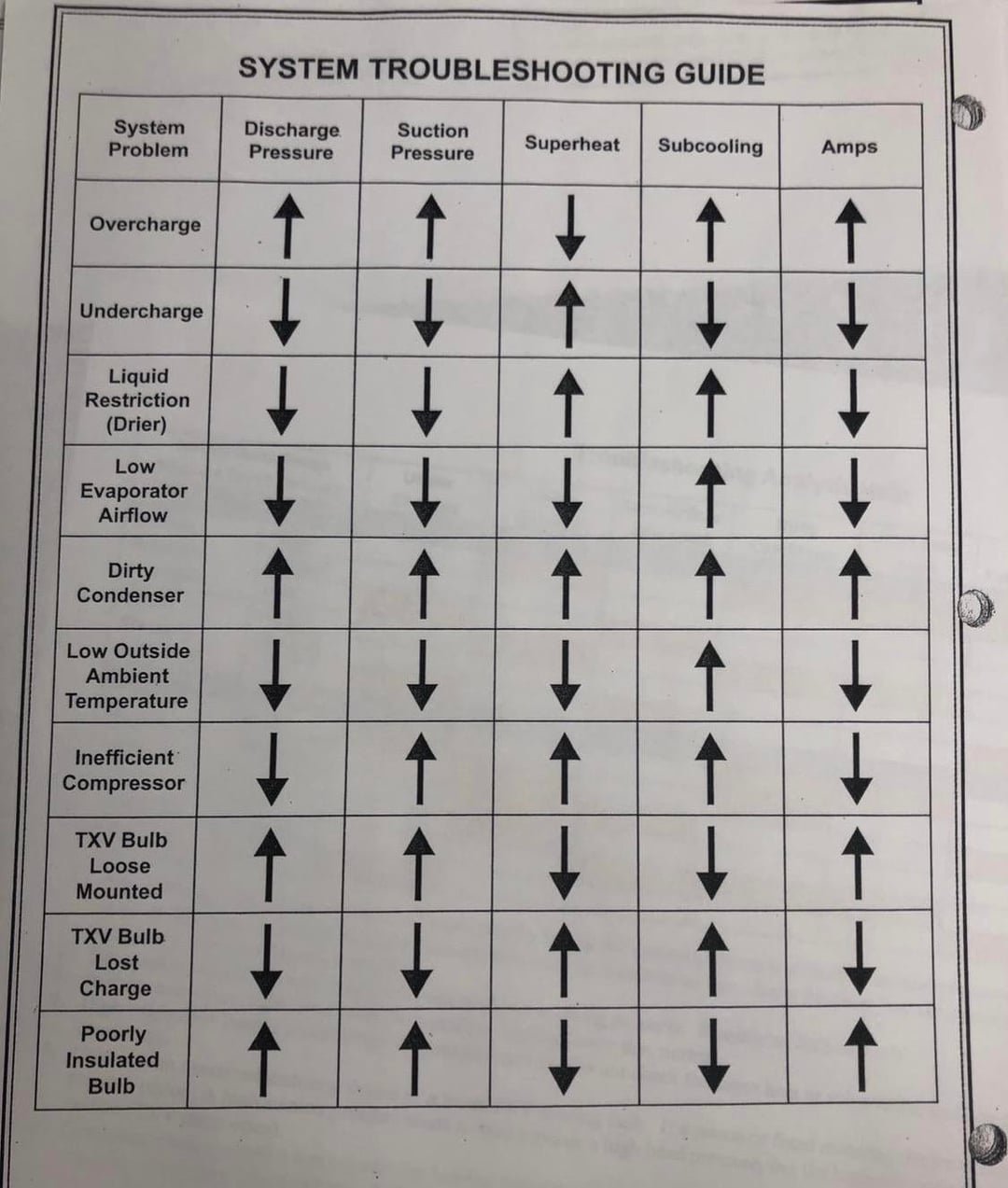
Most cooling problems stem from restricted airflow or simple power interruptions. When air can’t move freely through the system, the coils may freeze, leading to a total loss of cooling capacity. This often happens because the air filter is clogged with dust or debris, which forces the blower motor to work harder than it should. If the air coming out of your vents feels warm, check if the outdoor unit is running. If it’s silent, the thermostat may not be sending the correct signal, or the unit could be stuck in a protection mode after a power surge.
Another common cause involves dirty condenser coils located on the outdoor unit. These coils release heat from your home into the outside air. When they’re coated in dirt, leaves, or grass clippings, the system can’t shed heat effectively. This makes the compressor run continuously, which consumes more energy and eventually causes the unit to shut down to prevent motor damage. If you notice ice forming on the copper pipes, turn the system off completely to allow the ice to melt. Don’t try to chip the ice away, as you could puncture the lines and release refrigerant.
Finally, thermostat settings often cause confusion. If the device is set to “on” rather than “auto,” the fan will run constantly, which can make the air feel humid even if the temperature is correct. Verify that the mode is set to “cool” and the temperature is set at least five degrees lower than the current room temperature. If the display is blank, the batteries might be dead, or the unit may have lost power from the HVAC control board.
Air Conditioner Troubleshooting Guide: Power and Thermostat
This fix is for anyone whose unit is completely unresponsive or displaying an error code on the control screen. First, walk to your home’s main electrical panel and look for a switch that has flipped to the “off” or “middle” position labeled for the air conditioner. If you find one, flip it all the way to “off” and then back to “on.” If it trips again immediately, don’t force it; call a professional, as this indicates a short circuit.
Next, check the thermostat. If the screen is blank, replace the batteries or ensure the unit is firmly attached to the wall plate. If the screen is on, verify the mode is set to “Cool” and the set point is lower than the room temperature. If the fan setting is on “On,” switch it to “Auto” to ensure the fan only runs when the compressor is active. These steps work for most standard residential systems.
If the unit still doesn’t start after these checks, look for a secondary power switch near the indoor air handler or the outdoor condenser. This is often a metal box mounted on the wall. Ensure the handle is in the “On” position. If it’s already on, you have exhausted the safe, user-level checks. A professional technician must now inspect the control board, contactors, or wiring. Never attempt to bypass a safety switch or open the electrical panels of the equipment yourself, as capacitors can hold a lethal charge even when the unit is unplugged.
Clean the air filters
This fix is for systems that are running but producing weak airflow or showing signs of ice buildup on the coils. Most residential systems feature a filter located either behind the return air grille on a wall or ceiling, or inside a slot on the indoor air handler. To perform this, turn the system off at the thermostat. Locate the filter, slide it out, and inspect it. If you can’t see light through the mesh, it’s too dirty to function.
If you have disposable filters, replace them with a new one of the exact same dimensions. If you have reusable filters, wash them with warm water and mild soap, then let them air dry completely before reinstalling. Never run the system without a filter, as this allows dust to coat the evaporator coils, which is a much harder problem to fix later. If you’re unsure of the size, check the edge of the old filter; the dimensions are usually printed there.
This process is vital because a restricted filter is the most common cause of frozen coils. If you notice the system cooling better after this, you have solved the issue. If the airflow remains weak, there may be a blockage in the ductwork or a failing blower motor. These are tasks for a licensed HVAC technician. If you have a multi-story home, remember that you may have a separate filter for each floor or zone.
Clear the outdoor unit
This fix is for when the system is running but the air coming through the vents isn’t cold, or if the outdoor unit is making a loud humming noise. First, turn the system off at the thermostat. Go outside and inspect the condenser unit. If there’s tall grass, weeds, or debris pressed against the metal fins, clear it away by hand. Keep at least two feet of clear space around the entire unit.
If the fins are visibly coated in dust or dirt, you can use a garden hose to gently spray them with water. Use a low-pressure setting and spray from the inside out or at an angle that pushes debris away from the unit. Never use a power washer or high-pressure nozzle, as this will bend the delicate aluminum fins and permanently restrict airflow. If you bend the fins, they must be straightened with a special tool called a fin comb, which requires a steady hand.
This fix is worth the effort if you see visible debris blocking the unit. It isn’t worth the effort if the unit is already clean or if you hear grinding or rattling noises from inside the cabinet. If you hear metal-on-metal sounds, turn the unit off and call a technician immediately. Continuing to run a unit with a damaged compressor or fan motor can lead to a total system failure, which is significantly more expensive to repair than a simple motor replacement. If you aren’t comfortable working near the outdoor electrical disconnect, don’t attempt this.
What not to do
- Never add refrigerant yourself: This is a pressurized system that requires a professional license to handle, and adding too much or too little will cause the compressor to fail.
- Don’t use a knife to chip away ice: Using tools to break ice off the coils often results in puncturing the refrigerant lines, which is a costly repair that requires a full system recharge.
- Never bypass the safety switches: If a technician installed a switch to stop the unit during an emergency, ignoring it or wiring around it risks an electrical fire or severe motor damage.
- Don’t ignore strange noises: Humming, grinding, or banging sounds indicate a mechanical failure that will only get worse, so shutting the unit down early prevents a complete breakdown.
How to stop it happening again
Preventive maintenance keeps your system running efficiently and extends its life significantly.
| If you’re doing this | Do this instead | Why |
|---|---|---|
| Changing filters once a year | Change filters every 90 days | Dust buildup ruins efficiency |
| Planting shrubs near the unit | Keep a 24-inch clearance zone | Air needs to move to cool |
| Ignoring small leaks | Fix condensate line clogs | Water backups damage walls |
| Setting the temp to 60°F | Use a reasonable target setting | Prevents excessive compressor wear |
Frequently asked questions
Can I run my AC if the coils are frozen?
No, don’t run the system until the ice has fully melted. Running the unit while coils are frozen can cause liquid refrigerant to enter and destroy the compressor. Use the “fan only” setting to speed up the melting process.
Why does my AC smell like a locker room?
This smell is usually caused by mold or mildew growing in the condensate drain pan or on the evaporator coils. As the air conditioner removes humidity, water collects in the pan and becomes a breeding ground for bacteria. If the smell persists, the coils may require professional cleaning.
How long should an air conditioner last?
An air conditioner typically lasts between 12 and 15 years with regular maintenance. This lifespan depends on your specific model, usage frequency, and how well you keep the filters clean. If your system is over 15 years old, it’s often more cost-effective to replace it than to pay for major repairs.
Is it safe to clean the outdoor unit with a pressure washer?
No, never use a pressure washer on your outdoor unit because the high-pressure water will bend the delicate aluminum fins. These fins guide airflow through the coils, and bending them can cause the system to overheat. Use a standard garden hose with a low-pressure nozzle instead.
What happens if I keep running a noisy AC?
You should turn off your system immediately if it makes grinding, banging, or rattling noises to prevent catastrophic failure. These sounds indicate that a part is loose, worn out, or failing mechanically. Ignoring these warning signs can quickly turn a simple fix into a total system replacement.
Final Thoughts
If these quick fixes don’t restore your comfort, don’t hesitate to contact a licensed technician. They’ll have the right tools to handle complex internal repairs safely. It’s better to call for help early than to risk further damage to your system. You’ll be back to enjoying a cool home in no time.
Related guides
- Daewoo Air Conditioner Troubleshooting: Fix Cooling Issues Fast in 2026
- Daikin Air Conditioner Troubleshooting: Quick Fixes for Cooling in 2026