
You can resolve most issues by identifying the specific LG Refrigerator Troubleshooting Codes, which usually indicate a sensor failure, power interruption, or door left ajar. These codes alert you when a component stops communicating with the main control board. If the display remains lit, the system is likely recording a hardware malfunction requiring professional assessment.
LG Refrigerator Troubleshooting Codes Explained
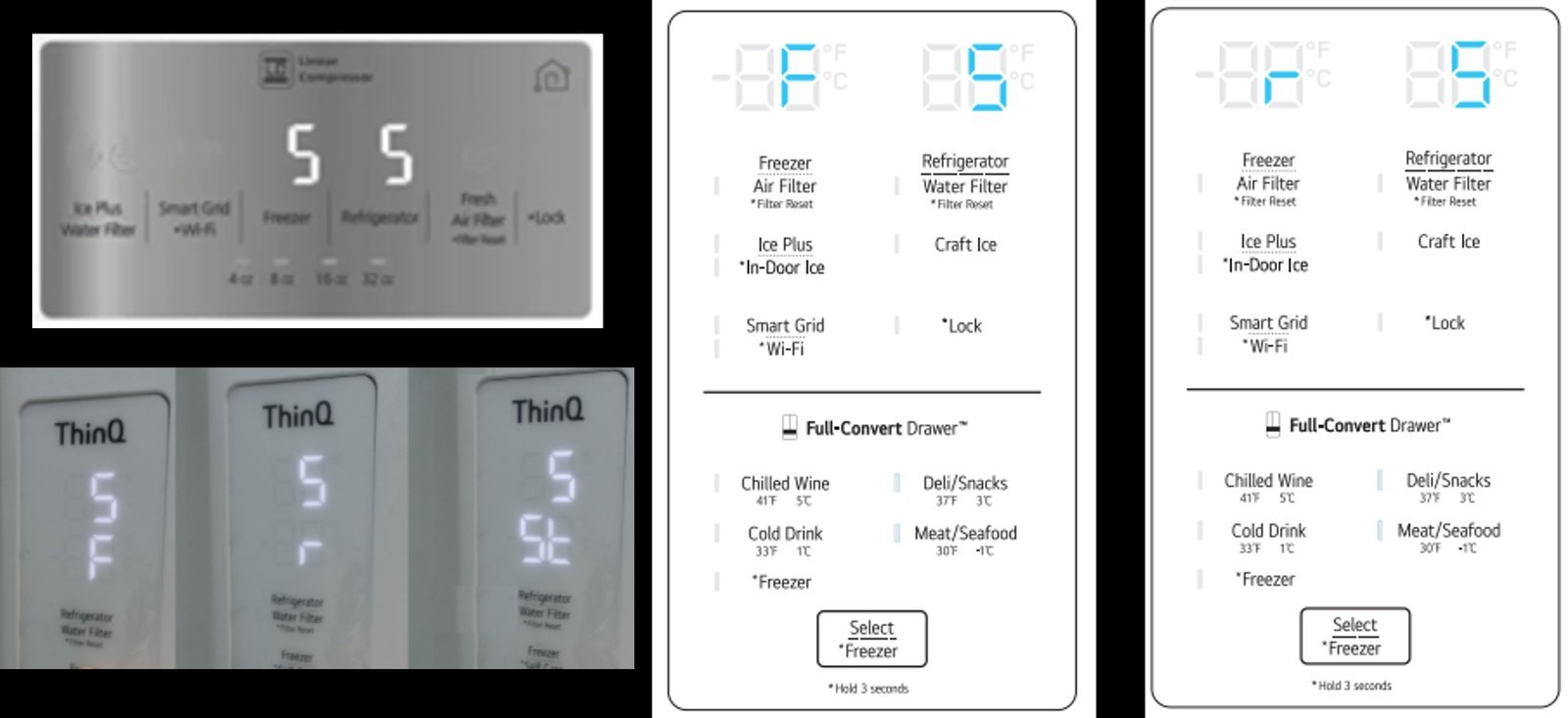
These error codes appear because the refrigerator’s main control board continuously monitors various sensors, including temperature probes, fan motors, and defrost heaters. When the board fails to receive a signal within an expected range, it pauses the current cycle to protect the unit from damage and displays a code to help identify the fault.
One common cause is a temporary power fluctuation or a “brownout.” Electronic control boards are sensitive to voltage spikes. If the power drops or surges, the board may momentarily lose its configuration, causing it to display a random error code even if the cooling system is physically intact. A simple reset often clears these transient errors.
Another frequent cause is physical blockage or icing. If the evaporator fan is blocked by food containers or if ice buildup prevents the damper from moving, the system detects an “abnormal” resistance or temperature reading. The sensors interpret this as a motor failure or a sensor disconnect, triggering the corresponding code. This is particularly common if the unit has been overstocked or if the doors are frequently left open, which forces the system to work harder than its programmed limits allow.
Finally, some codes are triggered by environmental factors, such as high ambient humidity or a failure in the home’s circuit breaker. If the compressor can’t draw the necessary amperage due to a weak outlet connection, the board may flag a power-related error. This varies by model — check the label inside the fridge for your specific wiring requirements and error definitions, as the same code might signify different issues depending on whether you have a bottom-freezer, side-by-side, or French-door configuration.
Reset the system safely
If your control panel shows an error, a power cycle is the first logical step to rule out a software glitch. This process allows the main board to re-initialize and clear any temporary memory errors. To do this, locate the refrigerator’s power plug behind the unit or turn off the specific circuit breaker at your home’s electrical panel. Leave the power disconnected for a few minutes. This wait time allows the system to fully power down and reset.
While the unit is powered down, inspect the area around the condenser coils and the base of the fridge for any debris or dust buildup that might be restricting airflow. You can use a vacuum with a soft brush attachment to gently clear the exterior intake vents. Don’t use sharp tools or high-pressure air, as you might damage the delicate fins. Once the time has passed, restore power and observe the display for a few minutes.
If the code disappears and the compressor kicks in, the issue was likely a temporary software hang. However, if the code returns immediately, this confirms a mechanical or electrical failure that requires professional attention. This fix is for those who are comfortable moving a heavy appliance to reach a plug or toggling a breaker. If you aren’t physically able to move the unit or feel unsafe working near electrical panels, don’t attempt this. Always refer to the official LG support troubleshooting guide to confirm if your specific code requires a specific service protocol. If the error code indicates a high-voltage component failure, stop all DIY efforts immediately and contact a certified technician.
Inspect the door and seals
A common reason for cooling errors is a door that isn’t sealing perfectly, which causes the internal temperature to rise and triggers the system to report a sensor error. Start by inspecting the rubber door gaskets for any cracks, gaps, or food debris that might prevent a tight seal. Even a tiny gap allows warm, humid air to enter, forcing the compressor to run constantly and potentially triggering a defrost sensor code.
Clean the gaskets with a mild solution of warm water and a small amount of liquid dish soap. Wipe them dry with a soft cloth. Once clean, perform the “dollar bill test.” Close the door on a piece of paper or a thin bill at various points around the perimeter. If you can pull the paper out with almost no resistance, the gasket is likely worn out and needs replacement. This is a trade-off: while you can replace gaskets yourself, you must be precise with the alignment to ensure the door closes properly. If you aren’t confident in your ability to install a new gasket without creating new gaps, hire a professional to ensure the seal is airtight.
This fix isn’t for those who aren’t comfortable with basic physical repairs or who lack the patience for precise alignment. If your model has a door alarm that stays on even when the door is closed, this is a clear sign that the door switch or the magnetic sensor is faulty. Don’t attempt to bypass these safety switches, as they’re essential for the unit’s operation and energy efficiency. If you find the door is sagging, you may need to adjust the leveling legs at the bottom of the unit to ensure the frame is square. Always use a spirit level to ensure the fridge is slightly tilted back, which helps the doors close automatically under their own weight.
Verify power and environmental conditions
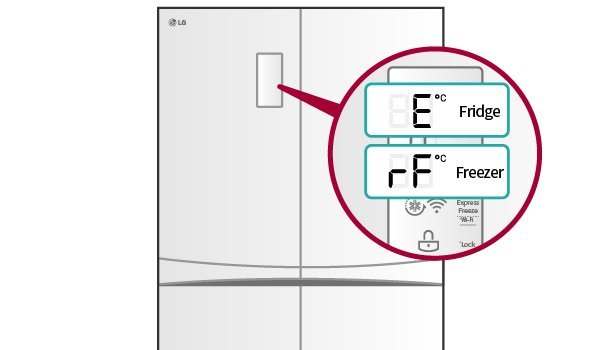
For more persistent errors, verify that the refrigerator isn’t sharing a circuit with other high-draw appliances like a microwave or a space heater. If the refrigerator is plugged into a GFCI outlet, the outlet itself may have tripped or become faulty due to the slight moisture buildup common in kitchen environments. Check that the outlet is providing a steady, full-voltage connection.
A technician confirms whether the part has failed, so you should avoid attempting any internal diagnostics yourself.
If the unit is in a garage or a basement, ensure the ambient temperature stays within the range specified in your owner’s manual. Most residential refrigerators are designed for climate-controlled indoor environments, and extreme cold or heat can cause the internal sensors to report errors because the unit can’t maintain the target temperature. If your unit is operating outside the recommended ambient range, no amount of repair will stop the errors. In these cases, you must move the appliance to a suitable environment or accept that the system will continue to struggle. If the code persists despite a stable power supply and proper room temperature, you have reached the limit of do-it-yourself diagnostics. At this point, the failure is almost certainly internal to the control board or a sealed system component, and you should contact a manufacturer-authorized service center. Don’t trust “generic” repair services that lack the specific diagnostic software for your model, as they may replace expensive parts that aren’t actually the source of the error.
What not to do
- Never attempt to open the rear panel of the refrigerator or touch the control board components, as capacitors can hold a lethal electrical charge even when the unit is unplugged.
- Don’t use a hair dryer or heat gun to melt ice buildup inside the unit, as the high heat can warp the plastic interior liners and destroy the sensitive electronic sensors.
- Avoid using sharp objects like knives or screwdrivers to chip away ice from the evaporator coils, as puncturing the sealed cooling system causes an immediate and permanent loss of refrigerant.
- Never ignore a recurring error code by simply resetting the power, as this can mask a failing component that may eventually cause a fire hazard or total food spoilage.
- Don’t spray water or cleaning agents directly onto the control panel or the exposed electronics, as moisture ingress causes short circuits that are expensive and difficult to repair.
How to stop it happening again
Consistency in maintenance prevents most recurring diagnostic issues. Regular cleaning of the air intake and door seals ensures the system operates within its design parameters.
| If you’re doing this | Do this instead | Why |
|---|---|---|
| Overstocking the freezer | Leave space for air circulation | Prevents fan blockage and icing |
| Using harsh chemical sprays | Clean seals with soap and water | Protects the rubber from cracking |
| Leaving doors open while cooking | Use a separate drink cooler | Reduces load on the compressor |
| Ignoring dust on the back coils | Prevents overheating and sensor errors | |
| Resetting the unit daily | Call a professional technician | Stops damage from failing parts |
Frequently asked questions
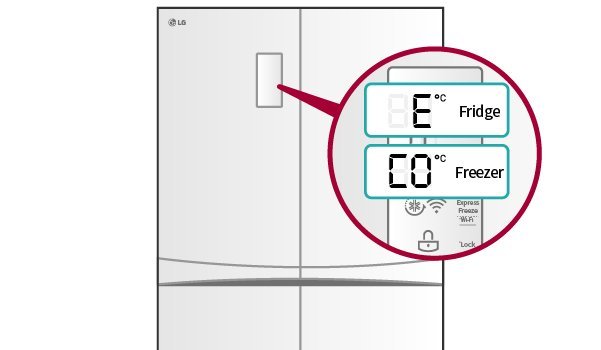
Can I fix an LG refrigerator error code myself?
You can fix many LG refrigerator error codes yourself if the cause is a simple power interruption, dirty door seal, or blocked air vent. These issues often resolve after a power cycle or cleaning. If the code persists, it indicates a hardware failure requiring an authorized service provider.
Why is my LG fridge showing an E-type error code?
An E-type error code indicates a communication failure between the main control board and a specific sensor. These codes appear when the board detects an open or shorted circuit in an appliance subsystem. If a power reset doesn’t clear the code, a sensor or the board has likely failed.
How long should I leave the fridge unplugged to reset it?
Leave the refrigerator unplugged for a few minutes to ensure a complete system reset. This duration allows the main control board to clear temporary data errors or stuck signals in the system’s memory. If the code remains after restoring power, the fault state is likely a hardware issue.
Is it safe to use the fridge if it shows a code?
It isn’t safe to use the refrigerator while displaying an error code if the unit fails to maintain safe food storage temperatures. If the code indicates a cooling failure, your food may warm above 40°F. If temperatures rise, move perishable items to a cooler to prevent spoilage.
What happens if I ignore the error code?
Ignoring an error code often leads to total cooling failure and the loss of all refrigerated food. Many codes signify that a secondary system, like the defrost heater, has failed, causing ice to block airflow. If the fridge struggles against a fault, the compressor may also fail prematurely.
Final Thoughts
If these quick fixes don’t restore your appliance to normal, it’s best to contact a certified technician for a deeper inspection. Don’t wait too long if food starts to spoil, as a pro can handle the complex wiring safely. You’ll have your kitchen running smoothly again before you know it.