
Daikin Air Conditioner troubleshooting begins with a power cycle, filter inspection, and remote control check to resolve cooling issues. If the system is unresponsive, check your electrical panel for a tripped breaker. If the unit remains warm, ensure the remote is set to “Cool” mode.
Common Daikin Air Conditioner Troubleshooting
Most performance issues stem from simple environmental or user-related factors rather than mechanical failure. The primary cause of poor cooling is a restricted airflow path. When dust and debris accumulate on the return air filters, the evaporator coil can’t absorb heat from the room effectively. This forces the compressor to work harder, which can lead to ice buildup on the coils and a complete stop in cooling performance.
Another frequent cause is an incorrect thermostat or remote setting. If the room temperature is already lower than the set point on your remote, the unit will naturally stop the compressor to save energy. This is a normal operation, yet many users interpret it as a malfunction. Additionally, if the outdoor unit is blocked by overgrown bushes, fences, or debris, it can’t release heat into the outside air. The heat exchange process requires clear space around the outdoor condenser to function properly.
Finally, electrical signal errors occur when the communication between the indoor wall unit and the outdoor compressor is interrupted. This can happen during power surges or brownouts. In some cases, the system enters a “protection mode” to prevent damage to the internal motor. This varies by model — check the label on the side of your indoor unit for specific error code indicators or light patterns. If the light on your indoor unit is flashing, it’s trying to communicate a specific status to you. Never attempt to bypass these safety protocols, as they’re designed to prevent permanent damage to the compressor.
Safety: Inside a mains-powered machine, the parts behind the outer cover can hold a dangerous electrical charge even after it has been unplugged — that’s why they sit behind a cover. Opening the housing, or testing or replacing anything behind it, is a job for a qualified technician, never a home repair.
Clean the air filters
Cleaning the filters is for users who notice a drop in airflow or a musty smell coming from the unit. To begin, turn off the system using the remote control and wait for the fan to stop completely. Open the front panel of the indoor unit gently until it clicks into place. You’ll see two mesh filters sitting in front of the coils. Slide them out carefully.
Wash these filters under lukewarm running water to remove dust. If they’re greasy, you can use a mild neutral detergent, but don’t use harsh chemicals or abrasive brushes. Let them air dry completely in a shaded area; placing them in direct sunlight can cause the plastic frames to warp. Once they are 100% dry, slide them back into their original slots and close the front panel.
This fix isn’t for units that have visible mold growth on the internal coils or deep inside the blower wheel. If you see biological growth that doesn’t come off with a simple filter wash, you must call a professional cleaning service. Using a pressure washer or strong chemicals on the coils yourself is a mistake that often leads to bent fins or damaged electronics, which can cost hundreds of dollars to repair. If you’re unsure about the condition of your internal coils, Daikin’s official maintenance guidance provides the manufacturer’s recommended schedule for deep cleaning.
Reset the system settings
Resetting the system is for units that are stuck in a cycle or showing an error code on the remote control. This process clears the temporary memory of the internal controller. First, turn the unit off using the remote. Next, locate the circuit breaker for your air conditioner in your home’s main electrical panel. Flip the switch to the “off” position and leave it there for at least 60 seconds.
If you flip the switch back on too quickly, the system may retain the error code and fail to restart. After the minute has passed, flip the breaker back to the “on” position. Return to the indoor unit and use the remote to select “Cool” mode, setting the temperature to at least 5 degrees lower than the current room temperature.
If the unit starts and blows cold air, the reset was successful. If the unit still shows an error code or refuses to turn on, this indicates a deeper electrical or refrigerant issue. This is a trade-off: a simple reset handles minor software glitches, but it will never fix a physical leak or a broken motor. If the problem returns immediately after the reset, stop trying to cycle the power and call a certified HVAC technician. Repeatedly forcing a unit to start when it has a mechanical fault can cause the compressor to fail permanently.
Check the outdoor unit
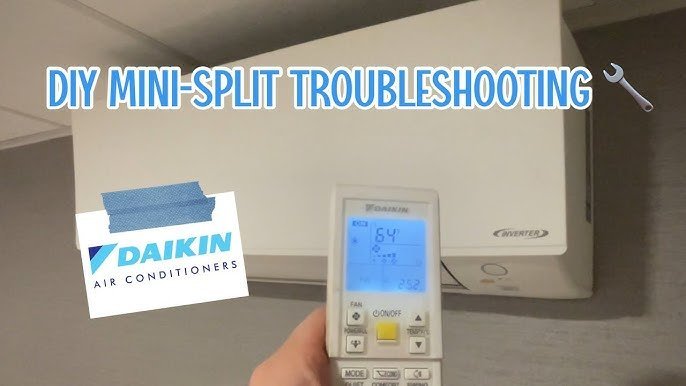
Checking the outdoor unit is for users who have confirmed the indoor unit is powered but still doesn’t cool the house. Go outside and look at the condenser unit. It should be clear of all objects for at least 20 inches in every direction. If you have placed a cover over the unit during the winter, ensure it has been completely removed before you try to start the cooling season.
Inspect the metal fins on the sides of the unit. These are very thin and bend easily. If they’re packed with dirt, grass clippings, or spider webs, use a garden hose on a low-pressure setting to rinse them off. Only spray the water straight into the fins; spraying at an angle will bend the metal and restrict airflow. This is the only safe cleaning method for an owner.
This fix isn’t for units that have heavy internal debris or damaged fan blades. If you hear a loud grinding or rattling noise when the unit runs, turn it off immediately at the breaker. A technician needs to inspect the motor bearings or the fan assembly. Attempting to straighten bent fins with a screwdriver or “comb” tool is a common mistake that often results in destroying the coil’s ability to transfer heat, turning a minor cleaning task into a costly repair bill. If the unit is making a metallic scraping sound, you have reached the limit of what you can safely do.
What not to do
- Never spray water directly into the indoor unit or the outdoor electrical box. This creates a severe shock risk and will short-circuit the sensitive control boards.
- Don’t use a garden hose to blast high-pressure water at the outdoor coils. The force of the water will permanently flatten the delicate aluminum fins, which stops air from passing through and forces the compressor to overheat.
- Avoid using tools like screwdrivers or knives to “pick” ice off the evaporator coils. You can easily puncture the thin copper tubing that holds the refrigerant, which causes an immediate leak and requires a professional to replace the entire coil.
- Don’t ignore a “burning” smell coming from the vents. If you smell smoke or melting plastic, turn the breaker off immediately and call an electrician; this is a sign of a failing electrical connection that could start a fire.
- Never attempt to add refrigerant yourself. Refrigerant is under high pressure and requires specific licensing and specialized equipment to handle; adding it incorrectly is both a legal violation and a safety hazard.
How to stop it happening again
Regular maintenance ensures the unit operates efficiently and lasts for its full expected service life.
| If you’re doing this | Do this instead | Why |
|---|---|---|
| Blocking outdoor vents | Clear 20 inches of space | Allows proper heat release |
| Forcing a restart | Wait 60 seconds after power cut | Protects the circuit board |
| Using high-pressure spray | Use a low-flow garden hose | Prevents fin damage |
Frequently asked questions
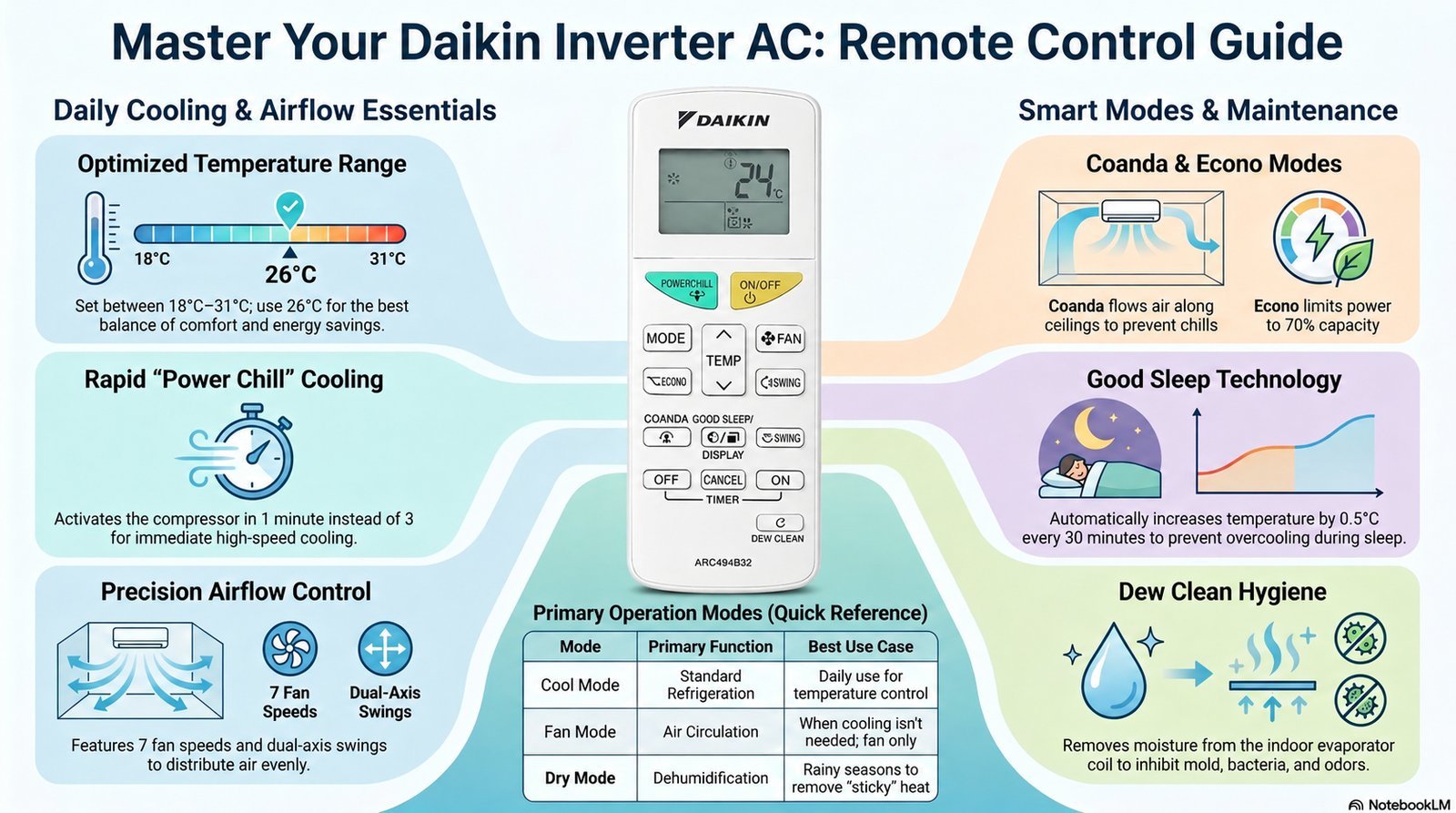
Can I fix a Daikin air conditioner that isn’t cooling?
You can perform basic checks like cleaning filters, resetting the breaker, and clearing debris from the outdoor unit. These steps resolve most airflow and minor communication issues. If cold air doesn’t return quickly, the problem likely involves refrigerant or mechanical failure requiring a licensed technician.
Why is my Daikin air conditioner leaking water inside?
Water leaking inside is usually caused by a clogged condensate drain line. When blocked, water can’t exit and overflows back into your room. You can attempt to clear minor blockages with a wet-dry vacuum, but professional service is required if the leak persists.
How long should a Daikin air conditioner last?
A standard residential air conditioner typically lasts 12 to 15 years with regular maintenance. Units kept clean and free of debris generally reach the higher end of this range. If your unit exceeds 15 years and requires major repairs, replacing the system is often more cost-effective.
Is it safe to run my air conditioner when it’s frozen?
You should never run an air conditioner with ice on the coils. Running a frozen unit puts immense strain on the compressor, potentially causing permanent failure. If ice returns after cleaning the filters, it indicates a refrigerant leak or fan motor problem requiring professional service.
What happens if I use the wrong size breaker for my unit?
Using a breaker not rated for your unit creates a fire hazard or causes frequent power outages. Every unit has a “Maximum Overcurrent Protection” rating on its data plate that must be followed. Never replace a breaker with a higher amperage, as this removes essential safety mechanisms.
Final Thoughts
If these basic fixes don’t get your home feeling comfortable again, it’s time to call a professional technician. Don’t let the problem linger, as a quick inspection can prevent more expensive repairs later. They’ll identify any hidden mechanical issues, so you can get back to enjoying a cool, refreshing space soon.