
Are you trying to decide between living in a condo or an apartment? It’s a choice that can affect your lifestyle, budget, and even your future.
Both options might seem similar, but they come with key differences that can change your daily experience. By understanding these differences, you’ll feel confident in making the right decision for your home. Keep reading to discover what sets condos and apartments apart—and find out which one fits your needs best.
Ownership Structure
Understanding the ownership structure is key when choosing between a condo and an apartment. It affects your rights, responsibilities, and financial commitments. This section explains how ownership works in each type of property.
Condo Ownership Details
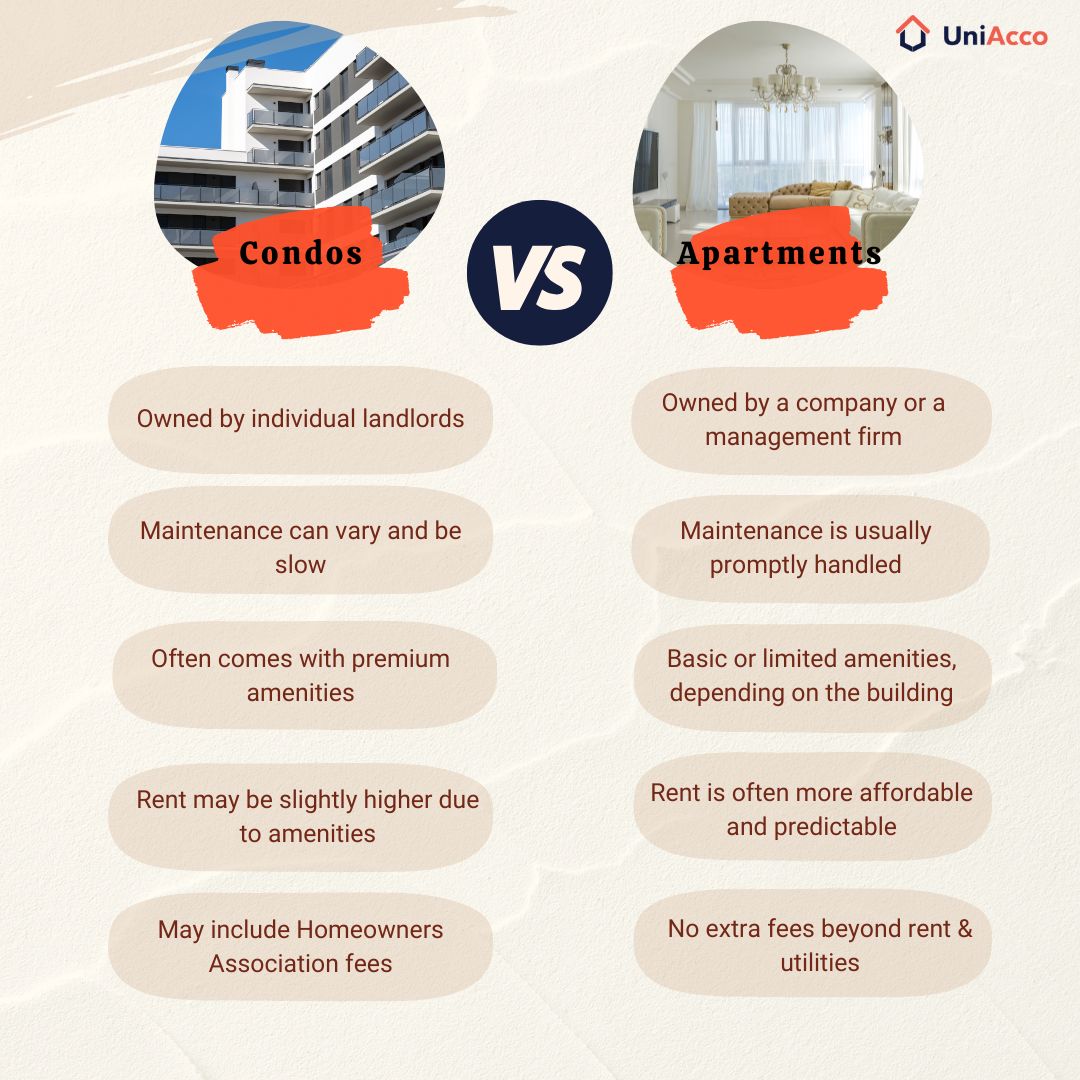
In a condo, you own your unit fully. This means you have a deed and legal title to your space. You can sell or rent it as you wish. Owners share the costs of common areas, like pools and hallways. A condo association manages these shared spaces and collects fees. These fees cover maintenance and repairs. Owners follow rules set by the association. This setup gives more control but also more responsibility.
Apartment Rental Model
Apartments usually follow a rental model. The building is owned by a landlord or company. You pay rent monthly to live in an apartment unit. Renters do not own the property or have a deed. The landlord handles maintenance and repairs. Renters have fewer responsibilities but less control. Lease agreements set the rules for renting. Apartments offer flexibility without long-term ownership costs.

Credit: www.wikihow.life
Cost Comparison
Comparing the costs of condos and apartments helps you make smart housing choices. Both have different fees and expenses. Understanding these costs saves money and avoids surprises.
Upfront And Monthly Expenses
Buying a condo requires a large upfront payment called a down payment. Apartments usually need a security deposit instead, which is smaller. Monthly condo payments include mortgage and property taxes. Apartment renters pay rent monthly. Condo owners may pay more each month due to mortgage and taxes.
Maintenance Fees And Utilities
Condos have monthly maintenance fees. These cover shared spaces like pools and gyms. Apartment renters usually do not pay separate maintenance fees. Utilities may be included in apartment rent. Condo owners pay utilities separately. Maintenance fees in condos can vary widely based on the building.
Rules And Regulations
Rules and regulations shape daily life in condos and apartments. They guide how residents use shared spaces and behave. Understanding these rules helps avoid conflicts and ensures a smooth living experience.
Condo Association Policies
Condo owners follow rules set by the condo association. These policies cover noise limits, pet ownership, and parking. Owners may need approval for renovations or decorations outside their unit. Associations also manage common areas, like pools and gyms. Residents pay fees to maintain these shared spaces. Violating policies can lead to fines or other penalties.
Apartment Lease Agreements
Apartment renters must follow the lease agreement terms. Leases detail rent amount, payment dates, and lease length. Rules about smoking, pets, and guests appear in the lease. Landlords enforce these rules to keep the property safe and clean. Breaking the lease terms can result in eviction or loss of deposit. Renters should read the lease carefully before signing.
Credit: raleighrealty.com
Amenities And Facilities
Amenities and facilities play a big role in choosing between a condo and an apartment. They affect daily life and comfort. Knowing what each offers helps make the right choice.
Common Features In Condos
Condos often have shared spaces owned by all residents. These include swimming pools, gyms, and clubhouses. Many condos offer landscaped gardens and BBQ areas.
Security is usually strong with gated entries and cameras. Some condos provide parking spots or garages for owners. Maintenance staff often take care of repairs and cleaning.
Apartment Amenities Overview
Apartments come with various amenities, but they depend on the building. Pools, fitness centers, and laundry rooms are common. Some apartments include playgrounds or picnic areas.
Security may include key card access or front desk staff. Parking can be open or covered but not always guaranteed. On-site maintenance helps fix problems quickly.
Investment Potential
Investing in real estate means choosing the right property type. Condos and apartments both offer unique investment potential. Understanding these differences helps make smarter decisions. Focus on resale value and rental income to compare them clearly.
Resale Value Of Condos
Condos often have strong resale value. Owners hold individual titles, which adds value. Well-maintained condos in good locations usually increase in price over time. Shared amenities like pools and gyms make condos more attractive. Buyers often prefer condos for their security and features. Resale can be faster, especially in popular areas. Market trends affect resale, but condos tend to keep steady demand.
Rental Income From Apartments
Apartments usually generate steady rental income. Investors rent units to multiple tenants, spreading risk. Apartments in busy cities or near schools have high demand. Property managers handle tenant issues, saving owners time. Rental income can cover mortgage and maintenance costs. Vacancy rates impact income, but good management lowers risks. Apartments offer regular cash flow, appealing to investors seeking monthly returns.
Lifestyle Considerations
Choosing between a condo and an apartment affects daily life. Both offer unique lifestyles. Understanding these differences helps pick the right home. Lifestyle choices include community feel, privacy, and commitment levels.
Community And Privacy
Condos often have a strong community vibe. Owners tend to stay longer and know their neighbors. Shared spaces like pools and gyms create social spots. This makes condos good for people who like meeting others.
Apartments offer more privacy and less social pressure. Tenants might change often. This can mean fewer close connections. Apartments suit those who prefer quiet and less interaction.
Flexibility And Commitment
Condos require a bigger commitment. Buying means a long-term investment and responsibility for maintenance. Owners must follow homeowners’ rules and pay fees.
Apartments provide more flexibility. Renting allows easy moves after a lease ends. This suits people who move for work or want less responsibility.
Location And Availability
Location and availability play a big role in choosing between a condo and an apartment. Where you live affects your daily life. It impacts your commute, access to schools, shops, and entertainment. Availability means how easy it is to find a condo or apartment in your desired area.
Where Condos Are Found
Condos often appear in cities and busy towns. They are common in areas near business centers. Many condos offer views of parks, lakes, or city skylines. These homes attract people who want a mix of comfort and convenience. Condos are often part of planned communities. They may have shared amenities like pools and gyms. Finding a condo can be harder in rural or less developed areas. Developers tend to build condos where land is valuable.
Apartment Locations
Apartments exist in many places, from cities to suburbs. They are common in areas with high population density. Apartments often cluster near public transport stops. This suits renters who prefer easy travel options. Some apartments stand alone; others form large complexes. Apartments tend to be more available than condos. They can be found in both expensive and affordable neighborhoods. This makes apartments a flexible housing choice for many people.
Credit: uniacco.com
Frequently Asked Questions
What Is The Main Difference Between A Condo And An Apartment?
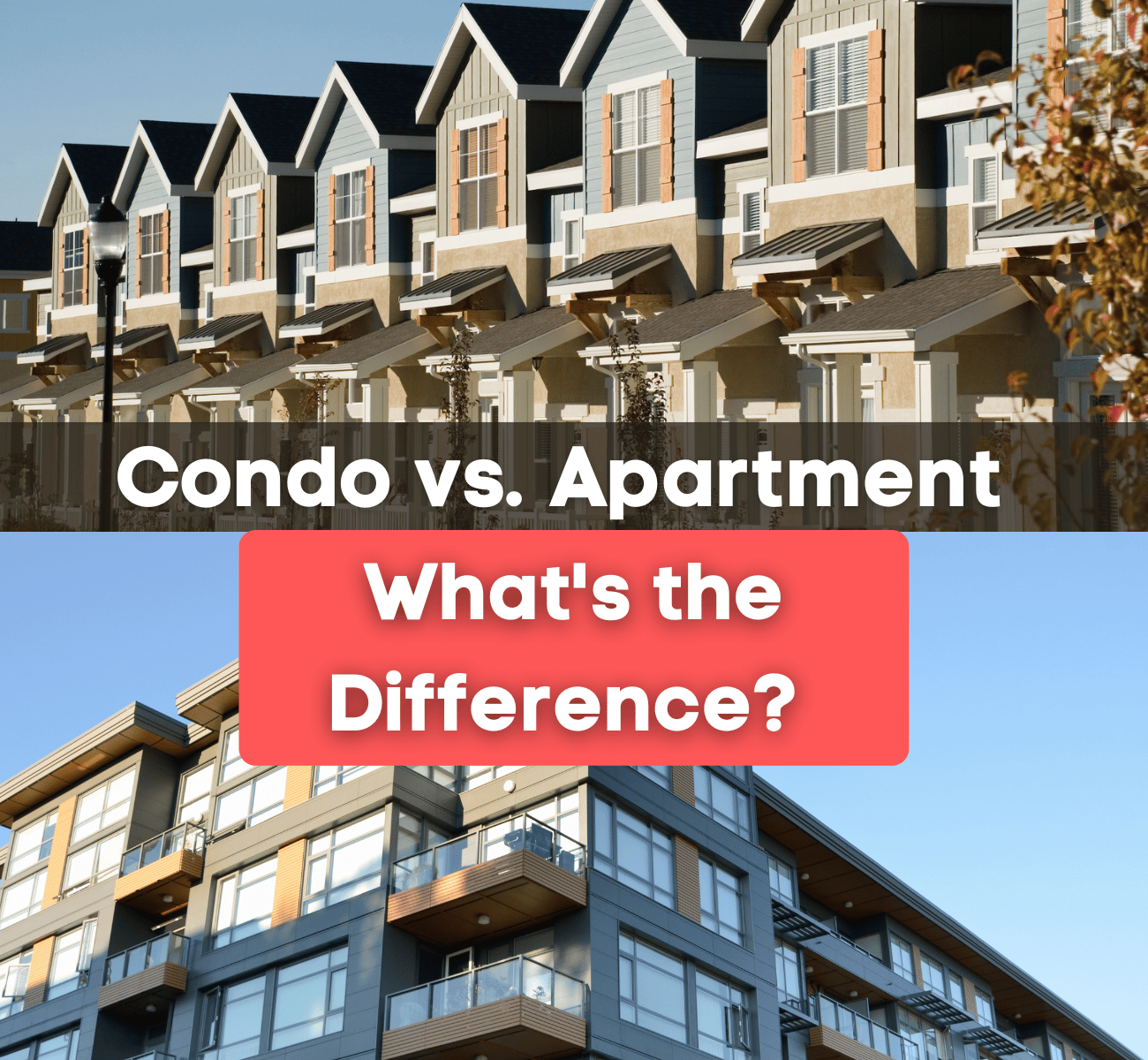
A condo is owned by an individual, while an apartment is usually rented. Condos offer ownership rights, apartments do not.
Can I Customize My Condo But Not My Apartment?
Yes, condo owners can often renovate and decorate freely. Renters in apartments usually need landlord approval for changes.
How Do Fees Differ Between Condos And Apartments?
Condo owners pay monthly fees for maintenance and amenities. Apartment renters pay rent, which may include some utilities.
Which Is Better For Long-term Investment: Condo Or Apartment?
Condos tend to build equity over time as owned property. Apartments do not offer ownership or investment benefits.
Do Condos Offer More Amenities Than Apartments?
Many condos provide shared facilities like pools and gyms. Apartments may offer amenities, but it varies by complex.
Who Handles Repairs In Condos Versus Apartments?
Condo owners handle interior repairs; the condo association manages common areas. Apartment landlords are responsible for most repairs.
Conclusion
Choosing between a condo and an apartment depends on your needs and budget. Condos offer ownership and more control over your space. Apartments provide flexibility with shorter leases and fewer responsibilities. Think about your lifestyle, financial goals, and how long you plan to stay.
Each option has its own benefits and drawbacks. Take time to weigh what matters most to you. The right choice will make your living experience better and more comfortable.