
Are you having trouble getting your Peloton heart rate monitor to work properly? It can be frustrating when your device doesn’t sync or show accurate readings during your workout.
But don’t worry—help is here. In this guide, you’ll find simple, clear solutions to fix common Peloton heart rate monitor problems. By the end, you’ll be back to tracking your performance with confidence. Keep reading to get your heart rate monitor working smoothly again.
Common Heart Rate Monitor Issues
Heart rate monitors are essential for tracking your workout intensity on Peloton. Some common issues can affect your monitor’s performance. Understanding these problems helps you fix them quickly. Here are the most frequent heart rate monitor problems users face.
No Heart Rate Reading
The monitor may fail to show any heart rate data. This usually happens if the sensor is not touching your skin. Check if the strap is snug and moist. Dry or loose straps can stop readings. Battery problems can also cause no data display. Replace batteries if needed and clean the sensor regularly.
Inaccurate Heart Rate Data
Sometimes the monitor shows wrong numbers. Sweat, dirt, or hair under the sensor can cause this. Try cleaning the strap and sensor. Movement during exercise can also affect accuracy. Keep your arm still and steady for better results. Calibration or firmware updates may improve data precision.
Connectivity Problems
Heart rate monitors use Bluetooth to connect to Peloton devices. Connection issues can stop data from syncing. Make sure Bluetooth is enabled on your bike or app. Restart both the monitor and the Peloton device. Keep the devices close together during use. Avoid interference from other wireless gadgets nearby.
Intermittent Signal Loss
The heart rate signal may drop in and out during workouts. Loose straps or low battery levels often cause this. Reposition the monitor and tighten the strap. Replace batteries if you notice frequent signal loss. Firmware updates can also fix bugs causing interruptions.
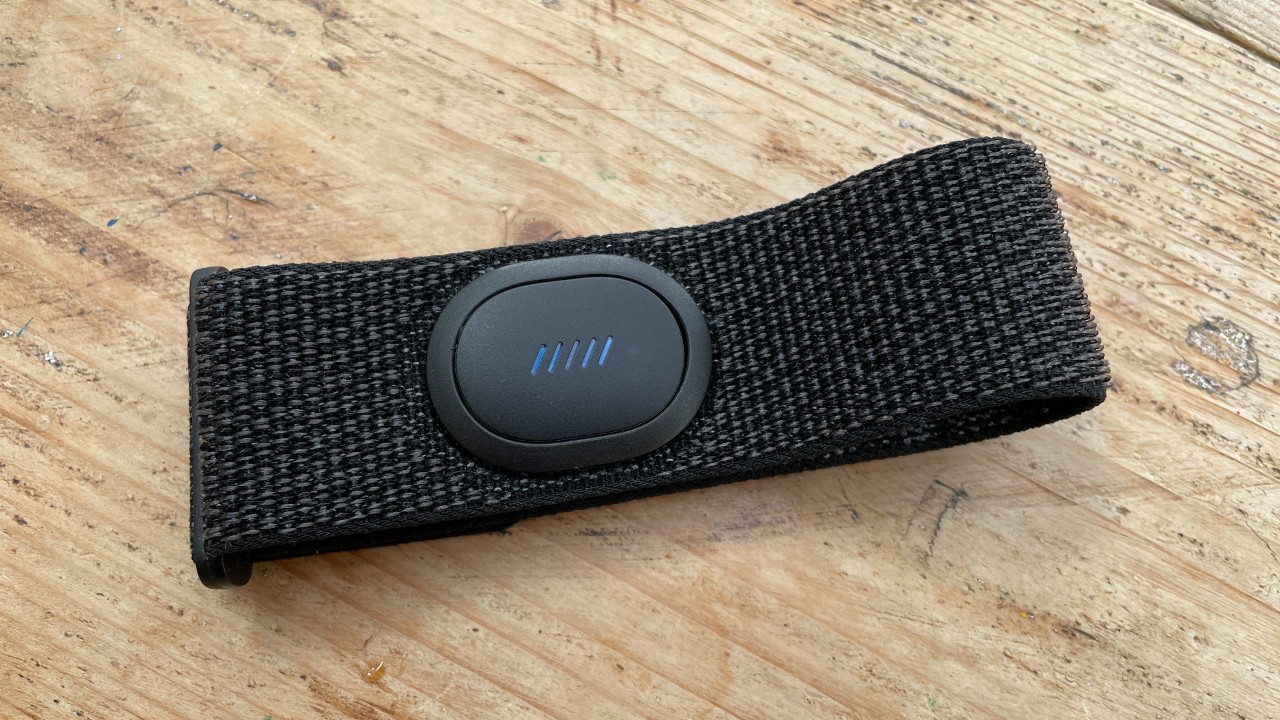
Credit: www.coachweb.com
Quick Fixes For Heart Rate Problems
Heart rate problems on your Peloton can interrupt your workout. Quick fixes can help get your monitor working fast. Try these simple steps before seeking help. They often solve common issues.
Check Device Placement
Correct placement of the heart rate monitor is vital. Wear the device snugly on your chest or wrist. Make sure it sits flat and does not move around. Loose or poor placement causes inaccurate readings. Adjust the strap for a secure fit.
Clean The Sensor
Dirt and sweat can block the sensor. Wipe the sensor area gently with a damp cloth. Avoid harsh chemicals or abrasive materials. Clean the contact points regularly for better signal detection. A clean sensor improves accuracy and performance.
Replace Batteries
Weak batteries cause connection issues and dropped signals. Replace old batteries with fresh ones. Use the recommended battery type for your monitor. Check battery contacts for corrosion and clean if needed. New batteries ensure stable power and better tracking.
Restart Your Peloton Device
Restarting can reset the connection between devices. Turn off your Peloton bike or treadmill. Wait for about 10 seconds, then turn it back on. This simple step often fixes syncing problems. Restart regularly to keep your device running smoothly.
Improving Signal Strength
Improving the signal strength of your Peloton heart rate monitor is key for accurate tracking. A weak signal can cause delays or lost data. Simple steps can help keep your monitor connected and working well during your workout.
Minimize Interference
Other wireless devices can interfere with your heart rate monitor. Turn off or move away from devices like Wi-Fi routers, Bluetooth speakers, or microwaves. This reduces signal noise and helps your monitor connect clearly to your Peloton.
Stay Within Range
Your heart rate monitor has a limited range. Keep it close to the Peloton console or bike screen. Moving too far away causes the signal to weaken or drop. Staying within a few feet ensures a steady connection.
Avoid Obstructions
Objects like walls, furniture, or even your body can block the signal. Keep a clear path between the monitor and the Peloton device. Avoid putting your monitor under thick clothing or behind metal surfaces. Clear signals improve monitor accuracy and reliability.
Credit: support.onepeloton.com
Syncing Your Heart Rate Monitor
Syncing your heart rate monitor with your Peloton bike or app is key for accurate workout tracking. This process connects your device to the monitor so you can see your heart rate in real-time. Proper syncing helps you stay in the right training zone and get the most from your workout.
Different types of heart rate monitors, like chest straps and wrist monitors, have unique pairing steps. Knowing these steps makes syncing smooth and avoids frustration. Below are simple instructions for each type and tips for fixing common pairing issues.
Pairing Steps For Chest Straps
Make sure the chest strap is dampened to improve connection. Wear the strap just below your chest muscles. Turn on your Peloton device or app. Go to the settings menu and find the heart rate monitor option. Select “Add Device” or “Pair New Device.” Your Peloton will scan for nearby heart rate sensors.
Once your chest strap appears on the list, select it. Wait a few seconds for the connection to establish. Your heart rate should now display on the screen. Start pedaling to confirm the monitor updates in real-time.
Pairing Steps For Wrist Monitors
Wear your wrist monitor snugly on your wrist. Make sure the monitor is turned on and in pairing mode. Open the Peloton settings and select heart rate monitors. Tap “Add Device” to begin scanning for new devices. Look for your wrist monitor’s name on the list.
Select your device and wait for the connection. After pairing, check if your heart rate shows correctly during your workout. Move your arm naturally to help maintain a steady signal.
Troubleshooting Pairing Errors
Check battery levels on your heart rate monitor. Low power can cause connection failures. Ensure no other Bluetooth devices are interfering nearby. Restart your Peloton device and heart rate monitor before trying again.
Keep the heart rate monitor close to your Peloton device during pairing. Remove and re-add the device if it does not connect. Clean the sensors on your chest strap or wrist monitor to improve signal quality.
Update your Peloton software regularly to fix bugs affecting syncing. If problems persist, reset the monitor to factory settings and pair again.
Using Peloton App With Heart Rate Monitor
Using the Peloton app with a heart rate monitor helps you get the most from your workouts. The app shows your heart rate in real time. This lets you adjust your effort for better results. It also keeps track of your progress over time. The app works with many popular heart rate monitors. Syncing your device is quick and easy. You can see detailed data during and after your sessions. This makes your training smarter and more focused.
Enable Heart Rate Display
Start by opening the Peloton app on your device. Go to the settings menu and find the heart rate section. Turn on the heart rate display option. Make sure your monitor is paired with the app. This connection allows live heart rate data to appear on screen. During workouts, watch your heart rate to control intensity. If the display does not show up, check the Bluetooth connection. Restart the app or your device if needed.
Track Your Progress
The Peloton app saves your heart rate data after each workout. You can view charts and graphs to see how you improve. These insights help you understand your fitness level. Compare your heart rate trends over days or weeks. Notice patterns in your endurance and strength. Tracking progress keeps you motivated and focused. Set goals based on your heart rate zones for better results.
Customize Heart Rate Zones
Heart rate zones show different exercise intensity levels. The Peloton app lets you set your own zones. Use your age and fitness info to create zones. Zones help you train safely and effectively. Adjust zones to match your fitness goals. The app alerts you when you enter or leave a zone. This feedback guides your workout effort. Custom zones improve your training and recovery.

Credit: www.springcanyon.org
Maintenance Tips For Longevity
Keeping your Peloton heart rate monitor in good shape helps it last longer. Small steps can prevent many common issues. These maintenance tips make sure your device works well every time you use it.
Regular Cleaning Routine
Wipe the monitor with a soft, damp cloth after each use. Avoid harsh chemicals or abrasive materials. Clean the sensor area gently to keep readings accurate. Let it dry completely before storing or wearing it again.
Storage Best Practices
Store the heart rate monitor in a cool, dry place. Avoid leaving it in direct sunlight or humid areas. Keep it away from heavy objects that might damage the strap or sensor. Use the original case or a soft pouch if possible.
Firmware Updates
Check for firmware updates regularly through the Peloton app. Updates often improve performance and fix bugs. Connect the device to your phone or bike to install updates. Keeping software current helps your monitor run smoothly.
When To Contact Support
Knowing when to contact Peloton support can save time and frustration. Some issues need expert help. Others can be fixed easily at home. If your heart rate monitor stops working or acts strange, it might be time to reach out. The following sections explain when to seek help and how to do it.
Identifying Hardware Failures
Hardware problems often cause heart rate monitors to fail. Check for cracks, broken parts, or loose connections. If the device won’t turn on or sync, it may have a hardware issue. Battery problems can also affect performance. Persistent issues after restarting suggest hardware failure. Support can confirm the problem and guide repairs.
Warranty And Replacement Options
Peloton offers warranties for heart rate monitors. These cover defects and hardware failures for a set period. Check your purchase date to see if your device is covered. If it is, you may get a repair or replacement free of charge. Support can explain your warranty details and help start the process. Keep your receipt handy for faster service.
Accessing Peloton Customer Service
Contacting Peloton customer service is simple. Use the Peloton app or website to find support options. Phone, chat, and email services are available. Explain your issue clearly and provide device details. Prepare your account information before contacting them. Support teams respond quickly to help with troubleshooting or repairs.
Frequently Asked Questions
Why Is My Peloton Heart Rate Monitor Not Connecting?
Check the battery and Bluetooth on your device. Make sure the monitor is close to the Peloton bike. Restart both devices if needed.
How Do I Reset My Peloton Heart Rate Monitor?
Turn off the heart rate monitor. Remove the battery for 30 seconds. Reinsert the battery and turn it back on.
What Causes Inaccurate Heart Rate Readings On Peloton?
Poor sensor contact or sweat can cause wrong readings. Make sure the monitor fits snugly and is clean.
Can I Use A Third-party Heart Rate Monitor With Peloton?
Yes, Peloton supports some Bluetooth heart rate monitors. Check if your monitor is compatible before pairing.
How To Fix Peloton Heart Rate Monitor Delay Issues?
Restart the Peloton bike and the monitor. Keep the monitor close to the bike’s console during your workout.
Why Is My Peloton Heart Rate Monitor Losing Connection?
Interference from other devices or low battery may cause this. Keep your monitor charged and away from wireless devices.
Conclusion
Troubleshooting your Peloton heart rate monitor can feel tricky. Small fixes often solve common problems quickly. Check the sensor placement and battery first. Keep the monitor clean and dry for best results. Restarting your device can refresh connections easily. Consistent care helps keep your heart rate data accurate.
Stay patient and try each step calmly. Your workouts will improve with reliable heart rate tracking. Don’t give up—help is available if needed.