
Is your KitchenAid refrigerator acting up, leaving you frustrated and unsure what to do next? When the control board malfunctions, it can disrupt your fridge’s performance and spoil your food.
But don’t worry—you don’t have to be an expert to fix it. In this guide, you’ll discover simple troubleshooting tips that can save you time, money, and stress. Keep reading to learn how to identify common control board problems and get your refrigerator back to working like new.
Your kitchen deserves it!
Credit: circuitboardmedics.com
Common Control Board Issues
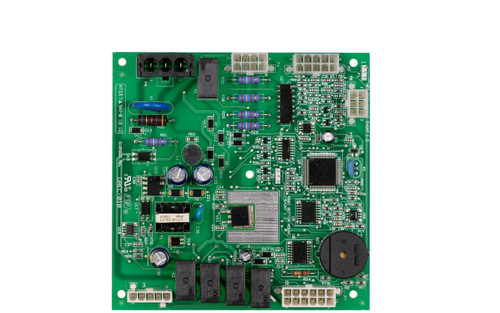
The control board is the brain of your KitchenAid refrigerator. It manages all the key functions. Problems here cause many common fridge issues.
Knowing these common control board issues helps with quick troubleshooting. It saves time and repair costs. Let’s explore the usual problems you might face.
Power Failures
Power failures often start with control board troubles. The fridge may lose power randomly or not turn on at all. This happens when the control board shorts or has damaged circuits. Check the power supply first. A faulty control board can stop power flow inside the fridge.
Temperature Fluctuations
Temperature problems show as freezing or warm spots inside the fridge. The control board controls the compressor and fans. If it sends wrong signals, the fridge won’t keep the right temperature. This causes food to spoil or freeze unexpectedly. A malfunctioning control board may fail to regulate cooling cycles properly.
Display Malfunctions
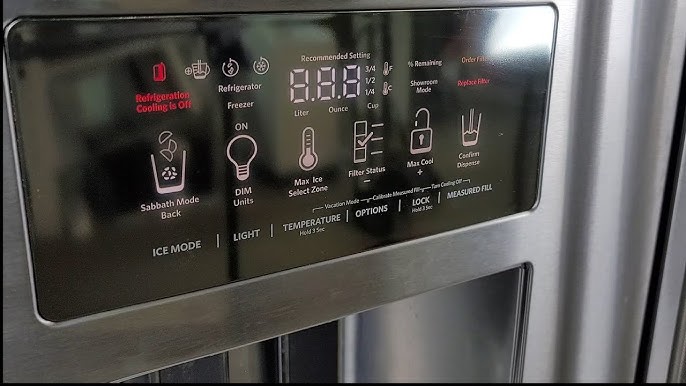
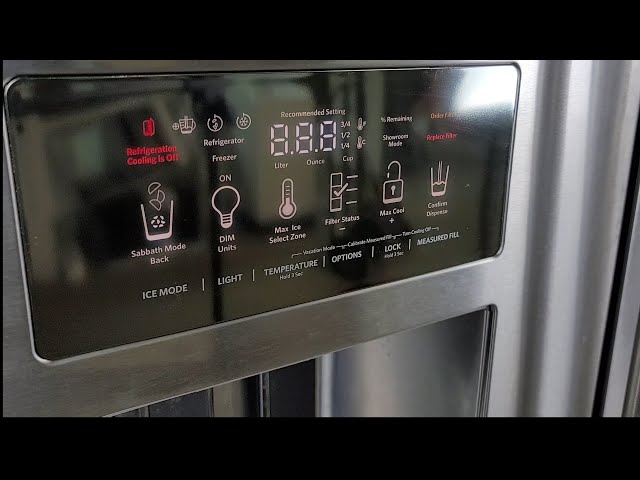
The control board controls the fridge’s display panel. Broken displays, flickering lights, or unresponsive buttons often mean control board failure. This makes setting temperatures or modes hard. A faulty control board might cause wrong error codes or no display at all.
Diagnosing Control Board Problems
Diagnosing problems with your KitchenAid refrigerator control board is key to fixing it right. The control board acts like the brain of the fridge. It controls temperature, defrost cycles, and other functions. If it fails, your fridge may stop working properly.
Start by identifying signs that the control board may be faulty. Common issues include the fridge not cooling, lights flickering, or error codes showing on the display. Testing the control board carefully can save time and money.
Checking Error Codes
Many KitchenAid refrigerators show error codes on the display. These codes help identify specific problems. Check your user manual for the code list. Match the code to the possible control board issue. Write down the code before resetting the fridge. This step guides your next troubleshooting actions.
Testing Voltage And Connections
Turn off power before testing the control board. Use a multimeter to check voltage at the board’s terminals. Compare readings with the manufacturer’s specifications. Loose or corroded wires can cause problems too. Inspect all wire connections and plugs. Tighten or clean connections if needed. Proper power flow is essential for the board to work.
Inspecting For Physical Damage
Look closely at the control board for visible damage. Burn marks, cracks, or broken components show failure. Check for moisture or corrosion on the board’s surface. These signs mean the board may need replacement. Handle the board gently to avoid causing more damage. Physical damage often explains why the fridge malfunctions.
Step-by-step Fixes
Troubleshooting a KitchenAid refrigerator control board can seem tough. Step-by-step fixes help simplify this process. You can solve many problems without calling a technician. Follow clear instructions and take your time. These steps cover common issues and practical solutions.
Resetting The Control Board
Resetting the control board can fix many errors. Start by unplugging the refrigerator from the power outlet. Wait for about five minutes to let the system reset. Plug the fridge back in and check if it works properly. This action clears minor glitches and refreshes the board’s functions.
Replacing Faulty Components
Some problems need parts replacement. First, identify the faulty component, like sensors or wiring. Turn off power before handling any parts. Remove the damaged part carefully and replace it with a new one. Make sure the new component matches your fridge model. This fix restores proper control board function.
Reprogramming Settings
Incorrect settings can cause issues too. Access the control panel and enter the settings menu. Follow your refrigerator’s manual to adjust temperature and other options. Reset to factory defaults if needed. Save changes and monitor the fridge’s performance. Reprogramming often solves problems related to settings errors.
Credit: www.youtube.com
Preventive Maintenance Tips
Preventive maintenance keeps your KitchenAid refrigerator running smoothly. It helps avoid control board issues and costly repairs. Small steps can save time and money. Follow these tips to protect your appliance.
Regular Cleaning
Clean the refrigerator coils every few months. Dust build-up can cause the control board to overheat. Wipe the interior and exterior with a soft cloth. Keep vents and fans free from dirt. This improves airflow and prevents damage.
Avoiding Power Surges
Use a surge protector to guard against power spikes. Sudden voltage changes can harm the control board. Unplug the refrigerator during storms or electrical work. Stable power supply extends the life of electronic parts.
Scheduled Inspections
Check the refrigerator’s performance regularly. Listen for unusual noises or see error codes on the display. Inspect door seals and temperature settings. Call a technician if you notice problems early. Early fixes prevent bigger control board failures.
When To Call A Professional
Knowing when to call a professional for Kitchenaid refrigerator control board troubleshooting saves time and stress. Some issues need expert skills to fix properly. Understanding the limits of DIY repairs helps avoid bigger problems. Below are key signs that mean it’s time to seek professional help.
Complex Repairs
Control board problems often involve delicate parts and wiring. Complex repairs need special tools and knowledge. A professional can diagnose the root cause faster. They ensure the repair is done correctly. Trying complex fixes without experience can cause more damage.
Warranty Considerations
Your refrigerator may still be under warranty. DIY repairs can void this warranty. Professionals follow the manufacturer’s rules to keep it valid. They use approved parts and methods. Calling a technician protects your investment and warranty coverage.
Safety Precautions
Electric components pose serious safety risks. Handling control boards without proper training can lead to shocks or fires. Professionals know how to work safely with electrical parts. They use protective gear and follow safety steps. Safety is the top priority during any repair.
Credit: www.youtube.com
Frequently Asked Questions
What Are Common Signs Of A Faulty Kitchenaid Fridge Control Board?
A faulty control board can cause temperature issues, unresponsive controls, or constant clicking sounds. It may also lead to the fridge not running or lights flickering.
How Do I Reset The Kitchenaid Refrigerator Control Board?
Unplug the fridge for 5 minutes, then plug it back in to reset the control board. This can clear minor errors and restore normal function.
Can I Test The Control Board Without A Technician?
You can use a multimeter to check for voltage and continuity on the control board. Testing requires basic electrical knowledge and safety precautions.
What Causes Kitchenaid Fridge Control Board Failure?
Power surges, moisture, or age-related wear often cause control board failure. Poor ventilation and frequent opening can also affect its performance.
How Long Does It Take To Replace A Kitchenaid Control Board?
Replacing the control board usually takes 30 to 60 minutes with proper tools. Ensure the fridge is unplugged before starting any repair.
Is It Cheaper To Repair Or Replace The Control Board?
Repairing the board can be cheaper but may not last long. Replacing it ensures better reliability but costs more upfront.
Conclusion
Troubleshooting your Kitchenaid refrigerator control board can save time and money. Start with simple checks like power supply and connections. Watch for error codes or unusual sounds. Small fixes often solve common problems. If issues persist, consider professional help. Regular maintenance keeps your fridge running smoothly.
Understanding basic troubleshooting steps helps avoid big repairs. Keep your fridge working well with simple care. Your efforts make a difference in appliance life.