
Finding a frigidaire freezer green light blinking can be an unsettling experience, especially if you have a significant amount of frozen food at risk. This indicator is typically a built-in diagnostic alert designed to notify you of a temperature fluctuation or a power event that has compromised the interior environment of the appliance. Before you assume the worst, it’s helpful to understand that this signal often triggers when the internal temperature rises above a safe threshold—usually around 15 to 20 degrees Fahrenheit—for a sustained period. This can happen due to a simple power outage, a door left slightly ajar, or an overloaded cabinet preventing proper air circulation. In most instances, you can resolve the issue by resetting the control panel or addressing the cooling obstruction, but knowing the specific underlying cause is essential for long-term food safety.
Key Takeaways
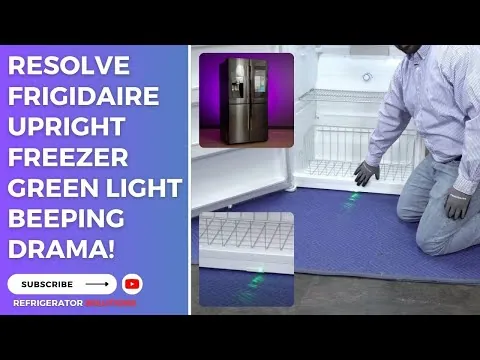
- A blinking green light almost always signals a “high-temperature” alert following a power disruption or door seal failure.
- Check that your door gasket is fully sealed and free of frost buildup to ensure the internal temperature stabilizes.
- Most Frigidaire models allow you to silence or reset the alarm by pressing the “Set” or “Alarm Reset” button on the interface.
- If the light persists after a reset, you may need to inspect the condenser coils for dust or debris.
- Always verify food safety by checking for ice crystals on packages before deciding to discard any items.
Why Is The Light Blinking?
The primary reason for the flashing indicator is an internal temperature spike. When your freezer loses power or the door remains open, the internal air warms up. Once the sensor detects that the temperature has exceeded the factory-set safety limit, it triggers the visual warning.
This alert serves as a safety notification system to protect you from consuming potentially spoiled food. It’s essentially the appliance telling you that the “cold chain” was broken, and you should evaluate the contents of your freezer before assuming everything is still frozen solid.
Common Triggers for Alerts
- Power Outages: Even a momentary flicker in the electrical grid can reset the display and trigger the alarm.
- Door Gasket Issues: If the seal is loose, warm air enters the cabinet, forcing the compressor to work harder.
- Overloading: Stacking too many items near the air vents blocks circulation and prevents the freezer from maintaining a consistent temperature.
- Thermostat Glitches: Sometimes the control board itself experiences a minor software error that requires a manual reset.
Troubleshooting a Blinking Frigidaire Freezer Light
To address the issue, start with the simplest solution: resetting the display. On many Frigidaire models, you can stop the blinking by pressing and holding the “Alarm Reset” or “Set” button for three to five seconds. If the light stops blinking and remains solid green, the system has acknowledged that the temperature is back within the safe range.
If the light starts flashing again shortly after, the problem is likely mechanical or environmental rather than just a notification of a past event. You should then check the freezer temperature setting to ensure it’s dialed to the recommended level.
| Action Item | Why It Matters | Expected Result |
|---|---|---|
| Press Alarm Reset | Clears the warning code | Light becomes solid |
| Clean Condenser Coils | Improves heat dissipation | Faster cooling recovery |
| Inspect Door Seals | Prevents warm air entry | Consistent temperature |
| Check Power Cord | Ensures steady voltage | No random resets |
How to Check Freezer Performance
If the blinking persists, you need to verify that the freezer is actually cooling. Place a thermometer in the center of the freezer and leave it for at least four hours. According to the United States Department of Agriculture guidelines, a freezer should maintain a temperature of 0 degrees Fahrenheit or lower to keep food at its highest quality.
If your reading is significantly higher, your compressor or evaporator fan may be failing. A malfunctioning cooling system is a more serious issue that often requires professional intervention or a replacement part, such as a start relay or a new temperature sensor.
Is Your Door Sealing Properly?
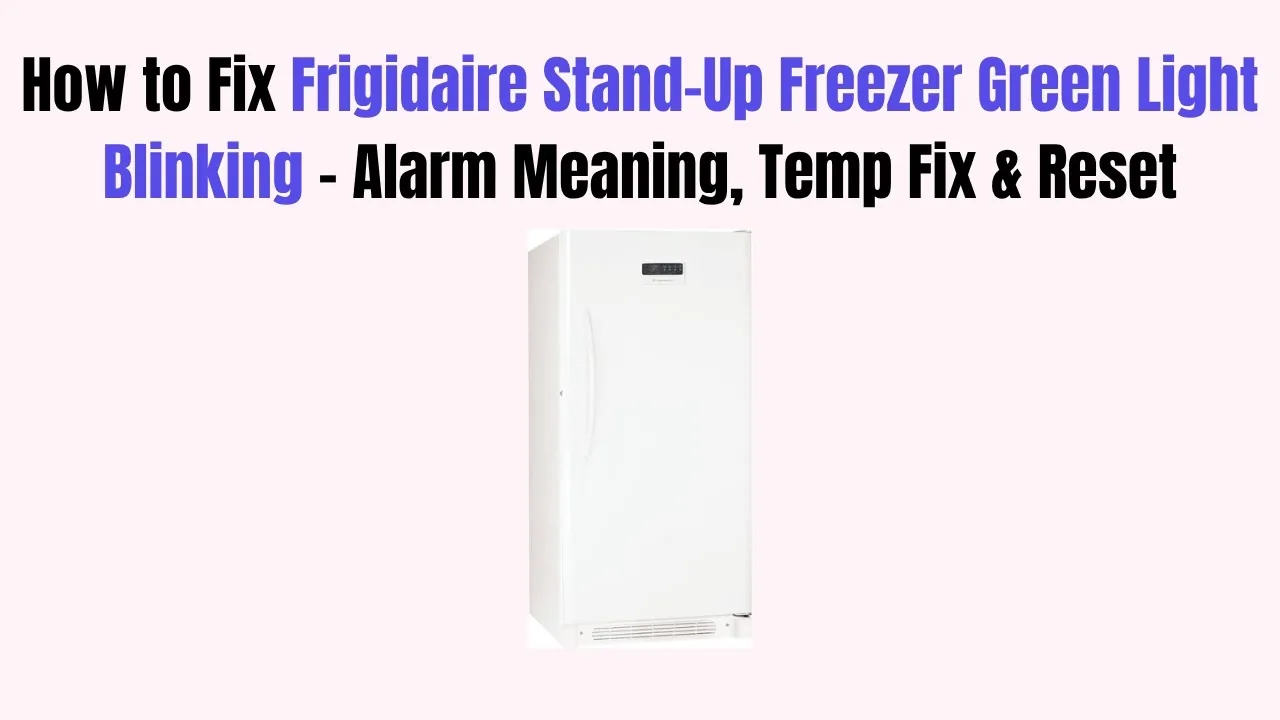
A compromised door seal is a frequent culprit for persistent temperature alerts. Over time, the rubber gasket can become brittle, cracked, or misaligned, allowing warm, humid air to seep into the freezer. This warm air introduces moisture, which quickly turns into frost on the back wall of the unit. This frost buildup can eventually block the airflow to the temperature control sensor, causing the freezer to report inaccurate data to the control board.
Steps to Inspect Gaskets
- Inspect the entire perimeter of the door for visible gaps or tears.
- Perform the “dollar bill test”: close the door on a dollar bill; if it pulls out with no resistance, the seal is weak.
- Clean the gasket with warm, soapy water to remove food debris that prevents a tight suction.
- Apply a thin layer of petroleum jelly to keep the rubber pliable and ensure a better seal.
Cleaning the Condenser Coils
The condenser coils are responsible for releasing the heat extracted from the inside of your freezer. If these coils are covered in dust, pet hair, or lint, the freezer can’t expel heat efficiently. This causes the compressor to run longer and hotter, which can lead to the very temperature fluctuations that trigger the blinking light.
Cleaning these coils is a routine maintenance task that should be performed at least once or twice a year to keep your appliance running at its peak efficiency.
| Maintenance Task | Frequency | Tools Required |
|---|---|---|
| Vacuum Coils | Every 6 months | Vacuum with brush attachment |
| Wipe Door Gasket | Every 3 months | Mild soap and a damp cloth |
| Defrosting | As needed | Plastic scraper, never metal |
| Leveling Unit | Annually | Carpenter’s level and wrench |
What Does The Alarm Mean?
The alarm isn’t just an annoyance; it’s a critical diagnostic tool. When you see the light blinking, it’s often accompanied by an audible beep. This sound is designed to grab your attention so you can act before food begins to thaw. If you hear the beep and see the blink, first confirm that the freezer door is latched tightly.
If the door is closed, check to see if the control panel display is showing an error code, such as “E” followed by a number. These codes are invaluable when contacting customer support or ordering replacement parts, as they point directly to the failing component.
When to Call a Technician
While many issues can be resolved at home, some signs indicate a mechanical failure. If you have cleaned the coils, verified the seal, and reset the alarm, yet the freezer still fails to maintain a temperature of 0 degrees Fahrenheit, you likely have a deeper issue.
A failing compressor, a faulty evaporator fan motor, or a defective control board are all scenarios where professional repair is necessary. Attempting to open the sealed cooling system can be dangerous and isn’t recommended for those without specific training in appliance repair safety.
- Compressor Failure: The freezer makes a loud clicking noise but never cools down.
- Fan Motor Issues: You don’t hear the internal fan running when the door is opened.
- Control Board Defects: The lights on the display flicker randomly or don’t respond to button presses.
- Refrigerant Leaks: The unit runs constantly but never reaches the target temperature, often accompanied by oil stains on the back.
Is It Time For A Reset?
Warning: Never use a sharp object like a knife or screwdriver to chip away ice from the interior walls, as this can easily puncture the refrigerant lines and cause permanent damage to your appliance.
Pro Tip: If you suspect a power surge caused the blinking, unplug the freezer for 60 seconds before plugging it back in to force a complete power cycle of the control board.
How to Prevent Future Alerts
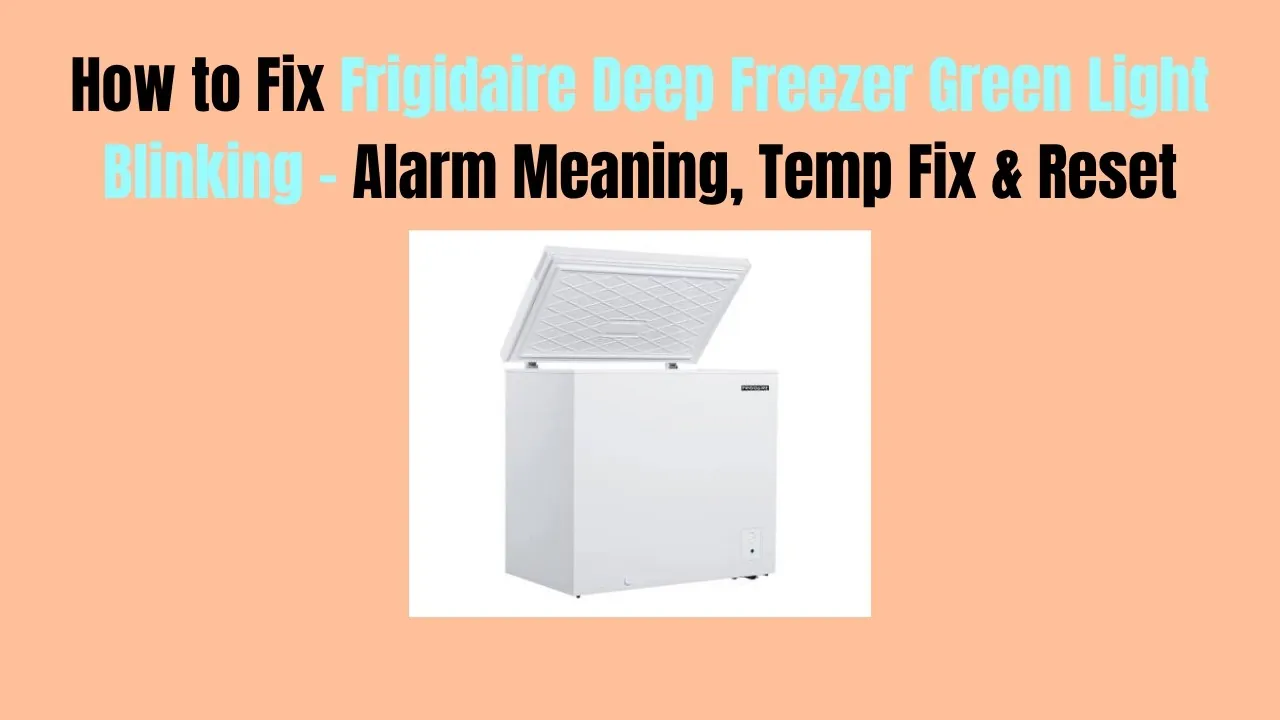
Prevention is the best strategy for maintaining a reliable freezer. Keep your unit in a climate-controlled area if possible, as extreme ambient heat makes it much harder for the freezer to maintain its internal temperature. Ensure there’s at least one inch of clearance on all sides of the freezer to allow for proper airflow.
Finally, if you live in an area prone to frequent power flickers, consider installing a high-quality surge protector. This simple addition can save your sensitive electronics from damage and keep your freezer running smoothly for years to come.
Related guides
- Pool Light Not Working Troubleshooting: Fixes and Solutions in 2026
- Frigidaire Fffh20f2qwc Troubleshooting: Fix Your Freezer Issues in 2026
Frequently Asked Questions
Will my food spoil while the light is blinking?
Not necessarily. The light indicates that the temperature has risen above the safe threshold, but it doesn’t mean your food has thawed. If the freezer was only slightly above the safety limit for a short time, the food is likely still safe. Check for ice crystals on packaging; if they’re still present, the food remains frozen. Discard any items that have become completely soft or have an off smell.
How do I silence the alarm on my Frigidaire?
To silence the audible alarm, locate the button labeled “Alarm Reset” or “Set” on your control panel. Press and hold this button for three to five seconds. The alarm should stop beeping, and the blinking light may transition to a solid state if the internal temperature has recovered. If the light continues to blink, the freezer is still detecting a temperature that’s too high.
Can a power outage cause the blinking light?
Yes, a power outage is one of the most common causes of a blinking green light. When the power cuts out, the freezer warms up. Once power is restored, the control board detects that the temperature is above the safe limit and triggers the visual and audible alarm to notify you of the event. This is a standard safety feature designed to protect your food from spoilage.
How often should I clean the condenser coils?
You should aim to clean the condenser coils at least once every six months. If you have pets that shed or if the freezer is located in a high-traffic area, you may need to clean them every three to four months. Dust and debris buildup on the coils forces the compressor to work harder, which can lead to temperature fluctuations and the dreaded blinking green light.
Is the blinking light a sign of a broken compressor?
It can be, but it isn’t the only possibility. While a failing compressor will certainly cause a temperature rise and trigger the light, it’s more often caused by simpler issues like a bad door seal, dirty coils, or an overloaded cabinet. Always troubleshoot the simpler, more common causes—like the door seal and coil cleanliness—before assuming that the compressor itself has failed.
Conclusion
If the light continues to flash after you have performed these troubleshooting steps and verified that the freezer is reaching the correct temperature, you may need to consult your owner’s manual for specific error codes or contact a qualified appliance technician to inspect the internal temperature sensor. Keeping your freezer well-maintained will protect your food and ensure your appliance continues to operate reliably for years.