
Frigidaire Fffh20f2qwc troubleshooting involves checking the power supply, door seal, and temperature dial before calling for professional help. If your freezer isn’t freezing, confirm the unit is plugged in and the circuit breaker is active. Most failures occur because the door isn’t closing tightly or the thermostat is set too warm. If these steps fail, a mechanical fault likely requires an authorized technician.
Why this happens
The primary reason for temperature fluctuations in this model is poor airflow caused by overpacking or ice accumulation. When you fill the chest freezer to the brim, the air can’t circulate around the food items, leading to warm spots. This creates a cycle where the compressor runs constantly to compensate, which further increases frost production on the walls.
Another common cause is a damaged door gasket. If the rubber seal is cracked or dirty, warm, moist air enters the freezer. This moisture turns into ice as soon as it hits the freezing coils. This frost acts as an insulator, preventing the cooling system from pulling heat out of the cabinet. You can check the seal by closing the lid on a piece of paper; if you can pull the paper out with almost no resistance, the seal is likely failing.
Finally, the thermostat setting can be the culprit. If the dial has been accidentally bumped to a warmer position, the compressor won’t cycle on often enough to maintain a safe temperature. According to the Cold Food Storage Charts from FoodSafety.gov, your freezer should maintain a temperature of zero degrees Fahrenheit or lower to keep food safe and high-quality. If the dial is at a mid-range setting and the temperature remains above this, the thermostat itself may be faulty. This varies by model — check the label inside your unit for the recommended dial position.
Safety: Inside a mains-powered machine, the parts behind the outer cover can hold a dangerous electrical charge even after it has been unplugged — that’s why they sit behind a cover. Opening the housing, or testing or replacing anything behind it, is a job for a qualified technician, never a home repair.
Frigidaire Fffh20f2qwc Troubleshooting: Power and Thermostat
This fix is for anyone experiencing a completely dead freezer or one that runs but never gets cold. If your freezer shows no lights and makes no sound, check the wall outlet first. Plug a lamp into the same outlet to verify it works. If the lamp doesn’t turn on, reset your home circuit breaker. If the outlet works, inspect the freezer’s power cord for any signs of fraying or heat damage.
If the unit has power but stays warm, look at the thermostat dial. It’s usually located on the front or side of the unit. Turn the dial to the coldest setting and wait twenty-four hours to see if the temperature drops. If the compressor kicks on but the temperature doesn’t reach the zero-degree mark after a full day, the cooling system likely has a refrigerant leak or a failed compressor. Don’t attempt to add refrigerant yourself. This is a task that requires a certified technician with specialized equipment and a license to handle refrigerants under federal law. If you feel the compressor getting very hot to the touch or hear a loud clicking sound, unplug the unit immediately to prevent further damage and call a licensed repair service.
Inspect the door and seals
This fix is for freezers that have excessive frost buildup or a lid that feels loose when closed. A tight seal is the most important factor in maintaining efficiency. Start by cleaning the entire perimeter of the gasket with warm water and mild soap. Food debris or sticky spills can prevent the rubber from making a full connection with the metal frame.
If the gasket looks flattened, you can try to restore its shape by warming it slightly with a hair dryer on a low setting. This makes the rubber more pliable. If the gasket is torn or cracked, it must be replaced. This is a simple task, but it requires ordering the exact part number listed in your owner’s manual. A mistake people often make is trying to use a generic seal from a hardware store; this rarely fits the specific dimensions of the Fffh20f2qwc and will cost you more in wasted food due to air leaks. If you replace the seal and the lid still doesn’t stay shut, check the hinges. If the hinges are bent or misaligned, the lid will never seal correctly. If you can’t align the lid by tightening the hinge screws, you’ll need a service professional to adjust the frame.
Clear the interior for airflow
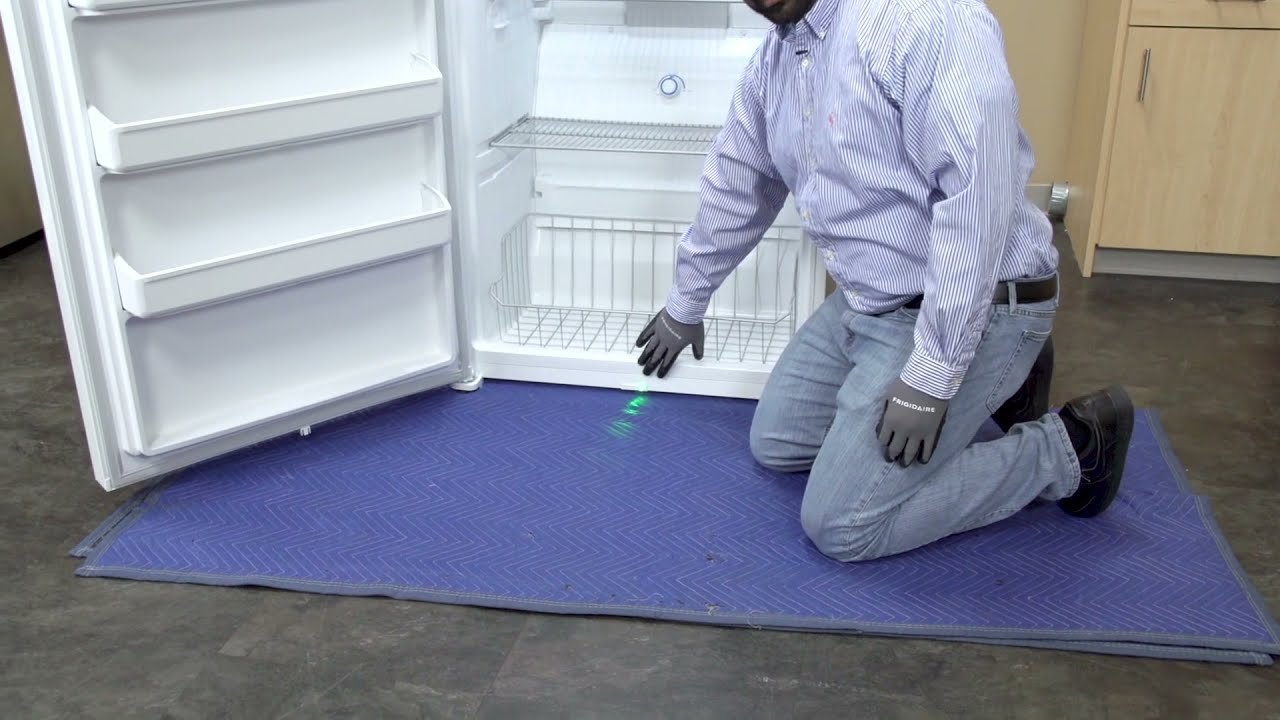
This fix is for users who have a freezer that runs constantly but fails to freeze solid items. This is often a result of overcrowding. If you have blocked the internal vents or if the air can’t move between packages, the freezer can’t do its job. Remove all items from the freezer and check for thick ice patches on the walls. If you see significant ice, you must manually defrost the unit.
To defrost, turn the unit off and remove all food. Place towels around the base to catch the melting water. Leave the lid open and let the ice melt naturally. Never use a knife or sharp tool to chip away the ice. This is a major mistake; puncturing the interior liner or the cooling tubes will destroy the freezer beyond repair. Once the frost is gone, wipe the interior dry and restart the unit. This is for users who have the time to manage the meltwater; if you can’t monitor the unit during this process, don’t start it. If you find the freezer builds up thick ice again within a few days of a full defrost, it’s a sign of a failing door seal or a malfunction in the automatic defrost system, and you should call a professional.
What not to do
- Don’t use a hairdryer or heat gun to melt the ice quickly, as the extreme heat can melt the plastic interior liner and ruin the structural seal of the unit.
- Don’t leave the lid open for hours while you decide what to do with the food, as this will cause the temperature to rise and potentially spoil the contents.
- Don’t store the freezer in a garage that isn’t climate-controlled, because extreme outside heat or cold will prevent the thermostat from operating within its designed parameters.
- Don’t attempt to repair the compressor or the sealed cooling system if you lack specific training, as this can lead to fire hazards or the release of pressurized refrigerants.
How to stop it happening again
To ensure your freezer lasts, keep the area around the unit clean and maintain a consistent load.
| If you’re doing this | Do this instead | Why |
|---|---|---|
| Storing food against the walls | Leave one inch of space | Allows cold air to circulate |
| Opening the lid constantly | Keep a list on the door | Reduces warm air entry |
| Ignoring the dust on the back | Vacuum the coils yearly | Improves heat release |
| Overloading the freezer | Keep it three-quarters full | Balances airflow and capacity |
Frequently asked questions
Can I fix a coolant leak myself?
No, you can’t fix a coolant leak yourself because it requires specialized tools to capture the gas and seal the system. Refrigerants are strictly regulated, and any attempt to handle them without a professional license is illegal and dangerous. You must call a certified technician to perform this type of repair.
Why does my freezer make a loud clicking sound?
The clicking sound often indicates that the compressor is trying to start but is failing due to a starter relay issue or a mechanical lock-up. If you hear this, turn the freezer off immediately to prevent the motor from burning out. This is a technical failure that requires a professional to diagnose and replace the faulty part.
How long should the compressor run?
If you notice it running for hours without stopping, it’s likely struggling to overcome a door seal leak or a heavy frost buildup.
Is it safe to eat food that thawed?
It isn’t safe to eat food that has been thawed for more than two hours if the temperature has risen above forty degrees Fahrenheit. You should check each item for ice crystals; if the food still contains ice crystals, it’s safe to refreeze, but the quality may be lower.
What happens if the power goes out?
If the power goes out, keep the lid closed at all times to trap the cold air inside. A full freezer will typically hold its temperature for forty-eight hours, while a half-full freezer will only last about twenty-four hours. Don’t open the lid to check on the food, as this releases the cold air and speeds up the thawing process.
Final Thoughts
If your appliance still isn’t working properly, don’t hesitate to reach out to a certified repair service. They’ll have the right tools to diagnose internal component failures quickly. It’s always better to get expert eyes on the problem before your food spoils, so you won’t have to worry about further damage.