
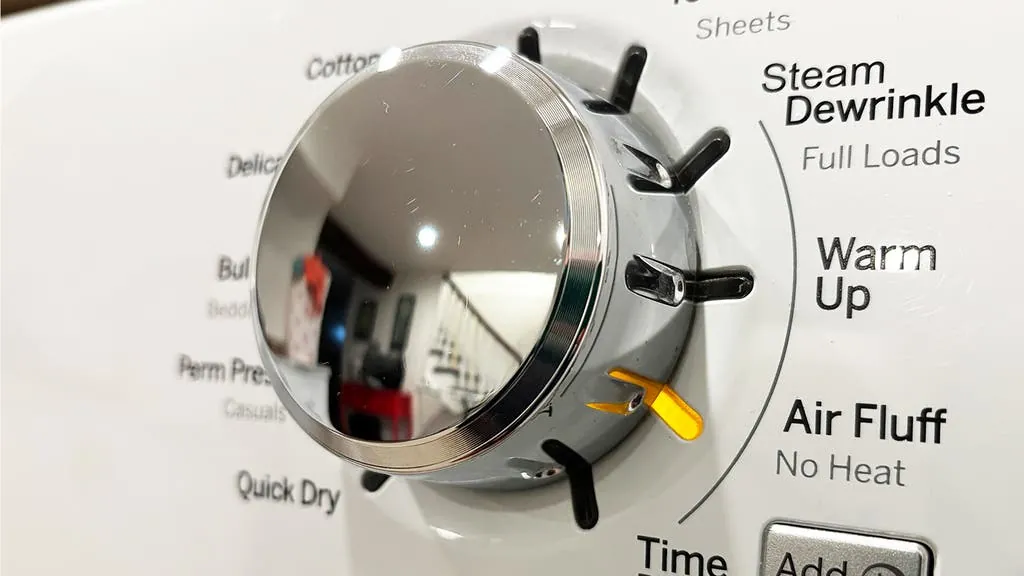
The best way to use dryer air fluff is to select the setting with no heat for a cycle of 15 to 30 minutes to remove dust or refresh bulky items. This cycle relies on room-temperature air and the drum’s rotation to shake out loose debris without damaging heat-sensitive fabrics. This guide covers how to set the cycle correctly, which items to avoid, and how to tell if your machine is working as intended.
How the dryer fluff cycle works
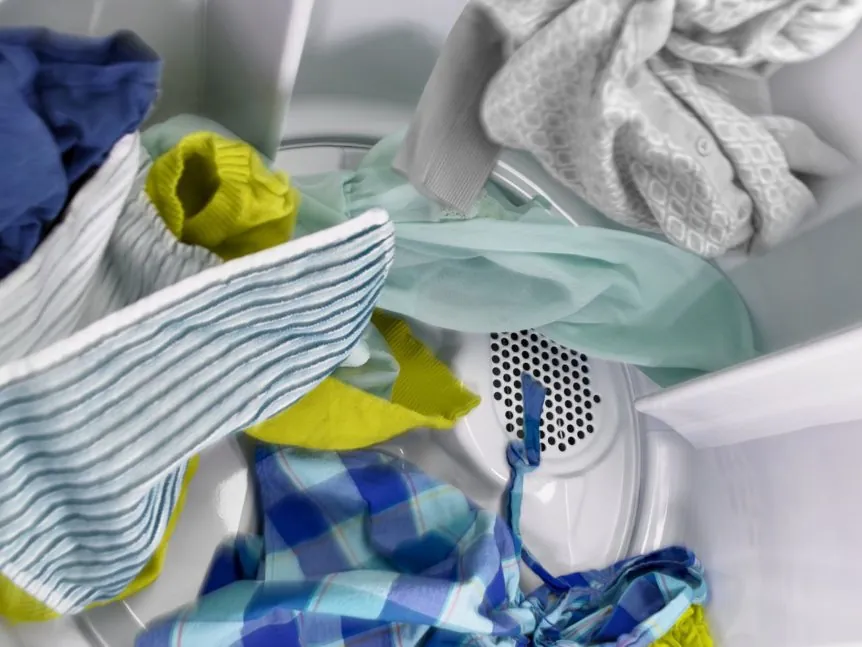
The air fluff setting is a specialized cycle found on most clothes dryers that operates without activating the heating element. Instead of using high temperatures to evaporate moisture, it circulates ambient air through the drum to tumble your laundry. It’s primarily used to freshen up items that are already dry or to remove pet hair, lint, and dust from fabrics that can’t handle heat.
People often mistake this cycle for a drying method, but it’s meant for maintenance rather than removing significant moisture. If you add wet clothes to this cycle, they will stay wet because there’s no heat to turn the water into vapor.
The mechanism is simple: the blower motor runs to move air, and the drum spins to provide movement, while the heater remains off. You can check your dryer’s manual to confirm the specific duration and behavior of this cycle for your model, as it varies by manufacturer.
How to use the cycle
- Ensure your load is already dry, as this setting isn’t designed to remove water from wet garments.
- Place the items inside the drum, making sure not to exceed the manufacturer’s recommended capacity for the dryer.
- Select the “Air Fluff” or “Air Dry” setting on your control panel.
- Set the timer for 15 to 30 minutes, depending on the size of the load and the amount of dust you want to remove.
- Close the door firmly and press the start button to begin the cycle.
- Clean your lint filter immediately after the cycle ends, as this process pulls significantly more loose fibers than a standard dry cycle.
The key judgement call is the load size; if you pack the drum too full, the clothes can’t tumble freely, which prevents the air from carrying away the dust you want to remove. For the best results, keep the drum no more than half full so every item has space to move.
Key settings and cycle variations
Every dryer brand may label this setting differently, but the basic function remains consistent across most modern machines. Use the table below to determine the best approach for common items.
| Situation | What to use | How long | What to watch for |
|---|---|---|---|
| Dusting pillows | Air fluff | 20 minutes | Ensure seams are intact |
| Removing pet hair | Air fluff | 30 minutes | Clean lint trap mid-cycle |
| Refreshing dry coats | Air fluff | 15 minutes | Check for heavy metal buttons |
| Fluffing down jackets | Air fluff | 20 minutes | Use dryer balls if available |
| Fragile synthetic fabrics | Air fluff | 10 minutes | Monitor for static buildup |
If you’re dealing with heavy pet hair, stop the cycle at the 15-minute mark to clear the trap. A clogged filter forces the machine to recirculate hair back onto the fabric.
Use the “Air Fluff” setting only for items that are already dry. If you use it on damp clothes, you’ll simply extend your total drying time by an hour without removing any moisture.
If your coat has metal buttons or heavy zippers, place it inside a mesh laundry bag first. This prevents the hardware from clanging against the drum, which can chip the enamel finish of your dryer.
If you lack dryer balls, toss in two clean tennis balls. They provide the necessary physical agitation to break up clumps in down feathers, ensuring the jacket regains its loft.
Achieving professional results
Experienced users know that preparation is the secret to success with this cycle. Before starting, shake out bulky items like blankets or rugs by hand to dislodge large debris. This prevents the lint trap from clogging too quickly and ensures the airflow remains strong throughout the entire 20-minute period. If you notice the drum isn’t spinning properly or the air feels warm, stop the machine immediately and contact a qualified technician.
Another trick is to use wool dryer balls to help lift the fabric and improve airflow. This is especially useful for down-filled items that have been stored for a long time. Beginners often forget to check the lint screen before and after the cycle, which can cause the machine to overheat or perform poorly. Always inspect the trap before you start so you have a clean slate for the air to pass through freely.
Troubleshooting common issues
If the cycle doesn’t seem to remove the dust or hair you expected, check these common points to find the fix.
| What you notice | What it usually means | What to do first |
|---|---|---|
| Clothes remain dusty | Overloaded drum | Remove half the items |
| Air feels warm | Heater not disabling | Unplug and call service |
| Loud banging sounds | Heavy hardware/buttons | Use a mesh laundry bag |
| Static electricity | Low room humidity | Add a damp cloth |
Most users mistake a full drum for a functional one. If your items can’t tumble freely, they trap debris rather than shedding it. Aim to fill the drum only halfway to ensure proper airflow.
If you hear rhythmic thumping, stop the machine immediately. A single loose belt buckle or heavy zipper can damage the drum seal over time. If you can’t remove the metal item, a mesh bag is your only safeguard.
Static issues often signal that your home’s air is too dry. If you see lint clinging to fabrics after the cycle, add a clean, damp washcloth to the load for the final ten minutes. This simple moisture release prevents the charge from building up.
Regulations and safety standards
The use of any dryer setting must comply with the manufacturer’s specified safety guidelines to prevent fire hazards. You should never place items that have been in contact with flammable liquids, such as cooking oils or gasoline, into the dryer regardless of the setting used. Even a single wash cycle often fails to remove these oil residues, which can spontaneously combust under high heat.
The National Fire Protection Association warns that dryers are a major source of home fires when lint accumulates in the vent or the trap. If your drying time increases by more than 15 minutes for a standard load, your vent is likely obstructed. Don’t attempt to bypass the machine’s safety features or force a restart. Instead, disconnect the power and contact a professional cleaning service.
If you notice a burning smell or excessive heat on the dryer’s exterior casing, stop usage immediately. These symptoms indicate a critical airflow blockage that requires an expert to clear the entire exhaust line.
Maintenance for longevity
Once you finish using the air fluff setting, leave the dryer door slightly ajar for at least an hour. This allows any residual humidity inside the drum to escape, which prevents mold and mildew from growing.
If you live in a climate with humidity levels consistently above 60 percent, keep the door open permanently between loads.
You should wipe down the inside of the drum with a soft, dry cloth periodically based on usage and your owner’s manual to remove any residue that could stain your clothes. If you notice a musty smell, it’s a sign that the drum needs a deep cleaning or that your external venting system requires professional inspection to ensure proper airflow.
Failing to clear lint buildup behind the drum costs you roughly 20 percent in drying efficiency. If your clothes remain damp after a standard cycle, verify the vent path is clear before you call a technician for repairs.
When to avoid this method
Don’t use this cycle for items with rubber or plastic backings, such as bath mats, as the tumbling action can cause these materials to crumble or melt. If you see a crinkled, rubberized underside, treat it as a permanent air-dry item.
Avoid using it for items with heavy metal hardware like buckles or large zippers. These components can chip the drum’s enamel finish or snag other garments during the cycle. If a piece of clothing has decorative metal that feels sharp or heavy enough to clink against a glass surface, it belongs on a drying rack.
If you have delicate lace or sheer fabrics, skip the dryer entirely. These items are too fragile for the mechanical stress of a spinning drum. A simple rule applies: if the fabric is thin enough to see light through, the heat and friction will accelerate fiber breakdown. You’ll eventually notice thinning or small holes if you ignore this precaution.
Related guides
Frequently asked questions
Can I use air fluff for wet clothes?
No, you shouldn’t use this setting for wet clothes because it doesn’t generate heat to evaporate water. It’s designed only for dry items that need to be freshened or de-dusted. If you put wet clothes in, they will remain damp even after a long cycle.
How long does air fluff take?
The typical duration is 15 to 30 minutes depending on the volume of the items. You should choose a shorter time for a few small items and a longer time for bulky pieces like pillows or comforters. Check the load after 15 minutes to see if the desired result is achieved.
Is it safe to leave the dryer running?
Yes, it’s generally safe, but you should never leave your home while the dryer is running. Always stay within earshot of the appliance so you can hear if it makes unusual noises. This allows you to stop the cycle immediately if something goes wrong during the operation.
Why is my clothes dryer making a loud noise?
A loud noise usually means the load is unbalanced or there’s a loose item inside the drum. Stop the cycle, open the door, and rearrange the items so they’re distributed evenly. If the sound continues, check for items stuck in the drum seal or near the lint filter.
How often should I clean the lint trap?
You must clean the lint trap before every single cycle to ensure proper airflow and safety. When using the air fluff setting, it’s also a good idea to check the trap again after the cycle ends. This simple habit keeps your machine running efficiently and reduces the risk of overheating.
Does air fluff remove odors?
Yes, it helps remove light odors like smoke or stale air by circulating fresh air through the fabric. However, it won’t remove deep-seated stains or strong smells that require a full wash cycle. If the odor remains after 30 minutes, the item likely needs to be cleaned with water and detergent.
Conclusion
Using this gentle feature helps your favorite items stay in great shape for years to come. Don’t be afraid to experiment with it whenever you need to freshen up a blanket or a pillow. You’ll find that it’s a handy trick to keep in your laundry routine for a quick, stress-free clean.