
A refrigerator compressor is hot because it generates heat while cycling to keep the interior cool. It’s usually normal for the casing to feel warm or even quite hot to the touch during operation. You can confirm this is normal by checking if the fridge cools your food properly and if the internal fan is running. If the unit maintains its set temperature, the heat is simply a natural byproduct of the motor working to move refrigerant through the cooling coils.
How hot should a refrigerator compressor get
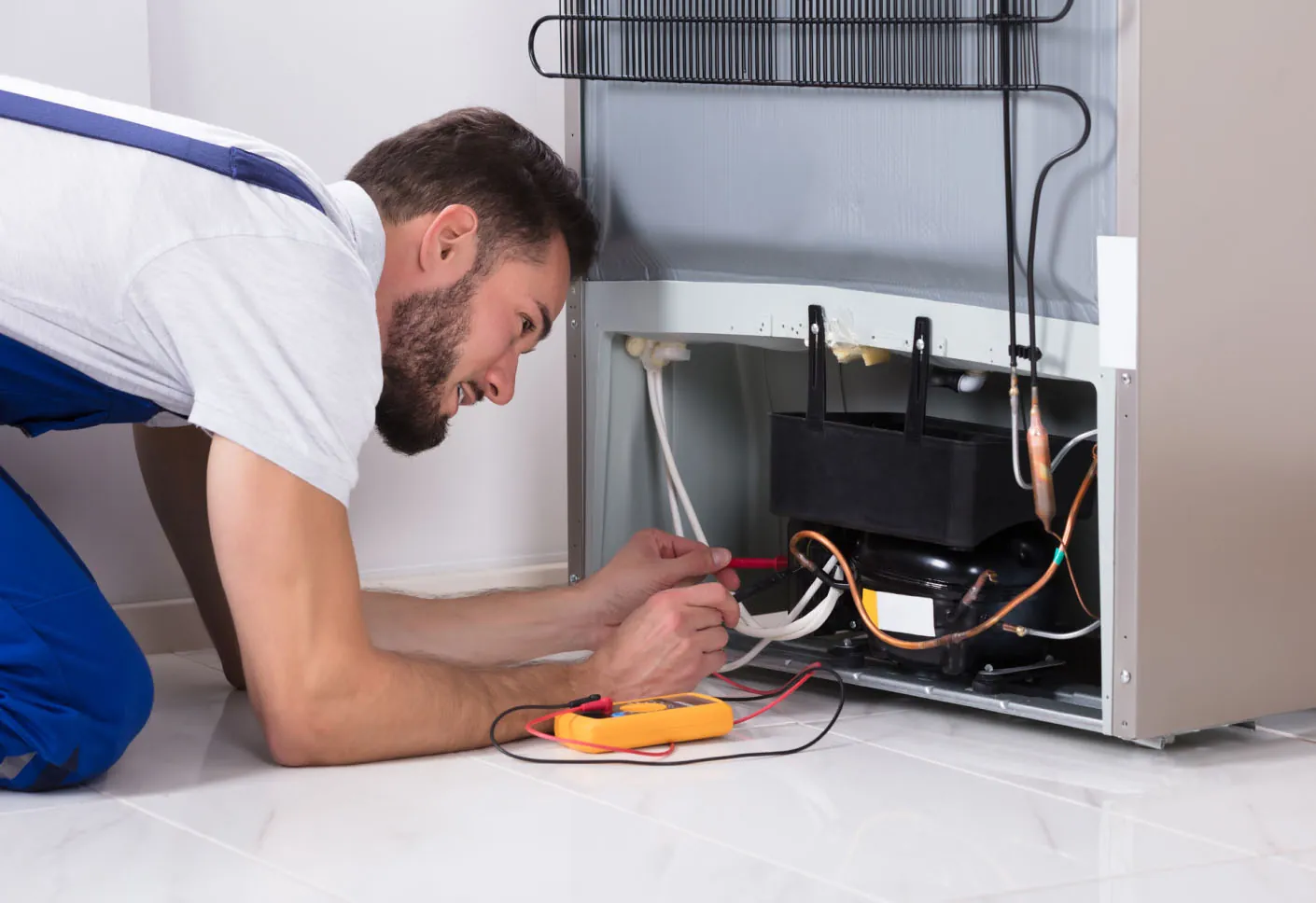
When you touch the back of your appliance, you’ll often feel heat radiating from the compressor housing. This is a standard part of the refrigeration cycle, where the motor compresses gas and creates thermal energy. The table below helps you distinguish between normal operating heat and potential signs of a mechanical issue.
| What you notice | What it usually means | What to do first |
|---|---|---|
| Warm to touch | Normal operation | No action needed |
| Hot, but cycles off | Normal operation | Keep vents clear |
| Hot and stays on | Dirty condenser coils | Clean the coils |
| Buzzing or clicking | Start relay issue | Unplug and wait |
| Fridge not cooling | Compressor failure | Check power supply |
| Rattling or grinding | Loose mounting bolts | Tighten the mounts |
This usually stems from restricted airflow rather than a mechanical defect.
Pull the unit six inches away from the wall to improve circulation. If the heat persists, check the condenser coils for dust buildup. A layer of debris thicker than a nickel acts as an insulator, trapping heat inside the system.
If the compressor runs constantly but the interior temperature remains above 40 degrees Fahrenheit, the refrigerant charge is likely low. Don’t attempt to add refrigerant yourself. This requires a certified technician to locate the leak and seal the system.
Normal heat versus overheating
The compressor is a pump that squeezes refrigerant gas, a process that inherently releases heat. Under typical conditions, the casing temperature can reach 150°F to 170°F. This assumes the ambient room temperature is around 70°F to 75°F. If your kitchen is warmer, the compressor must work harder and will run hotter to compensate for the higher intake temperature.
You can check if the heat is normal by observing the duty cycle. A healthy refrigerator should run for about 60% to 80% of the time depending on how often the door is opened. If the unit clicks off after a few minutes, the motor is resting as intended. If it runs constantly without stopping, you should look for obstructions in the airflow.
To verify the system is healthy, listen for the sound of the fan. The compressor relies on a condenser fan to pull air across the hot coils and the compressor casing itself. If the fan is blocked by dust or debris, the heat has nowhere to go and builds up on the compressor shell. You can clean these coils using a vacuum with a soft brush attachment to improve heat dissipation.
If the compressor casing is hot enough to blister your skin or emits a burning electrical odor, shut the unit down immediately. This indicates a failing start relay or a seized motor, which will lead to a total burnout if left running. If you feel only mild warmth, the system is likely cycling correctly within its design parameters.
Dirty condenser coils causing heat buildup
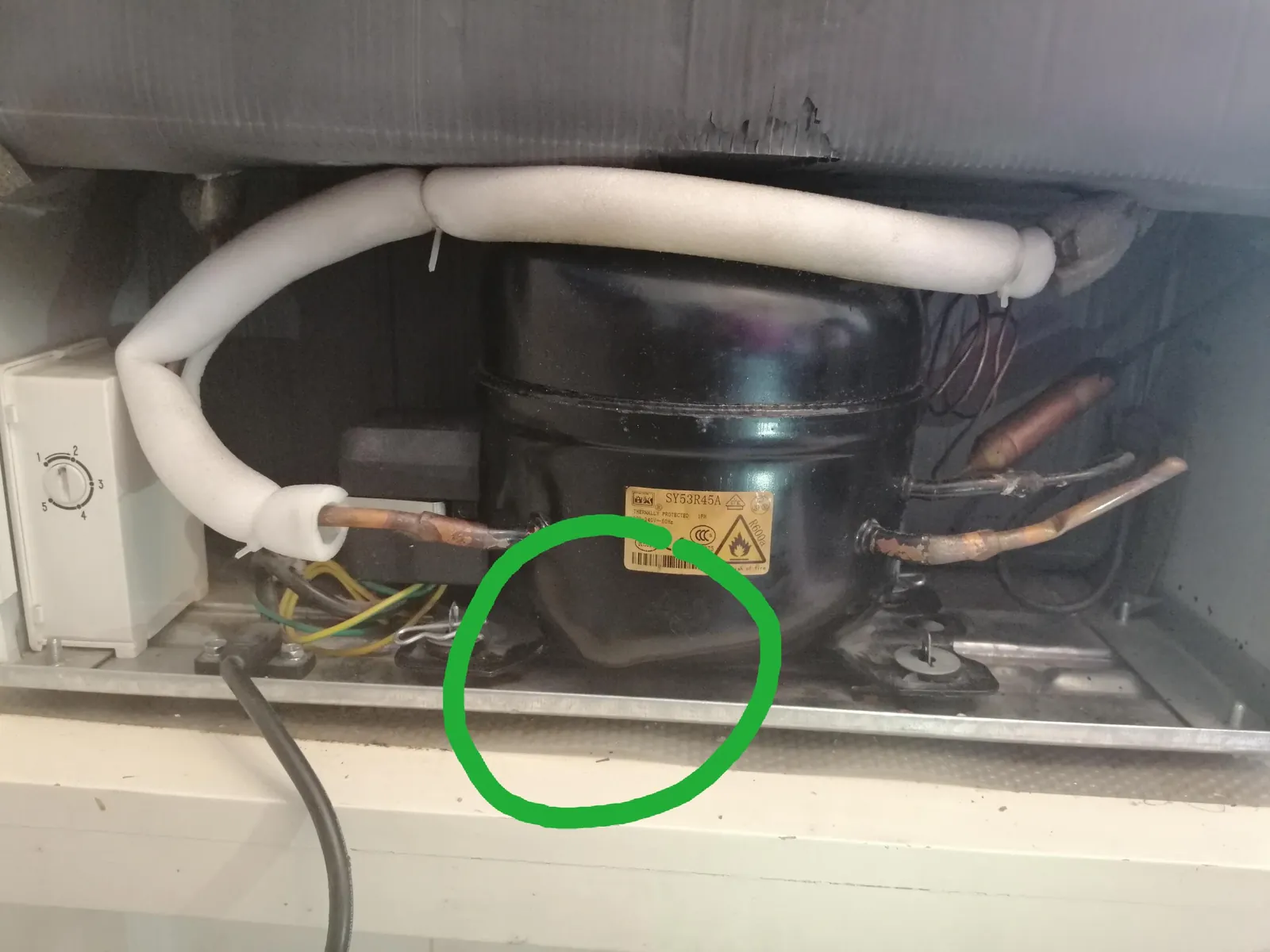
The most frequent reason for a compressor to run excessively hot is a thick layer of dust on the condenser coils. These coils are located at the bottom or back of your unit. When they’re covered in grime, the heat transfer process becomes inefficient. Keeping these coils clean helps the compressor run cooler and use less electricity.
Dust acts as an insulator, trapping the heat inside the system. To check if this is your problem, shine a flashlight into the grille. If you see a grey or fuzzy layer on the metal loops, you have found the cause. If the coils look clean but the unit still runs hot, check the condenser fan motor for obstructions; a stalled fan is often mistaken for a dirty coil issue.
Most homeowners make the mistake of using a standard vacuum attachment, which fails to reach between the tight fins. Instead, use a specialized coil brush to dislodge the compacted debris before vacuuming.
Unplug the refrigerator first for your own safety. Once the airflow is restored, the compressor won’t have to work as long to reach the desired temperature. You’ll know it worked when the compressor begins to cycle off periodically instead of running non-stop throughout the day. If the unit continues to run constantly after a thorough cleaning, the issue likely resides in the start relay or a low refrigerant charge.
Mechanical start relay failure
A failing start relay is another cause for a hot compressor that makes a clicking sound. The relay is a small electrical component attached to the side of the compressor that gives it the “kick” needed to start spinning. If the relay is stuck or broken, the motor tries to start, fails, and then tries again, which causes the internal windings to overheat rapidly.
You can tell this apart from dirty coils because the fridge will stop cooling entirely. If you hear a distinct “click-buzz-click” pattern, the compressor is struggling to engage. Dirty coils allow the fridge to cool, but they force the motor to run for a long time.
Check the relay by unplugging the unit and removing the cover. If you shake the relay and hear a rattling sound, the internal contact points have likely welded together. In this state, the relay can’t reset, and the compressor will remain trapped in a perpetual, high-amperage start cycle.
Don’t attempt to replace the relay yourself if you aren’t comfortable with electrical components. If you notice the smell of burning plastic or the compressor is vibrating violently without running, unplug the unit immediately. A professional technician should verify the voltage at the relay terminal.
If the relay is faulty, it’s a relatively inexpensive part, but improper installation can damage the compressor pins permanently. If you see scorched plastic around the terminals, the damage is likely beyond a simple relay swap, and you should replace the entire start device assembly.
When to call a professional
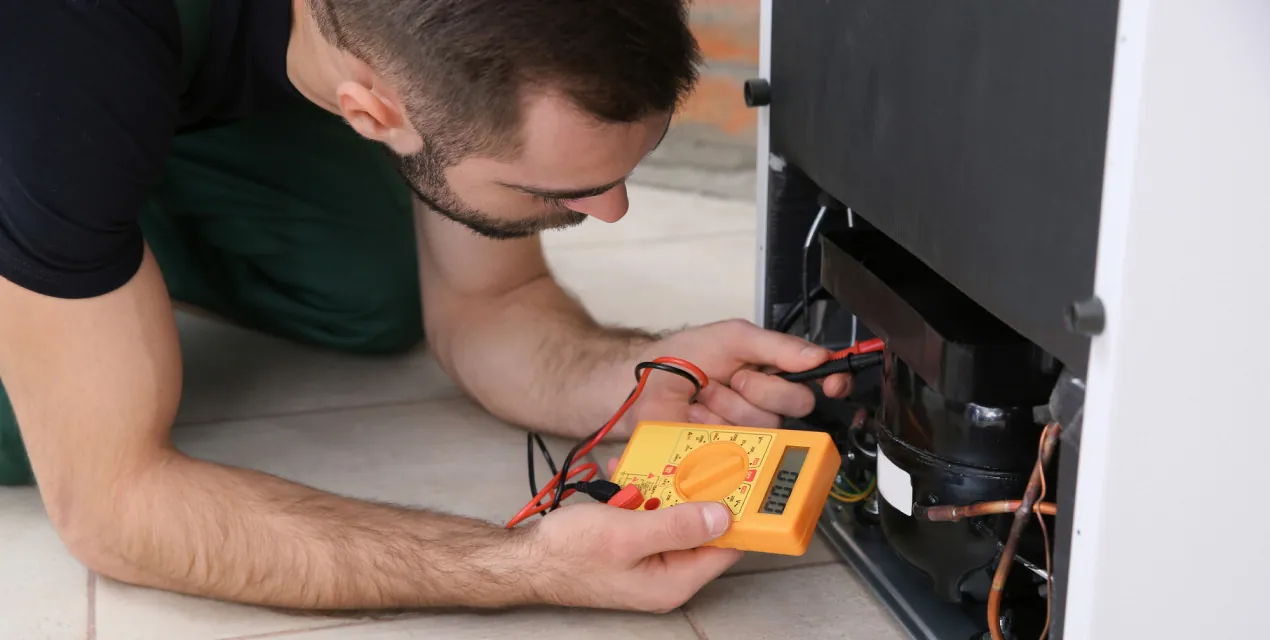
You should stop your DIY efforts if you encounter specific signs that point to internal component failure. Refrigeration systems are sealed units that require specialized tools and licenses to service correctly.
The compressor smells like burning wire or smoke, indicating an internal electrical short. If you catch this scent, immediately unplug the unit. A burning smell suggests the insulation on the motor windings has melted, which is a fire hazard that no reset button can fix.
The circuit breaker trips repeatedly, which suggests a major failure in the motor windings. If the breaker flips the moment the compressor tries to cycle on, don’t attempt to bypass the fuse or use a higher-amperage breaker. This mistake forces current through damaged components, risking a total meltdown of the wiring harness.
The fridge interior temperature rises above 40°F for more than four hours, putting food safety at risk. At this point, the mechanical failure has already compromised the unit’s utility.
You see oil leaking from the compressor housing, as this indicates a breach in the sealed refrigerant system. This is a terminal failure.
If you see these signs, stop using the appliance and call a licensed repair technician. Opening the sealed system or attempting to bypass safety relays can void your warranty or cause injury from high-pressure refrigerant. A technician has the equipment to test the compressor resistance and determine if the entire unit needs replacement.
Frequently asked questions
Is it safe if the compressor is hot?
It’s safe as long as the compressor cycles off and the fridge stays cold. The casing is designed to handle high temperatures during normal operation, provided the unit maintains a safe internal temperature. You should only worry if the compressor runs constantly, makes a loud buzzing noise, or if the internal temperature begins to rise.
Why is my refrigerator compressor running all the time?
The compressor runs constantly when it can’t reach the set temperature, often due to dirty condenser coils or a damaged door seal. Check your coils for dust and ensure the rubber gasket around the door is tight. If air leaks into the fridge, the compressor works without stopping to fight the incoming heat. If the coils are clean and the door seals well, the thermostat might be faulty.
How hot should a refrigerator compressor get?
A compressor typically runs between 150°F and 170°F during normal operation. This temperature assumes an ambient room temperature of about 70°F. If your kitchen is very hot, the compressor will naturally run at the higher end of this range. You shouldn’t touch the compressor while it’s running, as these temperatures are high enough to cause a mild burn if you hold your hand against the metal for too long.
Does a hot compressor mean it’s broken?
A hot compressor doesn’t mean it’s broken, as heat is a normal byproduct of the cooling process. Most compressors are designed to operate at high temperatures for many years. You only have a broken compressor if the motor fails to start, makes grinding noises, or if the fridge interior fails to stay cold. If the fridge is cooling properly, the heat you feel is simply the machine doing its job.
How long does a refrigerator compressor last?
A refrigerator compressor typically lasts for a long period with regular maintenance. This lifespan assumes you clean the condenser coils at least once a year and keep the fridge in a well-ventilated area. If you live in a dusty environment or keep the fridge in a cramped space with no airflow, the compressor may fail sooner. Always refer to your owner’s manual for specific maintenance schedules recommended by the manufacturer.
Can I spray water on the compressor to cool it down?
You should never spray water on a refrigerator compressor or any of its electrical parts. Water can cause a short circuit, damage the electrical components, or lead to a dangerous electric shock. The compressor is designed to be cooled by the condenser fan, not by external liquids. If the compressor is running too hot, clean the dust from the coils or ensure the fan is spinning freely instead of using water.
Conclusion
Keep an eye on the back of your appliance over the next few days to ensure the heat doesn’t become excessive. If you notice the motor running constantly or hear unusual clicking sounds, it’s a good idea to call a professional. You’ll feel much better once you’ve confirmed everything’s working perfectly.