
Sub Zero Refrigerator Troubleshooting is best performed by checking the power supply, condenser coils, and door seals before calling for professional help. If your unit isn’t cooling, start by verifying the circuit breaker and power cord. Most cooling issues stem from airflow blockages rather than mechanical failure.
Sub Zero Refrigerator Troubleshooting: Identifying Causes
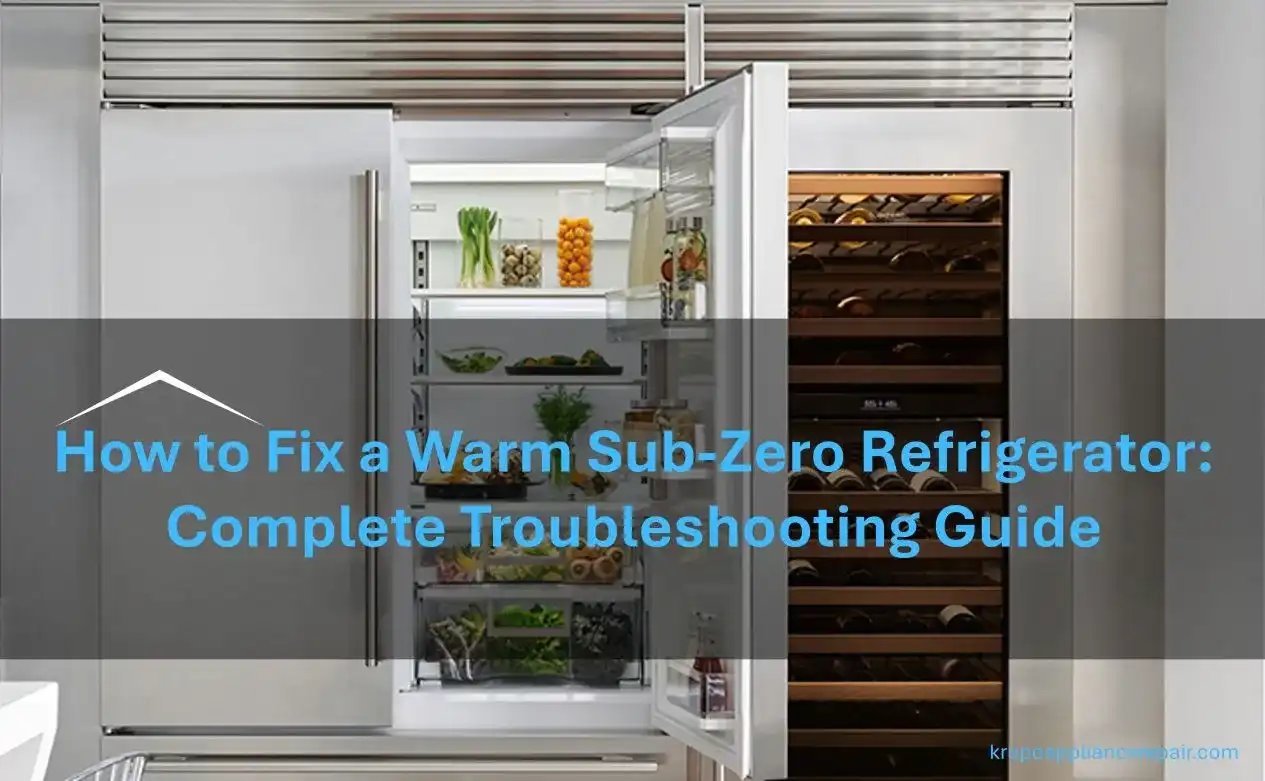
Most cooling problems originate from the condenser system. These refrigerators rely on clean coils to release heat. If the coils are covered in dust, pet hair, or kitchen grease, the refrigerator can’t pull heat out of the cabinet effectively. This forces the compressor to run longer and harder, eventually leading to a rise in internal temperature.
Another frequent cause is poor door sealing. If the magnetic gasket on your door is cracked or has food debris on it, warm air from your kitchen leaks into the cold zone. This causes the evaporator to ice over. Once the frost builds up, air can’t circulate through the vents, and your food won’t stay cold. You can test this by closing a piece of paper in the door; if you can pull it out with no resistance, the seal is likely failing.
Finally, user-set modes often mimic mechanical failures. Many models feature a “Sabbath” or “Vacation” mode that disables specific functions like lights or ice makers. Always check your control panel settings to ensure you haven’t accidentally toggled a mode that restricts compressor activity. This varies by model — check the label inside your unit or the owner’s manual for specific button combinations. If the unit is making a loud grinding noise, it’s usually a fan blade hitting ice or debris, which requires immediate attention to prevent motor burnout.
Safety: Inside a mains-powered machine, the parts behind the outer cover can hold a dangerous electrical charge even after it has been unplugged — that’s why they sit behind a cover. Opening the housing, or testing or replacing anything behind it, is a job for a qualified technician, never a home repair.
Clean the condenser coils
If your unit is struggling to maintain temperature, the first step is to clean the condenser coils. This is the most common DIY fix and often restores cooling performance instantly. You’ll need a vacuum with a brush attachment and, for some models, a long, thin coil brush.
First, locate the condenser grille. On most built-in units, this is found at the very top of the refrigerator behind a removable grille. Turn off the power to the unit at the breaker before you begin. Once the power is off, remove the grille and use the vacuum to gently remove all dust and lint from the coils. Don’t use water or chemical cleaners on the coils, as this can damage the fins.
If your coils are located at the bottom, pull the unit carefully away from the wall to access the rear panel. This varies by model — check the label for specific access instructions. After cleaning, replace the grille and restore power. If the unit begins cooling again within a few hours, the issue was simply heat buildup. If you have pets or live in a dusty environment, perform this cleaning regularly to prevent future issues. If you notice the compressor is still cycling constantly after a deep clean, the problem likely lies within the sealed system, which requires a professional.
Check door gaskets and seals
A faulty door seal is a major cause of temperature fluctuations and excessive frost buildup. If your refrigerator runs constantly but the temperature remains above 40°F, warm air is likely entering the cabinet.
Inspect the rubber gasket around the entire perimeter of the door. Look for cracks, tears, or areas where the gasket has flattened and no longer makes contact with the frame. If you see crumbs or sticky residue, wipe the gasket clean with a soft cloth and mild soap. If the gasket is damaged, it needs to be replaced. You can order original parts from the manufacturer, but installation requires careful alignment to ensure a perfect fit.
If you find that the door isn’t closing tightly, check the door hinges. Sometimes, heavy items stored in the door bins can cause the door to sag over time. If the door looks crooked, it may need adjustment. For major hinge repairs, it’s safer to hire a technician. Following the Cold Food Storage Charts provided by the government helps ensure that your food remains safe while you troubleshoot these seal issues. If the temperature stays above 40°F for more than two hours, discard perishable items to prevent foodborne illness.
Reset the control board
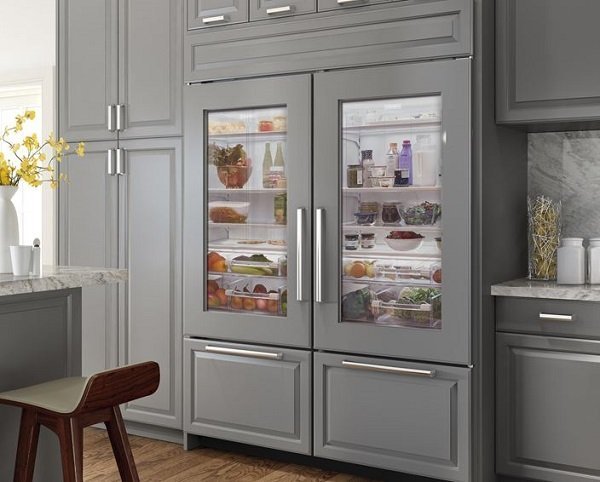
Sometimes the electronic control board simply needs a reboot to clear minor software glitches or “ghost” error codes. This is a safe and effective step for unresponsive displays or irregular cooling cycles.
To perform a soft reset, turn off the refrigerator using the power button on the control panel. If your model doesn’t have a dedicated power button, locate the circuit breaker for the kitchen and flip it to the “off” position. This waiting period allows the control board to fully power down and clear temporary memory.
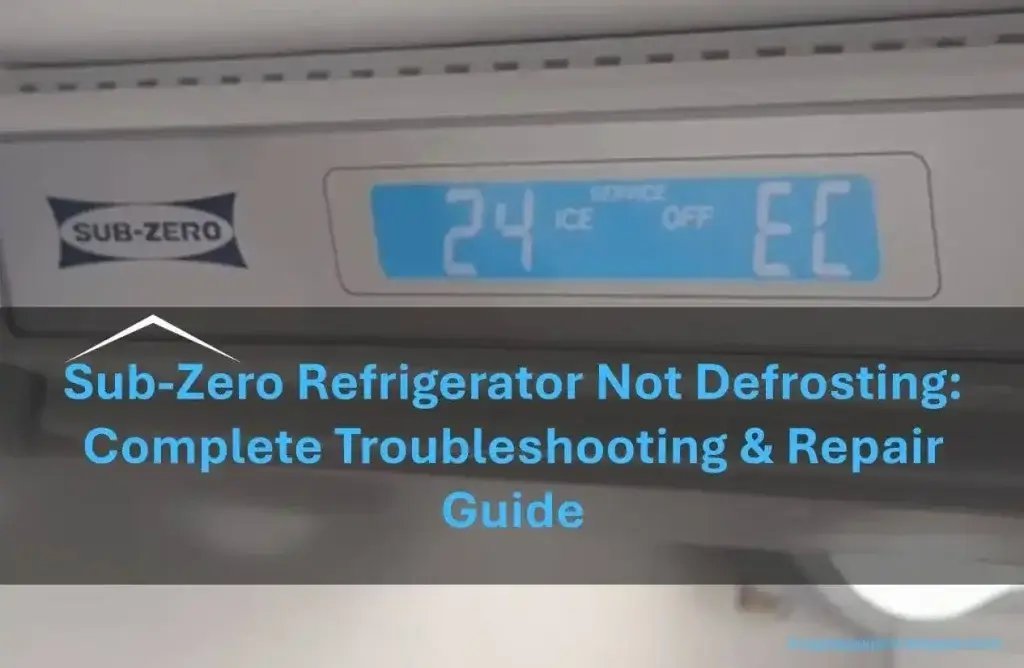
Once the power is back on, observe the display for any error codes. If the display shows “Service” or a specific numeric code, write it down. This information is vital for a technician. If the unit resumes normal operation, monitor the temperatures for 24 hours. If the problem returns within a few days, the control board itself may be failing. Because these boards are sensitive electronic components, don’t attempt to repair or solder them yourself. If the reset doesn’t work, it’s time to call a professional. They have the specialized diagnostic tools required to test the thermistors and control logic.
What not to do
- Don’t use a knife or sharp tool to chip away ice from the back wall, as you can easily puncture the evaporator coils and cause a permanent leak.
- Don’t attempt to recharge the refrigerant yourself, as this is a pressurized, hazardous task that requires a professional license and specialized equipment.
- Don’t spray water directly into the internal vents or onto electrical components, because this will cause short circuits and permanent damage to the control board.
- Don’t force the door open if it’s stuck due to vacuum pressure, as this can rip the gasket or damage the hinge alignment; wait a few seconds for the pressure to equalize.
How to stop it happening again
Regular maintenance is the best way to avoid expensive repairs. Keep the area around the unit clear, and ensure the ventilation space at the top or back is never blocked by cabinets or decor.
| If you’re doing this | Do this instead | Why |
|---|---|---|
| Leaving doors open | Close doors immediately | Stops frost and moisture entry |
| Storing hot leftovers | Cool food before storage | Reduces moisture and heat stress |
| Using harsh cleaners | Use mild soap and water | Protects sensitive rubber seals |
Frequently asked questions
Can I fix a Sub Zero refrigerator myself?
Yes, you can perform basic maintenance tasks like cleaning the condenser coils, wiping the door gaskets, and resetting the control board. These actions cover many common issues related to airflow and minor electronic glitches. However, any work involving the sealed refrigerant system, electrical wiring, or internal components requires a professional. If you aren’t comfortable handling these tasks, or if the problem persists after cleaning, always call a factory-certified technician.
Why is my refrigerator making a loud noise?
Most loud noises in these units come from a fan blade hitting ice or debris. If the noise is coming from the back or top, open the access panel to see if there’s an obstruction. If the fan blades are clear and the noise persists, it may be a failing motor bearing. This is a mechanical part that requires professional replacement.
How long should a Sub Zero refrigerator last?
While these units are built for high durability, the lifespan depends heavily on regular maintenance and the environment. Keeping the coils clean and the seals tight will significantly extend the life of the compressor. There’s no specific expiration date, but if the unit requires frequent professional repairs, it may be more cost-effective to replace it rather than continue paying for service calls.
Is it safe to eat food if the power went out?
No, food isn’t safe if the refrigerator temperature rises above 40°F for more than two hours. If you suspect your unit has been warm for longer than this, discard all perishable items like meat, dairy, and eggs. Always keep a separate appliance thermometer inside the fridge to track the actual temperature rather than relying on the unit’s display.
What happens if I ignore error codes?
Ignoring error codes often leads to more expensive damage, such as a burnt-out compressor or spoiled food. The codes are designed to alert you to small problems before they become major failures. If your display shows an error, look up the code in your owner’s manual or call a technician immediately to prevent the issue from escalating.
Final Thoughts
If these simple checks don’t fix the temperature, it’s time to reach out to a certified technician. Don’t wait for the problem to worsen, as early repairs often prevent expensive food loss. You’ll be glad you acted quickly once your kitchen is back to normal and your groceries stay perfectly chilled.
Related guides
- Whirlpool Refrigerator Troubleshooting: Simple Fixes for Cooling in 2026
- Sub Zero 632 Ice Maker Troubleshooting: Fixes and Solutions in 2026