
You can resolve most heating issues by checking the power supply, thermostat settings, and the air filter, as Carrier Furnace Manual Troubleshooting acts as your primary guide for identifying status codes and simple resets. If your system isn’t blowing warm air, the most common cause is a tripped circuit breaker or a dirty filter that blocks airflow, causing the unit to shut down for safety.
Carrier Furnace Manual Troubleshooting Guide
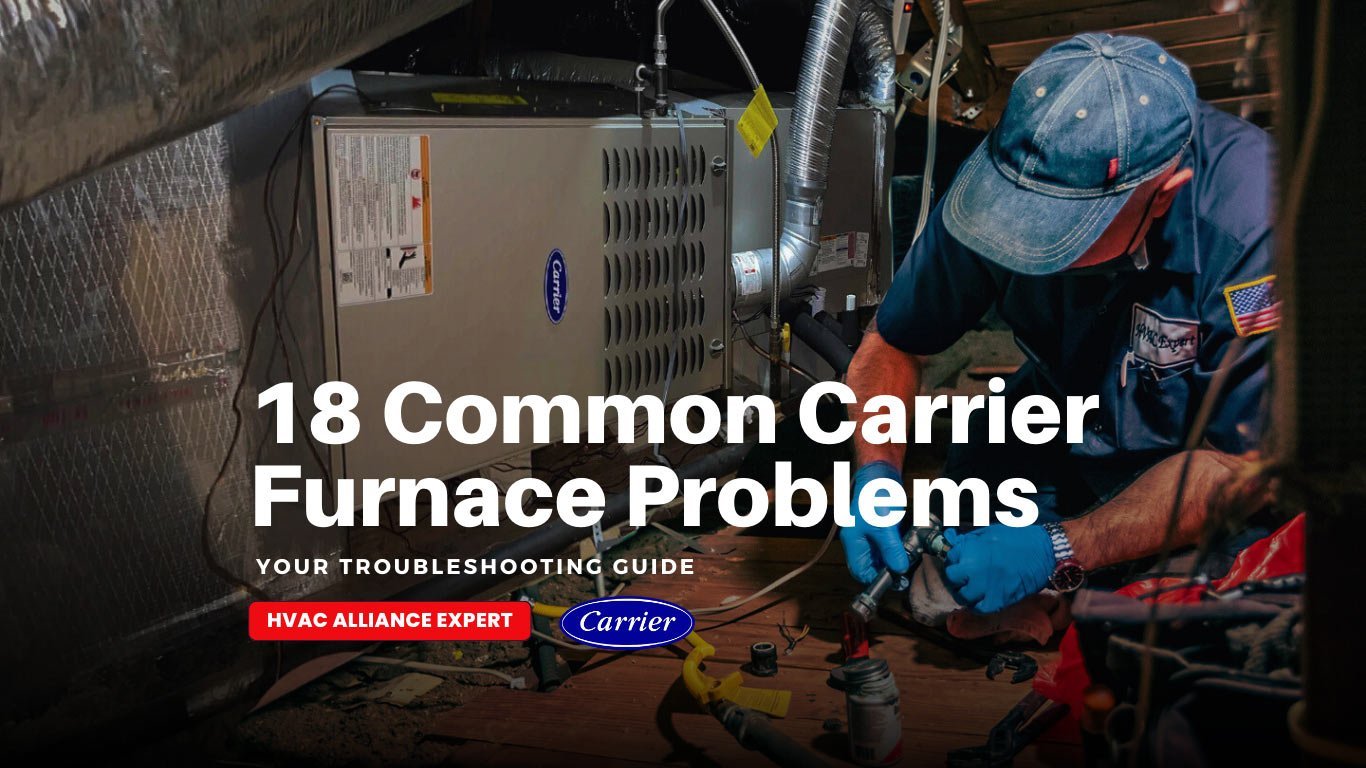
Furnaces stop working primarily to protect the internal components from overheating or fire risks. When the system detects a problem, the control board disables the burners and flashes a specific light pattern—or “fault code”—to tell you exactly what is wrong.
The most frequent cause is a clogged air filter. Your furnace pulls air through this filter to heat it. If the filter is thick with dust, the blower motor can’t push enough air through the heat exchanger. This makes the metal get too hot, too fast. The “limit switch” senses this extreme temperature and cuts the gas flow to prevent a fire.
Another common reason is a simple power failure. If you have recently had a storm or a power surge, the breaker in your electrical panel may have tripped. Even if the breaker looks fine, it might be in the “middle” position. You should always flip it fully to “off” and then back to “on” to ensure the connection is restored.
Finally, the thermostat itself can be the culprit. If the battery is low or the settings have been accidentally changed to “fan only” or a mode that doesn’t match your home’s current temperature needs, the furnace won’t trigger the ignition sequence. Always verify that your thermostat is set to “heat” and that the target temperature is higher than the current room temperature.
Check your power supply
This fix is for homeowners whose furnace shows no signs of life, such as no lights on the control board or no sound from the blower motor. If the unit is silent, start by looking at your home’s main electrical panel. Locate the breaker labeled “Furnace” or “HVAC.” If it’s tripped, move it to the “off” position and then back to “on.”
Next, check the service switch. This is a light-switch-style toggle located on or near the furnace housing itself. It’s easy to bump this switch while moving items in a basement or utility closet. Ensure it’s in the “up” or “on” position. If you have a drain pan under your furnace, look for a “float switch.” This is a small sensor that detects water. If your air conditioning line is clogged, the pan fills with water, and the switch cuts power to the furnace to prevent flooding. If you see water in the pan, you must clear the drain line before the furnace will run again.
Check the furnace door panel as well. There’s a safety switch that prevents the furnace from operating if the panel isn’t closed perfectly. If you recently changed the filter, ensure the door is seated flush against the frame. If the door is loose, the furnace will stay off as a safety precaution. If you have checked these items and the system remains dead, don’t attempt to bypass any wiring. A technician must handle internal electrical faults, as a capacitor can hold a lethal charge even when the unit is unplugged.
Replace the air filter
This fix is for users who hear the furnace click or hum but feel no heat coming from the vents. A dirty filter is the most common reason for a system to “short cycle,” where it turns on for a few seconds and then shuts down. You should replace the filter regularly, or more often if you have pets or live in a dusty area.
To replace it, find the filter slot on the side or bottom of the furnace unit. Slide the old filter out and check its condition. If you can’t see light through the mesh, it’s too dirty to use. Always replace it with a filter of the exact same dimensions. Using a filter that’s too thick can restrict airflow just as much as a dirty one. When you slide the new filter in, look for the “airflow” arrow on the frame. This arrow must point toward the furnace, not away from it.
Once the new filter is in place, close the door panel securely. Turn the thermostat up to call for heat. It may take three to five minutes for the ignition sequence to start, as the furnace often runs its blower fan first to clear out any residual gases. If the heat stays on for more than ten minutes, your problem is solved. If the furnace still shuts down, the issue may be a faulty limit switch or a blocked vent pipe, which requires a professional service call. You can find more information on maintaining your heating system through the official Energy Star guidance.
Inspect the thermostat settings
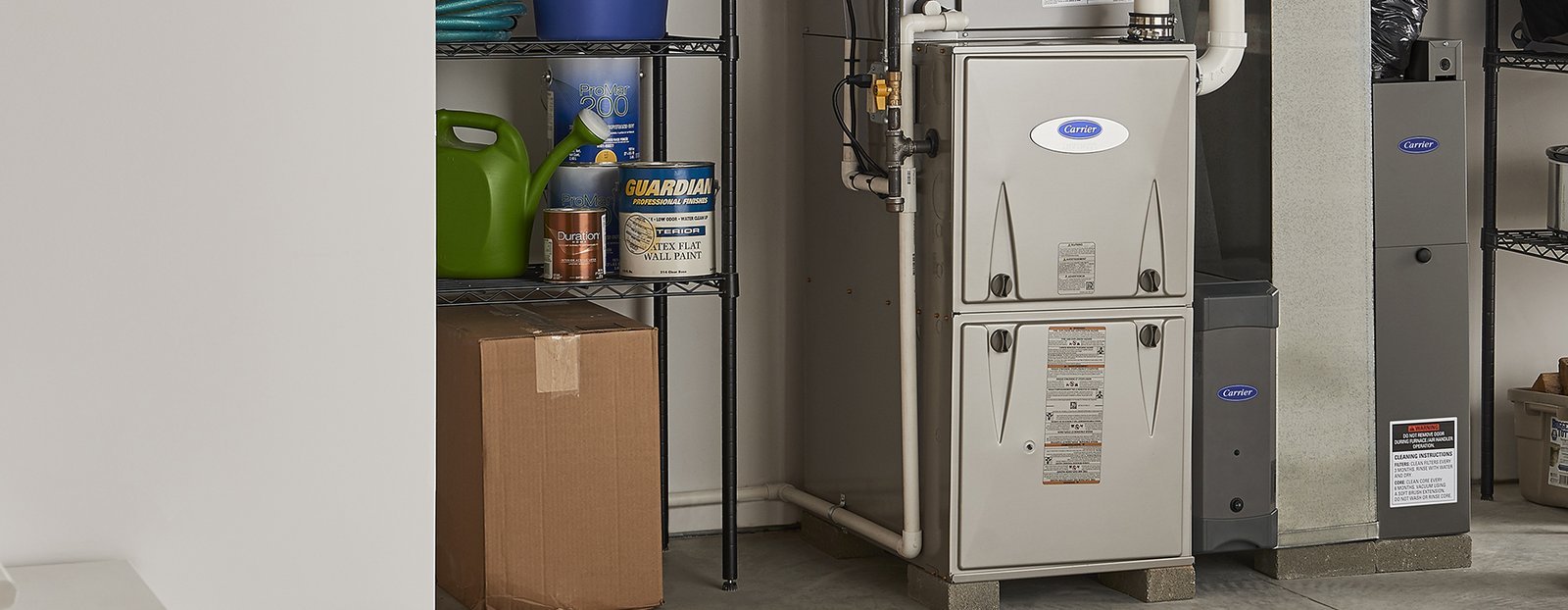
This fix is for situations where the furnace seems to be working, but the house stays cold. Start by confirming the thermostat is in “Heat” mode. Many people accidentally leave it on “Cool” or “Off.” If the screen is blank, replace the batteries. Even hard-wired thermostats often use batteries to keep settings during a power outage.
If the screen is on, check the “Fan” setting. It should be set to “Auto,” not “On.” If it’s set to “On,” the blower will run constantly, which can make the air feel cool even when the furnace isn’t heating. If your thermostat is programmable, ensure the schedule hasn’t been set to a “vacation” or “energy-saving” mode that keeps the heat low during the day.
If the thermostat is set correctly and the temperature is high, try a “hard reset” of the device. Remove the thermostat from the wall plate, take out the batteries, and leave it off for one minute. Put the batteries back in and reattach the unit. This clears out minor software glitches that can prevent the furnace from receiving the signal to ignite. If the furnace still fails to fire after these steps, the issue is likely a mechanical failure inside the furnace, such as a bad flame sensor or an ignition board. These parts require specialized training and tools to test, so contact a licensed HVAC contractor at this point.
What not to do
- Don’t bypass the door safety switch: Taping this switch down to keep the furnace running with the door open is dangerous, as it exposes you to high-voltage components and moving fan blades.
- Don’t clean the flame sensor with sandpaper: Using abrasive materials can scratch the sensor’s surface, which leads to permanent damage and a very expensive replacement.
- Don’t ignore a persistent fault code: If the furnace continues to flash an error code after you have changed the filter and reset the power, it means a component has actually failed and needs professional attention.
- Don’t use an oversized filter: Buying a “high-efficiency” filter that’s too dense for your specific blower motor will choke the system and cause the heat exchanger to crack, which is a major, costly repair.
How to stop it happening again
Regular maintenance is the best way to prevent emergency outages. Follow the schedule below to keep your system running smoothly throughout the winter months.
| If you’re doing this | Do this instead | Why |
|---|---|---|
| Prevents airflow restrictions | ||
| Ignoring strange sounds | Call for service early | Stops minor issues from becoming major |
| Blocking floor vents | Keep all vents clear | Ensures proper air circulation |
| Using thin, cheap filters | Use pleated, medium-rated filters | Better protection for the blower motor |
Frequently asked questions
Why is my furnace blowing cold air?
Your furnace is likely blowing cold air because the burner failed to ignite or the system is in “cool-down” mode. This often happens if the flame sensor is dirty or the gas supply is interrupted. If checking the gas valve and filter doesn’t resolve the issue, contact a professional technician.
How long should a furnace last?
A well-maintained gas furnace typically lasts between fifteen and twenty years. This lifespan depends heavily on regular air filter changes and professional safety inspections. If your furnace is over fifteen years old and requires frequent, expensive repairs, consult a professional to discuss whether it’s more cost-effective to replace the unit.
Is it safe to keep using a furnace that makes a loud banging noise?
You should turn off the furnace immediately if you hear loud banging or clanking noises. These sounds often indicate mechanical failures like a loose blower wheel or a cracked heat exchanger. Because these issues can be dangerous, shut the system down and call a qualified HVAC contractor for a safety inspection.
What happens if I don’t change my furnace filter?
If you don’t change your furnace filter, the system will eventually overheat and shut down to prevent a fire. A dirty filter blocks the airflow the furnace needs to move through the heat exchanger. Changing your filter is the most important task to extend the life of your furnace.
Can I fix a furnace fault code myself?
You can only fix a fault code yourself if the cause is related to airflow or power supply. Changing a dirty filter might solve a “limit switch” error, but internal mechanical failures require professional help. Don’t attempt to open the furnace housing or touch wiring, as these tasks carry significant safety risks.
Final Thoughts
If your furnace still won’t start after you’ve checked these basics, don’t hesitate to call a certified technician. They’ll have the professional tools to safely inspect your unit’s internal components. It’s better to get an expert’s help early, so you’ll stay comfortable and warm all through the coldest winter months.
Related guides
- Travel Trailer Furnace Troubleshooting: Simple Fixes for Heat in 2026
- Ford Anti Theft System Troubleshooting: Fix Your Ignition Issues in 2026
- Furnace Is Not Working Troubleshooting: Simple Fixes to Try in 2026