
Travel Trailer Furnace Troubleshooting usually involves ensuring your propane supply is open and the battery is fully charged, as these systems require both fuel and 12-volt power. If basic checks don’t restore heat, contact a certified RV technician. Never attempt to open the furnace housing or touch internal components, as these units contain sensitive parts that can be easily damaged.
Travel Trailer Furnace Troubleshooting: Common Causes
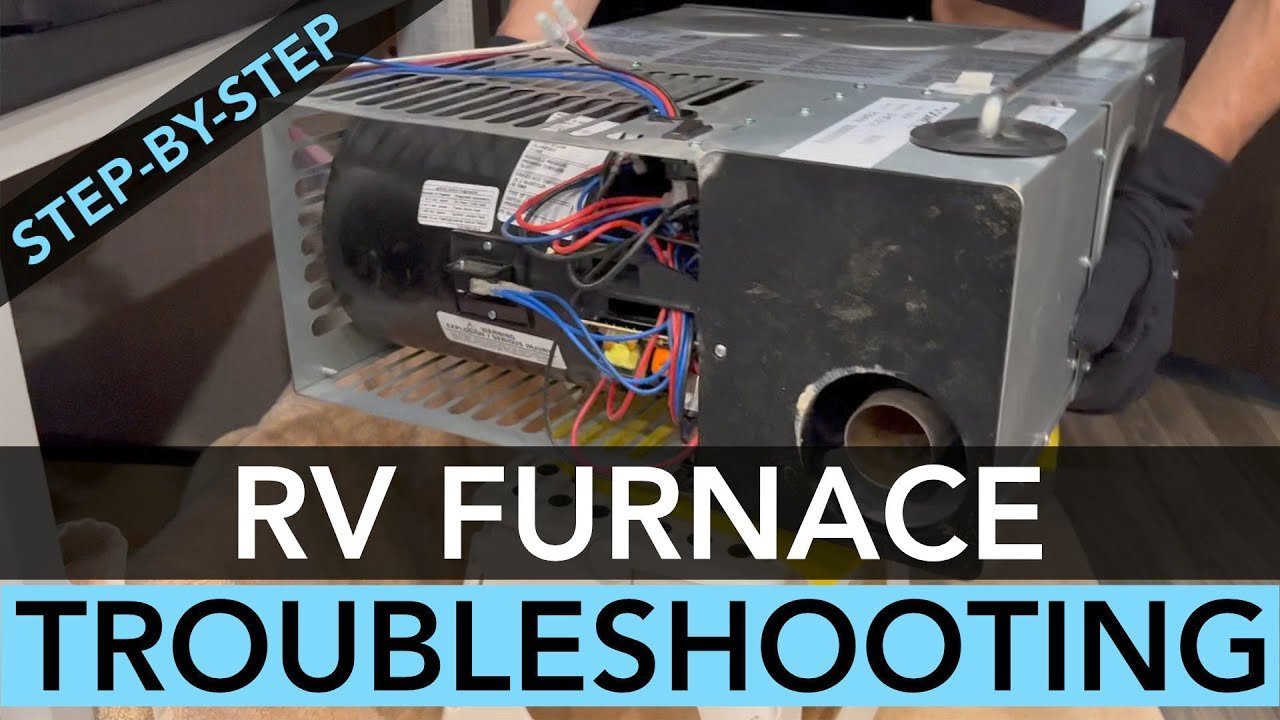
Furnaces in travel trailers are complex machines that require a perfect sequence of events to operate. They need a steady flow of propane, a functional 12-volt DC power source, and a clear path for air intake and exhaust. When one of these elements fails, the control board enters a lockout state for safety.
The most frequent cause of failure is a low battery. These furnaces use a blower motor that draws significant amperage. If your battery voltage drops too low, the blower will spin too slowly to trip the sail switch. This switch detects airflow and prevents the control board from releasing propane if there’s insufficient air movement.
Propane issues are the second most common cause. If the tank is empty, or if the regulator has tripped into a “bypass” mode due to a sudden pressure change, no gas will reach the burner. You can often tell if the regulator is the culprit if your stove burners have very low or yellow flames.
Finally, debris in the intake or exhaust ports can cause the furnace to cycle off. Insects are attracted to the scent of the odorant added to propane and often build nests in the external ports. If air can’t enter or exit, the sail switch won’t close, and the burner will never ignite. According to the RV Industry Association’s safety guidelines, you must ensure all propane appliances are inspected and maintained by qualified professionals to prevent carbon monoxide buildup and fire hazards.
Safety: Inside a mains-powered machine, the parts behind the outer cover can hold a dangerous electrical charge even after it has been unplugged — that’s why they sit behind a cover. Opening the housing, or testing or replacing anything behind it, is a job for a qualified technician, never a home repair.
Check your propane and battery
This fix is for users who have a furnace that clicks but never lights, or a blower that runs weakly. First, check your propane tanks. Ensure the valve is turned fully open. If you have an automatic changeover regulator, check the indicator; if it’s red, the tank is empty. If you suspect the regulator is stuck, turn off all propane appliances, turn the tank valve off, wait one minute, and slowly open the tank valve again. This reset procedure often clears a false “excess flow” trip.
Second, check your battery voltage using your trailer’s wall-mounted monitor panel. If you’re plugged into shore power, your converter should provide enough voltage for the furnace to run. If you’re dry camping and the furnace fails to start, contact a technician to test the electrical system and ensure the blower motor reaches the required speed.
If X is a weak battery, plug into shore power to see if the furnace ignites; if Y is a full battery but the fan is silent, check your interior fuse panel for a blown furnace fuse. If the fuse is fine, the problem is likely internal and requires a professional. Never replace a fuse with one of a higher amperage rating, as this can melt your wiring and cause a fire.
Clear the external vents
This fix is for users whose furnace fan runs for about 30 seconds and then shuts off without heat. This usually means the sail switch isn’t sensing enough air, often because the intake or exhaust is blocked. Go outside your trailer and locate the furnace exhaust port—it’s usually a rectangular metal plate on the side of the trailer.
Look closely at the screen. If you see mud dauber nests, spider webs, or trapped leaves, the airflow is restricted. Use a soft brush or a vacuum hose to gently clear the exterior of the screen. Don’t stick any tools deep into the vent, as you can damage the delicate internal burner tubes or the fan blades. Once the debris is cleared, return inside and cycle the thermostat again. If the furnace ignites, the obstruction was the cause.
If the screen is clean but the furnace still cycles off, check for “kinks” in the return air vent inside the trailer. This is often a large, louvered panel located near the floor. If a piece of furniture or a rug is blocking this panel, the furnace can’t pull in enough air to satisfy the sail switch. Ensure at least six inches of clearance around the return air intake. If the unit still fails after these steps, the sail switch itself may be stuck or faulty, which is a repair that must be handled by a qualified technician.
Reset the thermostat
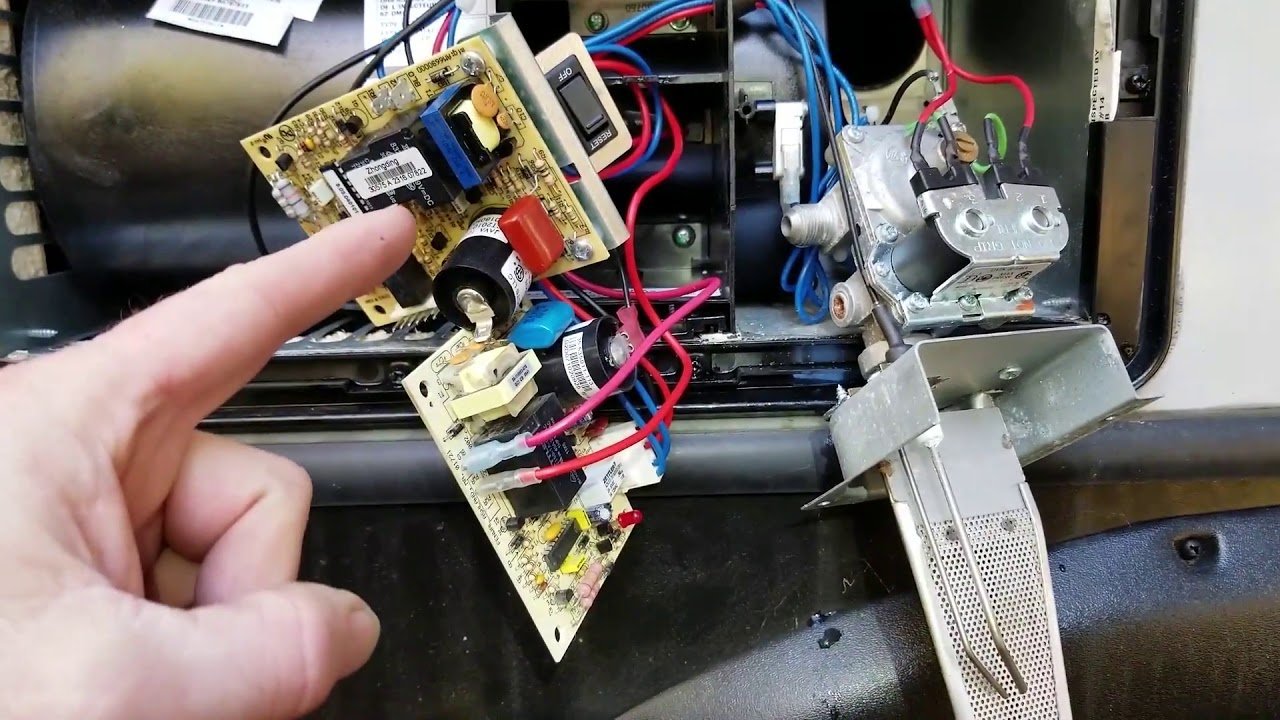
This fix is for users whose furnace doesn’t respond to the thermostat at all. Sometimes, the digital communication between the thermostat and the control board becomes “confused.” Start by turning the thermostat to the “Off” position. If your thermostat has batteries, remove them for at least 30 seconds, then replace them.
If it’s a hardwired unit, locate the main 12-volt “kill switch” or “battery disconnect” for your entire trailer. Turn it off, wait 60 seconds, and turn it back on. This performs a hard reset on the trailer’s control systems. Once power is restored, set the thermostat to “Furnace” and increase the temperature at least five degrees above the current room temperature.
This fix isn’t for mechanical failures like a grinding fan or a smell of gas. If you hear a grinding noise, the blower motor bearings are failing; if you smell gas, turn off the propane at the tank immediately and leave the area. These are serious issues that require immediate professional attention. If the thermostat reset doesn’t work, the issue may be a faulty control board or a broken wire behind the wall. These parts aren’t user-serviceable and require a technician with the correct diagnostic tools to identify the break in the circuit.
What not to do
- Never use a lighter or match to “help” the furnace ignite. This is extremely dangerous, as propane can pool in the burner area and cause a sudden flare-up that leads to severe burns or trailer damage.
- Don’t bypass the sail switch with a jumper wire. This switch is a critical safety device that prevents the burner from firing if there’s no air movement; bypassing it can lead to a fire inside the furnace cabinet.
- Avoid spraying cleaning chemicals into the vents. Many cleaners are flammable, and residue can ignite when the burner fires, potentially damaging internal seals or causing a hazardous chemical burn.
- Don’t attempt to adjust the burner or gas valve settings. These are factory-calibrated for your specific altitude and gas pressure; changing them without a manometer will lead to inefficient burning and dangerous carbon monoxide levels.
How to stop it happening again
Regular maintenance is the most effective way to prevent furnace failure. By keeping the system clean and the electrical connections tight, you ensure the furnace is ready when temperatures drop.
| If you’re doing this | Do this instead | Why |
|---|---|---|
| Leaving the trailer stored | Install stainless steel vent screens | Keeps insects and mud daubers out |
| Ignoring the battery health | Use a battery maintainer when stored | Prevents deep discharge and failure |
| Waiting for the cold | Test the furnace in early autumn | Finds issues before you need heat |
| Cleaning with high pressure | Use a soft brush and vacuum | Protects the thin metal fins and vents |
| Storing items near the intake | Maintain 6 inches of clearance | Allows proper air circulation |
Frequently asked questions
Can I fix a furnace that smells like gas?
Yes, immediately shut off the propane supply at the tank and evacuate the trailer. A gas smell indicates a dangerous leak in the lines or burner assembly. Don’t attempt to locate the leak yourself; contact a professional RV service center or your local propane supplier to perform a leak test and verify system safety.
How long does a trailer furnace last?
A trailer furnace typically lasts between 10 and 15 years, depending on usage and maintenance. Units kept free of debris tend to last longer than those that sit idle. If your unit is older than 15 years, it’s often more cost-effective to replace it with a modern, efficient model rather than paying for repeated repairs.
Is it safe to sleep with the furnace on?
Yes, it’s safe to sleep with the furnace on, provided your trailer has a working carbon monoxide detector and the furnace is properly vented. Always test your detector before every trip by pressing the test button. If the alarm sounds, leave the trailer immediately and have a professional clear the unit for use.
Why does my furnace blow cold air?
Your furnace blows cold air because the burner failed to ignite, but the blower is running to clear residual gas. This occurs if the propane is empty, the regulator is tripped, or the ignition failed. Check your propane levels and battery charge; if the issue persists, contact a professional to inspect the igniter or control board.
What happens if the furnace fan won’t turn off?
If the furnace fan stays on continuously, the control board has likely entered a fail-safe mode or the limit switch is stuck. Turn off the thermostat and pull the furnace fuse to prevent battery drain. Once power is disconnected, contact a technician to inspect the limit switch and control board, as these parts require professional service.
Final Thoughts
Keeping your living space cozy doesn’t have to be a struggle. If you’re still feeling chilly after checking the basics, it’s best to schedule a professional inspection before your next trip. You’ll have peace of mind knowing your heater’s ready to go, and you won’t have to worry about cold nights again.
Related guides