
Choosing the best children’s books on the body means deciding if you want visual depth, interactive flaps, or simple stories for younger kids. These picks differ by the age they target and how much detail they show. This guide helps parents find the right match for their child’s curiosity.
As an Amazon Associate, we earn from qualifying purchases. This post contains affiliate links – if you buy through them, we may earn a commission at no extra cost to you.
Best overall: Knowledge Encyclopedia Human Body provides deep visual detail for children who enjoy learning through images. Best for toddlers: What’s Inside Me focuses on basic body parts with simple language for the youngest readers. Best for safety: Body Boundaries Make Me Safe teaches kids about personal space and safety in a gentle way.
The rest of this guide is for parents looking to support their child’s natural interest in biology.
Comparison Table
1. Knowledge Encyclopedia Human Body

Best for: Visual learners wanting detailed anatomical images.
This book uses detailed illustrations to show how the body works. It’s designed for kids who like to look at complex pictures to understand anatomy.
The clear visuals make it easy to see how different systems connect. It’s a solid choice for older children who want to study the body in depth.
Pros
- Detailed anatomical illustrations.
- High visual quality.
- Educational for older kids.
Cons
- May be too complex for toddlers.
2. See Inside Your Body
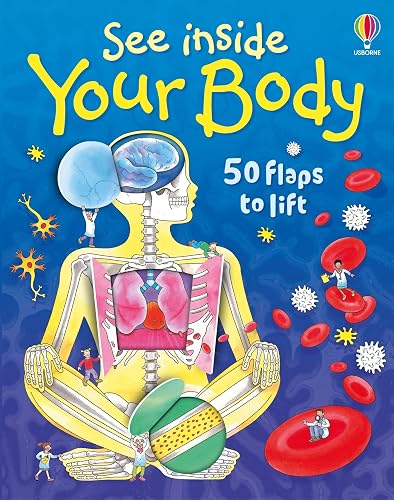
Best for: Children who enjoy hands-on learning.
This book uses interactive flaps to reveal what is under the skin. It helps kids engage with the anatomy by physically opening parts of the page.
It works well for children who need to touch and move items to stay focused. The format makes learning about organs feel like a game.
3. Inside Your Outside

Best for: Young readers who like rhyming stories.
This book uses the Cat in the Hat to explain basic body functions. The rhyme scheme helps keep the pace light and fun for early readers.
It turns complex biology into an easy story. It isn’t for older children who prefer technical diagrams or scientific terminology.
Pros
- Fun rhyming text.
- Familiar character style.
- Good for early readers.
Cons
- Limited scientific detail.
4. My Amazing Body Machine

Best for: Kids interested in how the body functions.
This guide treats the body like a machine to explain its parts. It’s great for showing how different systems work together to keep us moving.
The mechanical approach helps kids visualize complex processes.
Pros
- Clear mechanical comparisons.
- Colorful visual guide.
- Logical system explanations.
Cons
- Text can be dense.
5. Me and My Amazing Body

Best for: Younger children just starting to learn anatomy.
This book introduces the body in a way that relates to the child. It covers basic parts and what they do in daily life.
The approach is gentle and very accessible for school-aged kids. It lacks the advanced detail needed for older students studying biology.
Pros
- Relatable to children.
- Easy to understand.
- Good anatomy introduction.
Cons
- Minimal technical depth.
6. What’s Inside Me

Best for: Toddlers curious about their own bodies.
This book is built for the 3-5 age range with very simple facts. It answers basic questions about what we’re made of.
The layout is clean and meant for short attention spans. It doesn’t provide enough information for elementary school students.
Pros
- Age-appropriate language.
- Simple, fun concepts.
- Perfect for toddlers.
Cons
- Very basic content.
7. Bodies Are Cool

Best for: Families teaching body positivity.
This book highlights the diversity of human bodies in a positive way. It helps children appreciate that everyone looks different and that’s normal.
It’s a great tool for building self-esteem and kindness. It doesn’t focus on internal anatomy or organ functions.
Pros
- Focuses on body positivity.
- Inclusive illustrations.
- Gentle, supportive message.
Cons
- No anatomical details.
8. Who Has What
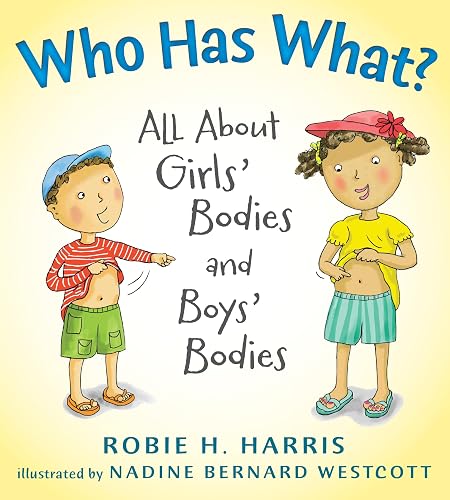
Best for: Parents explaining physical differences between genders.
This book covers the physical differences between boys and girls. It uses simple language to answer common questions in a straightforward way.
It’s a helpful resource for early discussions about anatomy. It isn’t for those looking for a general guide to all body systems.
Pros
- Clear gender education.
- Direct and honest.
- Easy for kids.
Cons
- Specific to one topic.
9. Amazing You

Best for: Preschoolers learning about body awareness.
This book teaches children about their own bodies, including private parts. It focuses on health and respect in an age-appropriate way.
It’s a starting point for early safety and awareness lessons. It isn’t a comprehensive guide to the whole human anatomy.
Pros
- Teaches body awareness.
- Gentle for preschoolers.
- Focuses on respect.
Cons
- Narrow focus area.
10. Body Boundaries Make Me Stronger

Best for: Kids learning about consent and personal space.
This book teaches children that they have control over their own bodies. It covers personal space and social skills in a protective way.
It’s a vital tool for teaching safety to young children. It doesn’t cover biology or how the body functions.
Pros
- Teaches personal safety.
- Encourages social skills.
- Teaches young children about their bodies.
Cons
- No anatomical information.
How to Choose in Sixty Seconds
Which book is best for a preschooler?
Look for titles like What’s Inside Me or Amazing You. These focus on simple concepts and body awareness rather than complex biology. They use language that’s easy for young children to grasp. Always check that the book’s tone matches your own family values before sharing it.
How do I know if a book is too advanced?
If a book contains many Latin terms or dense paragraphs, it’s likely for older children. Visual learners often do better with books like Knowledge Encyclopedia Human Body, while those who need to touch things benefit from interactive options. Always consider your child’s reading level and current interest.
Does the book cover safety or biology?
Decide if you want a biology lesson or a safety lesson. Books like Body Boundaries Make Me Safe focus on social health and protection. If you want to teach them about their organs, stick to books like My Amazing Body Machine. You can find guidance on teaching children body safety through resources from the American Academy of Pediatrics.
Closing
For visual learners, Knowledge Encyclopedia Human Body is a top pick, while See Inside Your Body is excellent for those who like to interact with their books. Both offer great ways to spark curiosity. Check your local library or bookshop to see if these titles align with your child’s needs.
Frequently Asked Questions
What should I look for in a body book for kids?
Look for books that match your child’s age and curiosity level. A good book uses clear images or simple stories to explain how the body works. Ensure the tone is supportive, especially when covering sensitive topics like body parts or personal safety, as this helps children feel secure while learning.
Do these books require extra materials to use?
Most of these books are self-contained and don’t need extra tools. Books like See Inside Your Body rely on their own flaps to keep kids engaged. You may want to have some paper and crayons nearby if your child wants to draw the body parts they just learned about.
Is the simplest book enough for my child?
Yes, if your child is just starting to ask questions. Books like What’s Inside Me provide a great foundation for toddlers. As they grow and ask more complex questions, you can move on to books like My Amazing Body Machine that offer more technical details about the body’s systems.
Final Thoughts
Whether you’re looking for a bedtime story or a detailed science lesson, these books won’t disappoint. Pick up a title that matches your child’s current interests, and don’t be afraid to let them lead the conversation. You’ll be surprised by how much they’re ready to learn about the world inside them.