
You can resolve most performance issues by cleaning the air filter, checking battery terminals, and verifying that the fuel is fresh, making Craftsman Riding Mower Troubleshooting a simple process of elimination. Stale gasoline is the most common cause of failure, often leaving gummy deposits in the carburetor. Always engage the parking brake and remove the key before starting any inspection.
Craftsman Riding Mower Troubleshooting
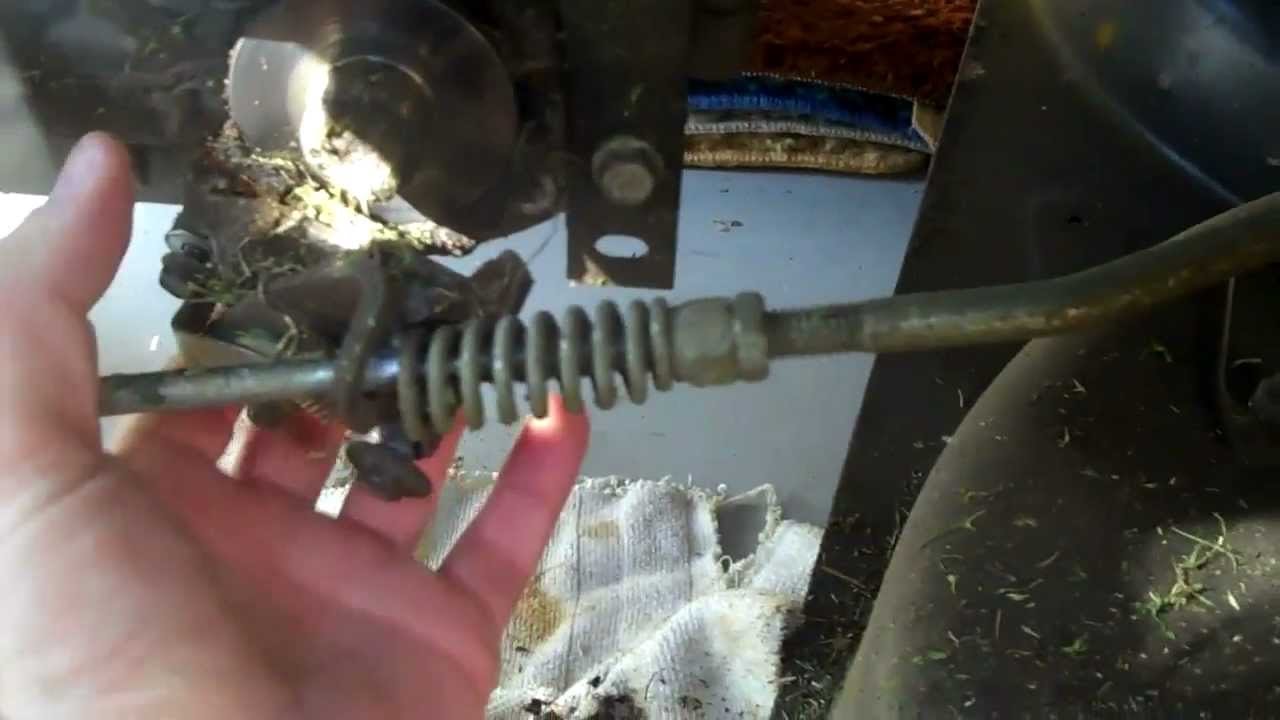
Engine failure usually stems from three main areas: fuel quality, electrical connectivity, and airflow. When this happens, the fuel system struggles to deliver a combustible mixture to the engine, causing it to sputter or refuse to start entirely.
Electrical issues are the second most common cause. A riding mower requires a strong, steady current to engage the solenoid and spin the starter motor. If the battery cables are loose or covered in white, powdery corrosion, the connection is broken. Even if the battery is fully charged, a bad connection at the terminal prevents the starter from drawing the power it needs. You can often clear this by simply tightening the nuts on the battery terminals with a wrench.
Airflow restriction is the third factor. A combustion engine needs to breathe. If the air filter is clogged with grass clippings, dust, or dirt, the engine can’t get enough oxygen to burn the fuel efficiently. This leads to a rich fuel mixture, which causes black smoke, loss of power, and eventually engine stalling. This varies by model — check the label on your air filter housing to see if your specific unit requires a paper or foam filter, as the cleaning method changes based on the material. If you see visible dirt or tears in the filter media, replace it immediately to prevent debris from entering the engine intake and causing permanent internal damage.
Clear the fuel system
This fix is for owners whose mower turns over slowly or starts then dies after a few minutes of mowing. If the fuel is old, the engine can’t maintain a steady idle. Drain the fuel tank completely by disconnecting the fuel line at the filter and letting it flow into an approved container. Once empty, add fresh gasoline and a fuel stabilizer to prevent future breakdown. This is a simple task, but if you find the fuel line is cracked or brittle, you must replace the rubber hose before adding new fuel. If the engine still refuses to run after fresh fuel is added, the carburetor may be clogged beyond simple repair. If you’re uncomfortable working with fuel lines or don’t have the proper tools to safely contain the gasoline, take the mower to a certified small engine repair shop. Attempting to force a clogged carburetor to work by spraying excessive amounts of cleaner into the intake can lead to engine flooding or hazardous conditions. Always check Craftsman official support for specific guidance on your model’s fuel system requirements.
Tighten electrical connections
This fix is for mowers that make a clicking sound when you turn the key but don’t crank. Loose battery terminals are the most common mistake people make, and it costs them the price of a new battery when the old one was simply disconnected. Inspect the two cables attached to your battery. If they wiggle when you touch them, the contact point is insufficient. Use a socket wrench to tighten the bolt on each terminal until the cable is immobile. Ensure the terminals are completely dry before reconnecting them. If the mower starts, you have fixed the issue. This is for users who have basic hand tools; if you notice frayed wires or melted insulation near the battery, stop immediately and contact a professional. Frayed wires pose a significant fire risk and should only be handled by a qualified technician to avoid dangerous electrical shorts.
Replace the air filter
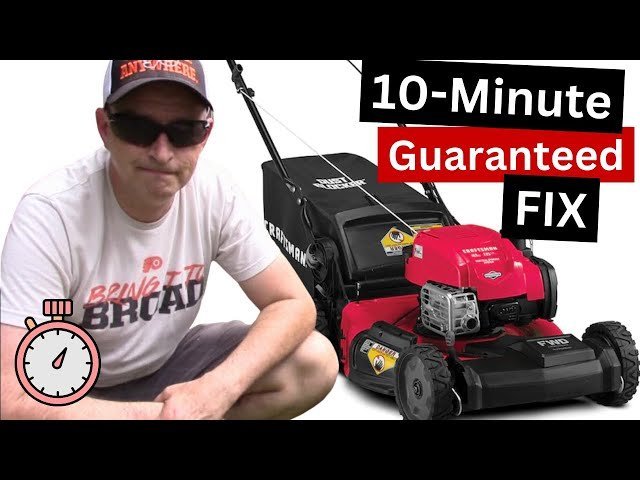
This fix is for mowers that lose power when cutting tall grass or emit black smoke during operation. A clean air filter is essential for proper engine combustion. Locate the air filter housing, usually found on the side of the engine, and release the clips or unscrew the cover. Remove the filter element and inspect it against a bright light; if you can’t see light through the material, it’s too dirty to function. If you have a foam filter, you can wash it with mild detergent and water, let it air dry, and lightly coat it with engine oil before reinstalling. If you have a paper pleated filter, don’t try to wash it. If it’s dirty, it must be replaced with an exact match for your engine model. This isn’t for people who want to save money by reusing damaged paper filters, as a torn filter allows grit into the cylinder and destroys the engine. If you’re unsure of the correct part number, check the engine model number printed on the engine shroud, not just the mower frame.
What not to do
- Don’t spray starting fluid into the air intake to force a cold start, as this can cause an engine kickback that damages the starter gear or the engine block.
- Don’t tip the mower onto its side with the air filter facing downward, because oil will flow into the carburetor and soak the filter, requiring an immediate replacement.
- Don’t attempt to bypass the seat safety switch or the blade engagement lever, as these are critical safety features that prevent the mower from operating in dangerous conditions.
How to stop it happening again
Regular maintenance is the most effective way to prevent downtime during the mowing season. Follow this schedule to keep your machine in peak condition.
| If you’re doing this | Do this instead | Why |
|---|---|---|
| Storing with old fuel | Add stabilizer | Prevents gummy deposits |
| Leaving battery in | Use a trickle charger | Maintains voltage levels |
| Letting grass build up | Clean under the deck | Prevents deck rust |
Frequently asked questions
Can I fix a mower that won’t start?
You can fix a mower that won’t start by checking the fuel, spark, and air. Most issues stem from stale fuel or a dead battery during storage. If these basics fail, check safety switches like the seat sensor or brake pedal before seeking professional help.
Why does my mower die when I engage the blades?
The engine dies when blades engage because the load exceeds current fuel or air intake levels. This often occurs if the throttle isn’t at maximum or the air filter is blocked. If the engine still stalls, check for debris wrapped around the blade spindle.
How long does a riding mower battery last?
A riding mower battery typically lasts three to five years, depending on off-season storage. Batteries left in the mower without a maintenance charger often fail prematurely due to sulfation. If the battery fails to hold a charge after a full day on the charger, replace it.
Is it safe to clean the mower deck with water?
No, you shouldn’t use a high-pressure washer on the engine or electrical components. Water can force its way into the air intake or connections, causing severe damage. If you must clean the deck, use a garden hose while the engine is off and the key is removed.
What happens if I use E85 fuel in my mower?
Using E85 fuel in a standard riding mower will damage fuel system components and cause poor engine performance. Most small engines are designed for gasoline with ten percent ethanol or less. If you accidentally added E85, drain the fuel system immediately and refill with the correct gasoline.
How often should I change the air filter?
You should change the air filter at least once every mowing season or every fifty hours of use. A clogged filter restricts airflow, forcing the engine to work harder and consume more fuel. Check your specific engine manual, as some high-capacity filters have different service requirements.
Final Thoughts
If your mower still won’t start after these checks, it’s time to consult your owner’s manual for specific engine diagrams. Don’t hesitate to reach out to a local repair shop if you’re feeling stuck. They’ll have the right tools to get your machine running smoothly so you can get back to mowing.
Related guides
- Troy Bilt Riding Mower Troubleshooting: Fix Common Problems in 2026
- Troy Bilt Riding Mower Troubleshooting: Simple Fixes That Work