
As an Amazon Associate, we earn from qualifying purchases. This post contains affiliate links – if you buy through them, we may earn a commission at no extra cost to you.
Your specific goals as a caregiver determine the best parenting books for school-age children. Some parents prioritize improving daily communication, while others seek strategies for emotional regulation or fostering independence. There’s no single universal guide; the right choice depends on whether you’re navigating behavioral challenges or simply looking to build a mindful relationship with your child. The options here split into two main groups: those focusing on the parent’s self-reflection and those offering direct, actionable tools for child behavior.
1. The Whole-Brain Child
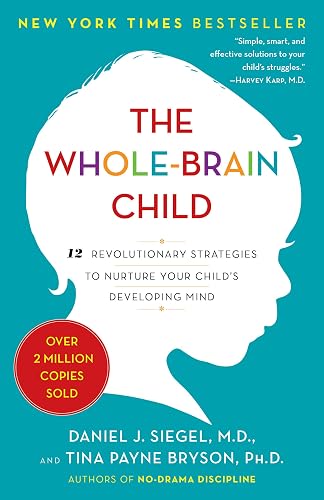
Best for: Parents who want to understand the science behind their child’s reactions.
This book helps you look at your child’s behavior through the lens of brain development. It provides strategies to help nurture a child’s mind during everyday moments of stress or big emotions. You’ll learn how to connect with your child’s brain to turn difficult situations into learning opportunities.
It focuses heavily on the neurological side of development. This isn’t for the parent who prefers a quick-fix behavioral checklist without the underlying explanation.
Good if:
- You enjoy learning about brain science.
- You want to move past simple discipline.
- You’re looking for long-term emotional growth.
Skip it if:
- You need instant, short-term solutions.
- You prefer a book without scientific concepts.
2. How to Talk So Kids

Best for: Improving daily communication and reducing power struggles at home.
Communication is the foundation of a healthy parent-child dynamic. This guide offers practical ways to speak so your children listen and listen so they feel understood. It aims to replace frustration with cooperation by changing how you phrase your requests and responses.
The book is built on the idea that language can transform the family atmosphere. It may not be the right fit if your primary concern is deep-seated behavioral intervention rather than daily verbal habits.
Good if:
- You want to stop yelling or nagging.
- You struggle with daily household cooperation.
- You want to build mutual respect.
Skip it if:
- You’re looking for medical advice.
- You prefer a focus on internal psychology.
3. Parenting with Love and Logic

Best for: Parents aiming to teach children personal responsibility and accountability.
This approach emphasizes allowing children to face the natural consequences of their choices. By doing this, you guide them to solve their own problems while you remain the supportive, loving authority figure. It shifts the burden of responsibility from the parent to the child.
The methodology requires a consistent, calm hand from the adult. It isn’t for the caregiver who struggles to step back and let a child face the results of their own mistakes.
Good if:
- You want to foster independence early.
- You’re tired of constant power struggles.
- You value clear, logical boundaries.
Skip it if:
- You struggle to watch your child fail.
- You want a more gentle, emotional focus.
4. The Self-Driven Child

Best for: Giving children more control over their own lives and choices.
This book argues that kids thrive when they feel they have agency in their own development. It uses science to explain how giving kids autonomy can reduce stress for both parent and child. It moves away from the “helicopter” style of parenting toward a more collaborative relationship.
The philosophy hinges on trusting your child’s capabilities. It isn’t for the parent who believes that constant oversight is the only way to ensure success.
Good if:
- You want to raise a self-motivated child.
- You’re interested in the balance of control.
- You want to lower stress in the home.
Skip it if:
- You prefer a more traditional, directive style.
- You worry about the risks of giving autonomy.
5. No-Drama Discipline

Best for: Handling meltdowns and chaos with a calm, nurturing approach.
Discipline often feels like a battle, but this book redefines it as teaching rather than punishment. It applies the principles of brain development to help you keep your cool during the most difficult moments. You learn to connect with your child before correcting their actions.
The goal is to maintain a strong connection while setting necessary limits. It isn’t for parents who prioritize strict, consequence-heavy discipline as their primary tool.
Good if:
- You want to end the cycle of yelling.
- You struggle with your own patience.
- You believe in teaching over punishing.
Skip it if:
- You prefer traditional reward-and-punishment systems.
- You need a strictly behavioral approach.
6. Brain-Body Parenting

Best for: Building resilience and raising joyful children by looking beyond behavior.
This book encourages you to stop managing the surface-level behavior and start looking at the internal state of the child. It helps you understand what the child is experiencing physically and emotionally. The result is a more resilient, connected relationship.
It requires a high level of patience and emotional awareness. This isn’t for the parent looking for a simple, step-by-step guide to force behavioral compliance.
Good if:
- You want to raise a resilient child.
- You want to understand the “why” behind actions.
- You prioritize emotional health over obedience.
Skip it if:
- You want a quick fix for behavior.
- You find deep emotional work draining.
7. Big Kids Bigger Feelings

Best for: Navigating emotional regulation in children who struggle with big moods.
Defiance and anxiety are common in school-age children, and this book provides a specific method to handle them. It focuses on the CEP method to help you stay connected while teaching your child to regulate their own emotions. It’s a roadmap for raising confident, connected kids.
The guidance is tailored to the complex emotional life of older children. It may be too specific for parents dealing with simple, age-appropriate transitions rather than deeper emotional regulation hurdles.
Good if:
- Your child struggles with meltdowns.
- You want to build emotional confidence.
- You’re open to a specific, structured method.
Skip it if:
- You prefer general parenting philosophy.
- Your child doesn’t show intense emotions.
8. The Explosive Child

Best for: Managing children who have significant difficulty with flexibility and frustration.
This book offers a new way to understand children who struggle with severe behavioral explosions. It moves away from traditional rewards and punishments, suggesting that children do well if they can. You learn to solve problems collaboratively rather than through imposition.
It’s highly specialized for challenging behaviors. This isn’t for the parent of a child who generally complies with simple requests and expectations.
Good if:
- You’re dealing with frequent outbursts.
- You want a collaborative problem-solving approach.
- You need a structured, non-punitive system.
Skip it if:
- You prefer a simple, conventional discipline style.
- Your child’s behavior is generally cooperative.
9. Raising Good Humans
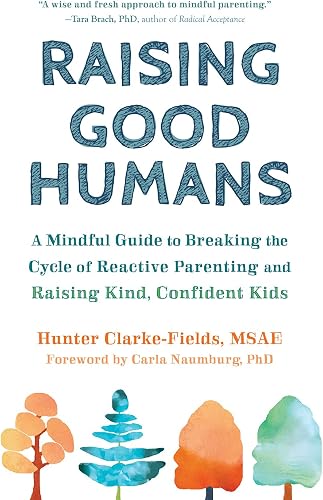
Best for: Parents who want to break the cycle of reactive, stressful parenting.
Mindfulness is the core of this guide, aimed at helping you stay calm even when your child is not. By understanding your own triggers, you can respond to your child with more kindness and less reactivity. It’s as much about the parent’s growth as it’s the child’s.
The book asks a lot of the parent in terms of self-monitoring. It isn’t for the person who wants a guide that focuses exclusively on changing the child’s habits.
Good if:
- You struggle with your own reactions.
- You want to practice mindful parenting.
- You value kindness as a key outcome.
Skip it if:
- You aren’t interested in personal self-reflection.
- You need a manual for child management only.
10. Parenting from the Inside Out

Best for: Deep self-reflection and understanding the impact of your past on your parenting.
This book explores how your own upbringing influences the way you raise your children. Self-understanding is the most important tool you have for helping your child thrive. It connects your internal world directly to the emotional development of your children.
The process is deep and sometimes difficult. It isn’t for the parent looking for a light, breezy read or a quick list of tips for the school morning routine.
Good if:
- You want to understand your own triggers.
- You’re interested in the psychology of parenting.
- You want long-term, internal growth.
Skip it if:
- You prefer practical, surface-level tips.
- You aren’t ready for deep self-analysis.
Where These Overlap
Many of these books share a common thread: the belief that the parent-child connection is the most important tool for guidance. The Whole-Brain Child, No-Drama Discipline, and Brain-Body Parenting all lean heavily on science to explain behavior, making them very similar in tone. If you’re looking for a scientific foundation, any of these will serve you well. Conversely, How to Talk So Kids and Parenting with Love and Logic are much more practical and tactical. You can choose between these two groups based on whether you want to understand the “why” or simply need a “how-to” for the next time your child acts out.
Still Not Sure?
What do I already own that this has to work with?
If you have a library of books on child development, you may want to avoid titles that repeat basic brain science. Instead, look for a practical guide like How to Talk So Kids. the listing doesn’t mention specific phrases or compatibility with other parenting styles.
How often will I really use it?
If you want a book that stays on your nightstand as a reference for daily meltdowns, No-Drama Discipline provides immediate, actionable steps. If you prefer a book that changes your overall mindset over the course of a year, Raising Good Humans is better for long-term growth.
What am I most likely to regret choosing?
You might regret choosing a book that’s too theoretical if your home is currently in chaos. If you need immediate help with explosive behavior, avoid the deep psychological dives like Parenting from the Inside Out and pick The Explosive Child instead to get the practical support you need right now.
Closing
Choosing between these books comes down to whether your priority is emotional connection or behavioral management. For those seeking a deeper understanding of their child’s internal world, The Whole-Brain Child is a strong starting point. For those needing immediate, practical tools to improve daily cooperation, How to Talk So Kids is the best next step.
Related guides
- 5 Best Bug Out Bag for Families: Our Top Rated Picks in 2026
- 10 Best Business Pricing Books for Strategy and Profit in 2026
- 10 Best Computer Systems Analysis Design Books for Mastery in 2026
Frequently Asked Questions
What does it ask of its owner week to week?
Most of these books require you to track your own emotional reactions and practice new ways of speaking. You’ll need to set aside time to reflect on your daily interactions rather than just reading the book once. Consistent practice is the key to seeing any real change in your home.
What has to be replaced, refilled or renewed to keep it working?
These books don’t require physical supplies, but they do require you to renew your patience and self-awareness constantly. The “refill” is your own commitment to the methods.
What happens when it’s outgrown or used up?
These guides are designed to evolve with your child. As they move from school age to adolescence, the strategies you learn—like mindful communication or collaborative problem-solving—remain relevant. You don’t outgrow the principles; you simply apply them to more complex situations as your child matures and gains more independence.
Would the more capable one on this list have suited me better?
A more “capable” book is simply one that matches your current parenting stage. If you choose a deep psychological text when you need a simple behavior guide, you may feel frustrated. Always match the book to your current, most pressing need—whether that’s managing daily chaos or building a deeper, long-term bond.
Final Thoughts
Choosing the right book is just the beginning of your journey. Pick one title that addresses your biggest current hurdle and read just a few pages tonight. You don’t have to change everything at once, but taking that first small step will help you feel more confident as your child grows.