
You can perform Dodge Ram transmission troubleshooting by checking fluid levels, monitoring shift patterns, and inspecting for leaks to identify mechanical or electronic issues. Low or dirty fluid is the most frequent cause of shifting delays, slipping, or rough engagement. If fluid appears dark or smells burnt, stop driving immediately to prevent damage.
Why this happens
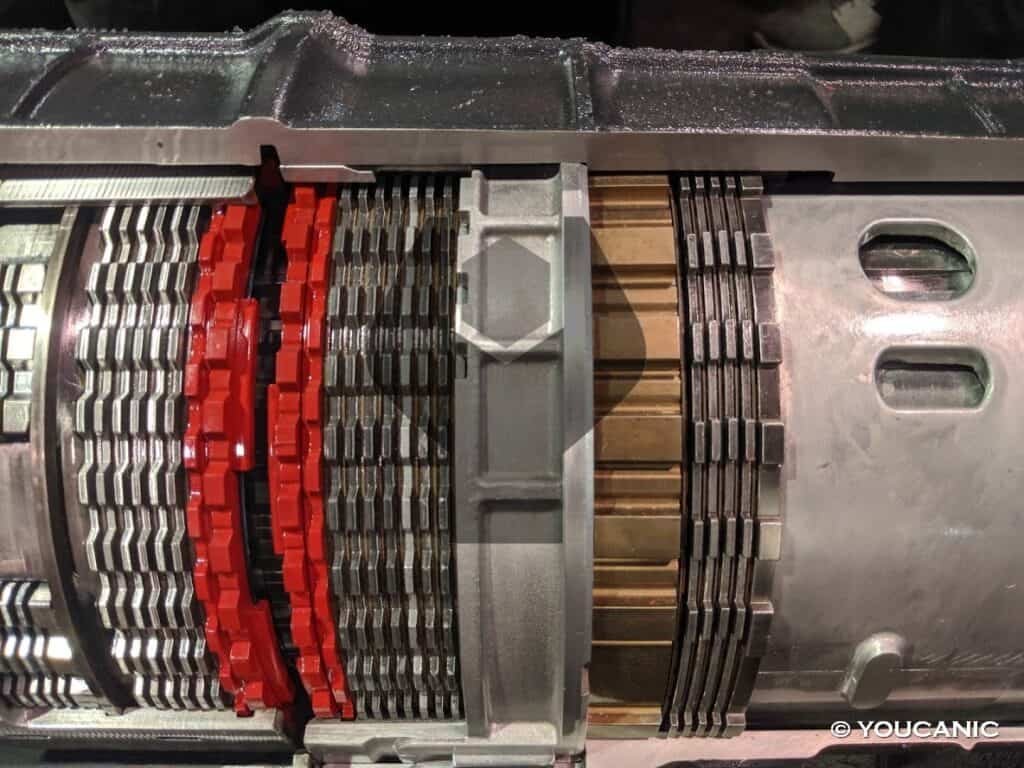
Transmissions fail primarily due to heat, fluid degradation, and electrical sensor malfunctions. Heat is the main enemy of a transmission, as it breaks down the additives in the fluid that help it lubricate internal parts and control hydraulic pressure. When the fluid loses its ability to cool the system, internal seals harden and fail, leading to leaks and pressure loss.
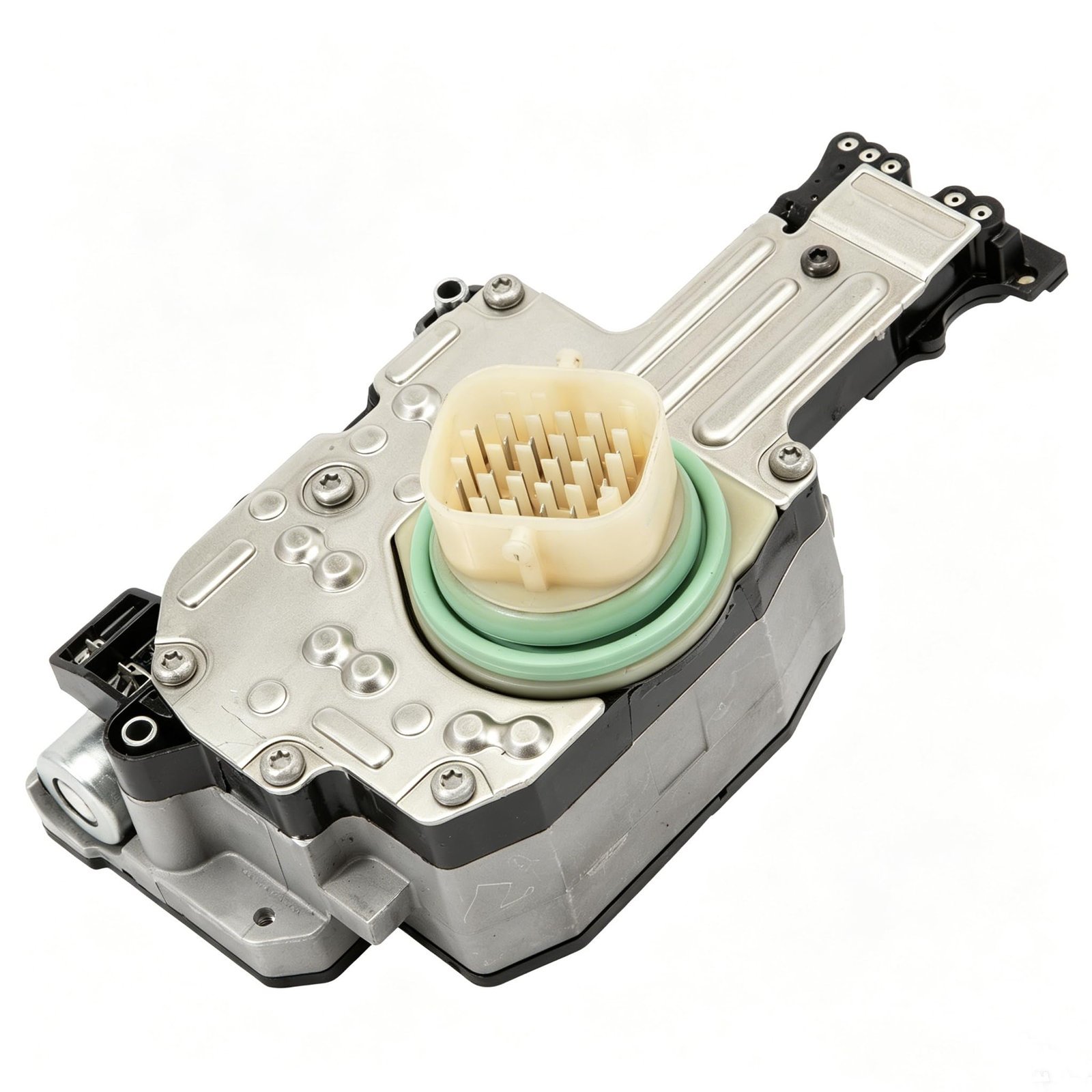
Another cause is electrical failure. Modern Dodge Rams rely on a complex network of solenoids and sensors to tell the transmission when to shift. If a speed sensor sends incorrect data, the computer may force the transmission into “limp mode,” which restricts the truck to a single gear to protect the internal components from further stress. This is a safety feature, not necessarily a sign of a terminal mechanical failure.
Finally, physical wear on the clutch packs or torque converter is common in high-mileage vehicles. Over time, the friction material on the clutch plates wears down, leaving debris in the fluid that can clog the filter or cause the valves to stick. If you ignore the signs of a slipping transmission, you risk a total mechanical breakdown that often requires a full rebuild. According to the National Highway Traffic Safety Administration recall database, certain older models had specific software or hardware issues that triggered shifting problems, so checking for official manufacturer notices is a wise first step before assuming you need a major repair.
Dodge Ram Transmission Troubleshooting: Fluid Issues
This fix is for owners experiencing delayed engagement or slipping gears. First, park on level ground, engage the parking brake, and let the engine reach its normal operating temperature. Locate the transmission dipstick, usually identified by a red or black handle in the engine bay. Pull it out, wipe it clean with a lint-free cloth, reinsert it fully, and pull it out again to check the level.
If the fluid is low, top it off using the exact type specified in your manual. Adding the wrong fluid or overfilling the reservoir can cause foaming, which leads to overheating and internal pump failure. If the fluid is brown or smells like burnt toast, the transmission has likely experienced significant heat stress, and a simple top-up won’t fix the underlying wear.
This isn’t for you if your truck has a sealed transmission with no dipstick; attempting to force fluid into a sealed unit without the proper specialized equipment can introduce contaminants. If the fluid level is correct but the shifting remains harsh, the issue is likely electronic or internal, and you should seek a professional technician. Always remember that a transmission is a closed hydraulic system; if you see fluid on your driveway, you have a leak that needs immediate attention from a mechanic to avoid running the unit dry.
Reset the electronic system
This fix targets trucks that exhibit erratic shifting or get stuck in a single gear, often caused by a “glitch” in the powertrain control module. To perform a hard reset, disconnect the negative battery terminal and leave it disconnected for at least fifteen minutes. This clears the temporary memory in the computer.
After waiting, reconnect the terminal and start the engine. Let the truck idle for five minutes before driving. During this time, the computer will recalibrate its shift points. This is a common fix for minor electronic interference. If the “Check Engine” light remains on or the transmission immediately returns to limp mode, the problem is likely a faulty sensor or solenoid.
This fix isn’t for you if your truck has a persistent mechanical noise, such as grinding or clunking during gear changes, as these symptoms indicate physical damage that a computer reset can’t repair. If the reset fails to restore normal operation, don’t continue to force the transmission to shift, as this can destroy the clutch packs. You’ll need a professional with a diagnostic scanner to read specific transmission error codes.
Inspect external components
This fix is for cases involving leaks or physical vibration. Check the area under your truck for red or brown fluid. If you find a leak, trace it to see if it’s coming from the transmission pan gasket, the cooler lines, or the tail shaft seal. Tightening a loose pan bolt can sometimes stop a minor drip, but never overtighten these bolts, as this can warp the pan and make the leak worse.
If you feel a vibration while accelerating, inspect the transmission mount. If the rubber is cracked or separated from the metal bracket, the transmission will move excessively, causing harsh shifts and driveline noise. Replacing a mount is a moderate repair that requires a floor jack and basic hand tools.
When you’re unsure if the vibration is coming from the transmission or the driveshaft, consult a professional. If you lack the tools to safely lift and secure the truck, don’t attempt to crawl underneath. Working under a vehicle without proper jack stands is dangerous. A professional shop can perform a “stall test” or a pressure test to confirm if the issue is internal or external. It’s better to pay for a diagnostic fee than to risk a catastrophic failure or personal injury.
What not to do
- Don’t flush a high-mileage transmission that has never been serviced. This can dislodge sludge and debris, causing them to block the valve body and immediately kill the transmission.
- Don’t add “transmission fix” additives or seal conditioners. These chemicals are often temporary fixes that hide deeper mechanical wear and can clog the fine filters inside the valve body.
- Don’t ignore a “Check Engine” or “Transmission Overheat” warning light. These lights indicate that the computer has already detected a fault, and continuing to drive will cause permanent damage to the internal clutch material.
- Don’t shift into reverse or park while the truck is still moving. This puts massive physical stress on the parking pawl and internal gear sets, which can cause an immediate and expensive mechanical failure.
How to stop it happening again
Regular maintenance is the most effective way to prevent premature transmission failure. Use the following guide to keep your system in good condition.
| If you’re doing this | Do this instead | Why |
|---|---|---|
| Ignoring warning lights | Scan for codes immediately | Early detection prevents total failure |
| Towing in “Overdrive” | Use “Tow/Haul” mode | Reduces heat buildup in the torque converter |
| Driving through deep water | Check fluid for signs of water | Water destroys internal friction materials |
| Resting hand on the shifter | Keep hands on the wheel | Pressure can cause premature wear on linkages |
Frequently asked questions
Can I fix a slipping transmission myself?
No, you can’t fix a slipping transmission yourself if the cause is worn clutch packs or internal hydraulic failure. These issues require complete disassembly of the transmission housing, which demands specialized tools and expertise. You should only attempt to check fluid levels or inspect for external leaks.
Why does my transmission shift hard when cold?
A hard shift when cold is often caused by old, thick fluid or a faulty temperature sensor. Cold fluid flows slowly through the valve body, causing abrupt shifts until the transmission reaches operating temperature. If harsh shifting persists after the engine warms up, the issue is likely a failing solenoid.
How long can I drive with a transmission leak?
You shouldn’t drive with a transmission leak because even minor fluid loss can cause internal components to overheat and fail. Transmissions require fluid for lubrication and hydraulic pressure; low levels lead to rapid burning of clutch material. You may add fluid to reach a repair shop, but avoid daily driving.
Is it safe to drive in limp mode?
It isn’t safe to drive in limp mode for long distances or at highway speeds, as this mode is intended only to reach a safe location. The computer locks the transmission into a single gear to prevent further damage, which limits acceleration. Have the vehicle towed if the issue persists.
What happens if I overfill the transmission fluid?
Overfilling transmission fluid causes it to become aerated or foamy, preventing the hydraulic system from operating correctly. Rotating gears whip air into the fluid, creating bubbles that lead to erratic shifting and overheating. You must remove excess fluid before driving to avoid damaging internal seals and clutch packs.
Final Thoughts
If these basic checks don’t solve your concerns, it’s time to consult a trusted mechanic. Don’t wait for a small problem to turn into a costly repair bill. Getting a professional diagnostic scan today will give you peace of mind and help keep your truck running smoothly for many miles ahead.