
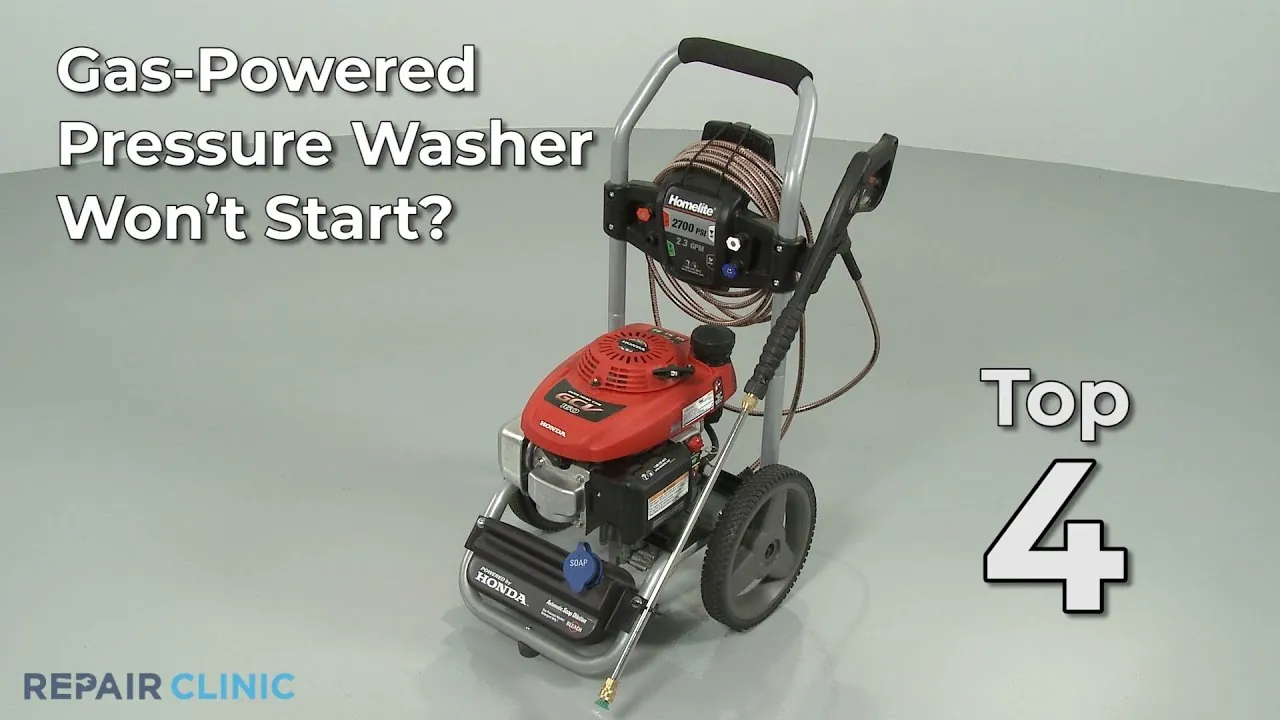
It’s incredibly frustrating when you’re ready to tackle a weekend cleaning project only to find that your craftsman pressure washer wont start. Whether you’re dealing with a stubborn pull cord, an engine that coughs and dies, or a complete lack of response from the ignition system, the problem usually stems from a few common mechanical or fuel-related issues. By systematically checking the fuel quality, spark plug integrity, and airflow, you can often restore your machine to full working order without needing a professional mechanic.
Key Takeaways
- Old or contaminated gasoline is the leading cause of starting failures in small engines.
- A fouled or disconnected spark plug prevents the engine from achieving combustion.
- Air filters clogged with debris restrict oxygen flow, causing the engine to stall or fail to ignite.
- Pressure buildup in the hose can prevent the engine from turning over during the initial pull.
- Regular maintenance, such as seasonal oil changes, significantly extends the service life of your equipment.
Safety: Inside a mains-powered machine, the parts behind the outer cover can hold a dangerous electrical charge even after it has been unplugged — that’s why they sit behind a cover. Opening the housing, or testing or replacing anything behind it, is a job for a qualified technician, never a home repair.
Why Is My Pressure Washer Failing?
When your pressure washer refuses to run, the issue usually falls into one of three categories: fuel delivery, ignition failure, or mechanical resistance. Because these machines often sit idle for months, the gasoline degradation process is the primary culprit.
Ethanol-blended fuels can absorb moisture and gum up the carburetor, preventing the engine from drawing the fuel it needs to operate. Before tearing the engine apart, always check the simplest components first, such as the kill switch position and the fuel shut-off valve.
Troubleshooting a Craftsman Pressure Washer That Wont Start
The fuel system is the lifeline of your engine. If you left fuel in the tank over the winter without adding a stabilizer, the volatile components of the gasoline have likely evaporated, leaving behind a sticky residue. This residue blocks the tiny jets inside the carburetor.
Steps for Fuel System Verification
- Drain the old fuel from the tank completely.
- Inspect the fuel lines for any cracks, leaks, or signs of dry rot.
- Fill the tank with fresh, high-octane gasoline.
- If the machine still doesn’t start, the carburetor may require cleaning or replacement.
| Fuel Component | Potential Issue | Recommended Action |
|---|---|---|
| Fuel Tank | Stale gasoline | Drain and refill with fresh fuel |
| Fuel Line | Blockage or crack | Replace damaged hose segments |
| Carburetor | Gunked-up jets | Clean with aerosol carburetor cleaner |
| Shut-off Valve | Closed position | Ensure lever is in the “Open” position |
Checking the Spark Plug
The spark plug provides the electrical arc necessary to ignite the air-fuel mixture. If the plug is covered in carbon deposits, is wet with oil, or has a cracked ceramic insulator, it will fail to produce a strong enough spark.
To inspect it, use a spark plug socket to remove the component from the cylinder head. A healthy plug should have a light tan or gray color on the electrode. If it’s black or heavily coated, it should be replaced immediately.
Warning: Always disconnect the spark plug wire before performing any maintenance on the engine to prevent accidental starting while your hands are near the blade or pump components.
Air Intake and Filtration
An engine is essentially an air pump; if it can’t breathe, it can’t run. A dirty air filter acts like a mask on a runner, starving the engine of the oxygen required for combustion. Most Craftsman models utilize a foam or paper air filter element. Foam filters can often be washed with warm soapy water, dried, and lightly oiled, while paper filters must be replaced once they become discolored or clogged with dust and debris.
Addressing Internal Pressure Buildup
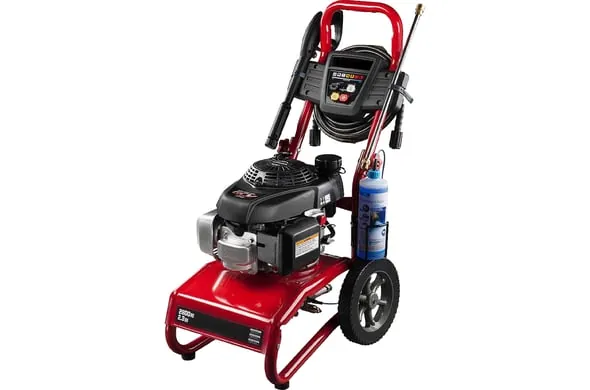
Sometimes, the engine is perfectly healthy, but the pump is creating too much resistance. If you attempt to start the pressure washer while the system is already under pressure, the engine may feel like the pull cord is locked or extremely difficult to move. This is known as hydraulic lock or excessive backpressure. Always pull the trigger on your spray wand while you pull the starter rope to release the pressure from the hose.
Safety and Engine Maintenance
Proper maintenance is the best defense against future starting failures. Keep your engine oil at the recommended level, as low oil can trigger a low-oil sensor that prevents the engine from starting to protect the internal components from friction damage.
How to Clean the Carburetor
If you have confirmed that fuel is reaching the carburetor but the engine still won’t fire, the internal passages may be blocked. You can purchase a carburetor rebuild kit that includes new gaskets and needles. Use a specialized carburetor cleaner spray to blast through the small ports. Be careful not to lose the tiny springs or O-rings when disassembling the housing, as these are critical for the correct air-to-fuel ratio.
Understanding Engine Oil Levels
Small engines are sensitive to oil levels. Many modern pressure washers feature a low-oil shutdown sensor that disables the ignition system if the oil level drops below a certain threshold. If you have recently tilted the machine for transport or cleaning, the oil may have pooled in the wrong area, tricking the sensor. Keep the machine on level ground and check the dipstick to ensure the oil is within the designated operating range.
Inspecting the Recoil Starter
The recoil starter assembly is the mechanism that spins the engine to start it. If you pull the cord and it feels loose, or if it doesn’t retract, the internal spring or the starter pawl may be damaged.
A broken recoil spring is a common mechanical failure. While these can sometimes be repaired, many users find it more efficient to replace the entire recoil starter housing, which is usually held in place by three or four bolts on the front of the engine.
| Starting System | Common Symptom | Fix |
|---|---|---|
| Pull Cord | Cord is limp or won’t retract | Replace recoil starter assembly |
| Spark Plug | No spark during test | Replace plug or ignition coil |
| Kill Switch | Engine won’t turn over | Test switch for continuity |
| Battery (Electric) | Clicking noise | Recharge or replace battery |
When to Seek Professional Help
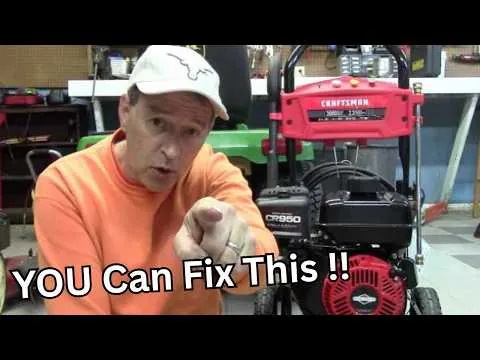
If you have replaced the spark plug, cleaned the carburetor, verified the fuel quality, and checked for electrical continuity, but the machine remains unresponsive, the issue may be internal. Potential problems include a blown head gasket, low compression due to worn piston rings, or a sheared flywheel key.
These repairs require specialized tools and mechanical expertise. If your machine is still under warranty, contact the manufacturer or an authorized service center before attempting these deeper repairs, as DIY work can sometimes void your coverage.
Related guides
Frequently Asked Questions
How long does gas stay good in a pressure washer?
Gasoline typically begins to degrade within 30 days if it contains ethanol. If you plan to store your pressure washer for more than a month, always add a fuel stabilizer to the tank or drain the system completely. Using fuel that has sat for several months is the most common reason engines fail to start after the off-season.
Should I use premium or regular gas?
Most pressure washer manufacturers recommend using fresh, unleaded gasoline with an octane rating of 87 or higher. Avoid using fuels with an ethanol content higher than 10 percent (E10), as higher concentrations can damage the fuel lines and carburetor components over time. Always check your specific owner’s manual to confirm the octane requirements for your engine model.
Why is there oil in my air filter?
Oil in the air filter is often caused by overfilling the oil reservoir or tilting the pressure washer too far during transport. When the machine is tilted incorrectly, oil can migrate into the breather tube and soak the air filter element. To fix this, clean or replace the filter and ensure your oil level isn’t exceeding the “Full” mark on the dipstick.
Is it safe to use starting fluid?
Starting fluid, or ether, can be used sparingly to diagnose a fuel delivery issue. If the engine fires briefly when you spray a small amount into the air intake, it confirms that the engine has spark and compression but isn’t receiving fuel. However, avoid relying on starting fluid, as it can be harsh on small engine components and may cause damage if used excessively.
What causes the pull cord to be hard to pull?
A hard-to-pull cord is usually caused by backpressure in the pump. Always hold the spray wand trigger open while pulling the starter rope to relieve the pressure trapped in the hose. If the cord remains difficult to pull even with the trigger open, the engine may have internal damage, such as a seized piston or a failing pump bearing.
Conclusion
To get your machine running again, start by draining any old fuel and replacing it with fresh gasoline, as this resolves the majority of starting issues. If it still fails to ignite, inspect the spark plug for fouling and ensure the air filter is clean. Once you have cleared these basic hurdles, you’ll likely find that your pressure washer is ready for work.