
When your dryer is making a squeaking noise, it can be a sign of simple wear or a more serious mechanical failure brewing inside the cabinet. Most homeowners notice this sound as a high-pitched chirping or a rhythmic metallic scraping that persists throughout the entire drying cycle. While it’s tempting to ignore the sound if the machine is still producing heat and tumbling clothes, persistent friction often leads to overheating or component failure. Fixing this issue early can save you from a complete breakdown, with professional repair costs typically ranging from $150 to $450 depending on the specific part and labor rates in your region. Addressing the sound promptly prevents secondary damage to the drum or the motor assembly.
Key Takeaways
- Unplug the dryer from the power source before removing any panels to perform an inspection.
- Check the drum rollers first, as these are the most common culprits for persistent squeaking.
- Inspect the drive belt for fraying or cracks, which can cause intermittent chirping sounds.
- Use a vacuum to remove lint buildup, as excess debris can create friction and fire hazards.
- Verify that your dryer is level on the floor to prevent unnecessary stress on internal components.
Why Is Your Dryer Squeaking?
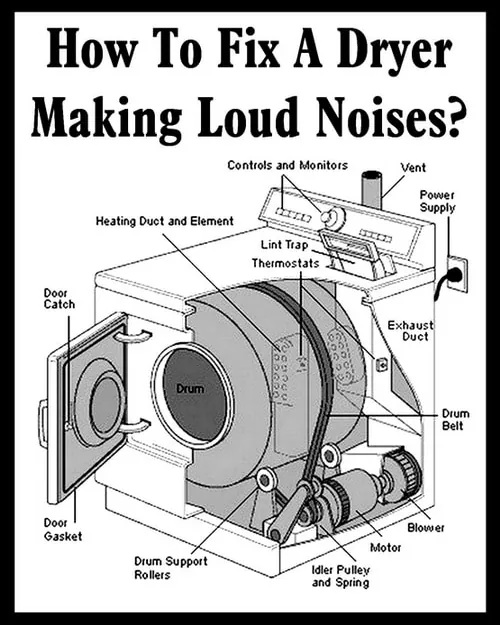
The most common cause for a rhythmic squeak is the failure of the drum support rollers. These small wheels allow the heavy drum to rotate smoothly. Over time, the lubricant inside the bearings dries out or the rubber coating wears down, resulting in a metal-on-metal screeching sound. Another frequent offender is the idler pulley, which maintains tension on the drive belt. If the pulley bearing seizes or becomes misaligned, it will squeal loudly as the belt slides over it.
| Component | Common Squeak Type | Difficulty of Repair |
|---|---|---|
| Drum Rollers | Rhythmic, high-pitched | Moderate |
| Idler Pulley | Constant, screeching | Moderate |
| Drive Belt | Chirping, intermittent | Easy |
| Blower Wheel | Whistling, metallic | Hard |
| Motor Bearing | Grinding, deep hum | Very Hard |
Inspecting Drum Rollers When Dryer Is Making a Squeaking Noise
If the squeak happens only when the drum is rotating, the drum rollers are the primary suspects. These rollers are located at the rear or front of the dryer, depending on your model. You must disassemble the outer cabinet to reach them. Once you access the rollers, attempt to spin them by hand. If they feel gritty, don’t spin freely, or show visible signs of flat spots on the rubber, they must be replaced.
Warning: Always ensure the dryer is disconnected from the power supply or gas line before opening the cabinet to prevent accidental shock or gas leaks.
How to Check the Drive Belt
The drive belt wraps around the drum and provides the traction needed for rotation. If the belt is old, it may become glazed or frayed, causing it to slip and create a chirping noise.
Inspect the belt for any signs of cracking or missing chunks of rubber. If the belt is loose, it might be a sign that the idler pulley spring has lost its tension. Replacing the belt is a routine maintenance task that often solves minor noise issues immediately.
Is the Idler Pulley Failing?
The idler pulley is a small wheel that keeps the drive belt tight. Because this part moves constantly while the dryer is running, the bearing inside often wears out. When the bearing fails, it creates a very distinct, sharp squeak. To test this, remove the belt from the pulley and spin it with your finger. If it makes a noise or wobbles, it’s time for a replacement.
Signs of Pulley Wear
- The pulley shows side-to-side play when pushed.
- There’s a visible buildup of belt dust around the pulley shaft.
- The sound changes intensity when the dryer load is heavier.
Examining the Blower Wheel
The blower wheel is responsible for pushing air through the dryer and out the vent. If a small object like a coin, a button, or a loose screw falls into the blower housing, it can strike the fins of the wheel. This creates a rapid clicking or metallic squeaking sound. Furthermore, if the blower wheel itself is cracked or loose on the motor shaft, it will create a whistling or high-pitched squeal.
Dealing With Motor Bearings
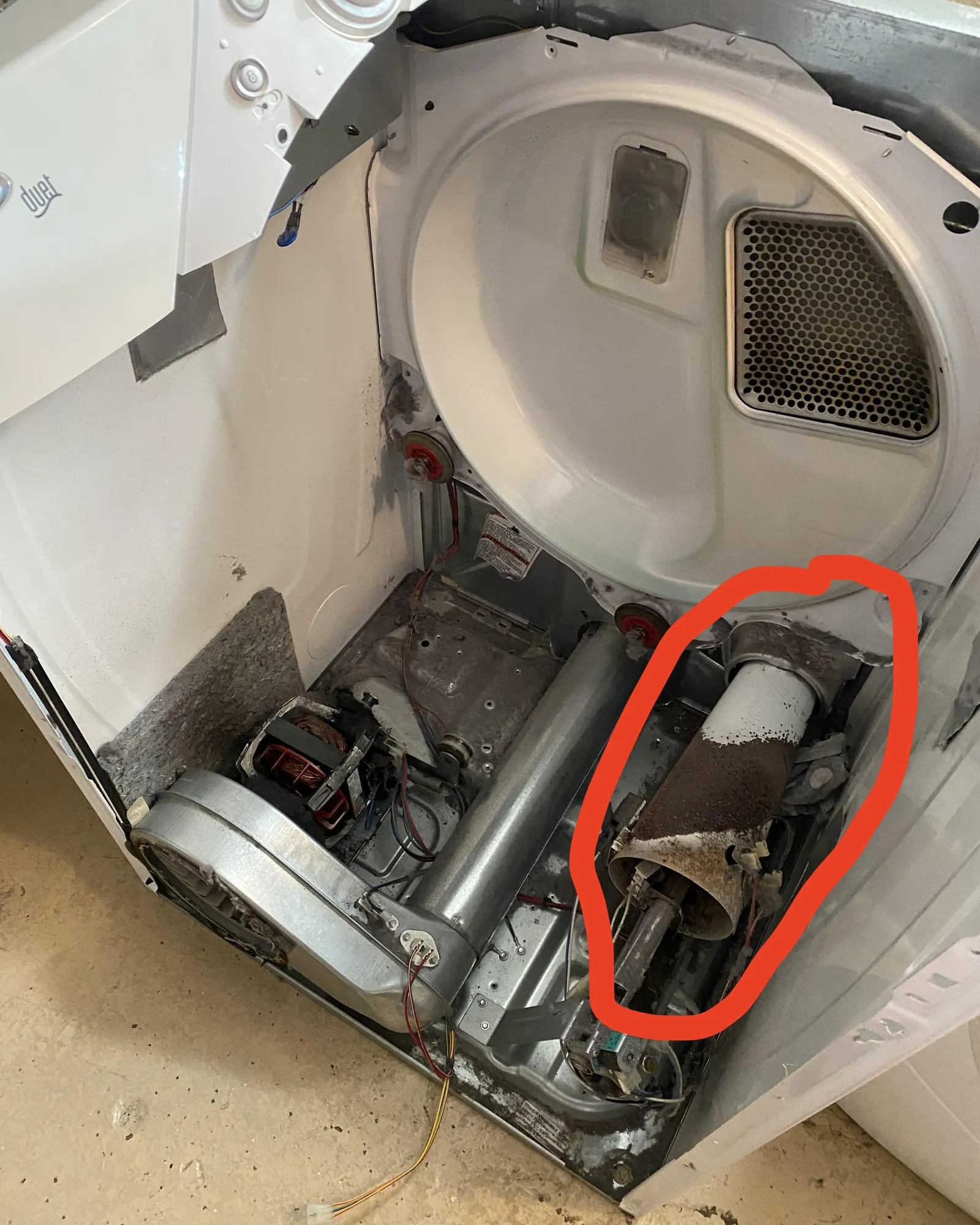
A worn motor bearing is the most serious issue. If the squeaking sounds more like a deep, metallic grinding or a low-frequency hum, the motor might be failing. This is often the most expensive component to replace. Before assuming the motor is dead, ensure that the noise isn’t coming from the blower wheel or the rollers, as these are much cheaper to fix. If the motor is the source, it’s often better to consult a professional technician.
Does Leveling the Dryer Help?
Sometimes, a squeak isn’t caused by a broken part, but by an uneven installation. If the dryer isn’t perfectly level, the drum can shift, causing it to rub against the internal cabinet seals or the front bulkhead. This creates a persistent friction noise. Use a bubble level on top of the dryer to verify it’s even.
Adjust the leveling legs at the bottom of the unit until the machine is stable on all four corners. According to the United States Consumer Product Safety Commission, keeping the area around the dryer clear of lint and debris is essential for safe operation and helps prevent mechanical strain.
Essential Tools for Repairs
To perform these repairs safely and efficiently, you should have the right equipment on hand. Attempting to force panels open with improper tools can damage the finish or cause injury.
- Nut driver set (1/4 inch and 5/16 inch are standard).
- Needle-nose pliers for manipulating springs.
- Work gloves to protect your hands from sharp metal cabinet edges.
- Vacuum with a crevice tool to clean the interior.
- Flashlight to inspect deep inside the drum housing.
Cleaning the Interior Components
A buildup of lint is a common contributor to friction. As lint accumulates, it can get into the rollers and pulleys, causing them to clog and seize. Use a vacuum to thoroughly clean the interior of the cabinet, the blower housing, and the area around the motor. Removing this debris not only quiets the machine but also significantly reduces the risk of a dryer fire.
Pro Tip: While you have the dryer open, take the opportunity to vacuum the lint trap housing and the internal ductwork to improve overall airflow efficiency.
How to Lubricate Parts Safely
Some homeowners attempt to fix a squeak by spraying lubricant on the rollers or bearings. This is generally a temporary fix that can actually make the problem worse. Oil and grease attract lint, which creates a sticky, abrasive paste that accelerates the wear of the bearing. If a part is squeaking, it’s usually because the internal seal of the bearing has failed, meaning it needs to be replaced rather than lubricated.
Troubleshooting Schedule
| Maintenance Task | Frequency | Expected Benefit |
|---|---|---|
| Clean Lint Filter | Every Load | Improved airflow |
| Level Dryer Legs | Annually | Reduced vibration |
| Vacuum Cabinet Interior | Every 6 Months | Less friction on parts |
| Inspect Belt/Rollers | Every 2 Years | Prevention of breakdowns |
Related guides
Frequently Asked Questions
Is it safe to keep using a squeaky dryer?
It isn’t recommended to use the dryer if the noise is loud or changing in pitch. A squeak indicates friction, which generates heat. Excessive heat can damage the drum, melt internal components, or even lead to a fire if lint ignites near the friction point. It’s best to troubleshoot and resolve the noise before continuing to use the appliance regularly.
Can I fix a squeaky dryer myself?
Yes, many homeowners can perform these repairs. Replacing rollers, belts, and pulleys typically requires basic hand tools and a bit of patience. However, if the issue involves the motor or electrical wiring, it’s safer to hire a professional. Always consult your owner’s manual for specific disassembly instructions, as every dryer model has a different cabinet configuration that you must follow.
What is the average repair cost?
The cost depends on the part. DIY repairs for belts or rollers usually cost between $25 and $80 for parts. If you hire a professional, expect to pay between $150 and $450 for the total service, which includes labor and parts. Prices vary based on your location and the complexity of accessing the internal components in your specific dryer model.
How do I know if it’s the belt or a roller?
To distinguish between the two, listen closely to the rhythm. A belt often makes a rhythmic, chirping sound that matches the speed of the drum rotation. Drum rollers usually create a more consistent, low-pitched squeal or grinding sound. If the noise persists even when the drum is empty, it’s almost certainly a mechanical component like a roller or pulley rather than the belt.
Should I replace all rollers at once?
Yes, it’s highly recommended to replace all drum rollers as a set, even if only one seems to be making noise. Since all rollers have been subjected to the same amount of wear and tear, the others will likely fail shortly after the first one. Replacing them as a complete kit ensures the drum remains balanced and prevents you from having to disassemble the dryer again.
Conclusion
Perform a quick check by spinning the drum by hand while the dryer is unplugged; if you hear the squeak, you have confirmed the source is mechanical rather than electrical. If the sound is persistent, order the specific replacement parts for your model number immediately. Taking the time to replace worn rollers or a stretched belt now will extend the life of your dryer by several years.