
If your appliance stops cooling or makes strange noises, you can use a whirlpool fridge troubleshooting guide to identify the most likely fixes before calling for help. Most issues stem from simple problems like blocked air vents, dirty condenser coils, or a door that doesn’t seal tightly. When you notice a change in temperature, check the internal settings and the door seals first. These common issues account for the majority of service calls that don’t require professional repair.
Troubleshoot your Whirlpool fridge cooling issues
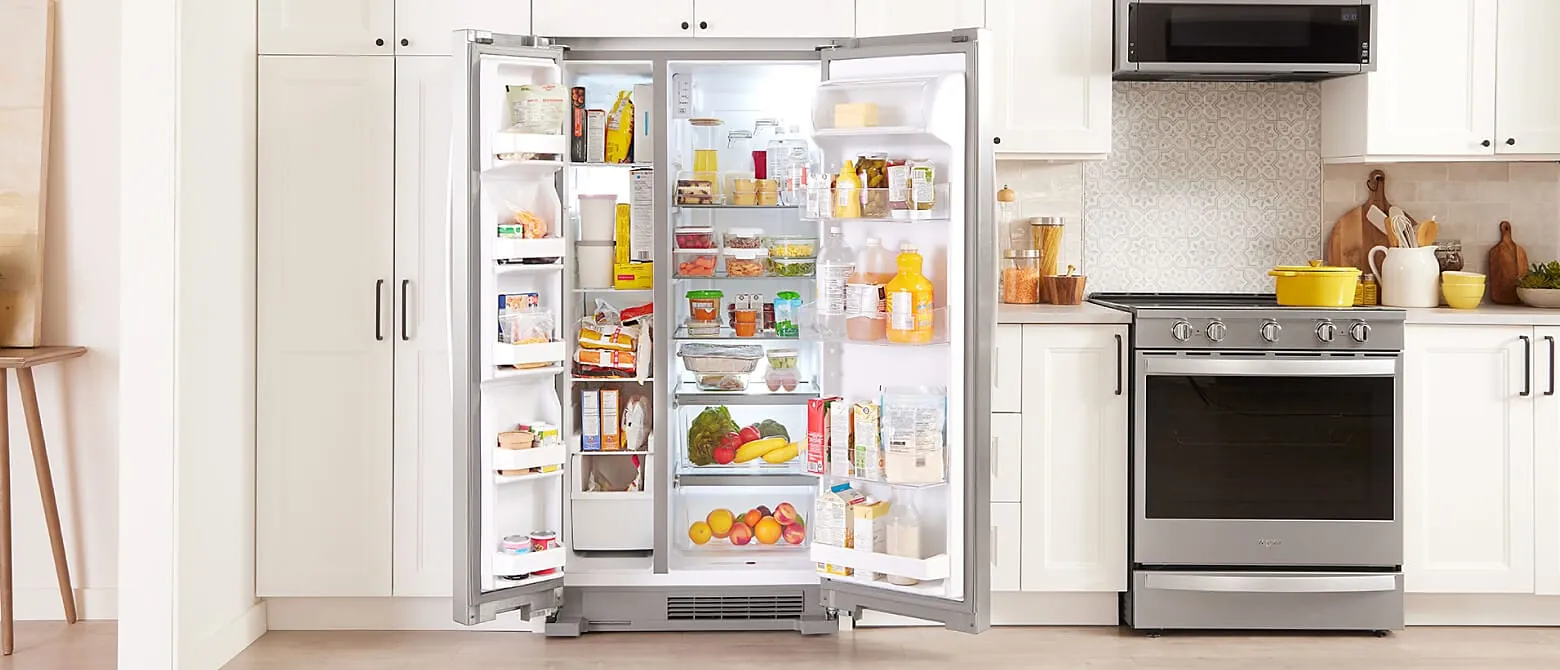
When your refrigerator stops keeping food cold, the problem is usually related to airflow or heat exchange. A refrigerator works by moving heat from the inside to the outside through a series of coils. If these coils are covered in dust or pet hair, the system can’t release heat efficiently, which causes the internal temperature to rise. You should check the condenser coils located at the back or bottom of the unit every six months.
Another common cause is restricted airflow inside the fridge or freezer compartments. If you pack food items directly against the air vents, the cold air can’t circulate properly. This leads to uneven cooling or frost buildup on the evaporator coils.
If you see frost, the defrost system might be struggling. According to the U.S. Department of Energy, keeping your refrigerator in a cool, dry area away from heat sources like ovens or direct sunlight will improve its efficiency and reduce the strain on the cooling system.
If the internal temperature remains high despite these checks, the door gasket might be worn out. A loose seal allows warm, humid air to enter the cabinet constantly. This forces the compressor to run longer than it should, which increases your energy bill and puts unnecessary wear on the motor. Check your seal by closing the door on a piece of paper; if you can pull the paper out easily, the seal is likely too loose.
Clean the condenser coils to restore cooling
If your fridge is running constantly but struggling to stay cold, cleaning the condenser coils is the most effective first step. This fix is for homeowners who have a unit with visible coils at the back or behind a toe-grille at the bottom. You’ll need a vacuum with a brush attachment and a long, thin coil cleaning brush.
To perform this, first unplug the refrigerator for your safety. Locate the coils, which look like a metal grid. Gently vacuum away the dust and debris that has built up over time. Use the long brush to reach between the coils, being careful not to bend the delicate metal fins. Once the coils are clear, vacuum the floor underneath the unit to ensure no dust gets sucked back into the system.
After cleaning, plug the unit back in and allow it to run for 24 hours to stabilize the temperature. You’ll know this worked if the compressor cycles off periodically rather than running non-stop. If you have a built-in model with a sealed condenser system, don’t attempt to open the housing to clean the coils yourself. In that case, contact a professional technician, as they have the specific tools to access and clean these internal components safely.
Clear the air vents to improve circulation

Uneven cooling often happens when food packages block the cold air supply. This fix is for anyone noticing that items in the back are freezing while items in the front are warm. You don’t need any tools for this, only your hands and a bit of organization.
Start by inspecting the interior of both the freezer and the refrigerator sections. Look for the air vents, which are typically located on the back wall or near the top of the compartment. If you find food items, boxes, or large containers pushed directly against these openings, pull them back at least two inches. This gap is necessary for the fan to push cold air throughout the entire space.
After rearranging your items, monitor the temperature for a few hours. If the airflow is restored, you’ll notice a more consistent temperature across all shelves. If you still have cold spots or warm areas after clearing the vents, the internal damper or the evaporator fan might be failing.
Since these components are electrical, this is the point where you should stop and call a professional. Never attempt to remove the plastic panels covering these fans, as you risk damaging the internal wiring or the air distribution system.
Check the door seals for air leaks
If your fridge feels warm or you see condensation inside the door, the gasket might be failing to hold a vacuum. This fix is for anyone noticing that the door feels loose or does not “snap” shut when pushed. You can test the integrity of the seal using the paper test mentioned earlier.
Move the paper around the entire perimeter of the door. If you find any spots where the paper slides out without resistance, the gasket is likely damaged or warped. You can often fix a minor warp by cleaning the gasket with warm water and a mild detergent. After cleaning, apply a very thin layer of petroleum jelly to the rubber to help it stay supple and create a better seal.
If the gasket is torn or cracked, you’ll need to order a replacement part specific to your model number. Replacing a gasket is a standard task, but it requires patience to ensure the new one sits flush. If you aren’t comfortable with minor repairs or if the door itself is sagging, call a professional. A door that isn’t aligned properly can lead to persistent cooling issues and may indicate a problem with the hinges that requires specialized tools to adjust.
Avoid common mistakes with your refrigerator
Many people try to “fix” a cooling problem by adjusting the temperature dial to the coldest setting. This is a mistake that often makes the situation worse by forcing the compressor to work harder without solving the root cause of the airflow blockage.
- Don’t place heavy items on the top shelf near the vent: This blocks the primary airflow path and causes the rest of the fridge to warm up.
- Don’t use sharp tools to chip away frost: This can puncture the thin metal of the evaporator coils, which causes a leak of refrigerant that effectively ruins the entire cooling system.
- Don’t ignore a clicking or buzzing sound: These noises often come from the compressor or a fan motor that’s failing; waiting too long can lead to a total system breakdown.
- Don’t leave the door open while deciding what to eat: Every second the door is open, the interior loses cold air, forcing the system to work for several minutes to regain the set temperature.
- Don’t attempt to replace electrical components yourself: If the issue involves the control board, start relay, or wiring, call a professional to avoid the risk of electrical shock or fire.
Prevent future cooling problems
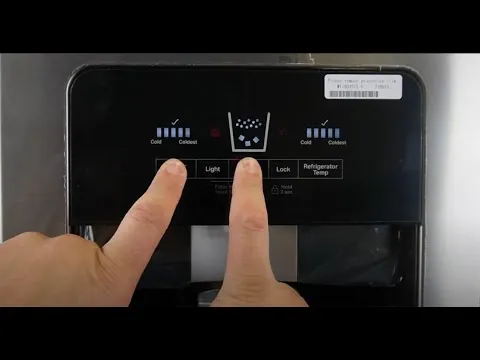
Maintaining your refrigerator requires a few simple habits that keep the motor and cooling system running efficiently. The most important change is to stop treating the appliance like a storage locker and start treating it like a precision machine that needs room to breathe.
If you’re pushing food against the back wall, leave 2 inches of space. This gap allows cold air to circulate freely. Without this clearance, the thermostat will misread the temperature, causing the compressor to cycle constantly.
Vacuum the condenser coils every 6 months. Dust acts as an insulator, forcing the motor to work twice as hard to reach the same temperature. If you have pets, perform this task every 3 months to prevent hair buildup from clogging the intake.
Check for loose items if you find yourself forcing the door shut. A crushed gasket creates a microscopic air leak that forces the unit to fight against ambient humidity. If you feel a slight resistance when pulling the door open, your seal is healthy.
Use only mild soap and water for cleaning. Harsh chemicals degrade the plastic liner, leading to brittle cracks that harbor bacteria.
Finally, never ignore unusual buzzing. A small motor issue caught early costs a service call; left alone, it inevitably leads to a complete compressor failure.
Related guides
- Whirlpool Wrv986fdem01 Troubleshooting: Fix Cooling Failures in 2026
- Whirlpool Wdta50sahz0 Troubleshooting: Fix Common Drain Issues in 2026
- Whirlpool Wtw5057lw0 Troubleshooting: 2 Fixes for Common Errors in 2026
Frequently asked questions
How long should a refrigerator stay cold after a power outage?
A refrigerator keeps food cold for 4 hours if the door remains closed during a power outage. If the power stays out longer, move perishable items to a cooler with ice. Discard items if the internal temperature rises above 40°F for more than two hours.
Why is my refrigerator leaking water on the floor?
Water on the floor is usually caused by a clogged defrost drain tube behind the freezer panel. When this tube freezes, meltwater overflows into the fridge or onto the floor. You can often clear a minor blockage by unplugging the unit and letting it defrost for 24 hours.
Is it safe to use a refrigerator that’s making a loud noise?
No, you shouldn’t ignore grinding noises, as they often indicate a failing evaporator or condenser fan motor. A struggling motor may overheat and stop spinning, leading to a total loss of cooling. If the fan is clear of debris but the noise continues, contact a technician for a replacement.
How often should I replace the water filter?
You should replace the water filter every 6 months to ensure clean water and consistent flow. A clogged filter restricts water flow, which can cause the ice maker to stop producing ice or create thin cubes. Change the filter sooner if you notice a drop in water pressure or taste.
What causes a build-up of frost in the freezer?
Frost buildup occurs when moist air enters the freezer and freezes onto the evaporator coils. This is typically caused by a failing door gasket or leaving the door open too often. If the gasket is in good condition, the automatic defrost heater may be broken and require professional repair.
Conclusion
If these simple checks don’t solve the problem, it’s time to look at your owner’s manual for specific error codes or contact a local technician. Don’t wait until your food spoils, as catching these issues early will save you money. You’ll be glad you stayed on top of your appliance’s health.