
A clogged filter or blocked drain hose is the most common cause of performance issues when performing Whirlpool Wdta50sahz0 Troubleshooting. Most issues result from debris buildup that prevents water from circulating or exiting the unit properly. You can resolve these problems by cleaning the filter, checking the drain hose for kinks, and ensuring the garbage disposal is clear.
Whirlpool Wdta50sahz0 Troubleshooting: Common Causes
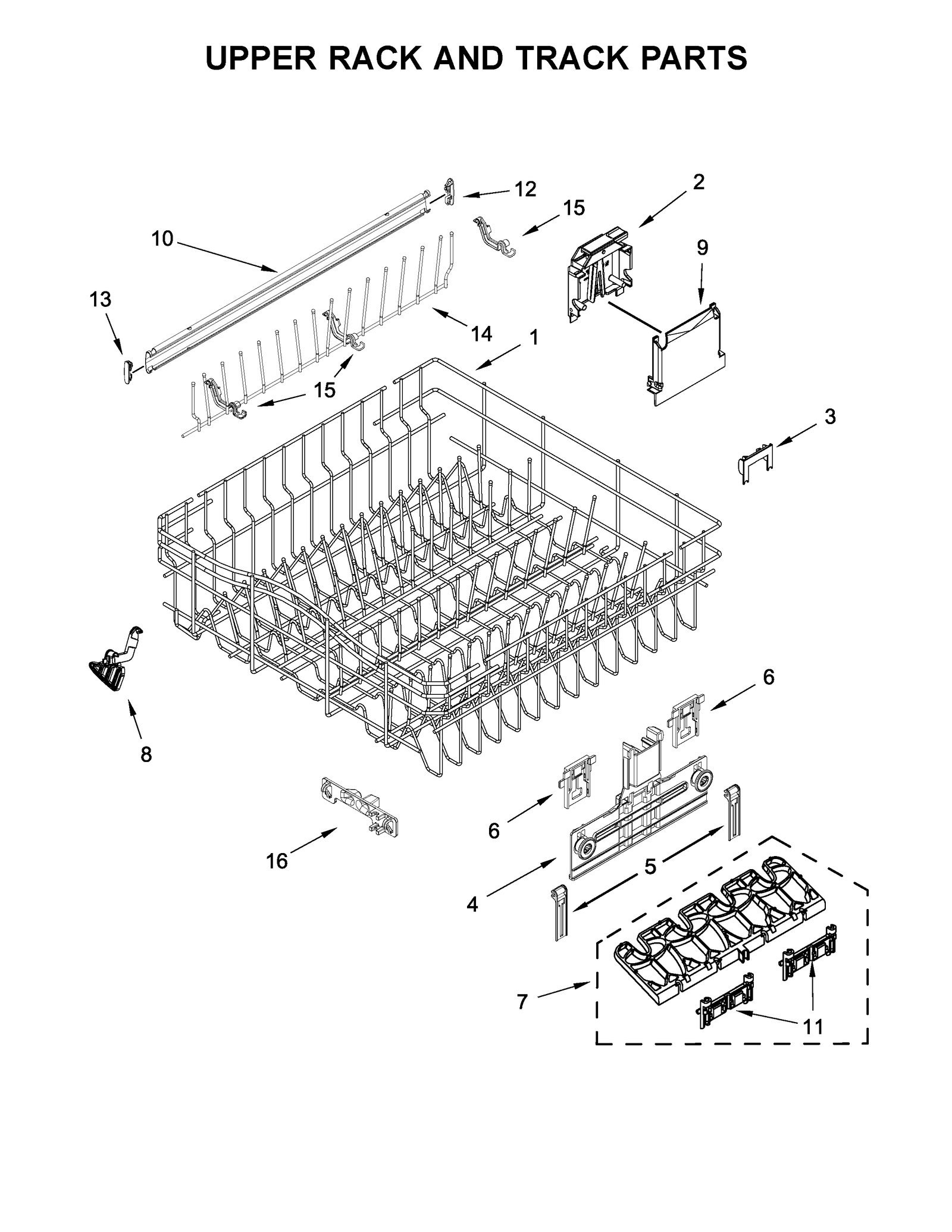
Performance problems usually stem from three main factors. First, the fine mesh filter at the bottom of the tub catches food particles. Over time, these particles create a physical barrier that restricts water flow. If the water can’t move, the sensors detect a fault and stop the cycle. This is a common issue for households that don’t scrape plates before loading.
Second, the drain hose might have a kink or a blockage. Because the dishwasher shares a drain line with your sink, any obstruction in the sink’s P-trap or the garbage disposal can cause water to back up into the dishwasher. If you recently installed a new garbage disposal, ensure the knockout plug was removed; otherwise, the dishwasher can’t push water through the drain line.
Third, mineral buildup from hard water can clog the spray arm nozzles. If the small holes in the arms are blocked, water doesn’t hit the dishes with enough pressure to clean them. You can tell if this is the case by looking at the spray arm holes; if they look obstructed by white, chalky deposits, the water pressure is likely too low to complete the cycle effectively.
Clear the filter manually
This fix is for anyone experiencing standing water at the bottom of the tub or dishes that remain coated in residue. Start by removing the bottom rack. Locate the circular filter assembly at the base of the unit. Turn the center cap counter-clockwise to unlock it, then lift the filter out. Rinse it under hot running water to remove grease and trapped food. Use a soft brush to scrub the mesh if you see stubborn buildup.
Once the filter is clean, inspect the cavity underneath it. Remove any large food chunks or glass shards with a paper towel. If you see standing water deep in the sump, use a sponge to soak it up so you can see if the drain impeller is jammed. If the impeller doesn’t spin freely when pushed with a finger, you may need a technician to remove the obstruction. After cleaning, lock the filter back into place by turning it clockwise until it clicks.
This process assumes a standard residential setup. If you have a professional-grade installation or a specialized drain configuration, follow the Whirlpool dishwasher user manual for specific parts access. If you find a broken filter screen, don’t operate the machine, as this allows debris to enter the pump and cause permanent damage.
Check the drain hose
This fix works if the dishwasher cycle stops mid-way or if the “Clean” light flashes repeatedly. Inspect the drain hose under the sink. Ensure the hose isn’t pinched, bent, or crushed by cabinetry. A kinked hose prevents the pump from pushing water out, which triggers a sensor error. If the hose looks clear, check the connection point where it meets the garbage disposal or the air gap.
If you have an air gap on your sink, remove the decorative cover and clear out any gunk blocking the small holes. If the hose is connected directly to the disposal, ensure the connection is tight and free of debris. If you suspect the hose is clogged, disconnect it from the sink side and use a drain snake or a long, flexible brush to clear the blockage.
This isn’t for someone who lacks access to the space under the sink. If the hose is brittle or shows signs of cracking, you must replace the entire length rather than patching it, as a leak can cause significant water damage to your cabinetry. If you’re uncomfortable disconnecting plumbing lines, hire a plumber.
Reset the control board
Sometimes the electronics simply need a reboot to clear a temporary error code. This is worth the effort if the unit is unresponsive or stuck in a loop. Locate the circuit breaker for the dishwasher in your home’s electrical panel and flip it to the “Off” position. Wait at least one minute to allow the control board capacitors to discharge. Flip the breaker back on and try to start a new cycle.
This isn’t for people who are unsure about their home electrical panel. If you see signs of burning or smell ozone near the control panel, don’t attempt a reset. Call a professional immediately, as this indicates a short circuit that could lead to a fire. If the machine resets but the same error code returns immediately, the control board itself is likely faulty and requires a factory-authorized repair.
What not to do
- Don’t use harsh chemical drain cleaners in the dishwasher. These chemicals can damage the rubber gaskets and the plastic pump housing, leading to leaks that void your warranty.
- Don’t force the spray arms to rotate by hand. You can break the plastic mounting clips, which makes the arms wobble and prevents them from cleaning the dishes properly.
- Don’t ignore a “leaking” sound if the floor is dry. A faint hissing noise often indicates a cracked internal hose that’s leaking water into the base pan, which will eventually trigger the flood sensor.
- Don’t use standard dish soap if you ran out of detergent. Even a small amount of liquid soap creates excessive suds that can overwhelm the pump and cause the machine to overflow onto your floor.
How to stop it happening again
Consistent maintenance prevents the majority of common faults.
| If you’re doing this | Do this instead | Why |
|---|---|---|
| Pre-rinsing dishes | Scrape solids only | Scrape solids only to prevent filter clogs. |
| Using “Quick” cycles only | Run a “Normal” cycle once a week | Hotter water melts grease buildup |
| Ignoring the filter | Prevents pump strain and odors | |
| Using generic rinse aid | Use a high-quality brand | Prevents hard water spots on glass |
Frequently asked questions
Can I fix a dishwasher that won’t drain myself?
You can clear a drain obstruction by cleaning the filter and checking the hose for kinks. Most drainage issues are caused by food debris clogging the filter or a pinched drain line. If the machine still fails to drain after clearing debris, the pump motor may be damaged and require professional service.
Why is my dishwasher leaving a white film on dishes?
White film is usually caused by hard water minerals or using too much detergent. Rinse aid is essential for preventing mineral deposits during the drying cycle. If your home has very hard water, you may need to add a specialized water-softening additive to your detergent.
How long should a dishwasher cycle take?
A standard cycle typically takes between two and three hours depending on settings and water temperature. Modern sensors automatically adjust the cycle time based on how dirty the water is. If your machine consistently runs for four hours or longer, it may have a faulty heating element.
Is it safe to run the dishwasher with an error code?
No, you shouldn’t run the dishwasher while an active error code is displayed. Error codes are designed to protect the machine from further damage when a component fails. Clear the error by identifying the cause or resetting the power before attempting to run the unit again.
What happens if I use the wrong detergent?
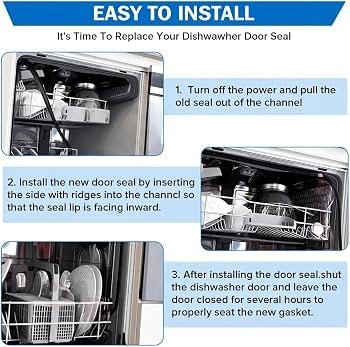
Using standard dish soap instead of specialized detergent will create excessive foam that can damage the machine. This foam can leak from the door seal and cause the pump to fail. If you accidentally add dish soap, scoop it out and wipe the interior clean before starting.
Final Thoughts
If you still notice poor cleaning results after checking these areas, don’t hesitate to reach out to a professional technician. They’ll help you spot hidden mechanical faults that aren’t easy to fix at home. Taking care of your unit today will ensure it’s running smoothly for many years to come.
Related guides
- Hart Lawn Mower Troubleshooting Manual: Fix Common Issues in 2026
- Panasonic Phone Troubleshooting Manual: Fix Common Issues in 2026
- Thermador Refrigerator Troubleshooting: Fix Common Issues in 2026