
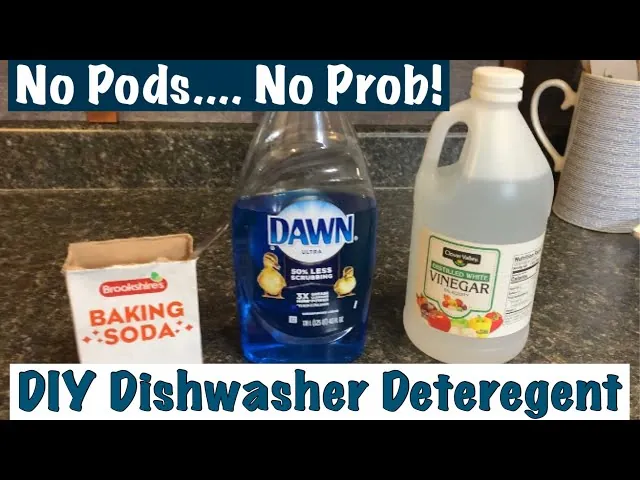
You can use a simple mixture of baking soda and a few drops of dish soap as a dishwasher detergent substitute in an emergency. This DIY solution is best for a single wash cycle because it lacks the enzymes needed for deep cleaning. If your dishes have heavy grease, you should avoid this method entirely, as dish soap creates excessive suds that may leak from the machine and cause floor damage.
Best dishwasher detergent substitutes
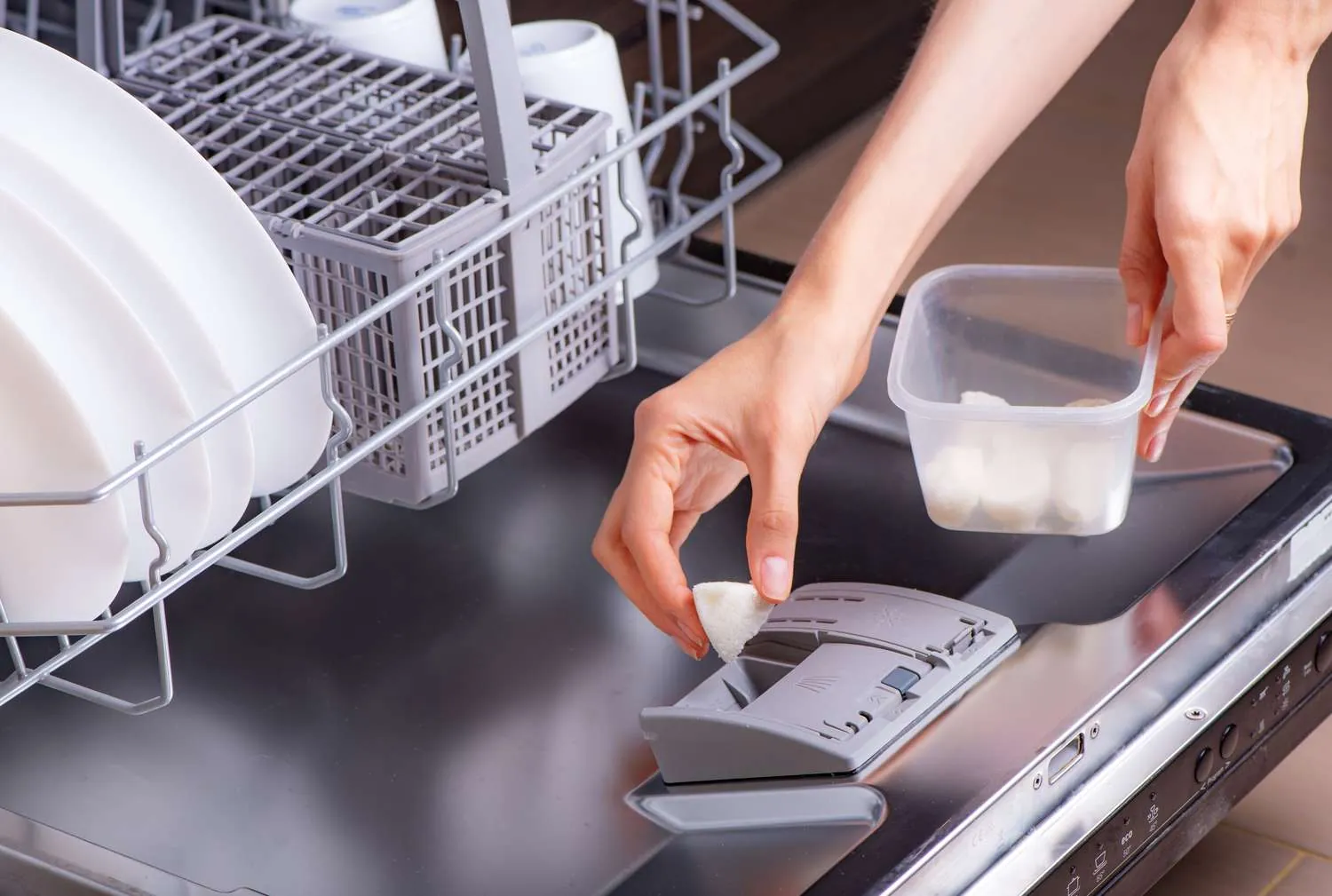
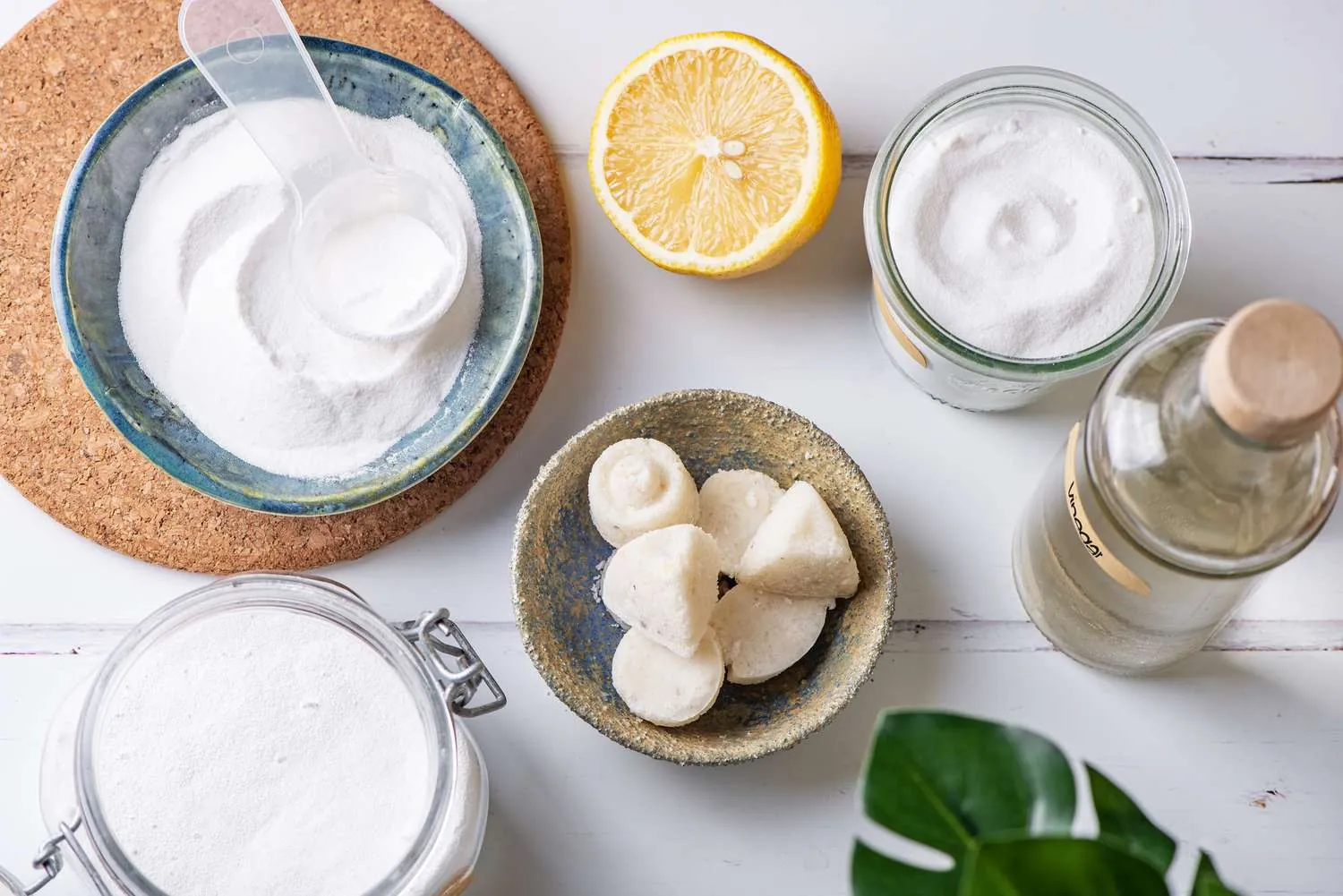
Use two tablespoons of baking soda in the detergent cup for a light pre-rinse or quick wash. This neutralizes odors and cuts through grease before the main cycle begins.
Add a single drop of liquid dish soap only if you’re desperate. If you add more, the suds will overflow your kitchen floor within minutes.
Place a small, dishwasher-safe bowl filled with one cup of white vinegar on the top rack to dissolve hard water mineral deposits. Do this only when the machine is empty to avoid stripping the finish off your cutlery.
Check that your rinse aid dispenser is full to help items dry faster without harsh chemicals. If your dishes remain wet, check the heating element for debris.
Run a cycle with just water first if your dishes are only lightly dusty. This saves energy and prevents detergent residue from baking onto your glassware. If the water remains cold throughout the cycle, your heating element likely needs a professional repair rather than a quick fix.
Why DIY cleaners struggle with machines
Most home cleaners can’t replace professional formulas because they lack the specific chemical balance required for modern appliances. Commercial detergents contain surfactants, enzymes, and bleaching agents designed to break down proteins and starches at high temperatures. These ingredients are measured to work within the specific water volume of your machine. When you use pantry items, you aren’t cleaning the food residue; you’re mostly just moving it around with hot water.
The biggest risk comes from using standard hand dish soap. These liquids are formulated to create high-volume suds in a sink. Inside a high-pressure dishwasher, this soap produces a massive amount of foam that can push past the door seals. Once the foam reaches the motor or the floor, it can cause electrical shorts or water damage to your cabinets.
Baking soda acts as a mild abrasive, which helps scrub surfaces, but it doesn’t have the “anti-redeposition” agents found in store-bought pods. These agents keep the dirt suspended in the water so it drains away instead of settling back onto your clean glasses. If you use a homemade mix, you’ll likely notice a cloudy film on your glassware after a few cycles. This happens because the minerals in your water aren’t being properly sequestered.
If your water hardness exceeds 7 grains per gallon, homemade cleaners will fail to prevent mineral buildup on heating elements, eventually causing the machine to overheat or fail prematurely. Always check your local water utility report to determine if your hardness level requires the specialized chelating agents found only in commercial detergents.
When the home remedy isn’t enough
| Situation | What changes | What to do instead |
|---|---|---|
| Heavy grease | Needs enzymes | Use store-bought tablets |
| Hard water | Needs mineral softeners | Add commercial rinse aid |
| Silverware | Needs anti-corrosives | Wait for proper detergent |
| Dried food | Needs heavy soaking | Hand wash the dishes |
| Delicate glass | Needs pH balance | Use a mild powder |
Home remedies like vinegar or baking soda often fail because they lack the chemical complexity required to break down specific molecular bonds. If you see a cloudy film remaining on glasses after a full cycle, you’re likely dealing with mineral buildup that vinegar can’t dissolve. In this case, switch to a dedicated citric-acid-based cleaner.
Most people make the mistake of increasing the amount of vinegar to compensate for poor results. This is a costly error, as the acetic acid can etch the rubber gaskets and seals inside your machine, leading to leaks that cost hundreds in repairs.
If your dishes emerge with a gritty texture, you’re facing hard water deposits. Don’t try to scrub these away with abrasive pads, which permanently scratch the finish. Instead, check your local water report; if your hardness level exceeds 7 grains per gallon, you must use a commercial rinse aid.
This lowers the surface tension of the water, allowing it to sheet off surfaces before minerals can bond to the glass. If you see rust spots on silverware, stop using homemade cleaners immediately. You need a detergent containing corrosion inhibitors to protect the metal’s finish.
Steps to wash dishes without pods
-
Clear all large food chunks from your plates into the trash bin to prevent clogs in the filter. Scrape solids with a rubber spatula rather than rinsing under the tap, as modern detergents are designed to work effectively even on lightly soiled dishes.
-
Place your dishes in the racks, ensuring no items block the spray arm from spinning freely. Spin the arm manually with your hand before closing the door. If it hits a tall plate or a stray utensil handle, the water pressure will drop, leaving a film of residue on every surface.
-
Fill the detergent cup with 2 tablespoons of baking soda if the dishes have very light soil. This acts as a mild abrasive and water softener. If your water is hard, add a half-cup of white vinegar to a bowl on the top rack instead. This prevents the white, chalky mineral deposits that baking soda alone can’t dissolve.
-
Add no more than one single drop of dish soap to the bottom of the tub if necessary. Using more will create a mountain of suds that forces water out of the door seals, potentially damaging your kitchen floor.
-
Select the normal wash cycle on your machine’s control panel to ensure enough water flow for rinsing. Avoid the quick-wash setting, as it lacks the duration required to fully dissolve these manual additives.
-
Start the machine and keep a close eye on the door for the first ten minutes for leaks. If you see bubbles forming near the gasket, cancel the cycle immediately and run a drain-only program to clear the excess soap.
Mistakes that ruin your dishwasher
Pouring standard dish soap into the detergent dispenser creates a mountain of suds that forces water out of the door seal. This overflow can warp your kitchen floorboards or leak into the electrical components beneath the unit. If you see bubbles rising, stop the cycle immediately and use a wet-dry vacuum to clear the standing water.
Vinegar is a common cleaner, but using it in every cycle will eventually degrade the rubber gaskets and seals. These components become brittle and crack, leading to slow, hidden leaks that rot your cabinetry. Limit your vinegar use to once a month for descaling only.
Failing to clear the filter after a heavy cycle allows grease and food particles to cement themselves into the mesh. Once this debris hardens, the pump must work twice as hard to circulate water, which leads to premature motor failure.
Running a cycle with only water is a mistake that costs you time and electricity. Without a surfactant to break the surface tension of grease, the water simply pushes grime around. If you need a refresh, always add a tablespoon of specialized machine cleaner.
Related guides
- 10 Best Prepper Gear to Buy for Emergency Preparedness in 2026
- 10 Best Places to Buy Survival Gear Online for Emergencies in 2026
Frequently asked questions
Can I use laundry detergent in the dishwasher?
You should never use laundry detergent in a dishwasher because it contains chemicals that can be toxic or damage your machine. Laundry soap is designed for a completely different process and will create foam that’s nearly impossible to remove from the pump. If you accidentally add it, stop the machine immediately and scoop out as much foam as possible before running a long, water-only rinse cycle to flush the lines.
Why are my dishes cloudy after using baking soda?
Your dishes look cloudy because baking soda doesn’t contain the water-softening agents found in standard dishwasher detergents. These agents are necessary to prevent mineral buildup from your tap water from sticking to your plates during the rinse phase. This is most common in areas with hard water, where the minerals react with the baking soda to leave a white, powdery residue that’s difficult to rinse away without acid.
How long does a DIY wash take?
A wash cycle using baking soda should take the same amount of time as a normal cycle, usually between 90 and 120 minutes. The time depends on your specific machine model and the cycle you select. Don’t try to shorten the cycle, as you need the full duration to ensure the baking soda is thoroughly rinsed off your items before the drying phase begins.
Is it safe to use vinegar as a rinse aid?
It’s generally safe to use a small amount of white vinegar in the rinse aid compartment, but check your manual first. Some manufacturers warn that the acid in vinegar can degrade rubber seals over several years of use. If you use it, stick to a small amount—about one tablespoon—and monitor the rubber parts of your dishwasher for any signs of cracking or hardening.
Does it matter if I use warm or hot water?
It matters a lot, as dishwasher detergents and DIY substitutes work much better with hot water. Most machines have an internal heater to boost the temperature to 130°F or higher to melt fats. If your water supply is cold, even the best store-bought detergent will fail to clean your plates, and your DIY substitute will be even less effective at removing stuck-on food.
What happens if I don’t use any detergent?
If you run a cycle without any detergent, your dishes will likely come out wet and still covered in a thin layer of grease. The machine uses heat and water, but the chemical action of the detergent is what actually breaks the bond between the food oils and the ceramic or glass surface. You’ll essentially be steaming your dishes in dirty water rather than washing them.
Conclusion
If you find yourself without detergent, the best path is to hand wash your items with dish soap until you can visit a store. Using substitutes is a temporary measure that works for light loads, but it isn’t a long-term solution for maintaining your kitchenware or your appliance. Always prioritize the manufacturer’s recommended products to keep your machine running for as long as possible.